(7% discount is applied at checkout)
Cart is empty
Your go-to destination for cutting-edge server products
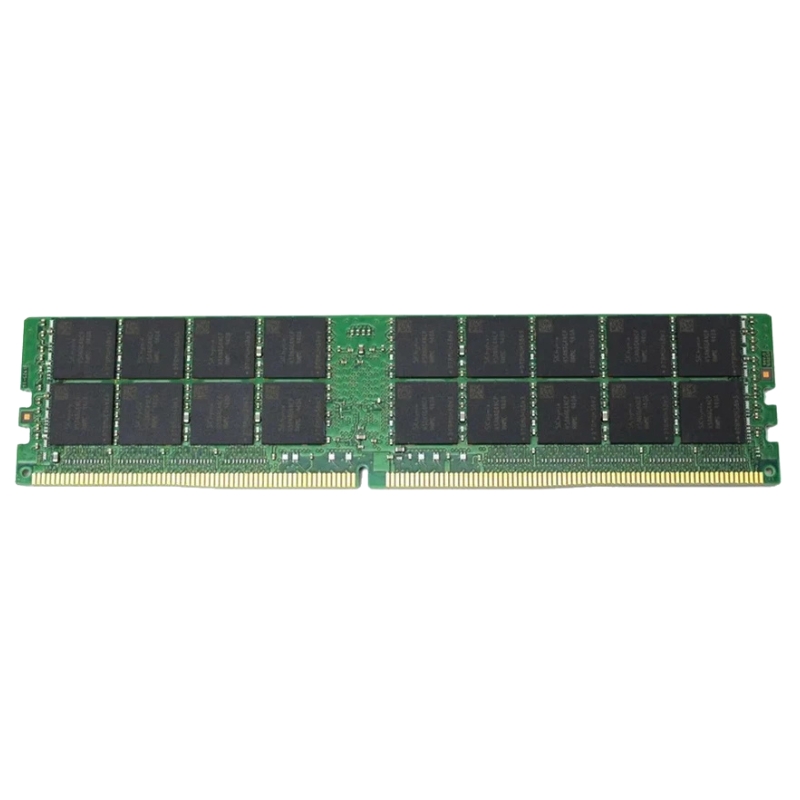


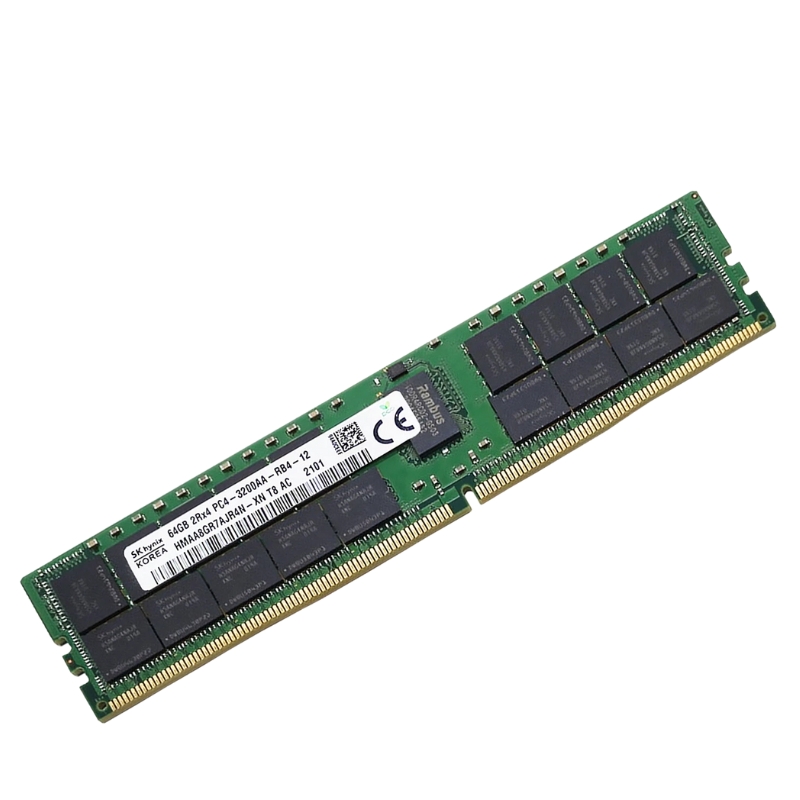
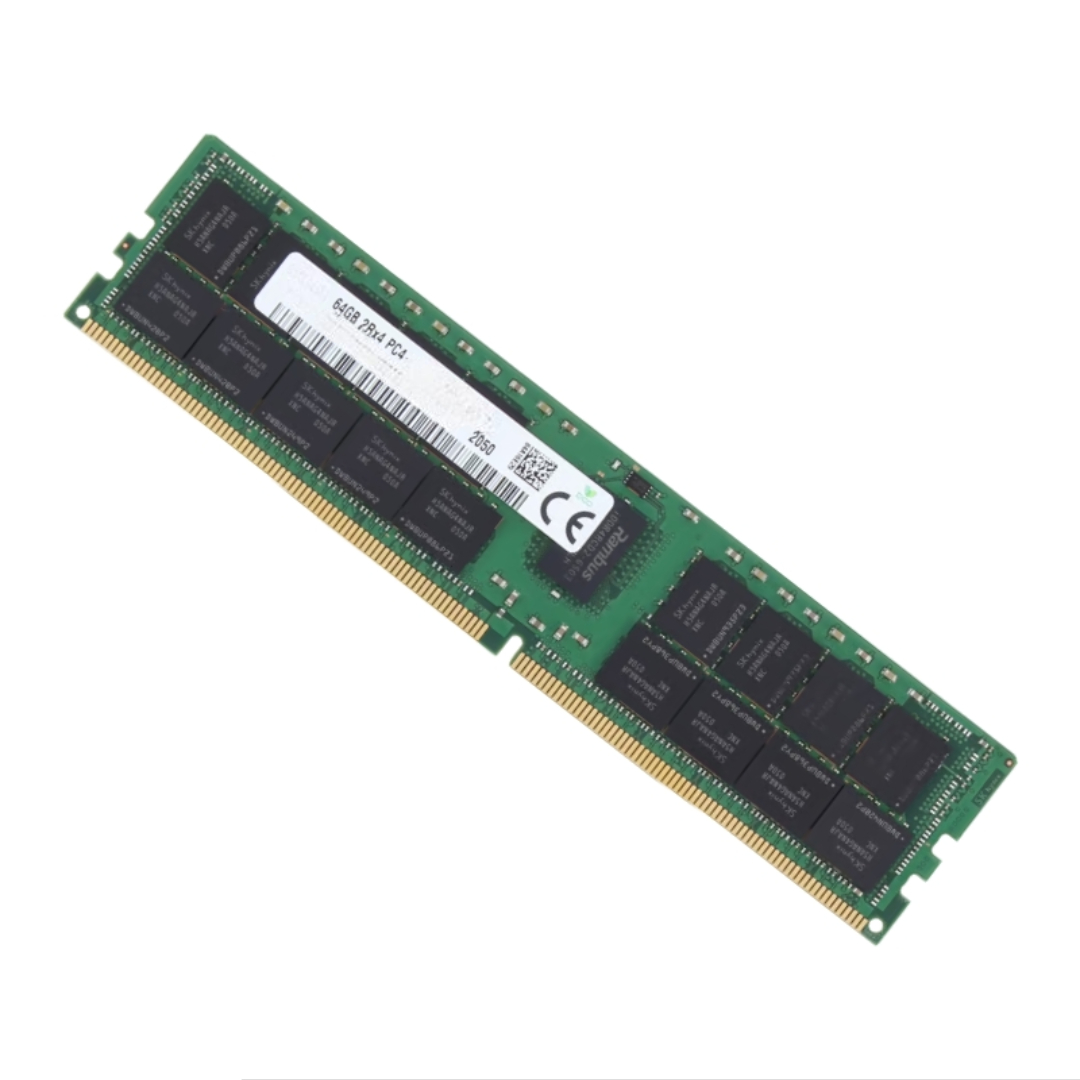
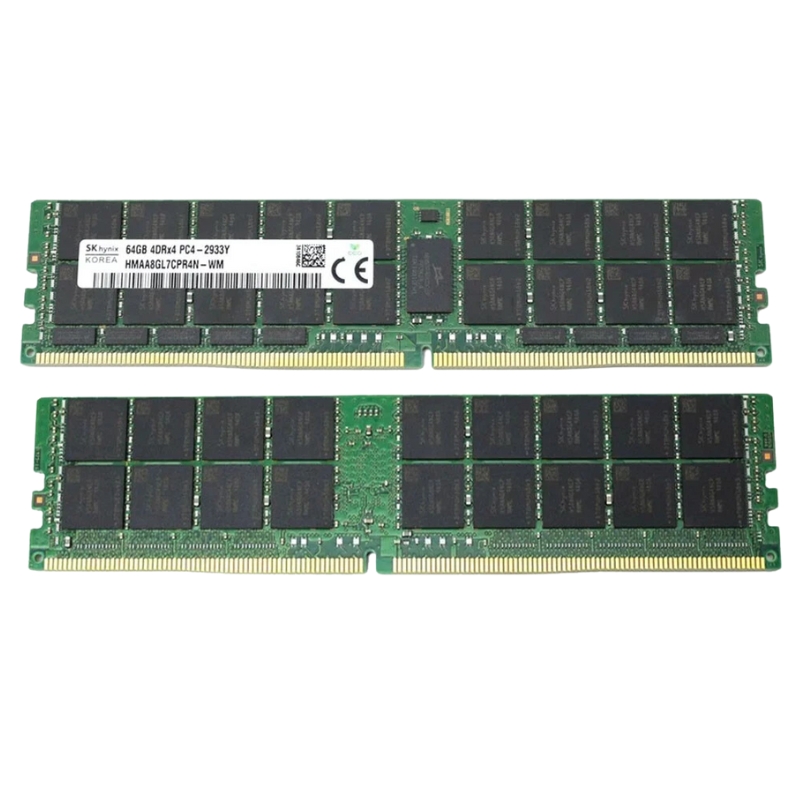
Micron MTC40F2047S1RC56BBZ 128GB PC5-44800 DDR5-5600Mhz ECC Cl46 288-Pin Rdimm Memory Module. New Sealed in Box (NIB) with 3 Years Warranty
The Micron MTC40F2047S1RC56BBZ is a high-performance 128GB DDR5 dual-rank registered memory module designed to support advanced workloads and enterprise-level computing. With faster data transfer rates, improved reliability, and ECC error correction, this module ensures seamless performance for servers, data centers, and mission-critical environments.
The category of DDR5 ECC Registered DIMM (RDIMM) memory modules represents the backbone of modern enterprise computing, enabling servers and workstations to achieve higher bandwidth, improved power efficiency, and uncompromising data integrity. Products such as the MTC40F2047S1RC56BBZ Micron 128GB PC5-44800 DDR5-5600MHz ECC CL46 288-Pin RDIMM Memory Module exemplify the technological evolution of system memory designed for data centers, virtualization environments, cloud infrastructure, and mission-critical applications. DDR5 RDIMM memory is engineered to address the growing demands of multi-core processors, memory-intensive workloads, and always-on computing environments where stability, scalability, and performance consistency are essential.
Within this category, ECC (Error-Correcting Code) functionality and registered buffering distinguish RDIMM modules from consumer-grade memory. ECC detects and corrects single-bit memory errors in real time, preventing data corruption and system crashes, while the register (or buffer) reduces electrical load on the memory controller, allowing systems to support higher capacities and more DIMMs per channel. As a result, DDR5 ECC RDIMM memory modules are widely deployed in enterprise servers, high-performance computing clusters, database servers, and professional workstations that require maximum reliability and uptime.
DDR5 memory introduces a redesigned architecture compared to previous DDR4 generations, delivering substantial improvements in bandwidth, efficiency, and scalability. Operating at data rates such as 5600MHz (PC5-44800), DDR5 RDIMM modules significantly increase memory throughput, which directly benefits data-heavy applications like virtualization, in-memory databases, artificial intelligence workloads, and real-time analytics. The increased bandwidth ensures that modern CPUs with high core counts are not bottlenecked by memory access limitations.
One of the defining architectural changes in DDR5 is the introduction of dual independent 32-bit subchannels per DIMM, replacing the single 64-bit channel used in DDR4. This design reduces latency and improves memory access efficiency by allowing more simultaneous operations. Additionally, DDR5 integrates on-die ECC for improved internal reliability, complementing system-level ECC in registered server modules. Combined with external ECC support, DDR5 RDIMM memory delivers a multi-layered approach to data integrity.
DDR5 memory modules incorporate an on-module Power Management Integrated Circuit (PMIC), which shifts voltage regulation from the motherboard to the DIMM itself. This change enables more precise power delivery, improved signal integrity, and better overall efficiency. Operating at a lower base voltage than DDR4, DDR5 RDIMM memory helps reduce total system power consumption, an important consideration for large-scale data centers focused on energy efficiency and thermal management.
For enterprise environments running around the clock, these power optimizations translate into lower operational costs and improved system stability. The Micron 128GB DDR5-5600 ECC RDIMM module fits seamlessly into this category by offering a balance of high capacity and efficient power usage, ensuring consistent performance under sustained workloads.
High-capacity memory modules are a critical requirement for modern server and workstation platforms. The 128GB capacity offered by DDR5 ECC RDIMM modules enables systems to handle large datasets, complex simulations, and multiple virtual machines without performance degradation. In virtualization and cloud computing environments, higher memory density allows administrators to consolidate workloads, improve resource utilization, and reduce hardware footprint.
This category of memory modules is particularly valuable for applications such as enterprise resource planning (ERP), customer relationship management (CRM), big data analytics, and content delivery networks. Large memory pools reduce reliance on slower storage-based caching, improving response times and overall system throughput. With DDR5 RDIMM memory, systems can scale efficiently as workload demands increase, supporting future growth without frequent hardware replacements.
The registered DIMM architecture is a defining feature of enterprise memory modules. By incorporating a register between the memory controller and DRAM chips, RDIMM modules reduce signal load and improve stability, especially in configurations with multiple DIMMs per channel. This design enables servers to support higher total memory capacities while maintaining reliable operation at high speeds.
For DDR5 RDIMM modules operating at 5600MHz, signal integrity is especially important. The register ensures clean signal transmission, minimizing timing errors and maintaining consistent performance across all memory channels. This reliability makes DDR5 ECC RDIMM memory the preferred choice for systems that cannot tolerate downtime or data inconsistency.
ECC memory is essential for protecting data integrity in professional and enterprise computing environments. By detecting and correcting single-bit errors and identifying multi-bit errors, ECC memory prevents silent data corruption that could compromise critical applications or cause system instability. DDR5 ECC RDIMM modules extend this protection with enhanced error detection mechanisms and improved reliability features.
In environments such as financial services, healthcare systems, scientific research, and telecommunications, even minor data errors can have significant consequences. ECC RDIMM memory mitigates these risks by providing continuous error monitoring and correction. The category of DDR5 ECC RDIMM modules is therefore aligned with industry requirements for compliance, reliability, and operational continuity.
Servers and enterprise workstations often operate continuously under heavy load. DDR5 ECC RDIMM memory is designed for sustained performance and long-term stability, ensuring that systems remain reliable over extended periods. This reliability is supported by rigorous validation, quality control, and compatibility testing across major server platforms.
Memory modules in this category are engineered to meet stringent enterprise standards, making them suitable for deployment in data centers with high availability requirements. The combination of ECC protection, registered buffering, and advanced DDR5 architecture ensures that these modules deliver dependable performance in demanding environments.
Performance within the DDR5 ECC RDIMM category is defined by a combination of data rate, latency, and bandwidth. Operating at DDR5-5600 with a CAS latency of CL46, these memory modules are optimized for balanced performance in server workloads. While latency figures may appear higher compared to consumer memory, they are designed to align with enterprise CPU memory controllers and multi-channel architectures.
The increased bandwidth of DDR5-5600 memory enables faster data transfer between memory and processor cores, reducing bottlenecks in memory-intensive tasks. This is particularly beneficial for parallel workloads, large-scale simulations, and high-throughput data processing applications. As part of this category, high-speed ECC RDIMM modules ensure predictable and consistent performance under load.
Modern server platforms utilize multi-channel and multi-socket memory architectures to maximize throughput and scalability. DDR5 ECC RDIMM modules are designed to operate efficiently in these configurations, delivering optimal performance when installed according to platform guidelines. Balanced memory population across channels enhances bandwidth utilization and minimizes latency.
In dual-socket and quad-socket systems, high-capacity RDIMM modules reduce the total number of DIMMs required, simplifying configuration and improving airflow. This contributes to better thermal performance and overall system efficiency, reinforcing the value of this memory category in enterprise deployments.
DDR5 ECC RDIMM memory modules are built to comply with JEDEC standards, ensuring broad compatibility across supported server and workstation platforms. Compatibility with leading CPU architectures and chipset designs allows these modules to be deployed in a wide range of systems from major OEMs and system integrators.
This category supports the latest generation of server processors that leverage DDR5 memory technology to deliver higher core counts and improved performance per watt. Proper BIOS and firmware support is essential to unlock the full capabilities of DDR5 RDIMM memory, including speed, capacity recognition, and ECC functionality.
Enterprise memory modules undergo extensive validation and qualification to ensure reliability and compatibility. This includes stress testing under various workloads, temperature ranges, and operating conditions. DDR5 ECC RDIMM memory is validated for continuous operation, making it suitable for mission-critical systems where downtime is not an option.
System administrators and IT professionals benefit from this rigorous validation, as it reduces the risk of compatibility issues and ensures predictable behavior across deployments. As a result, this category of memory is widely trusted in professional and enterprise computing environments.
Thermal management is a key factor in maintaining memory performance and longevity. DDR5 ECC RDIMM modules are designed to operate within defined thermal envelopes, ensuring stability under sustained workloads. Efficient power delivery and optimized PCB layouts contribute to reduced heat generation compared to previous memory generations.
In high-density server configurations, proper airflow and cooling are essential. The use of higher-capacity DIMMs, such as 128GB modules, can reduce the total number of memory sticks required, improving airflow and simplifying cooling strategies. This makes DDR5 RDIMM memory well-suited for modern data center designs focused on efficiency and scalability.
Memory modules in this category are manufactured in accordance with industry environmental and reliability standards. Compliance with regulations related to materials, manufacturing processes, and quality assurance ensures that DDR5 ECC RDIMM memory meets the expectations of enterprise customers worldwide.
These standards contribute to consistent product quality and long-term reliability, reinforcing the suitability of DDR5 RDIMM memory for deployment in regulated industries and critical infrastructure environments.
The DDR5 ECC RDIMM memory category supports a diverse range of use cases across enterprise and professional computing. In virtualization platforms, large memory capacities enable higher virtual machine density and improved performance isolation. In database servers, high bandwidth and ECC protection ensure fast query processing and data integrity.
High-performance computing applications benefit from the increased throughput and scalability of DDR5 RDIMM memory, enabling faster simulations and data analysis. Professional workstations used for content creation, engineering, and scientific research also leverage this category of memory to handle complex workloads and large datasets with reliability.
Adopting DDR5 ECC RDIMM memory is a strategic investment in future-proof infrastructure. As software and workloads continue to evolve, memory requirements are expected to increase in both capacity and bandwidth. DDR5 RDIMM modules provide a scalable foundation that can accommodate these growing demands without frequent hardware upgrades.
By aligning with the latest memory standards and enterprise requirements, this category of memory modules ensures that systems remain relevant and capable over extended lifecycles, supporting long-term operational goals and reducing total cost of ownership.


 Contact Us
 Information
 Catalog
 Solid State Drives (SSD)
 Network Switches
 Hard Disk Drives
 HBA & Controllers
 PC & Servers
 PC & Server Memory
 CPU & Processors
 Network Routers
 Power Supplies
 Tape Drives & Libraries
 Network Devices
 Computer & Network Cables