(7% discount is applied at checkout)
Cart is empty
Your go-to destination for cutting-edge server products
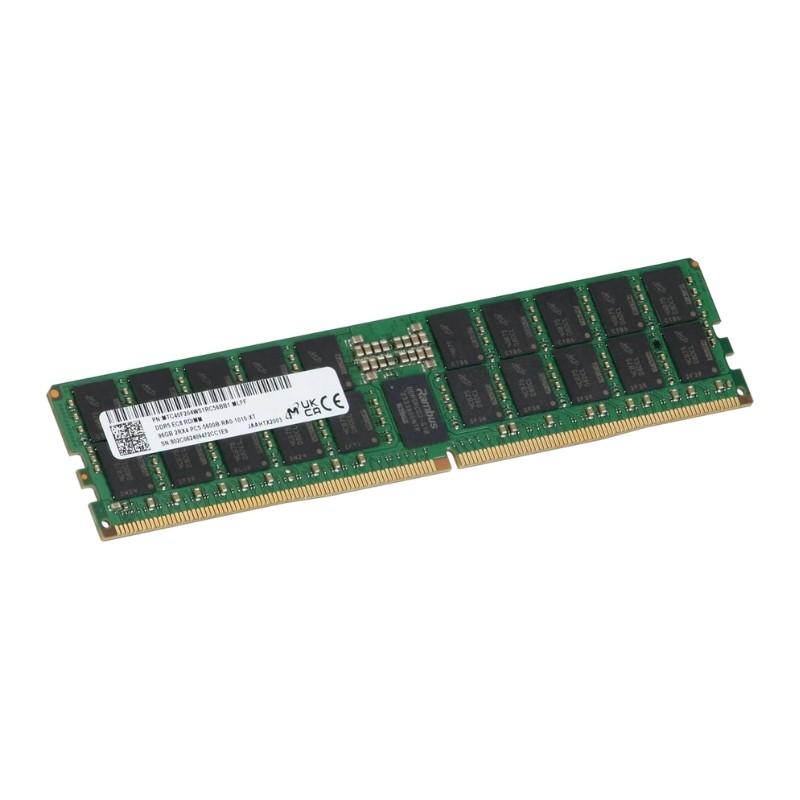


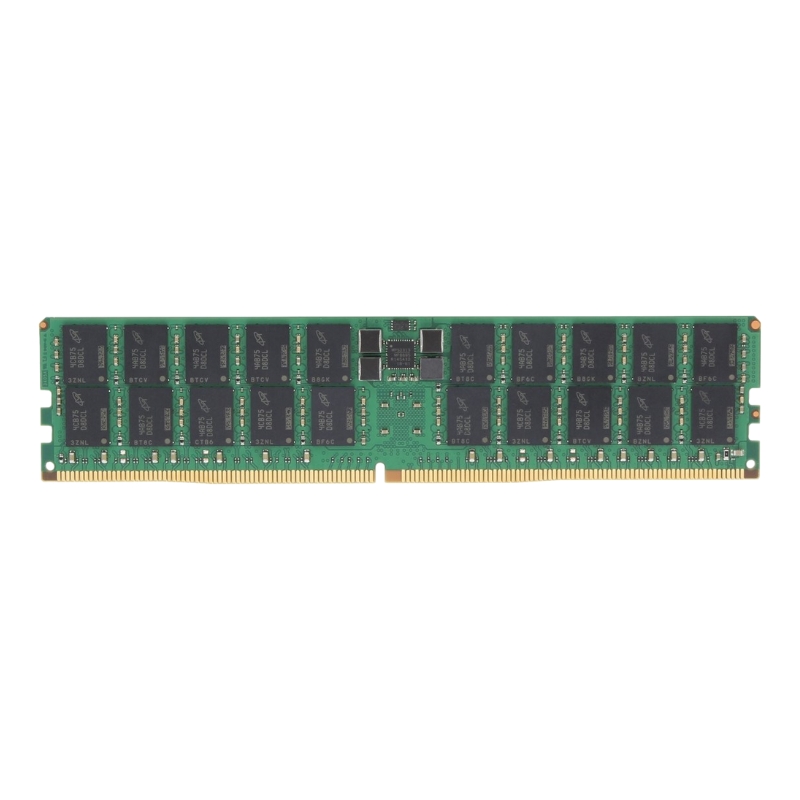
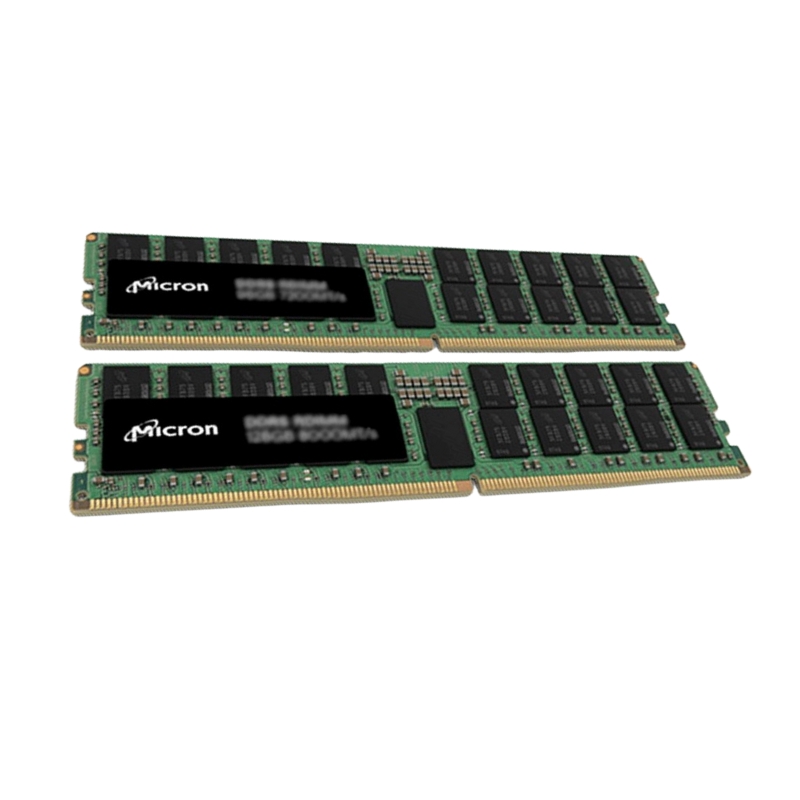
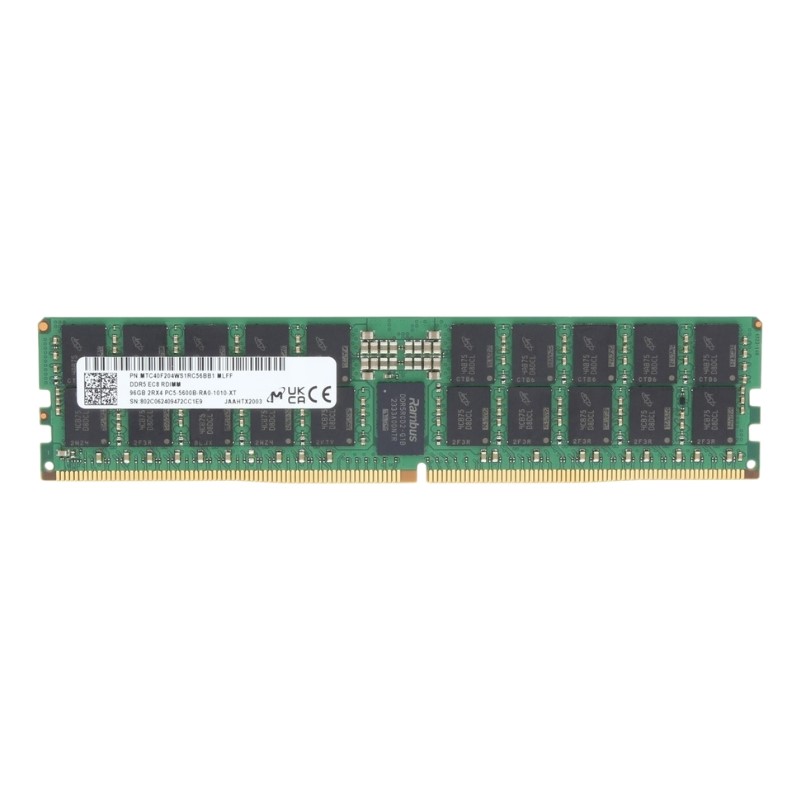
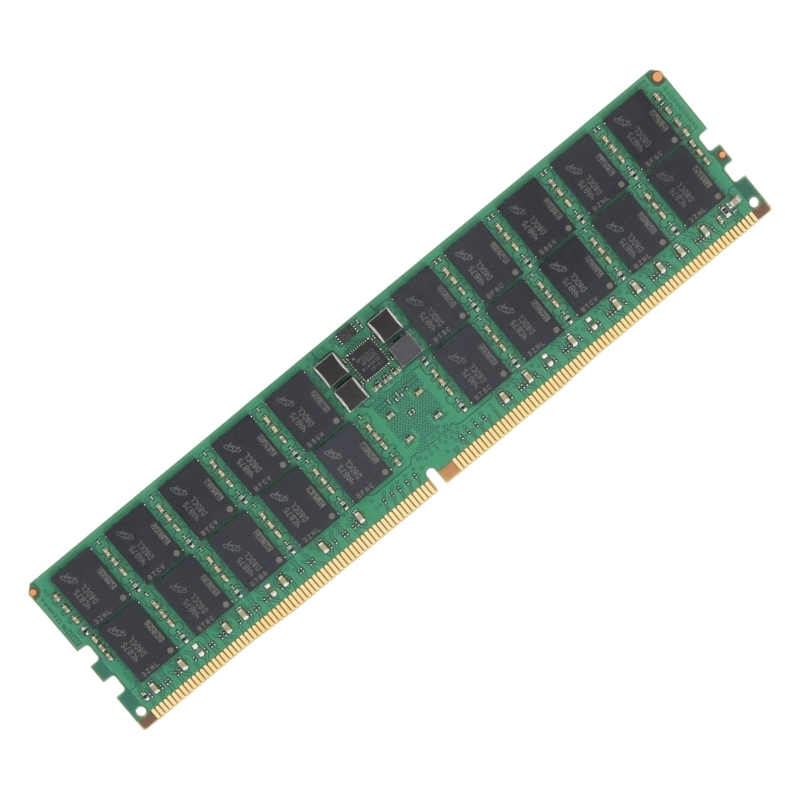
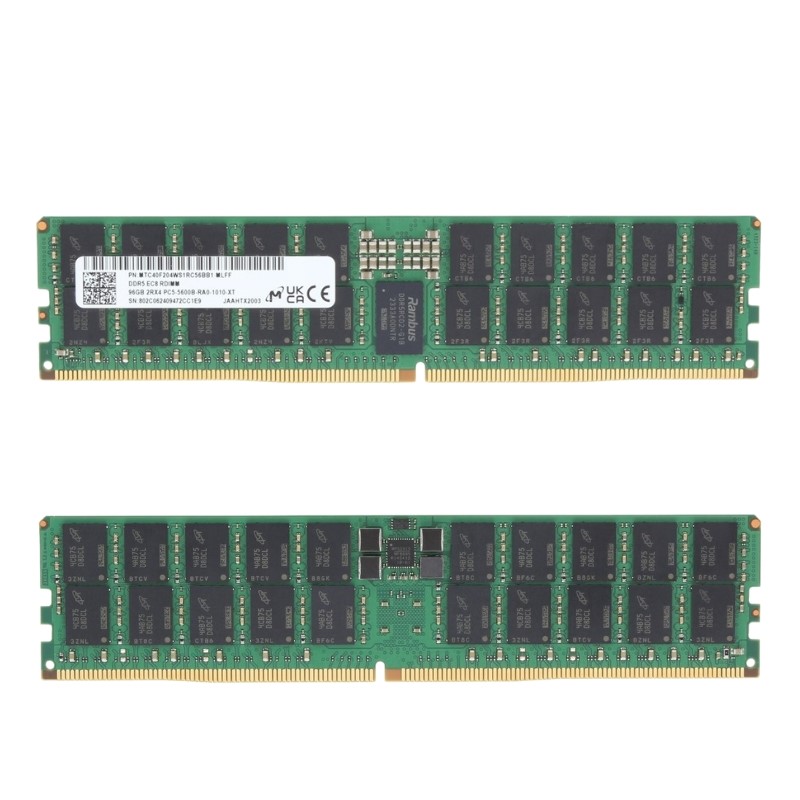
Micron MTC40F204WS1RC64BC1R 96GB DDR5 6400MHz PC5-51200 ECC Registered Dual Rank 288-Pin RDIMM Memory Module. New (System) Pull with 1 year replacement warranty
The Micron MTC40F204WS1RC64BC1R is a high-capacity 96GB DDR5 RDIMM memory module engineered for enterprise servers and data center platforms. With 6400MHz speed, ECC error correction, and registered signal processing, this PC5-51200 memory delivers exceptional performance, reliability, and scalability for mission-critical workloads.
The Micron MTC40F204WS1RC64BC1R 96GB DDR5 6400MHz PC5-51200 ECC Registered Dual Rank 288-Pin RDIMM memory module represents the next generation of high-performance server memory engineered to meet the demanding requirements of modern data centers, virtualization clusters, cloud computing platforms, and high-performance enterprise workloads. Designed by Micron, a globally recognized leader in memory and storage technology, this DDR5 RDIMM module delivers exceptional bandwidth, improved power efficiency, and enhanced reliability compared to previous DDR4 generations.
DDR5 technology introduces significant performance improvements over DDR4, including higher base frequencies, greater bandwidth, and improved efficiency. Operating at 6400MHz, the Micron MTC40F204WS1RC64BC1R achieves a PC5-51200 data rate, which translates to up to 51.2GB/s of theoretical bandwidth per module. This increased bandwidth allows servers to process large volumes of data more efficiently, reducing bottlenecks in memory-intensive workloads such as virtualization, real-time analytics, high-frequency trading platforms, and enterprise resource planning systems.
The 96GB capacity of this Micron DDR5 RDIMM module makes it an ideal choice for memory-intensive applications that require substantial RAM allocation. Enterprise virtualization environments benefit significantly from high-capacity modules, as they allow administrators to allocate more memory to virtual machines without increasing the number of physical DIMM slots used. This supports higher VM density per host, improved consolidation ratios, and better overall resource utilization in cloud and data center deployments.
The Micron MTC40F204WS1RC64BC1R features a dual rank architecture, which enhances memory performance by allowing improved data interleaving and access efficiency. Dual rank modules can increase effective memory throughput in certain server configurations by enabling better utilization of the memory controller. This architecture is particularly beneficial in systems designed to handle concurrent multi-threaded workloads, where efficient data access patterns are critical for maintaining consistent performance.
Enterprise environments demand not only performance but also reliability and data integrity. The Micron 96GB DDR5 module incorporates ECC (Error-Correcting Code) functionality, which automatically detects and corrects single-bit memory errors while identifying multi-bit errors. ECC memory is essential in servers and data centers where data corruption could lead to downtime, financial loss, or compliance violations. By implementing ECC technology, this RDIMM module ensures consistent, accurate data processing and enhanced system stability.
The Micron MTC40F204WS1RC64BC1R utilizes the standard 288-pin RDIMM form factor, ensuring compatibility with modern DDR5-enabled server motherboards and platforms. It is designed to operate within enterprise server systems that support DDR5 RDIMM memory, including platforms built around next-generation Intel and AMD server processors. The 288-pin design allows for secure installation in compatible DIMM slots, maintaining electrical stability and optimal performance.
DDR5 memory introduces significant improvements in power efficiency compared to previous generations. The Micron 96GB DDR5 6400MHz RDIMM incorporates on-die power management integrated circuits (PMIC), which regulate voltage directly on the module. This design improves power delivery efficiency, reduces noise, and enhances overall stability. Operating at lower voltage levels than DDR4, DDR5 memory contributes to reduced power consumption in large-scale data center deployments.
Scalability is a key requirement for modern enterprise IT infrastructure. The 96GB capacity per DIMM allows servers to achieve extremely high total memory capacities when multiple modules are installed across available memory channels. This scalability supports expanding workloads, cloud services growth, and increasing data processing demands without requiring complete hardware overhauls.
Virtualization platforms such as VMware, Microsoft Hyper-V, and open-source hypervisors benefit from high-capacity, high-speed memory modules that allow dense virtual machine deployment. The Micron MTC40F204WS1RC64BC1R enhances virtualization performance by reducing memory bottlenecks and supporting consistent workload distribution. With 6400MHz speed and 96GB capacity, it enables administrators to allocate sufficient memory resources to each VM while maintaining overall host performance.
The Micron MTC40F204WS1RC64BC1R 96GB DDR5 6400MHz ECC Registered RDIMM memory module is engineered to deliver long-term reliability and performance for enterprise environments. Its combination of high capacity, advanced DDR5 technology, ECC protection, and RDIMM architecture ensures that organizations can deploy scalable, resilient server infrastructure capable of supporting evolving workloads. By investing in DDR5 PC5-51200 memory technology, enterprises position themselves to take advantage of next-generation processors, faster interconnects, and increasingly data-driven business operations.
The Micron MTC40F204WS1RC64BC1R 96GB DDR5 6400MHz PC5-51200 ECC Registered Dual Rank RDIMM memory module leverages the architectural advancements introduced with DDR5 technology to significantly improve data throughput, latency handling, and overall memory efficiency in enterprise servers. DDR5 represents a substantial evolution from DDR4, not only in raw frequency scaling but also in structural enhancements that optimize how memory interacts with modern multi-core processors. By operating at 6400MT/s, this module ensures extremely high data transfer rates that align with the capabilities of current-generation server CPUs designed to process large volumes of parallel workloads.
The integration of a Power Management Integrated Circuit (PMIC) directly on the Micron 96GB DDR5 RDIMM is a major step forward in voltage regulation and signal stability. Unlike DDR4, where voltage regulation was handled on the motherboard, DDR5 shifts this responsibility to the memory module itself. This design enhances power delivery accuracy, reduces electrical noise, and improves operational stability at higher frequencies such as 6400MHz. For enterprise environments, stable voltage regulation ensures consistent uptime and reliable memory performance even under sustained heavy workloads.
DDR5 introduces an increased number of memory banks and bank groups, enhancing memory parallelism. The Micron MTC40F204WS1RC64BC1R benefits from this expanded bank structure, allowing faster data access cycles and better distribution of memory operations. Increased burst length further improves efficiency by transferring more data per memory access cycle. These improvements collectively boost throughput, especially in environments with heavy database queries, analytics workloads, and large-scale application hosting.
While ECC (Error-Correcting Code) is fundamental to server memory reliability, DDR5 introduces additional on-die ECC functionality to further enhance data integrity. This internal error detection and correction mechanism works alongside traditional system-level ECC to minimize data corruption risks. The Micron 96GB DDR5 RDIMM thus provides layered protection against transient memory errors caused by electrical interference or environmental factors.
The 96GB capacity per module allows system administrators to achieve exceptionally high total memory capacities in multi-slot server configurations. For example, servers equipped with 16 or 32 DIMM slots can scale to multiple terabytes of RAM when populated with high-density modules like the Micron MTC40F204WS1RC64BC1R. This scalability supports enterprise databases, virtualization clusters, and cloud-native environments that demand extensive memory resources.
Modern server processors from leading manufacturers are engineered to take advantage of DDR5’s higher bandwidth and improved channel efficiency. The Micron 96GB DDR5 6400MHz RDIMM aligns perfectly with these advanced CPU architectures, enabling full utilization of multi-channel memory controllers. With increasing core counts in enterprise CPUs, memory bandwidth becomes a critical factor in maintaining balanced system performance. High-speed PC5-51200 memory ensures that processors are not starved for data during intensive computational tasks.


 Contact Us
 Information
 Catalog
 Solid State Drives (SSD)
 Network Switches
 Hard Disk Drives
 HBA & Controllers
 PC & Servers
 PC & Server Memory
 CPU & Processors
 Network Routers
 Power Supplies
 Tape Drives & Libraries
 Network Devices
 Computer & Network Cables