(7% discount is applied at checkout)
Cart is empty
Your go-to destination for cutting-edge server products
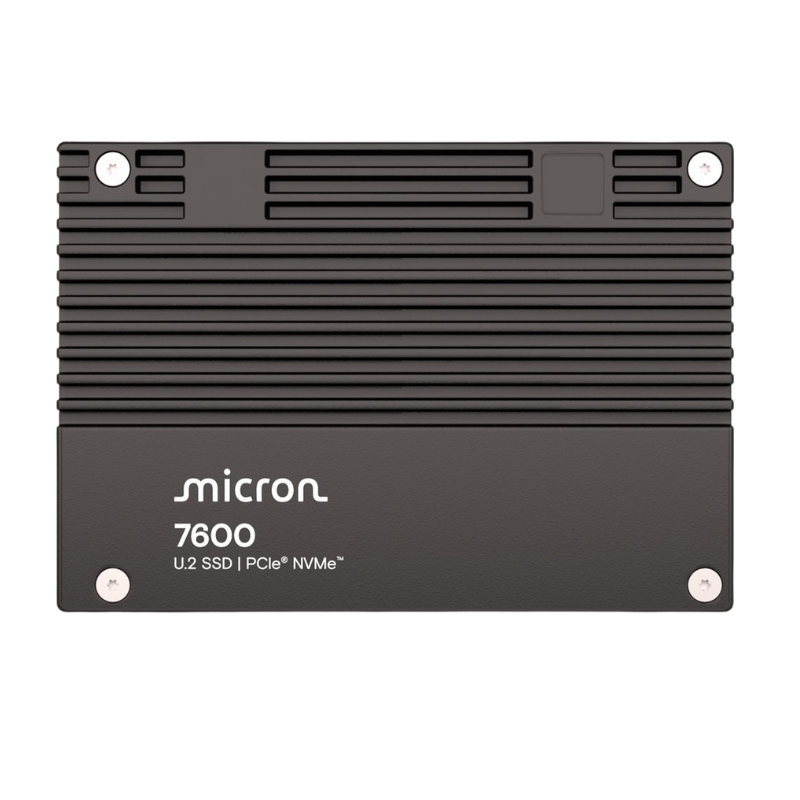


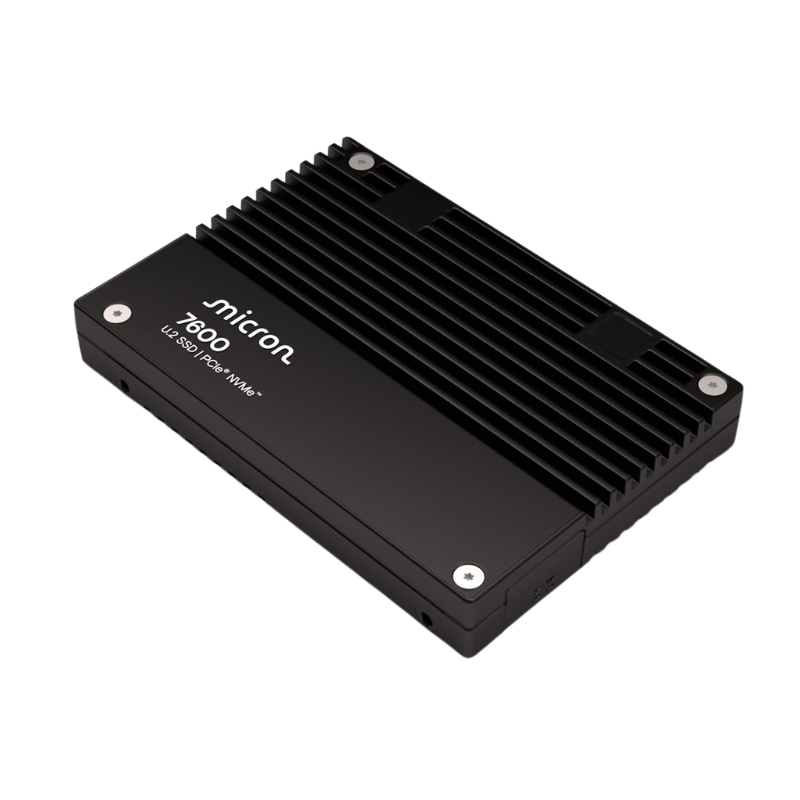
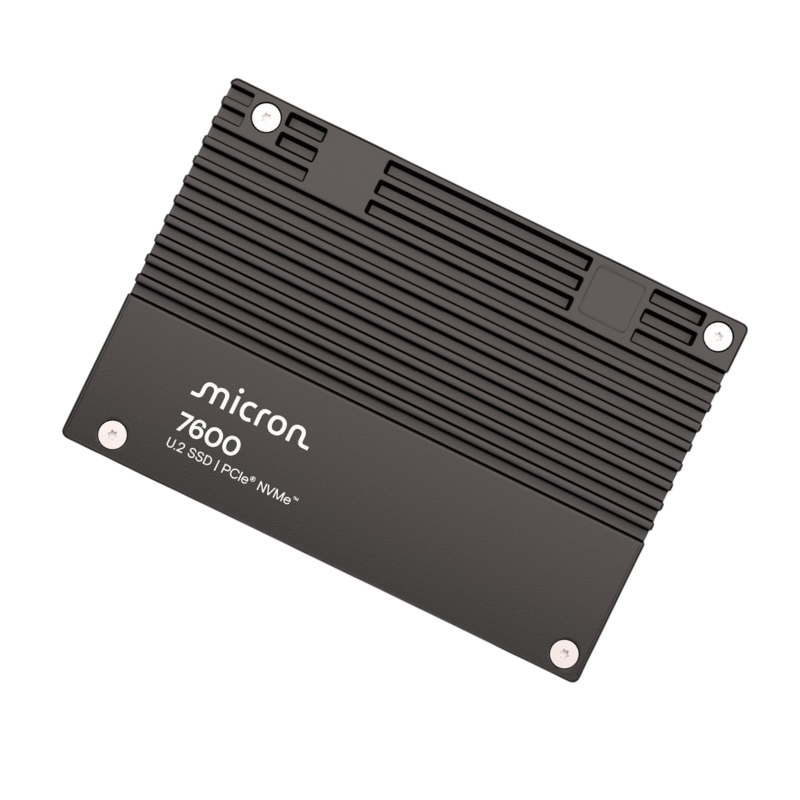
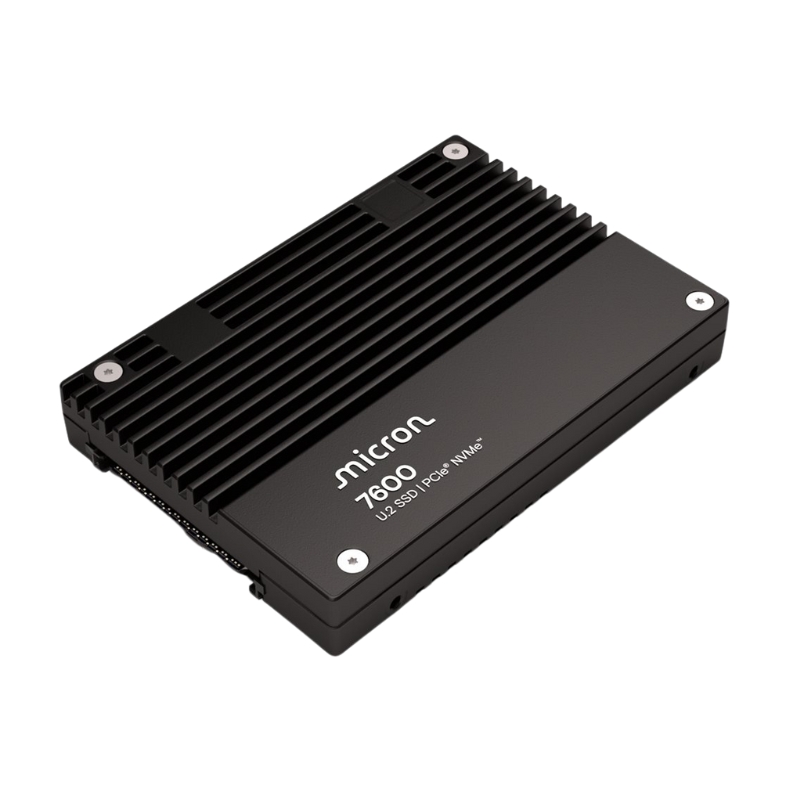
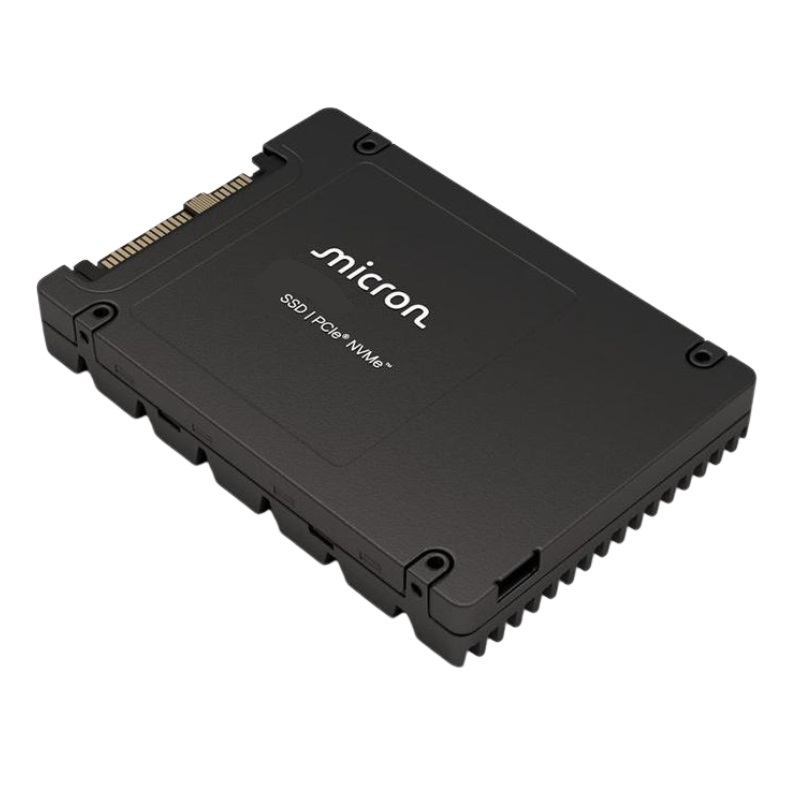
Micron MTFDLAL12T8THS-1BP1DFCYY 12.8TB NVMe U.2 2.5inch v2 PCIe 15mm Gen5 1x4 7600 MAX Solid State Drive. New Sealed in Box (NIB) with 3 years Replacement Warranty
Discover blazing-fast storage with the Micron 7600 MAX series—an advanced NVMe SSD engineered for data-intensive workloads, high IOPS applications, and mission-critical reliability. This U.2 2.5-inch drive leverages PCIe Gen5 x4 and NVMe v2.0d to deliver exceptional throughput, ultra-low latency, and robust endurance for modern servers and high-performance computing.
The category represented by the Micron MTFDLAL12T8THS-1BP1DFCYY 12.8TB NVMe U.2 2.5inch v2 PCIe Gen5 solid state drive defines a modern class of enterprise-grade storage designed for high-density, high-throughput, and latency-sensitive environments. This category focuses on data center and enterprise workloads where consistency, endurance, and sustained performance are as critical as peak throughput. NVMe U.2 SSDs in the 15mm 2.5-inch form factor have become a cornerstone for scalable infrastructure, enabling dense storage configurations without sacrificing thermal headroom or serviceability.
Within this category, the integration of PCIe Gen5 signaling marks a generational leap in bandwidth availability, allowing drives to operate at significantly higher transfer rates compared to previous PCIe Gen4 and Gen3 implementations. The NVMe protocol, optimized for parallelism and low-latency communication, complements Gen5 connectivity by ensuring that software stacks can fully utilize the available hardware resources. As a result, this category is positioned at the intersection of next-generation compute platforms and mission-critical data storage.
The 2.5-inch U.2 form factor with a 15mm height defines a balance between density, cooling efficiency, and compatibility. Drives in this category are engineered to fit standard enterprise drive bays, enabling hot-swap functionality and streamlined maintenance workflows. The 15mm thickness provides sufficient internal volume for advanced controller designs, high-capacity NAND packages, and robust thermal dissipation components, all of which are essential for sustaining PCIe Gen5 performance levels.
This category emphasizes mechanical durability and electrical stability, ensuring reliable operation in rack-mounted servers and storage enclosures that may operate continuously under heavy load. The U.2 connector standard provides a secure and high-integrity interface for PCIe lanes, power delivery, and management signals, making it well-suited for enterprise environments that demand predictable behavior across thousands of deployed drives.
Thermal management is a defining aspect of the NVMe U.2 Gen5 SSD category. As bandwidth and controller complexity increase, so does heat generation. Drives such as the Micron 12.8TB model are designed to operate within tightly controlled thermal envelopes, leveraging internal heat spreaders and airflow-optimized enclosures. This focus on thermal efficiency allows sustained throughput during long-running workloads, rather than brief benchmark peaks.
The category as a whole addresses the challenges of data center cooling by aligning with front-to-back airflow patterns commonly used in enterprise servers. This alignment ensures that performance remains consistent even when drives are densely packed, supporting predictable quality of service across large-scale deployments.
At the core of this category lies the synergy between PCIe Gen5 connectivity and the NVMe protocol. PCIe Gen5 doubles the per-lane bandwidth available in Gen4, enabling x4 configurations to deliver unprecedented data transfer potential. NVMe, designed specifically for non-volatile memory, minimizes command overhead and maximizes queue depth utilization, making it ideal for exploiting Gen5 capabilities.
Drives within this category are engineered to deliver extremely low latency, which is critical for applications such as real-time analytics, transaction processing, and AI model training. The combination of high bandwidth and efficient command handling ensures that storage no longer acts as a bottleneck in modern compute architectures.
Enterprise NVMe U.2 Gen5 SSDs are optimized for high queue depths, enabling thousands of concurrent I/O operations to be processed efficiently. This characteristic is particularly important in virtualized and containerized environments where multiple workloads may access storage simultaneously. The category prioritizes predictable latency across mixed read and write workloads, ensuring that performance remains stable even under contention.
Parallelism at the NAND level further enhances throughput, as modern controllers distribute workloads across multiple channels and dies. This architectural approach allows high-capacity drives, such as 12.8TB models, to maintain performance consistency regardless of utilization levels.
The 12.8TB capacity featured in this category reflects the growing demand for high-density storage solutions that reduce physical footprint while increasing total available capacity. High-capacity NVMe U.2 SSDs enable organizations to consolidate data, reduce rack space consumption, and simplify storage management. This consolidation is particularly valuable in environments where power, cooling, and floor space are constrained.
Large-capacity drives also support data-intensive workloads such as big data analytics, content delivery, and large-scale virtualization. By combining capacity with performance, this category eliminates the traditional trade-off between throughput and storage volume.
Enterprise-class NAND technology underpins the reliability and endurance of this category. Drives are designed to handle sustained write workloads, leveraging advanced wear-leveling algorithms and error correction mechanisms. Endurance ratings are aligned with enterprise usage patterns, ensuring that drives can operate reliably throughout their service life.
The focus on endurance makes this category suitable for write-intensive applications, including logging, caching, and database journaling. High-capacity configurations distribute write cycles across a larger number of cells, further enhancing longevity and reducing total cost of ownership.
The NVMe U.2 Gen5 SSD category encompasses drives optimized for a range of performance profiles, from read-intensive to mixed-use workloads. Models such as the Micron 12.8TB SSD are positioned to deliver high sequential throughput, with maximum transfer rates reaching up to 7600 MB/s under optimal conditions. This level of performance supports fast data ingestion, rapid backups, and accelerated analytics.
Random I/O performance is equally important, as enterprise workloads often involve small, unpredictable access patterns. The category emphasizes consistent random read and write performance, ensuring that applications experience stable response times even during peak demand.
Low and predictable latency is a defining requirement for this category. NVMe U.2 Gen5 SSDs are engineered to minimize tail latency, which is critical for applications that rely on tight response time guarantees. Quality of service features help ensure that no single workload can monopolize resources, maintaining fairness across multiple applications.
This focus on latency predictability makes the category suitable for financial services, telecommunications, and other industries where performance consistency is directly tied to business outcomes.
Compatibility with existing and emerging data center platforms is a key consideration for this category. NVMe U.2 SSDs are designed to integrate seamlessly with enterprise servers, storage arrays, and hyperconverged infrastructure. Support for industry-standard management interfaces enables centralized monitoring and firmware management, simplifying large-scale deployments.
The category also aligns with evolving processor and chipset architectures that support PCIe Gen5, ensuring forward compatibility and protecting infrastructure investments. As data centers transition to next-generation platforms, NVMe U.2 Gen5 SSDs provide a storage solution that can scale alongside compute advancements.
Hot-swap functionality is a critical feature of the NVMe U.2 category, enabling drives to be replaced without system downtime. This capability supports high-availability architectures and simplifies maintenance procedures. Serviceability is further enhanced by standardized form factors and connectors, reducing the complexity of inventory management.
The emphasis on serviceability ensures that storage infrastructure can be maintained efficiently, even in large-scale environments with thousands of deployed drives.


 Contact Us
 Information
 Catalog
 Solid State Drives (SSD)
 Network Switches
 Hard Disk Drives
 HBA & Controllers
 PC & Servers
 PC & Server Memory
 CPU & Processors
 Network Routers
 Power Supplies
 Tape Drives & Libraries
 Network Devices
 Computer & Network Cables