(7% discount is applied at checkout)
Cart is empty
Your go-to destination for cutting-edge server products
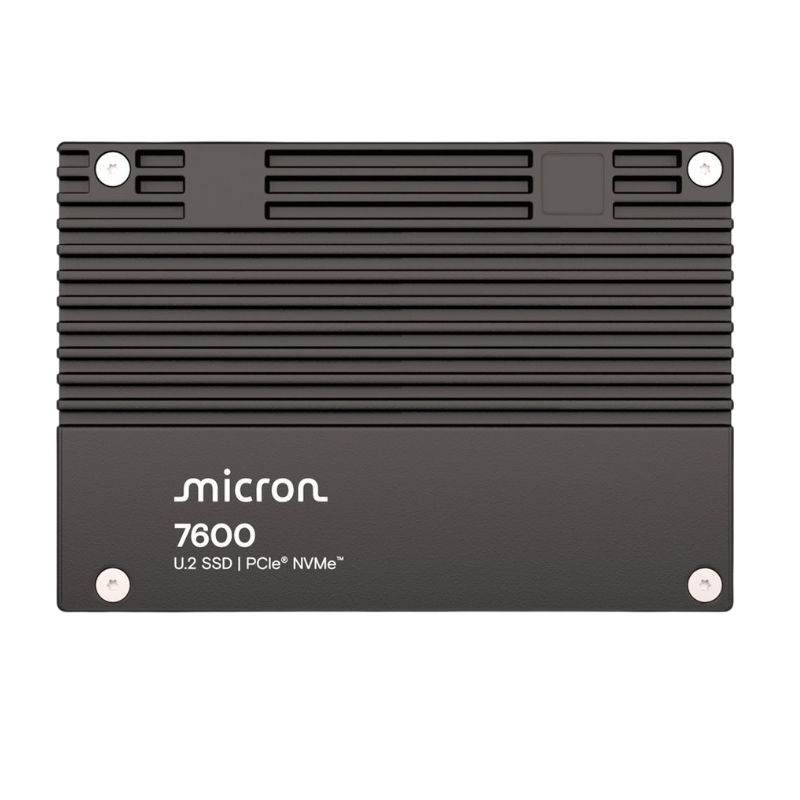


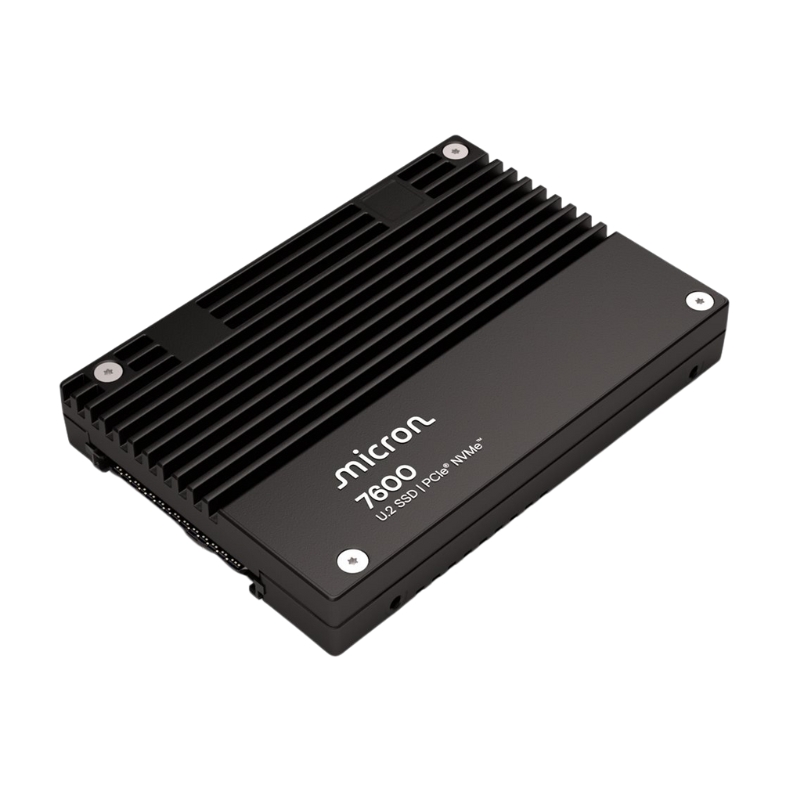
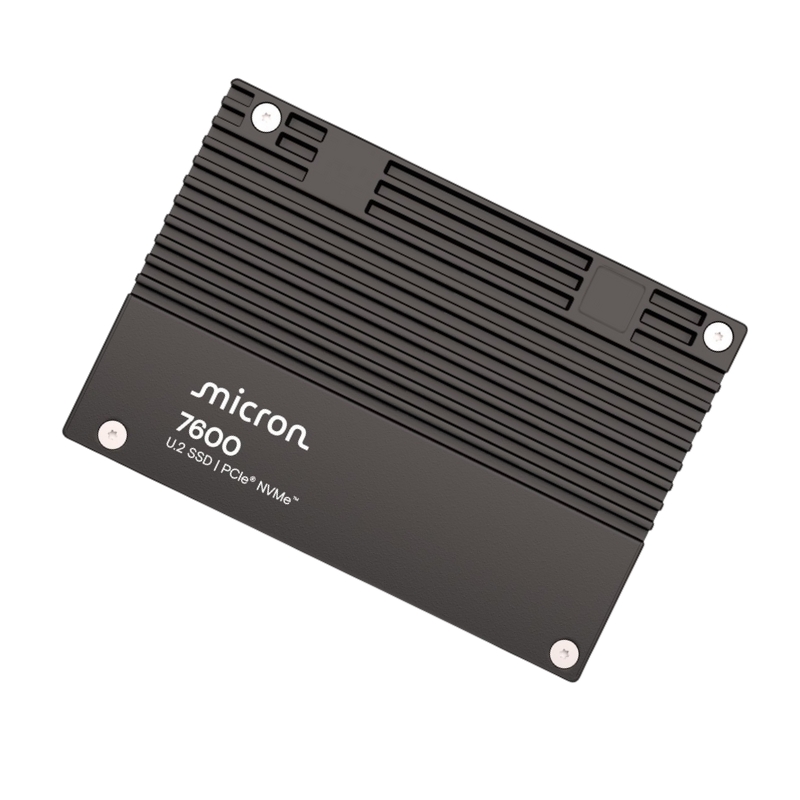
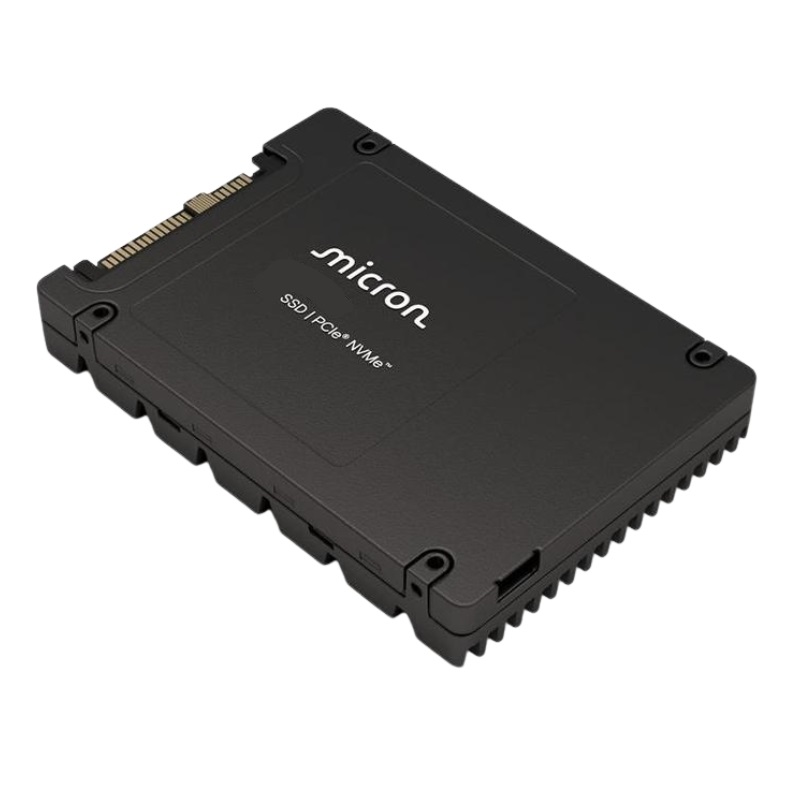
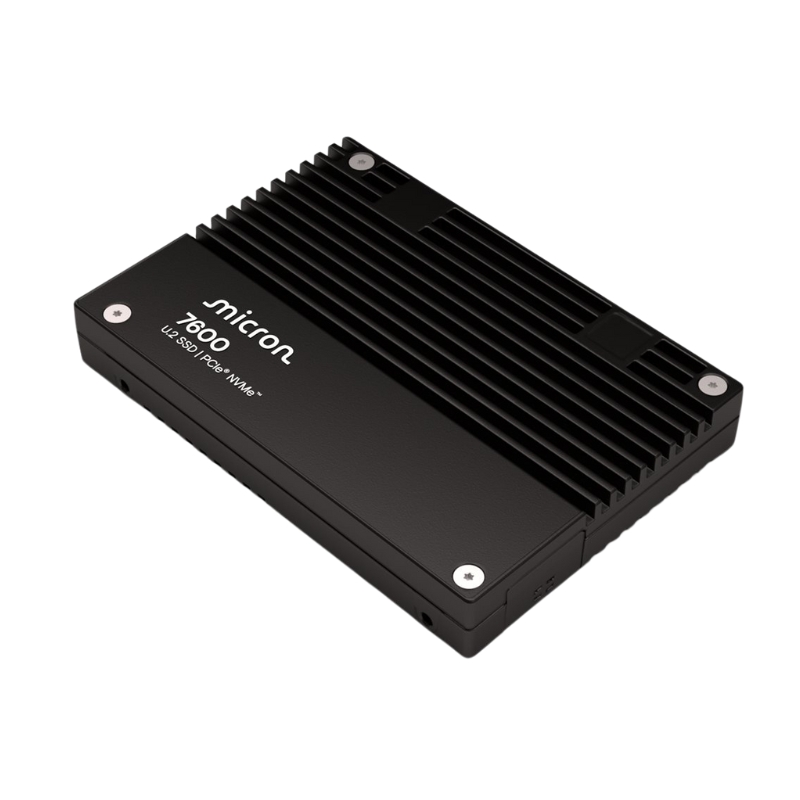
Micron MTFDLAL15T3THG-1BP1DFCYY 15.36TB NVMe U.2 2.5inch 15mm PCIe 7600 Pro Gen5 1x4 v2 TLC Solid State Drive. New Sealed in Box (NIB) with 3 years Replacement Warranty
The Micron MTFDLAL15T3THG-1BP1DFCYY is a high-capacity solid state drive engineered for enterprise-grade performance and reliability. With advanced PCIe Gen5 technology and NVMe v2.0 protocol, this drive ensures rapid data transfer speeds and exceptional endurance.
This category encompasses ultra–high-capacity enterprise solid state drives designed for data center, hyperscale, cloud service provider, and mission-critical storage environments where sustained performance, endurance, and reliability are mandatory. Products in this segment are engineered around NVMe protocols, U.2 form factors, and advanced PCI Express interfaces to support massive parallelism, low latency access, and consistent throughput under heavy workloads. The MICRON MTFDLAL15T3THG-1BP1DFCYY 15.36TB NVMe U.2 solid state drive belongs to a class of enterprise storage solutions optimized for next-generation infrastructure that demands both capacity density and performance scalability.
Within this category, drives are built to integrate seamlessly into rack-mounted servers, storage arrays, and composable infrastructure platforms. The focus is on delivering predictable quality of service while operating continuously under 24x7 duty cycles. This segment emphasizes compatibility with enterprise backplanes, hot-swap capabilities, and advanced firmware features that enable workload optimization across virtualized, containerized, and bare-metal environments.
High-capacity enterprise SSDs are engineered to address the exponential growth of structured and unstructured data. The 15.36TB capacity tier represents a strategic balance between storage density and manageable thermal and power characteristics. Drives in this category allow data centers to reduce rack footprint, lower total cost of ownership, and consolidate storage layers without compromising performance or reliability.
Architecturally, these drives leverage high-density TLC NAND flash memory arranged across multiple channels to maximize parallel data access. The controller firmware coordinates wear leveling, garbage collection, and error correction while maintaining consistent latency. This category targets environments where large datasets must remain immediately accessible, such as analytics platforms, AI training pipelines, content delivery networks, and transactional databases.
Enterprise NVMe U.2 drives in the 15mm height profile are designed to fit standard server chassis while delivering exceptional storage density. This allows organizations to deploy fewer physical devices to achieve the same or greater capacity, reducing cabling complexity and power distribution challenges. The category supports scale-up and scale-out architectures by providing uniform performance across large drive populations.
Density optimization also enables efficient tiering strategies. High-capacity NVMe SSDs can function as primary storage rather than secondary cache layers, enabling applications to operate directly on flash without the latency penalties associated with traditional spinning media or hybrid configurations.
The NVMe protocol forms the foundation of this category, offering a streamlined command set and deep queue depths optimized for solid state media. Unlike legacy protocols, NVMe minimizes CPU overhead and maximizes IOPS scalability, making it ideal for multi-core processors and high-throughput workloads. Drives in this category are designed to fully exploit the capabilities of PCI Express Gen5 interfaces.
PCIe Gen5 x4 connectivity provides substantial bandwidth headroom, allowing enterprise SSDs to deliver exceptional sequential and random performance. This ensures that storage does not become a bottleneck as processors, accelerators, and network interfaces continue to evolve. The category supports demanding applications that require sustained high throughput, such as real-time analytics, machine learning inference, and high-frequency transaction processing.
The U.2 2.5 inch form factor remains a cornerstone of enterprise storage design. It provides a standardized mechanical and electrical interface that supports hot-swapping, front-accessibility, and robust signal integrity. Drives in this category are designed to operate within dense server environments while maintaining optimal airflow and thermal performance.
The 15mm thickness specification allows for higher component density compared to thinner consumer drives. This additional space accommodates more NAND packages, enhanced power-loss protection components, and advanced thermal management solutions. The result is a drive that can sustain high workloads without throttling or reliability concerns.
Triple-level cell NAND flash technology plays a central role in this category by enabling high capacity at an optimized cost per terabyte. Enterprise-grade TLC NAND is carefully selected and managed through sophisticated firmware algorithms that maximize endurance and data integrity. This makes it suitable for a wide range of read-intensive and mixed-use workloads.
The use of TLC NAND in enterprise SSDs is complemented by advanced error correction codes and wear management techniques. These features ensure that data remains protected over billions of read and write cycles. The category benefits from continuous advancements in NAND fabrication processes that improve reliability and performance.
Endurance specifications in this category are designed to align with enterprise usage patterns. While TLC NAND offers higher density, firmware-level optimizations ensure that write amplification is minimized. This allows drives to sustain consistent performance across long operational periods.
Workload alignment is achieved through intelligent caching strategies and adaptive algorithms that respond to access patterns. This ensures that frequently accessed data is served quickly while background processes maintain overall drive health.
Enterprise SSD categories emphasize broad compatibility with industry-standard platforms. Drives are designed to work with leading server manufacturers, storage controllers, and operating systems. This ensures smooth integration into existing infrastructures and simplifies deployment planning.
Lifecycle management is another key consideration. Enterprise SSDs are supported by long-term availability, firmware update pathways, and predictable product lifecycles. This allows organizations to standardize on specific models and manage replacements without disruptive transitions.
Standardized interfaces and protocols ensure interoperability across a wide range of systems. The U.2 connector and NVMe specification enable plug-and-play deployment while maintaining enterprise-grade reliability and performance expectations.
Interoperability also extends to management tools and monitoring frameworks. Drives in this category support standardized reporting mechanisms that integrate with data center management software.


 Contact Us
 Information
 Catalog
 Solid State Drives (SSD)
 Network Switches
 Hard Disk Drives
 HBA & Controllers
 PC & Servers
 PC & Server Memory
 CPU & Processors
 Network Routers
 Power Supplies
 Tape Drives & Libraries
 Network Devices
 Computer & Network Cables