(7% discount is applied at checkout)
Cart is empty
Your go-to destination for cutting-edge server products
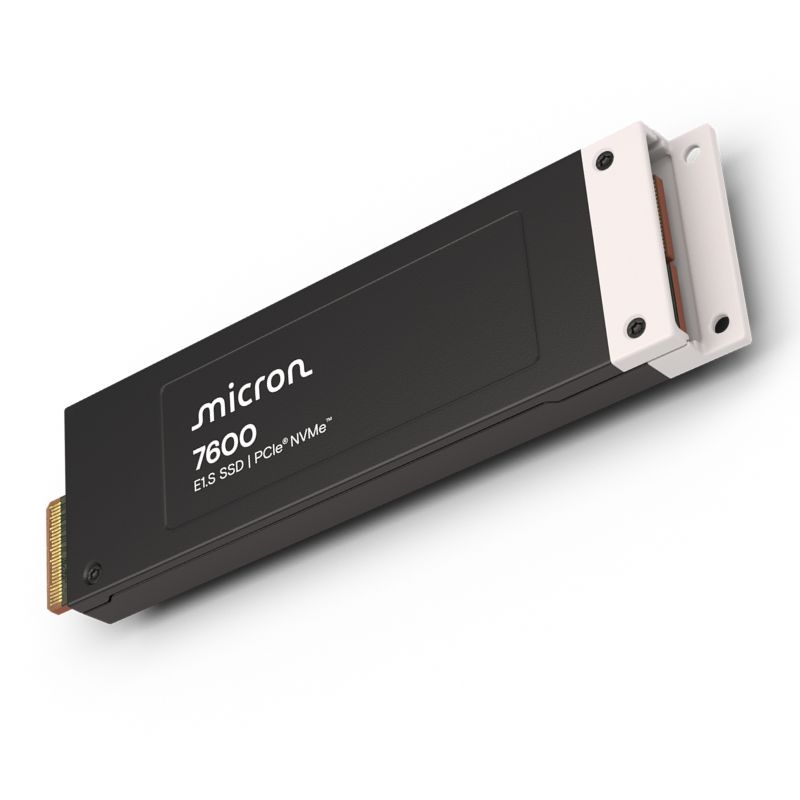


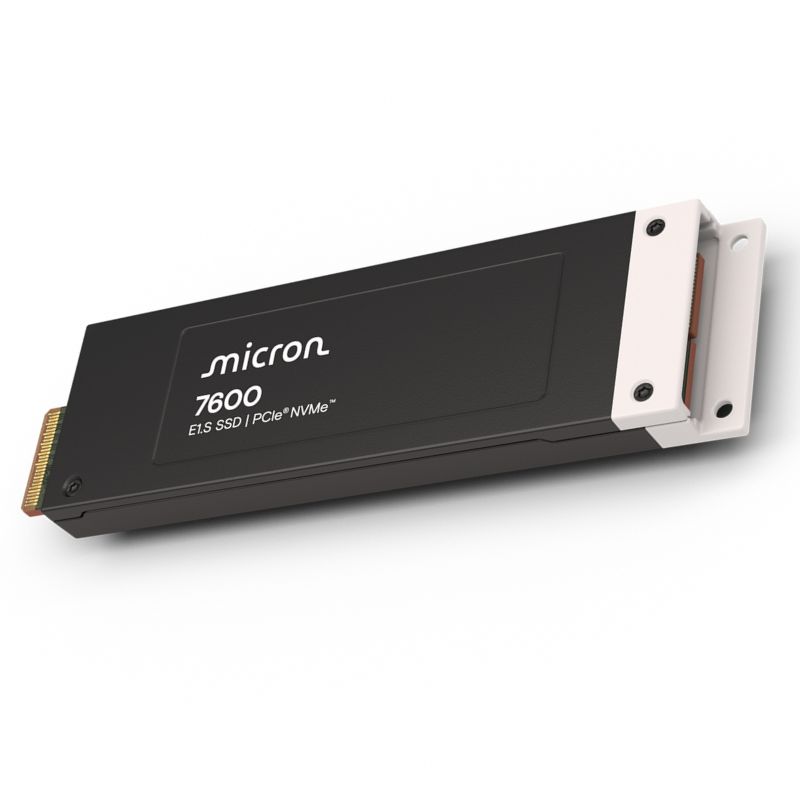
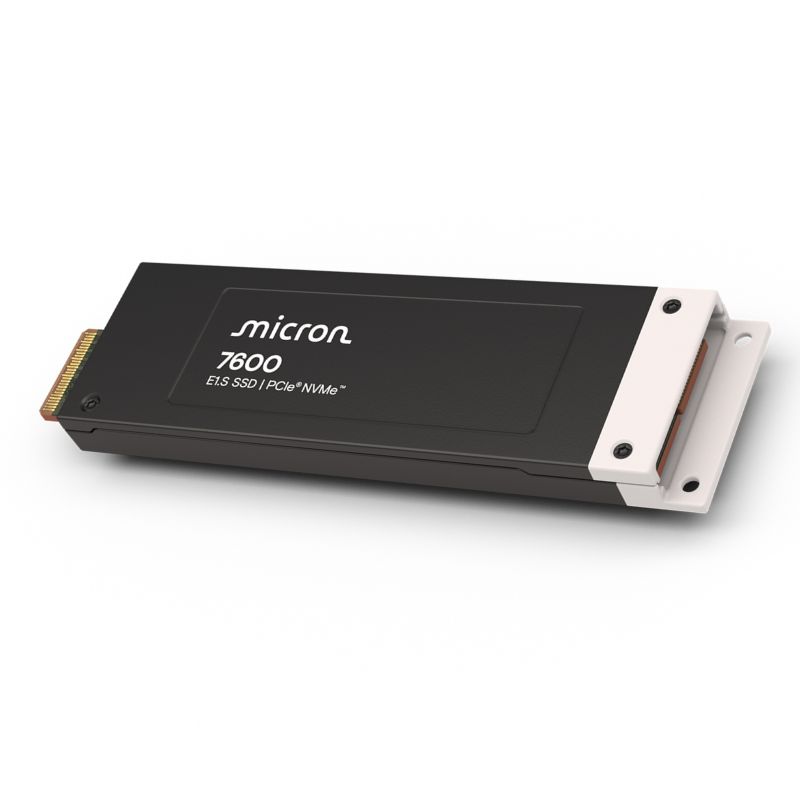
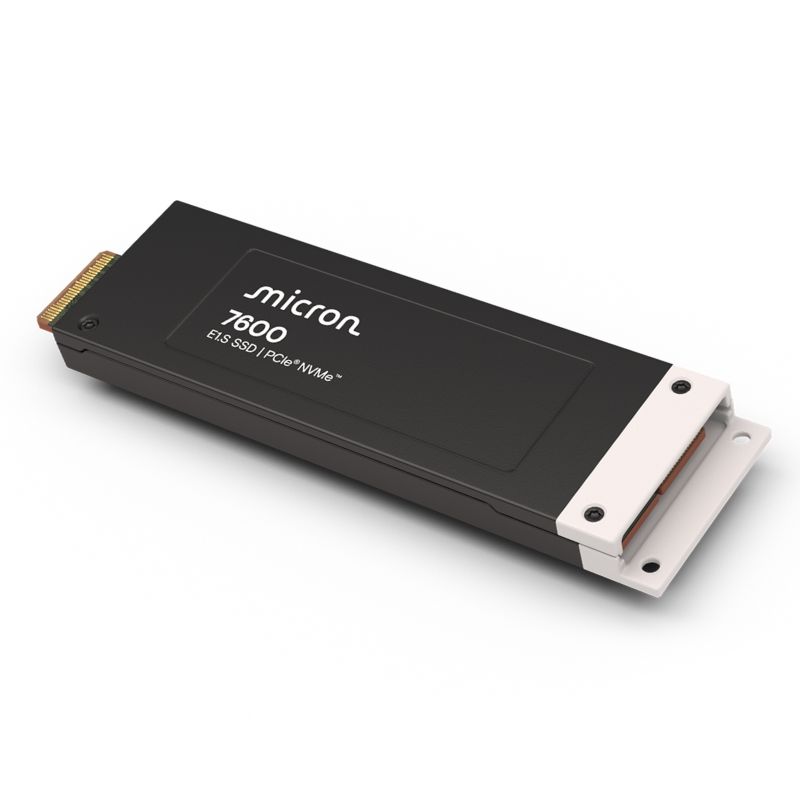
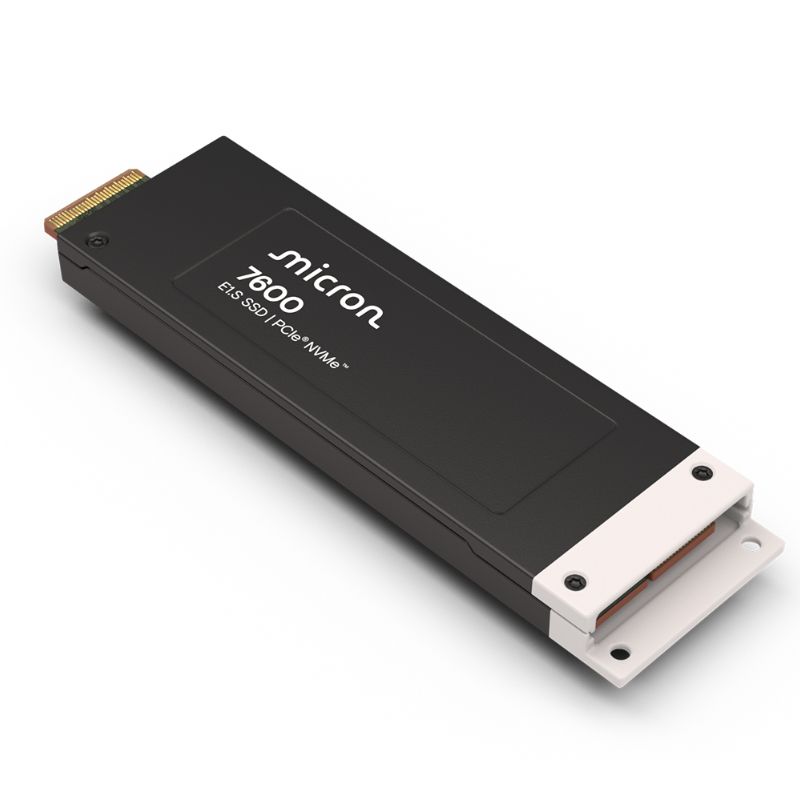
Micron MTFDLCE1T9THG-1BP1DFCYY 7600 Pro 1.92TB PCI Express NVMe SSD. New Sealed in Box (NIB) with 3 years Warranty
Overview of the Micron 1.92TB Solid State Drive
The enterprise PCIe NVMe solid state drive category represents a critical segment of modern data infrastructure, delivering high-speed, low-latency, and highly reliable storage solutions designed for data-intensive workloads. Within this category, the Micron 7600 Pro series, including the MTFDLCE1T9THG-1BP1DFCYY Micron 7600 Pro 1.92TB PCIe NVMe SSD, is positioned as a high-performance storage device engineered for enterprise servers, cloud computing environments, virtualization platforms, and AI-driven workloads. This category is characterized by its ability to replace traditional spinning hard drives and older SATA SSDs with significantly faster PCIe-based architectures, enabling next-generation computing systems to operate at optimal efficiency.
As digital transformation accelerates across industries, enterprise NVMe SSDs are increasingly deployed in hyperscale data centers, financial analytics platforms, real-time transaction processing systems, and machine learning training clusters. The demand for consistent throughput, predictable latency, and sustained IOPS performance places NVMe PCIe SSDs at the core of modern storage architecture.
The Micron 7600 Pro series is designed to serve as a balanced solution between extreme performance and enterprise-grade endurance. It targets workloads requiring consistent read and write performance without degradation under sustained heavy usage. The 1.92TB capacity variant provides an optimal balance for workloads that require high-speed caching, database acceleration, and active dataset processing.
In enterprise environments, storage hierarchy plays a crucial role in determining system efficiency. NVMe SSDs like the Micron 7600 Pro are typically deployed as primary hot-tier storage, sitting above SATA SSDs and HDD arrays. This tier is responsible for handling mission-critical workloads, including transactional databases, virtualization storage pools, and real-time analytics pipelines.
The PCIe interface enables direct communication between the storage device and the CPU, bypassing traditional storage bottlenecks associated with legacy SATA interfaces. The Micron 7600 Pro leverages a high-speed PCIe architecture to maximize bandwidth utilization and minimize latency overhead. This architecture is particularly beneficial in environments where microseconds matter, such as high-frequency trading systems and real-time AI inference engines.
NVMe (Non-Volatile Memory Express) is designed specifically for flash-based storage media. Unlike legacy protocols, NVMe supports multiple command queues and deep queue depths, allowing parallel processing of thousands of input/output operations simultaneously. This parallelism significantly enhances throughput performance, making NVMe SSDs essential for multi-threaded workloads and distributed computing systems.
The reduction in protocol overhead directly translates into faster application response times and improved system scalability, especially in cloud-native environments.
Enterprise SSDs in this category utilize advanced NAND flash memory technologies designed for endurance and performance stability. The Micron 7600 Pro series integrates high-density NAND structures that improve storage efficiency while maintaining data integrity under continuous operation.
At the heart of the drive lies an enterprise-grade controller responsible for managing wear leveling, garbage collection, error correction, and performance optimization. The controller ensures consistent performance across the drive’s lifespan, preventing performance degradation during sustained workloads.
The integration of firmware-level intelligence enables adaptive performance tuning based on workload patterns, ensuring optimal efficiency whether the drive is handling sequential reads or random write-heavy operations.
IOPS is a critical metric for evaluating enterprise SSD performance. The Micron 7600 Pro category is engineered to deliver extremely high random read and write IOPS, making it suitable for database indexing, virtualization environments, and cloud service infrastructures. High IOPS capability ensures minimal latency during peak demand periods.
Latency is minimized through optimized firmware pathways, direct PCIe communication, and efficient queue management. Lower latency translates into faster query responses in database systems and smoother performance in virtual machine environments.
Unlike consumer-grade SSDs, enterprise NVMe drives maintain consistent throughput under sustained workloads. This is essential for workloads such as continuous data ingestion, log processing, and large-scale analytics pipelines where performance consistency is more important than peak speed.
The 1.92TB capacity segment represents a strategic balance between density, performance, and cost efficiency. It is widely adopted in enterprise environments where storage workloads require both high-speed access and moderate-to-high capacity allocation.
This capacity is particularly useful in tiered storage architectures, where hot data sets are stored on NVMe drives while cold data is archived to slower storage systems. The 1.92TB configuration provides sufficient space for active datasets, caching layers, and performance-critical applications.
Enterprise SSDs are rated based on DWPD, which defines how much data can be written to the drive per day over its warranty period. High DWPD ratings ensure that the drive can sustain continuous write-heavy workloads without premature wear.
Advanced ECC (Error Correction Code) mechanisms are implemented to detect and correct data corruption at the NAND level. This ensures long-term data integrity and reduces the risk of silent data corruption in mission-critical systems.
Power loss protection mechanisms safeguard in-flight data during unexpected power interruptions. Enterprise NVMe SSDs typically include capacitors or firmware-based protection strategies that ensure data is safely committed to NAND memory before shutdown.
In cloud environments, NVMe SSDs are used to support virtual machines, containerized applications, and distributed storage systems. High-performance drives like the Micron 7600 Pro enable cloud providers to deliver consistent service-level agreements (SLAs).
AI workloads require rapid access to large datasets during training and inference stages. NVMe SSDs accelerate data loading times, reducing GPU idle time and improving overall computational efficiency.
Relational and NoSQL databases benefit significantly from NVMe storage due to improved query response times and reduced indexing latency. This is critical for financial systems, e-commerce platforms, and real-time analytics engines.
Virtualized environments rely heavily on storage performance. NVMe SSDs ensure that multiple virtual machines can operate simultaneously without I/O bottlenecks, improving server consolidation efficiency.
High-performance NVMe drives generate significant heat under load. Enterprise SSDs incorporate thermal throttling mechanisms and advanced heat distribution designs to maintain optimal operating temperatures and prevent performance degradation.
Power efficiency is a key consideration in data center environments where thousands of drives operate simultaneously. NVMe SSDs are designed to maximize performance per watt, reducing operational costs and improving sustainability.
The Micron 7600 Pro category is designed for compatibility with modern server platforms that support NVMe over PCIe interfaces. It integrates seamlessly with enterprise RAID controllers, storage virtualization layers, and software-defined storage architectures.
It is commonly deployed in rack-mounted servers, blade servers, and hyperconverged infrastructure nodes where scalability and performance are critical.
Enterprise SSDs often support hardware-based encryption standards to protect sensitive data at rest. These encryption mechanisms operate without impacting performance, ensuring both security and efficiency.
Secure erase functionality allows organizations to safely decommission drives while ensuring data cannot be recovered. This is essential for compliance with data privacy regulations and enterprise security policies.
Within the enterprise NVMe SSD landscape, the Micron 7600 Pro series is positioned as a balanced solution between ultra-high endurance drives and performance-focused caching SSDs. It provides a combination of consistent throughput, moderate latency, and enterprise-grade reliability suitable for a wide range of workloads.
Compared to entry-level NVMe drives, enterprise-class SSDs offer significantly higher endurance ratings, improved firmware intelligence, and better sustained performance under continuous workloads.
Scalability is a key requirement in modern data centers. NVMe SSDs are deployed in large-scale storage clusters where hundreds or thousands of drives operate in parallel. The architecture of the Micron 7600 Pro supports seamless scaling without compromising performance consistency.
This scalability enables organizations to expand storage capacity dynamically as data demands grow, ensuring long-term infrastructure flexibility.
Enterprise SSDs are optimized to handle both sequential and random workloads efficiently. Sequential workloads benefit from high throughput, while random workloads rely on low latency and high IOPS capabilities.
NVMe architecture allows deep queue depths, enabling multiple simultaneous operations. This is particularly beneficial for database systems and virtualization environments where concurrent I/O requests are common.
Lifecycle management is a key consideration in enterprise storage deployment. SSDs are designed to maintain performance consistency throughout their operational lifespan, even under heavy write conditions.
Wear leveling algorithms distribute writes evenly across NAND cells, extending the usable life of the drive and ensuring predictable performance over time.
Modern data centers prioritize efficiency in terms of space, power, and cooling. NVMe SSDs significantly reduce physical storage footprint compared to traditional HDD arrays while delivering vastly superior performance.
This efficiency translates into lower operational costs, reduced energy consumption, and improved rack density.
The evolution of enterprise storage has shifted from mechanical drives to flash-based NVMe architectures. This transition is driven by increasing data volumes, real-time analytics requirements, and AI-driven workloads.
As NVMe technology continues to evolve, future generations are expected to deliver even higher bandwidth, lower latency, and improved energy efficiency, further strengthening their role in enterprise infrastructure.


 Contact Us
 Information
 Catalog
 Solid State Drives (SSD)
 Network Switches
 Hard Disk Drives
 HBA & Controllers
 PC & Servers
 PC & Server Memory
 CPU & Processors
 Network Routers
 Power Supplies
 Tape Drives & Libraries
 Network Devices
 Computer & Network Cables