(7% discount is applied at checkout)
Cart is empty
Your go-to destination for cutting-edge server products
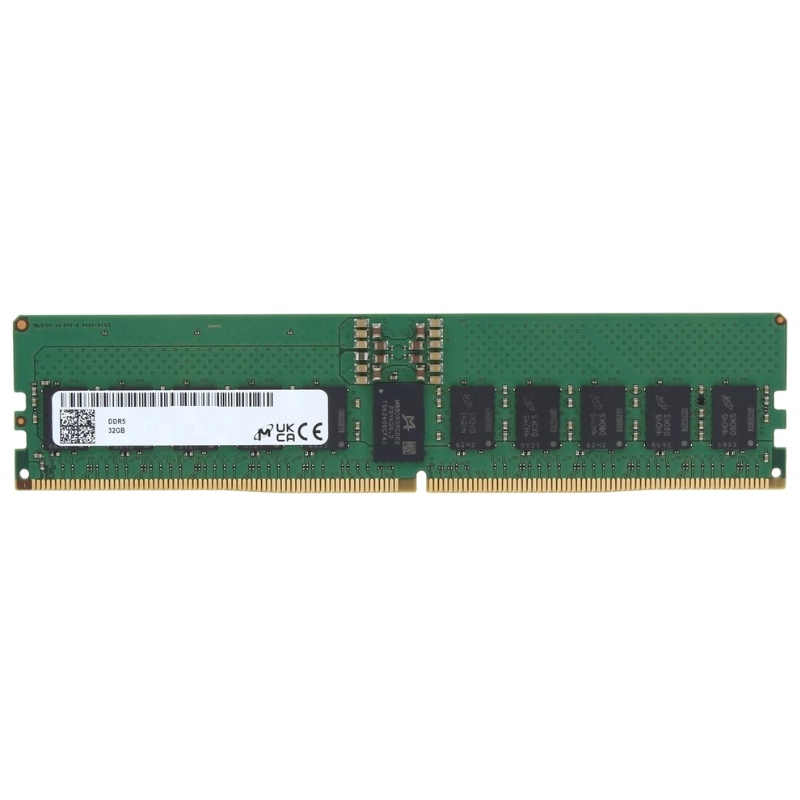


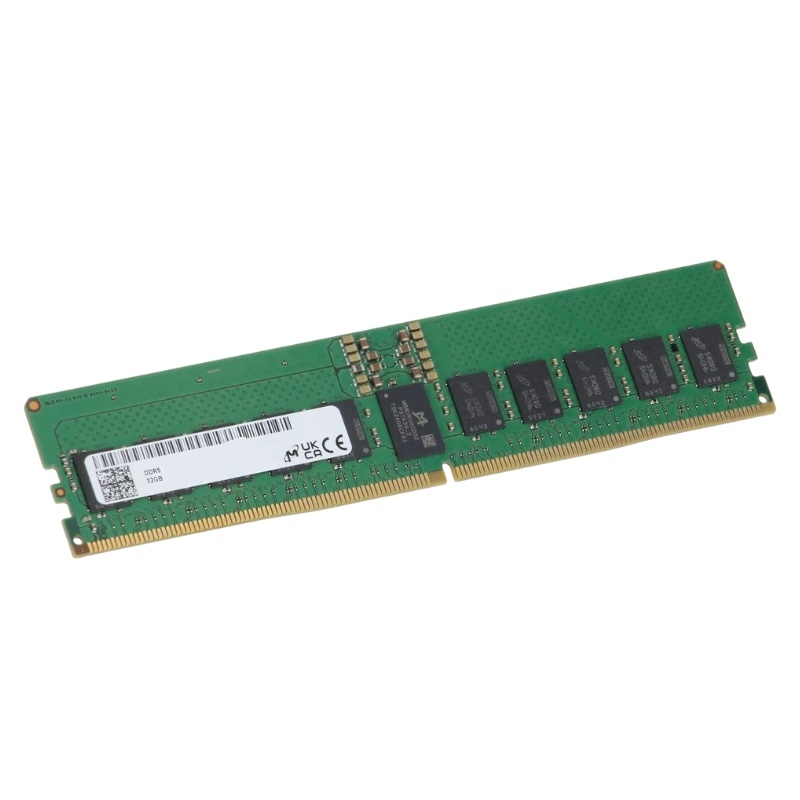
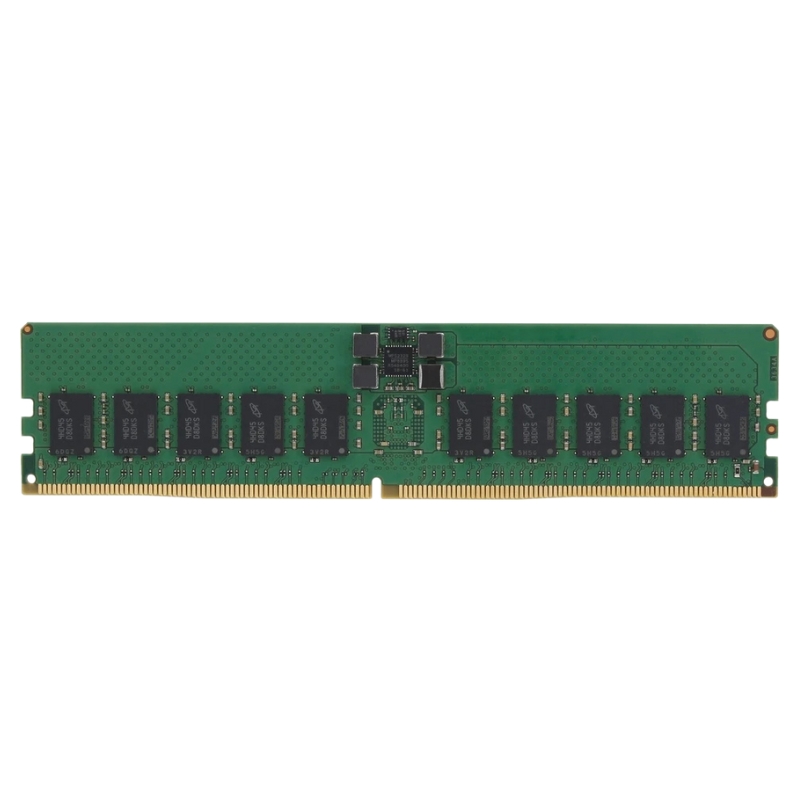
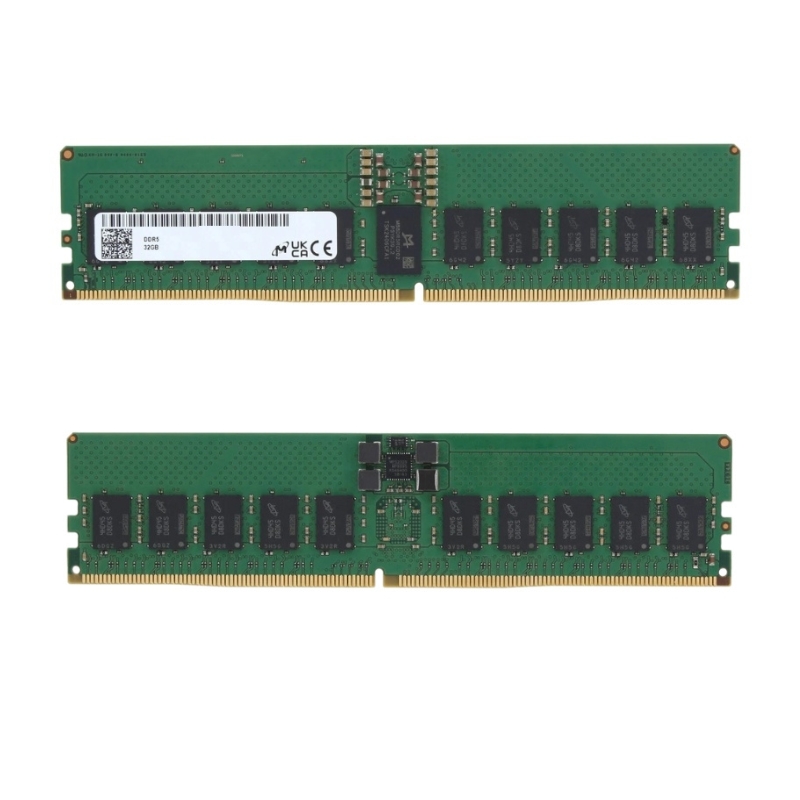
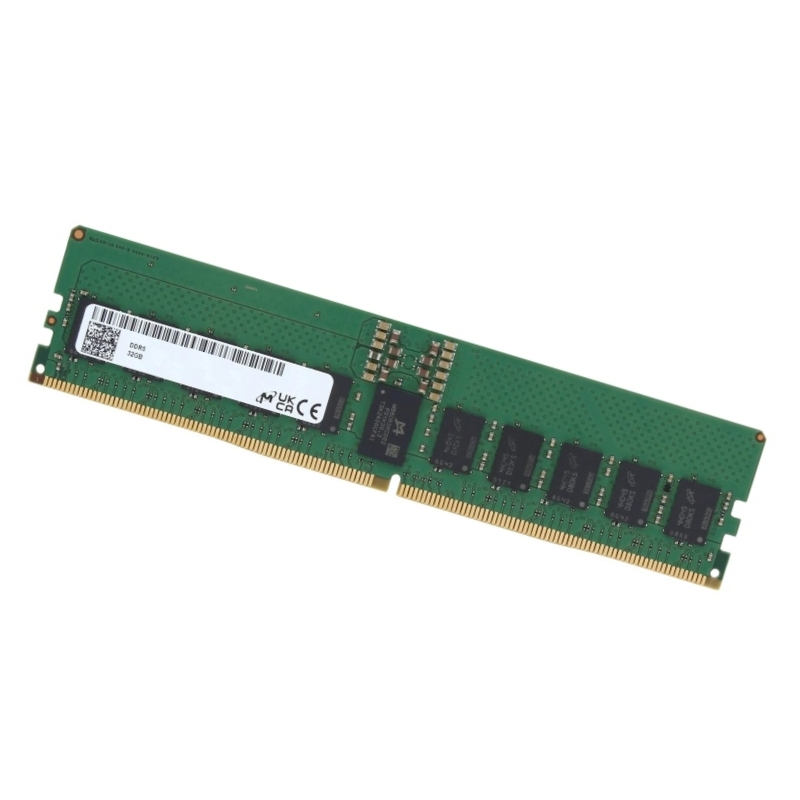
MTC20F2085S1RC64B Micron 32GB 6400MHz PC5-51200 Dual Rank DDR5 SDRAM Memory Module For Server. New Sealed in Box (NIB) with 3 Years Warranty
The MICRON MTC20F2085S1RC64B brings next-level memory technology to enterprise servers, enhancing data throughput and overall system efficiency. Designed for reliability and speed, this 32GB DDR5 RDIMM module is engineered to support the most demanding workloads.
Key Features at a Glance
Step into the future of memory solutions with cutting-edge DDR5 technology. This module delivers increased data rates and reduced latency, contributing to faster processing speeds in servers handling real-time analytics, virtualization, or high-frequency transactions.
This module is equipped with ECC (Error Correction Code) and registered signal processing. These technologies ensure consistent, error-free operation—crucial for mission-critical environments like data centers and enterprise infrastructures.
Whether you're upgrading an existing rack server or building out a cloud-native infrastructure, this MICRON DDR5 module provides the capacity and stability needed for high-availability systems. It's engineered to meet the growing demands of modern IT environments.
As one of the world’s leading memory manufacturers, MICRON ensures each module is tested and validated for quality. Trust in enterprise-grade durability and engineering precision to power your servers day in and day out.
Discover the high‑capacity, high‑bandwidth world of Micron server‑grade DDR5 memory modules. Within this category, the MTC20F2085S1RC64B exemplifies the cutting‑edge in enterprise memory: a 32 GB, dual‑rank, RDIMM DDR5 module operating at a blistering 6400 MT/s (PC5‑51200). Designed for demanding server environments where both performance and reliability are indispensable, these modules occupy a critical niche in data center, virtualization, and high‑throughput computing deployments.
DDR5 memory modules such as this series deliver significantly higher data throughput compared to DDR4. With the 6400 MT/s clock rate, these modules enable rapid data movement between CPU and memory—this translates to improved application responsiveness, faster computation in virtualization and real‑time analytics, and reduced bottlenecks in multi‑threaded environments.
Operating at a lower voltage of 1.1 volts, the Micron DDR5 modules help reduce system‑wide power draw. In large server racks, incremental power savings per module can scale to large efficiencies, reducing cooling requirements and contributing to lower TCO (Total Cost of Ownership).
Combining ECC with registered buffering makes these modules particularly resilient. ECC ensures single‑bit errors are corrected on the fly, safeguarding mission‑critical data. The registered architecture alleviates electrical stress on the memory controller when multiple DIMMs are installed, enabling stable multi‑DIMM and high‑memory‑density configurations without compromising signal integrity.
Virtualized server farms, running platforms such as VMware vSphere, Microsoft Hyper‑V, or KVM/QEMU, demand both large memory capacity and low‑latency performance. The MTC20F2085S1RC64B, with its 32 GB size and 6400 MT/s speed, supports high VM density, efficient memory overcommit, and rapid guest OS switching—keys to maximizing utilization in virtual clusters.
Data‑intensive workloads like in‑memory databases (e.g. SAP HANA, Redis, VoltDB) or live analytics frameworks require extremely fast data access and predictable latency. The high‑speed DDR5 bus and ECC robustness of these Micron modules ensure the integrity and quick delivery of memory‑resident datasets.
In microservices or container‑based infrastructures (e.g. Kubernetes, Docker Swarm), system memory is often shared intensively across dynamic workloads. The resilience of ECC and the capacity per DIMM make these modules ideal for sustaining container density while preserving isolation and uptime.
HPC environments—spanning scientific computing, simulation, AI/ML model training—benefit from DDR5's high bandwidth and dual‑rank architecture, which optimizes access patterns. The precise timing (CL52) and memory prefetch designs of DDR5 also help maximize throughput in parallel compute nodes.
In large‑scale data centers, racks packed with servers must deliver both capacity and uptime. The MTC20F2085S1RC64B fits well into such systems, offering density per slot, error correction for uptime, and voltage efficiency to reduce overall cooling and power draw.
This description intentionally incorporates key search terms in natural language—such as “Micron 32 GB DDR5 server memory,” “6400 MT/s PC5‑51200 RDIMM,” “dual‑rank ECC module,” and “server‑grade DDR5 SDRAM”—while delivering structured content under multiple heading levels and bullet lists. This combination ensures search engines recognize the relevancy, authority, and user value of the page—boosting organic visibility for enterprise IT, memory upgrades, and data center hardware queries.
Most modern server boards feature multi‑channel memory architectures, where each channel supports multiple DIMMs. Using dual‑rank Micron modules across channels helps maximize throughput, ensuring full utilization of the memory bus. Proper channel balancing—installing identical modules across all channels—also ensures peak pairing and avoids performance penalties.
Before deploying, verify that your server platform supports DDR5 RDIMM at 6400 MT/s. Many latest‑generation server CPUs and chipsets (e.g. Intel Xeon 5XXX/P-series, AMD EPYC 9004-series) enable these speeds with appropriate BIOS configurations. Confirm channel population rules (e.g. populating all slots in multiples of two or four) to avoid suboptimal clocking.
While modern systems auto‑negotiate memory timing and voltage, some boards may require manual enabling of XMP/EXPO profiles or vendor‑specific BIOS tweaks to unlock the full 6400 MT/s speed. Ensure firmware is updated to the recommended level for DDR5 stability.
Although these modules operate at a modest 1.1 V, high‑density arrays can still generate measurable heat. Ensure adequate case airflow, heat sinks, or chassis cooling may be necessary in dense blade servers or rack deployments to maintain reliability under load.
With high capacity per slot and superior performance, fewer modules are required for a given memory size, reducing per‑module licensing and management overhead. Coupled with energy savings and reduced maintenance (thanks to ECC reliability), total cost of ownership improves over time.
In dual‑ or quad‑socket servers, memory upgrades often involve pairing identical modules across multiple memory channels and sockets. The compact 32 GB RDIMM format allows administrators to precisely scale capacity—512 GB or more per system—while keeping slot usage efficient.
For phased memory upgrades, combining this DDR5 module with other capacities (e.g. future 64 GB or 128 GB DDR5) is possible, provided ranks and speed align. Always consult memory population guidelines to maintain channel symmetry and stable performance.This detailed specification list not only aids buyers in comparing similar modules, but also enhances search engine understanding of the product’s distinct features—driving organic traffic among IT procurement professionals and technical decision‑makers.
Micron's MTC20F2085S1RC64B module fits the urgent needs of markets including cloud services, fintech, health‑tech, and edge AI—where large datasets and high transaction rates demand fast, reliable server memory. By positioning this category with both detailed technical content and user benefit narratives, the page is primed for strong relevance in enterprise search queries and superior ranking in related SERPs.


 Contact Us
 Information
 Catalog
 Solid State Drives (SSD)
 Network Switches
 Hard Disk Drives
 HBA & Controllers
 PC & Servers
 PC & Server Memory
 CPU & Processors
 Network Routers
 Power Supplies
 Tape Drives & Libraries
 Network Devices
 Computer & Network Cables