(7% discount is applied at checkout)
Cart is empty
Your go-to destination for cutting-edge server products
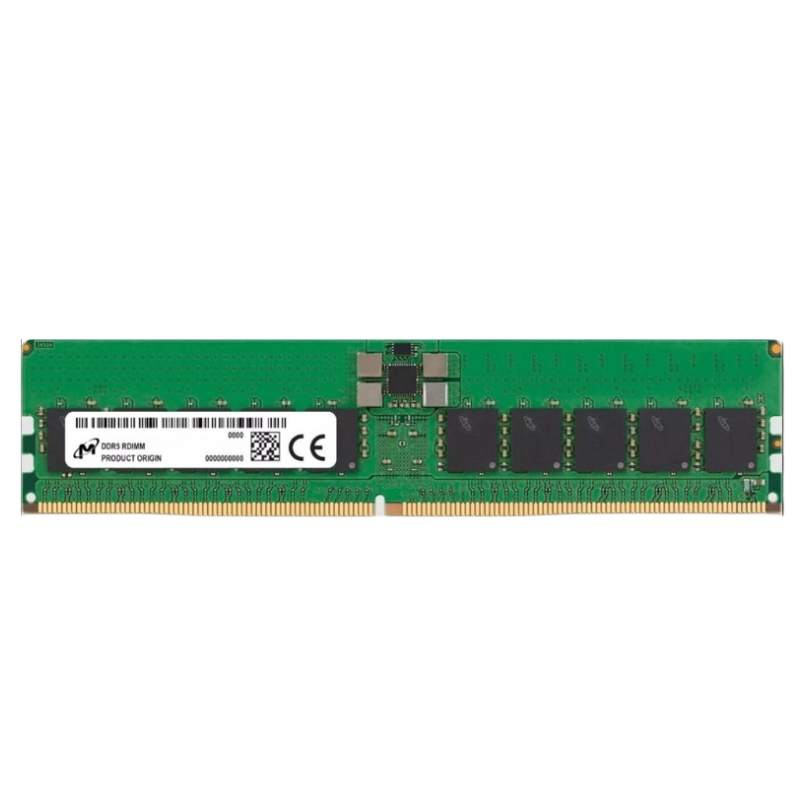


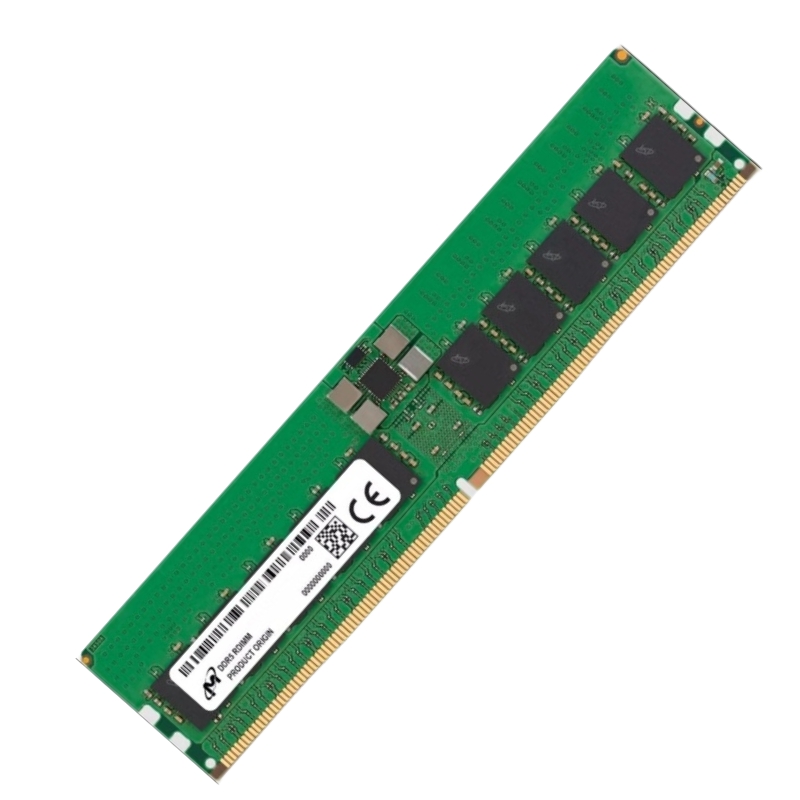
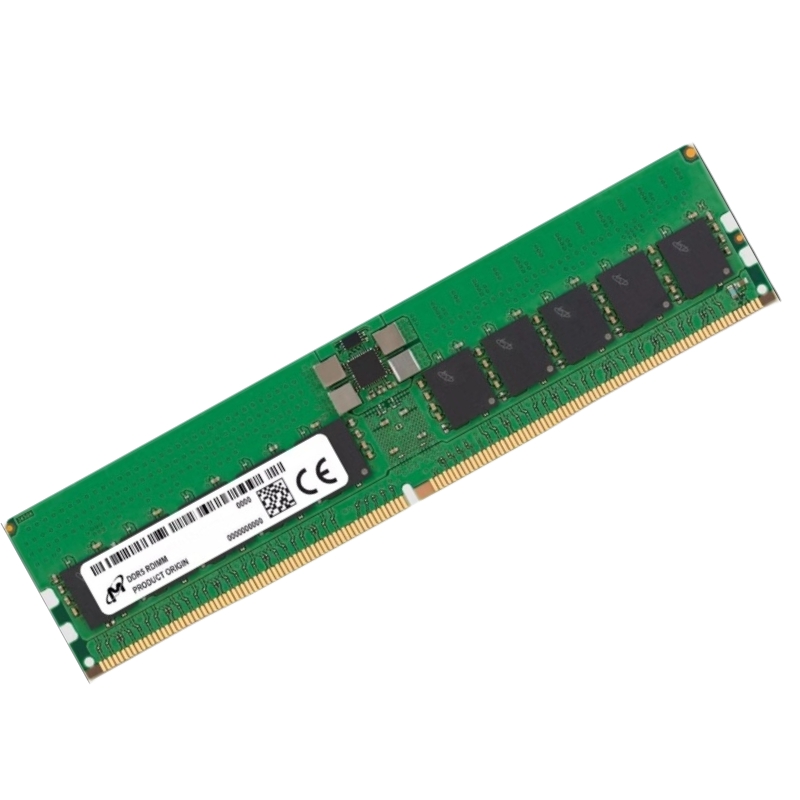
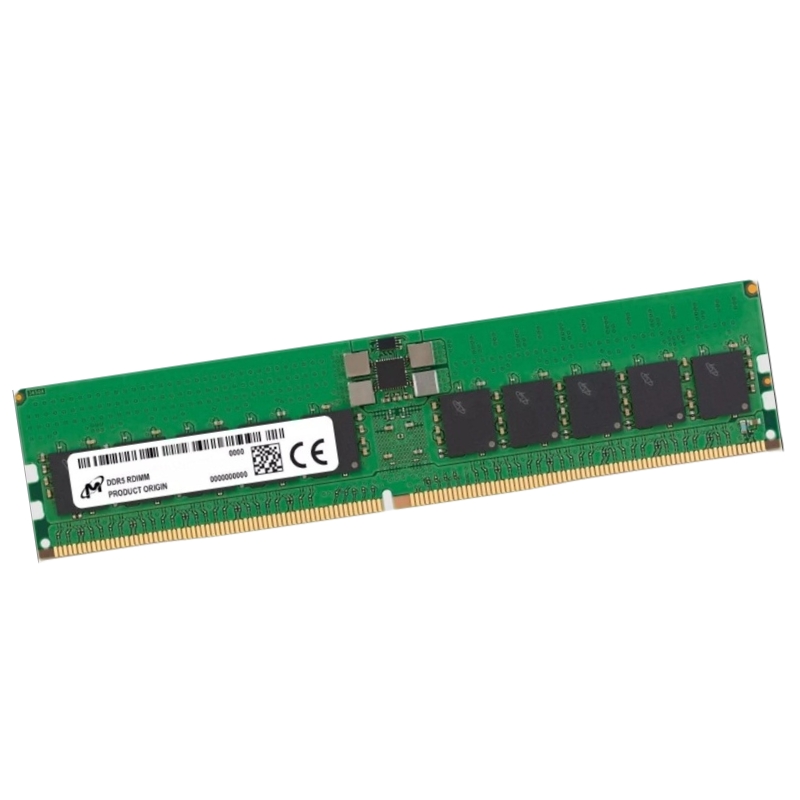
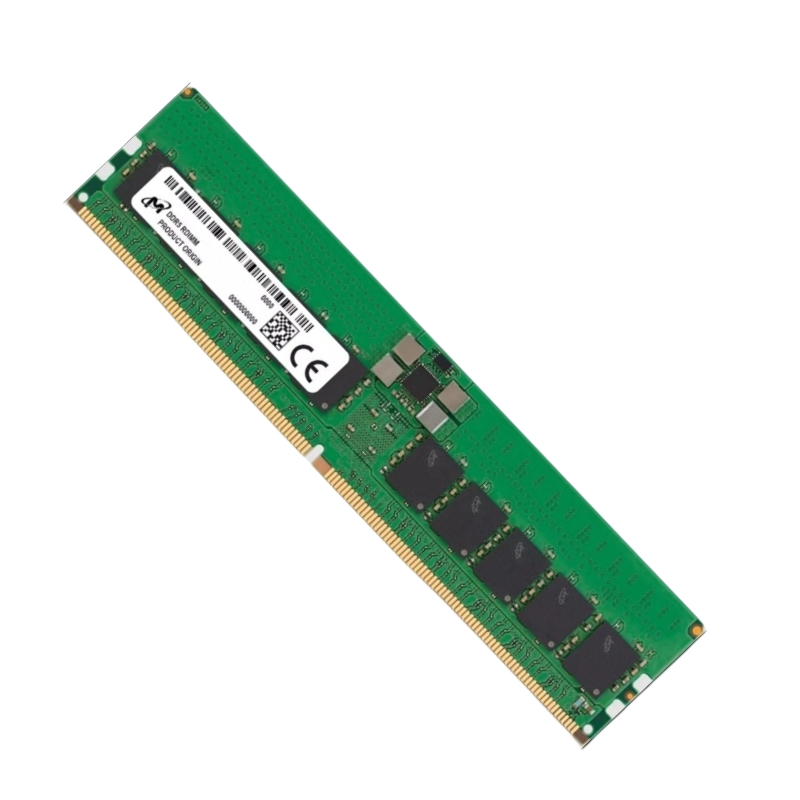
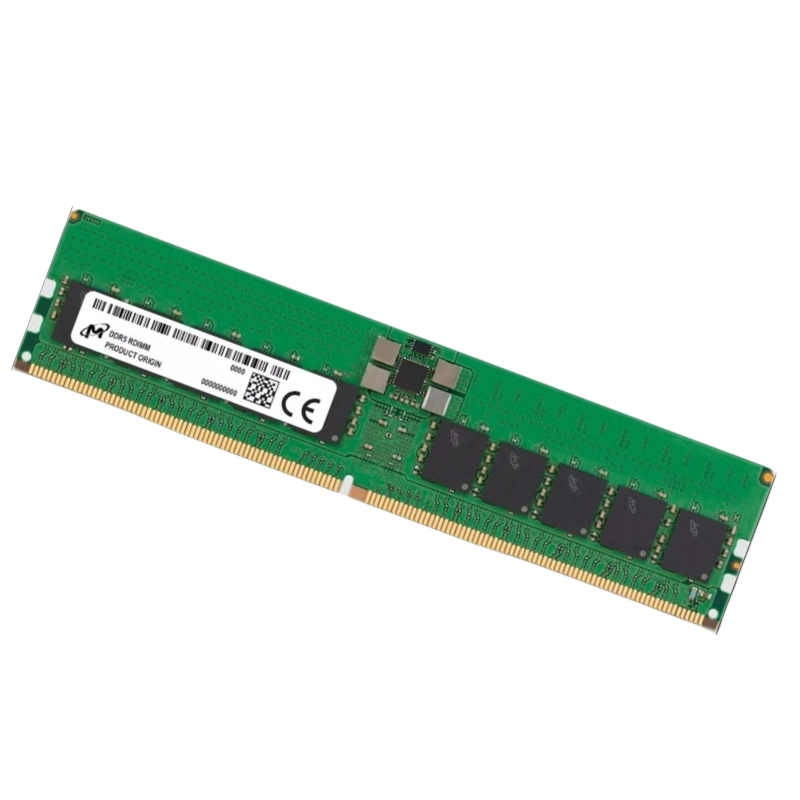
Micron MTC20F208XS1RC48BT 48GB DDR5 Memory Module 4800mt/s PC5-38400 ECC Registered Dual Rank DIMM 288-Pin. New Sealed in Box (NIB) with 3 Year Warranty
The Micron MTC20F208XS1RC48BT is a high-performance 48GB DDR5 4800MT/s PC5-38400 Registered DIMM designed for enterprise-grade servers and mission-critical workloads. This advanced memory module delivers exceptional speed, reliability, and efficiency for modern data centers.
The enterprise DDR5 server memory category represents a critical foundation for modern data center computing, cloud infrastructure, virtualization platforms, and mission-critical workloads. This category is designed to support the performance, reliability, and scalability demands of next-generation servers powered by the latest CPU architectures. DDR5 technology significantly advances memory bandwidth, density, and power efficiency compared to DDR4, making it the preferred choice for organizations upgrading server platforms or deploying new systems optimized for high-core-count processors.
Within this category, ECC Registered DIMMs play a vital role in ensuring data integrity, operational stability, and predictable performance. These modules are purpose-built for enterprise servers, workstations, and mission-critical environments where uptime, error correction, and sustained throughput are non-negotiable requirements. DDR5 RDIMM memory introduces architectural improvements such as on-die ECC, increased bank groups, and improved signaling, all of which contribute to higher reliability and efficiency under heavy workloads.
Micron is globally recognized as a leader in memory and storage innovation, with decades of experience manufacturing DRAM solutions for enterprise, industrial, and hyperscale environments. The Micron MTC20F208XS1RC48BT 48GB DDR5 memory module reflects Micron’s commitment to quality, compatibility, and long-term reliability. Every module in this category is engineered using premium DRAM components, rigorous validation processes, and strict adherence to JEDEC standards.
Micron enterprise memory modules are designed to integrate seamlessly into server platforms from major OEMs and motherboard manufacturers. Compatibility testing ensures stable operation across a wide range of chipsets and processor generations. This focus on interoperability reduces deployment risks and simplifies infrastructure upgrades for IT teams managing complex environments.
DDR5 memory operating at 4800MT/s delivers a substantial increase in memory bandwidth compared to previous generations. This speed is particularly important for modern servers equipped with high-core-count CPUs that require rapid access to memory to avoid bottlenecks. The PC5-38400 data rate classification highlights the module’s ability to sustain high throughput across multiple channels.
Higher bandwidth benefits workloads such as virtualization, database processing, analytics, and AI inference, where memory access patterns are intensive and latency sensitive. By providing faster data transfer between the processor and memory subsystem, DDR5 4800MT/s modules help maintain consistent performance even under peak demand.
In multi-socket server configurations, memory bandwidth scalability is essential. DDR5 architecture allows for improved channel utilization and parallelism, enabling servers to scale efficiently as memory capacity increases. This ensures that adding more memory does not compromise performance but instead enhances overall system throughput.
The 48GB capacity offered by this DDR5 RDIMM category provides an optimal balance between density and flexibility. This capacity is particularly valuable for servers that need to maximize memory per slot while maintaining compatibility with standard DIMM configurations. It allows system architects to build high-capacity memory configurations without requiring excessive DIMM counts.
Higher per-module density simplifies server design by freeing up memory slots, reducing power consumption, and improving airflow within the chassis. This is especially beneficial in dense rack environments where thermal efficiency and physical space are critical considerations.
In virtualized infrastructures, memory capacity directly impacts the number of virtual machines that can be hosted on a single server. A 48GB DDR5 module enables higher VM density, smoother workload isolation, and improved resource allocation. This results in better hardware utilization and lower total cost of ownership for enterprises running large virtual environments.
Error Correcting Code Registered DIMMs are a cornerstone of enterprise server reliability. ECC functionality detects and corrects single-bit memory errors, preventing data corruption and system crashes. Registered memory further enhances stability by buffering address and command signals, reducing electrical load on the memory controller.
This architecture is essential for large memory configurations where signal integrity becomes increasingly complex. ECC RDIMM modules allow servers to operate with higher memory capacities while maintaining consistent performance and error resilience.
DDR5 technology introduces on-die ECC, which works alongside traditional system-level ECC to provide multiple layers of error protection. This dual-layer approach enhances data integrity and ensures that transient errors do not propagate through the system, making DDR5 RDIMMs particularly well suited for critical applications.
Dual rank DDR5 memory modules feature two independent sets of memory banks that can be accessed alternately by the memory controller. This design improves memory efficiency by allowing one rank to be accessed while the other prepares for the next operation. The result is improved throughput and reduced latency under multi-threaded workloads.
Dual rank configurations are especially advantageous in server environments where parallel processing and sustained memory access are common. They enable better utilization of memory channels and help maintain performance consistency during heavy workloads.
Servers equipped with dual rank DDR5 modules can achieve higher effective memory bandwidth compared to single rank alternatives. This is particularly beneficial in applications such as database servers, enterprise resource planning systems, and in-memory analytics platforms that rely on continuous memory access.
DDR5 memory introduces several power management enhancements designed to reduce overall energy consumption. Operating at lower voltages than DDR4, DDR5 modules help decrease power draw while delivering higher performance. Integrated power management circuits on the module itself further improve efficiency and stability.
Lower power consumption translates into reduced heat generation, which is critical for maintaining optimal operating temperatures in dense server environments. Improved thermal characteristics contribute to longer component lifespan and lower cooling costs.
For large-scale data centers, incremental improvements in memory power efficiency can result in significant energy savings. DDR5 RDIMM modules support sustainability initiatives by reducing power usage per workload, helping organizations meet energy efficiency goals without compromising performance.
The 288-pin DIMM form factor is the standard interface for DDR5 server memory modules. This design ensures compatibility with modern server motherboards and processor platforms that support DDR5 technology. The standardized pin layout simplifies upgrades and ensures consistent electrical characteristics across compatible systems.
Server integrators and IT administrators benefit from predictable compatibility, allowing them to deploy memory upgrades with confidence. The form factor also supports advanced signaling features required for high-speed DDR5 operation.
Enterprise DDR5 RDIMMs are validated across a wide range of server platforms to ensure reliable operation. This includes compatibility with leading CPU families and chipset designs, enabling seamless integration into new and existing infrastructure.
This DDR5 memory category is ideally suited for a wide array of enterprise workloads. Database servers benefit from increased bandwidth and capacity, enabling faster query processing and improved transaction handling. Virtualization platforms gain higher VM density and smoother resource management.
High-performance computing workloads, including scientific simulations and data modeling, leverage DDR5’s increased throughput to accelerate computations. AI and machine learning applications benefit from faster data access, reducing training and inference times.
In cloud environments, memory performance directly impacts service quality and scalability. DDR5 RDIMM modules support the high concurrency and dynamic workloads typical of cloud platforms, enabling providers to deliver consistent performance across diverse applications.
Enterprise memory must operate continuously under demanding conditions. ECC Registered DDR5 modules are engineered to deliver consistent performance with minimal error rates, even in 24/7 operational environments. This reliability is essential for financial systems, healthcare platforms, and other mission-critical applications.
Micron’s focus on long-term availability and lifecycle management ensures that enterprise customers can maintain consistent configurations over extended periods. This reduces the complexity of hardware refresh cycles and supports stable infrastructure planning.
As server architectures continue to evolve, memory scalability remains a key consideration. DDR5 RDIMM modules provide a future-ready foundation that supports increasing core counts, higher memory capacities, and emerging workloads. The architectural enhancements of DDR5 ensure that systems can scale without encountering memory bottlenecks.
Organizations investing in DDR5 memory today position themselves to take advantage of future processor advancements and software innovations. This forward compatibility protects infrastructure investments and supports long-term growth strategies.
DDR5 memory is a critical component of next-generation server platforms, enabling higher performance per watt and improved workload efficiency. This category supports the transition to advanced computing models, including edge computing, hybrid cloud, and AI-driven analytics.


 Contact Us
 Information
 Catalog
 Solid State Drives (SSD)
 Network Switches
 Hard Disk Drives
 HBA & Controllers
 PC & Servers
 PC & Server Memory
 CPU & Processors
 Network Routers
 Power Supplies
 Tape Drives & Libraries
 Network Devices
 Computer & Network Cables