(7% discount is applied at checkout)
Cart is empty
Your go-to destination for cutting-edge server products
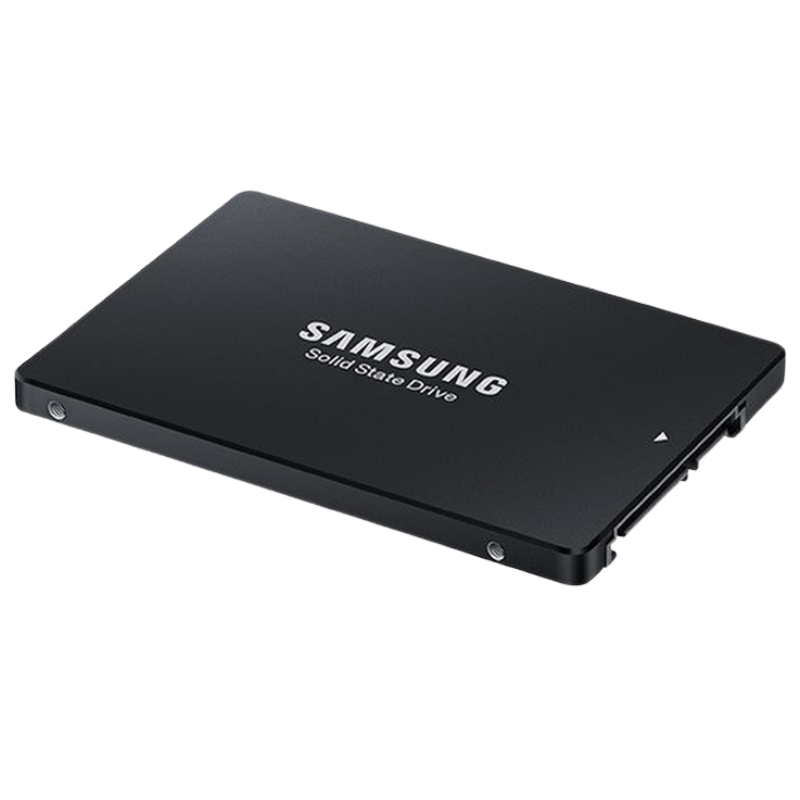


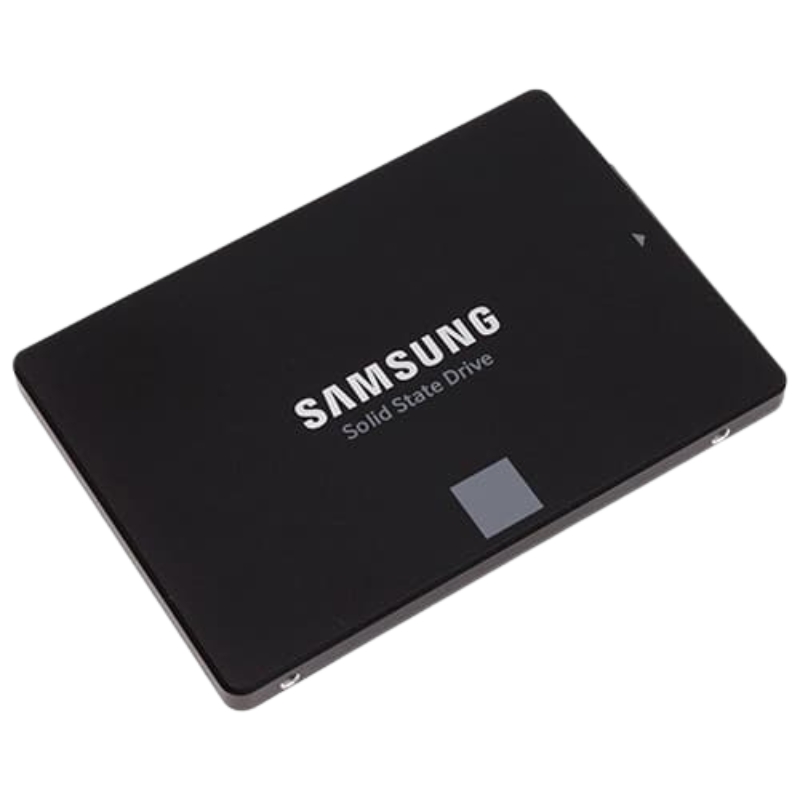
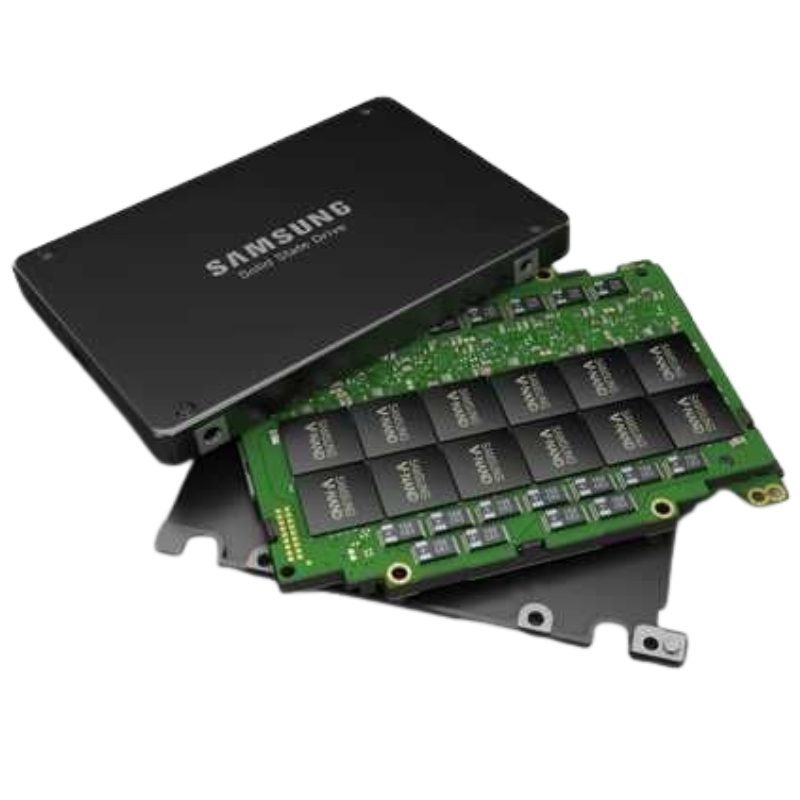
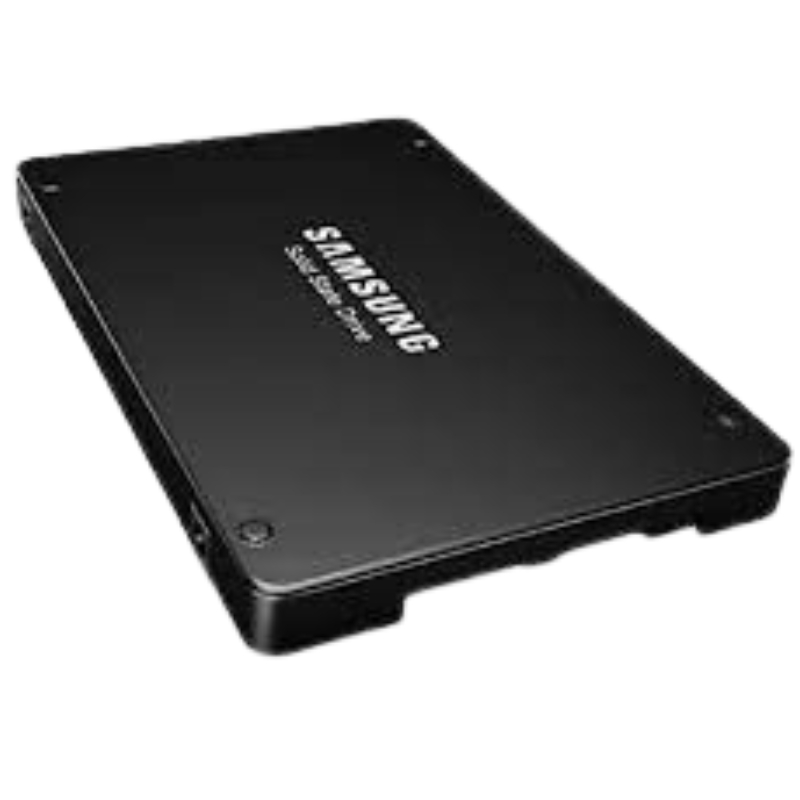
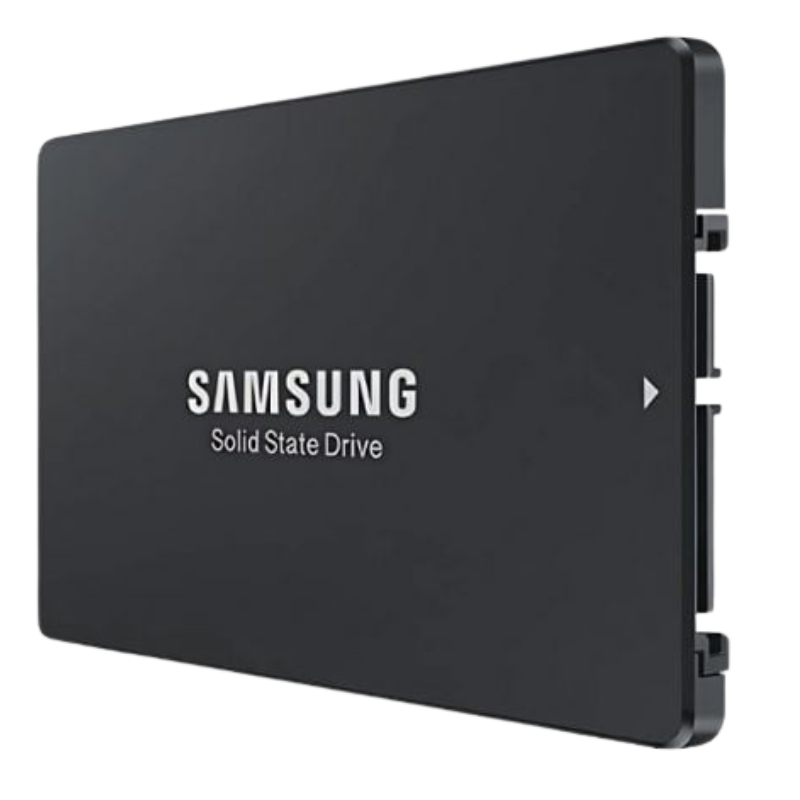
Samsung MZILS3T2HMLH-000C4 PM1635A 3.2TB SAS-12GBPS SFF Solid State Drive. Excellent Refurbished with 1 Year Replacement Warranty - Dell Version
The Samsung PM1635A 3.2TB MZILS3T2HMLH-000C4 is a purpose-built enterprise-class solid state drive positioned in the high-performance, high-reliability SAS-12Gbps SFF (2.5") category. This category encompasses enterprise SSDs designed for mission-critical applications, dense server/storage arrays, and data-center scale deployments that demand consistent low latency, high throughput, and strong endurance characteristics. The PM1635A family targets workloads such as OLTP databases, virtualization, online transaction processing, analytics, caching layers, and tier-0/tier-1 primary storage where predictable performance and reliability are paramount.
Enterprise SSDs in this category typically pair a high-performance controller with enterprise-grade NAND flash and sophisticated firmware. The PM1635A line uses Samsung’s enterprise controller designs and high-density NAND—engineered to support the I/O determinism required in server environments. The design emphasizes on-device features such as advanced wear leveling, read/write path optimizations, and internal power-loss protection mechanisms that minimize the risk of data corruption during unexpected outages.
Endurance is a critical metric for enterprises. Drives like the PM1635A employ aggressive error correction (ECC), over-provisioning, and background garbage collection to sustain performance and prolong usable life. Typical enterprise firmware prioritizes predictable latency over peak benchmark throughput, ensuring that tail-latency remains low even under sustained writes. Wear-leveling algorithms distribute program/erase cycles across the NAND to avoid premature cell retirement.
Thermal management is built into the mechanical and firmware design to prevent thermal throttling inside dense racks. Power profiles and consumption curves are tuned for server environments, balancing steady-state power for continuous workloads and burst-mode headroom for short, intense I/O. Many enterprise SSDs also implement power-loss protection capacitors or firmware journaling to preserve in-flight data and metadata on sudden power failures.
The 2.5" SFF format supports higher drive densities per chassis compared with 3.5" drives, enabling more flash capacity per rack-unit (RU) and lower cost-per-GB in dense deployments. SFF also benefits modern server architectures that favor hot-swap bays and backplane compatibility with SAS expanders and HBA/RAID controllers. For data center operators, the ability to deploy multiple SFF SSDs in a single chassis simplifies scaling and reduces cooling/power overhead.
SAS 12 Gbps offers a high-bandwidth interface designed for enterprise multi-path configurations. In standard configurations, this interface supports sustained sequential reads/writes and consistent random IOPS performance. Drives in this family are tuned to deliver enterprise-grade throughput across mixed workloads, ensuring throughput stability during peak load windows.
The hallmark of enterprise SAS SSDs is consistent low latency and strong random IOPS—especially at small block sizes (4K). The PM1635A-class drives are engineered to reduce 99th and 99.9th percentile latencies, which is critical for transactional systems where tail latency directly impacts application responsiveness. Consistency across sustained workloads is more important than single-shot peak IOPS numbers for production systems.
Real-world enterprise environments typically generate mixed read/write I/O patterns. SSDs in this category expose firmware features and internal optimizations that handle mixed I/O gracefully, using techniques like adaptive caching, write coalescing, and intelligent throttling to keep latency predictable while maintaining throughput for both sequential and random operations.
Reliability is measured in multiple ways: MTBF (mean time between failures), DWPD (drive writes per day), and TBW (total bytes written). Enterprise SSDs such as the PM1635A series are specified with aggressive endurance ratings to support high-write environments, and their firmware is conservative to protect data integrity. When procuring drives for critical deployments, always compare endurance specifications and align them to the expected workload profile.
To safeguard against data loss during sudden power events, enterprise drives often include on-board capacitors and transactional metadata journaling. These mechanisms flush volatile buffers and complete write sequences so that metadata and translation tables remain coherent after power restoration. This is essential for RAID arrays and distributed storage systems where a single drive’s corrupted metadata can impact rebuild times and data safety.
Hardware-based encryption (SED — Self-Encrypting Drive) and secure erase features are common in enterprise SSDs. They allow administrators to enforce data-at-rest encryption and to sanitize drives quickly at end-of-life or during re-purposing. These security features help organizations meet compliance requirements and reduce the complexity of secure decommissioning.
SAS 12Gbps SSDs are compatible with a wide array of enterprise HBAs and RAID controllers. For best results, verify firmware compatibility lists with your server and storage vendors. Enterprise drives benefit from controllers that support multi-pathing, error recovery controls, and proper queue depth management to ensure full utilization of drive capabilities.
When integrating SFF enterprise SSDs, confirm that backplanes, drive carriers, and hot-swap caddies support the SAS pinouts and airflow requirements. Some chassis designs include drive-level cooling enhancements; follow vendor guidance to avoid hotspots that can trigger thermal throttling or reduce drive longevity.
Modern enterprise operating systems and hypervisors (Linux distributions, VMware ESXi, Windows Server, etc.) natively support SAS devices. For advanced features (secure erase, firmware updates, SED management), use vendor-supplied utilities or OS-aware management tools. Driver and firmware mismatches can lead to suboptimal performance or unexpected error handling—test in staging environments before broad deployment.
The PM1635A-class SSDs shine in transaction-heavy environments where low tail-latency and steady random IOPS directly impact application SLAs. OLTP databases, accounting systems, and e-commerce platforms benefit from the deterministic performance these drives provide, reducing query response times and improving concurrency.
Virtualized environments (VM farms, VDI pools) create many small, random I/O streams. Enterprise SAS SSDs maintain responsiveness under high queue depths and many simultaneous threads, making them ideal for consolidating multiple tenants or VMs on the same storage tier without noticeable performance degradation.
Use these drives as a high-speed caching layer in hybrid arrays or as tier-0 storage in all-flash pools where performance is a priority. Their balance of capacity and speed makes them suitable for accelerating hot data while leaving colder datasets on larger-capacity HDDs or lower-cost flash tiers.
For read-heavy analytics workloads, distributed content delivery, and media streaming, sustained sequential throughput and high-capacity flash are important. The 3.2TB capacity provides an attractive balance for storing sizeable hot datasets while preserving high I/O performance.


 Contact Us
 Information
 Catalog
 Solid State Drives (SSD)
 Network Switches
 Hard Disk Drives
 HBA & Controllers
 PC & Servers
 PC & Server Memory
 CPU & Processors
 Network Routers
 Power Supplies
 Tape Drives & Libraries
 Network Devices
 Computer & Network Cables