(7% discount is applied at checkout)
Cart is empty
Your go-to destination for cutting-edge server products
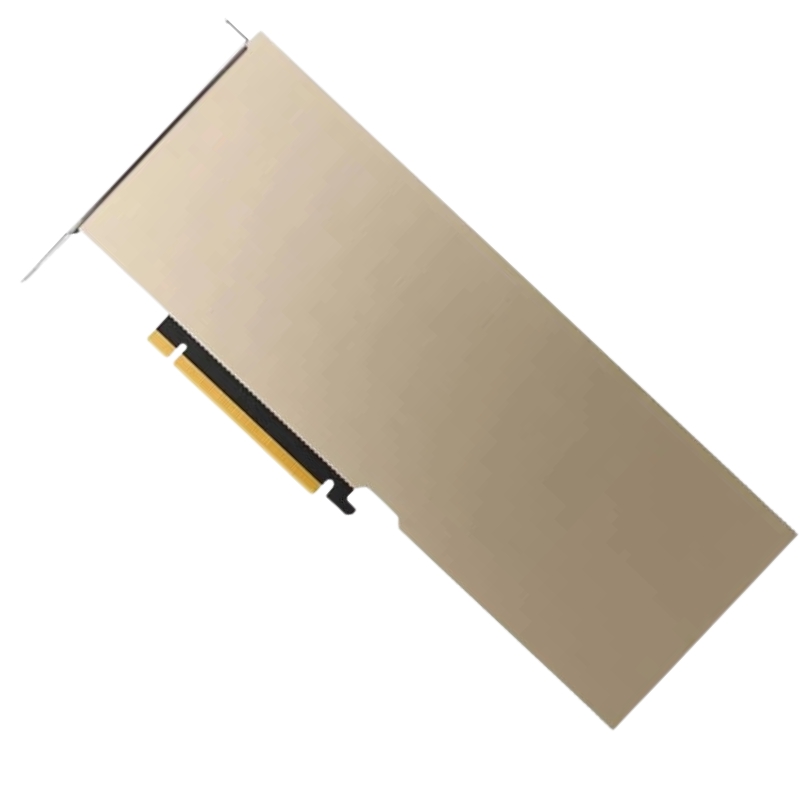


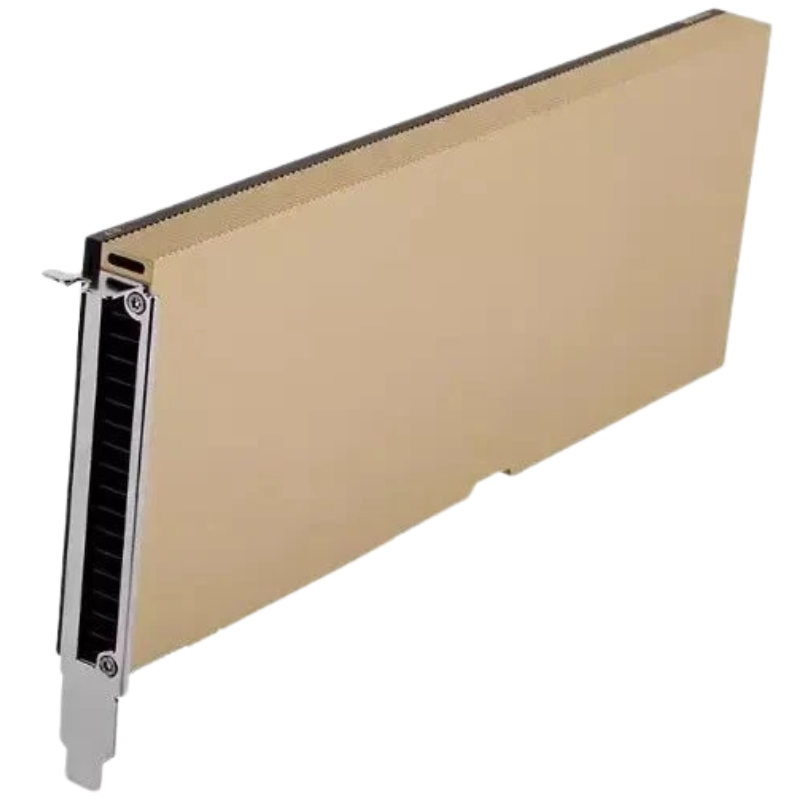
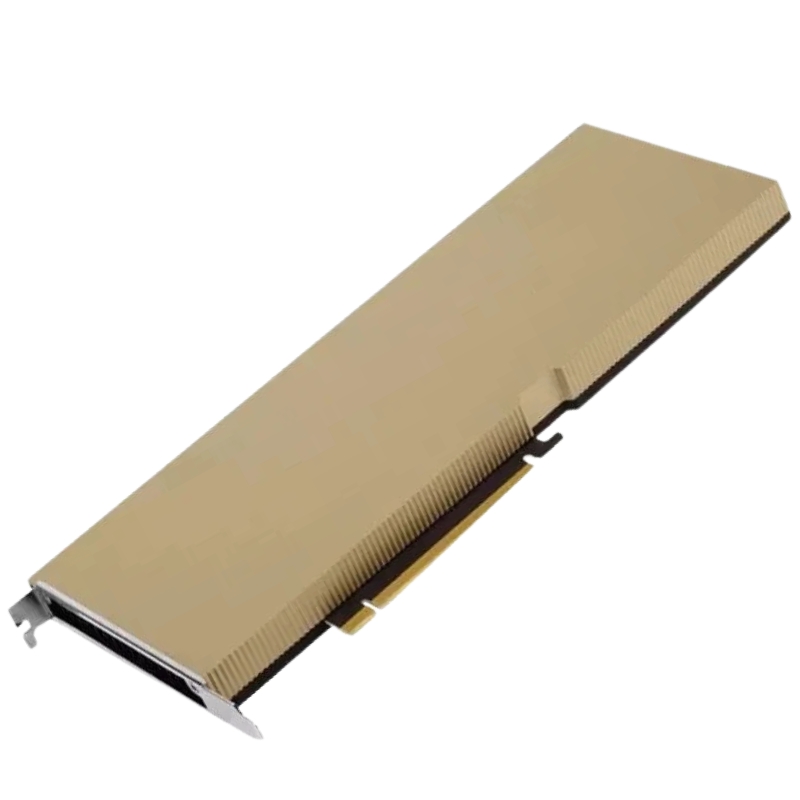
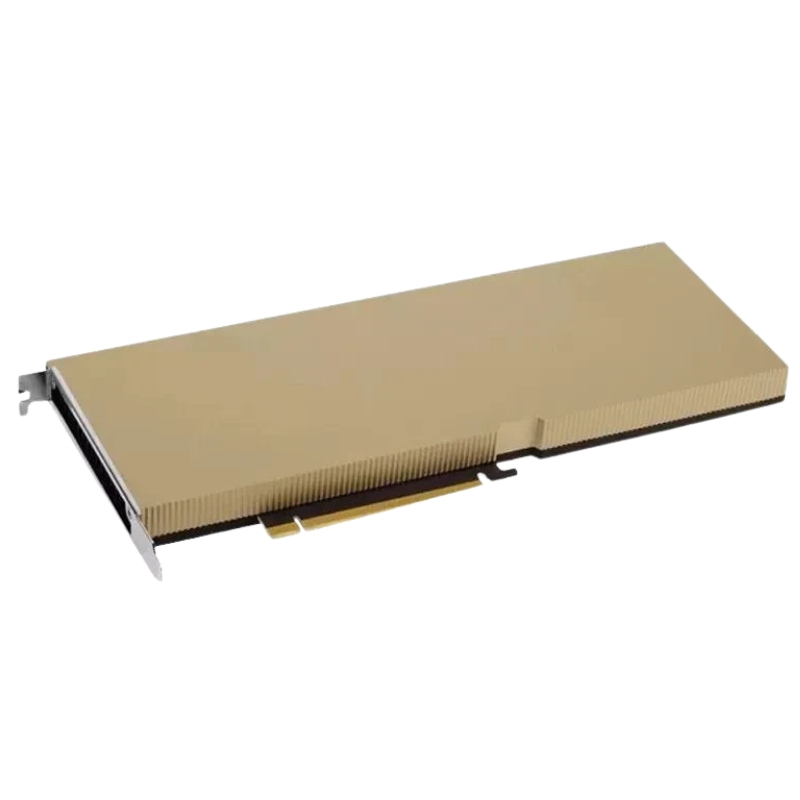
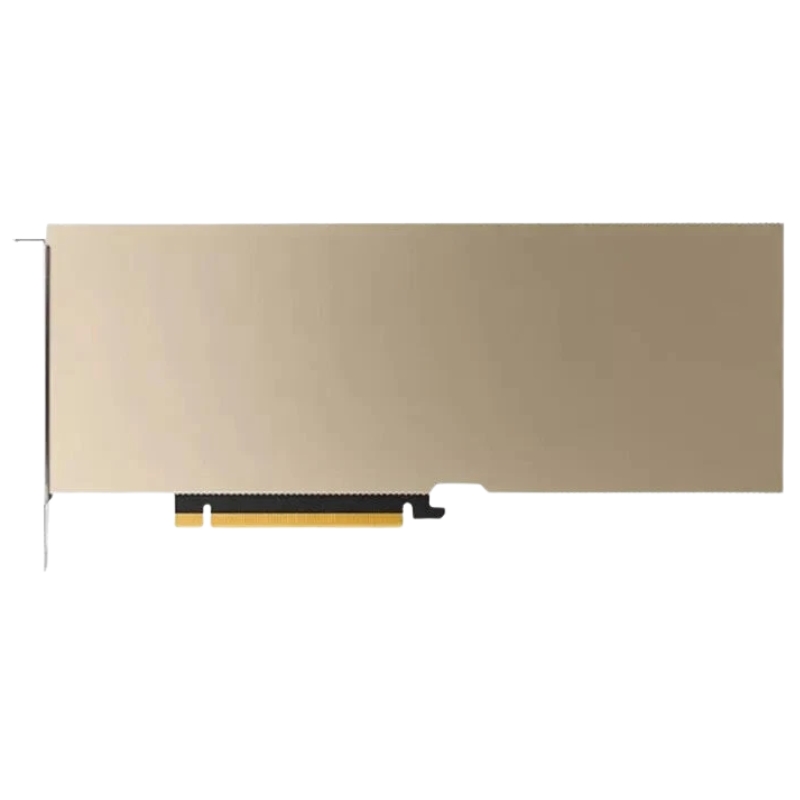
Nvidia 699-2G193-0200-202 L4 24GB GDDR6 PCI-Express 4.0 X16 Computing Processor Low Profile Fanless Graphics Processing Unit. Excellent Refurbished with 1-Year Replacement Warranty
The Nvidia 699-2G193-0200-202 L4 graphics card is engineered for compact systems requiring powerful parallel processing and silent operation. This fanless unit delivers exceptional performance in AI, virtualization, and data-intensive environments.
The Nvidia 699-2G193-0200-202 L4 24GB GDDR6 PCI-Express 4.0 X16 computing processor low profile fanless graphics processing unit represents a tightly focused category of GPU hardware designed where compact form factor, low thermal noise, and sustained inference performance meet the demands of modern edge, workstation, and small-server deployments. This category centers on GPUs that combine significant onboard memory capacity with a PCIe 4.0 x16 interface and a passive, fanless thermal design, enabling integration into dense systems and noise-sensitive environments. The defining attributes of the Nvidia 699-2G193-0200-202 L4 24GB GDDR6 PCI-Express 4.0 X16 family are their 24 gigabytes of GDDR6 memory, the PCI-Express 4.0 x16 electrical interface providing high host bandwidth, and the low profile, fanless enclosure that allows the card to be used in compact chassis where active cooling is impractical or undesirable. These cards are frequently selected for AI inference, media transcoding, virtual desktop infrastructure, industrial vision, and embedded computing use cases where reliability, silence, and predictable thermal behavior are required.
The technical identity of the Nvidia 699-2G193-0200-202 L4 24GB GDDR6 PCI-Express 4.0 X16 product category is built around memory density, interface bandwidth, and thermal design. Twenty-four gigabytes of GDDR6 memory places the card in a class capable of handling large model weights, multi-stream inferencing workloads, and high-resolution video frame buffers without frequent memory swaps. GDDR6 memory offers a strong balance between bandwidth and power efficiency for real-time tasks and streaming workloads. The PCI-Express 4.0 x16 interface establishes a high-throughput connection to hosts, reducing data transfer bottlenecks for workloads that depend on frequent host-device communication or large dataset staging. The electrical compatibility of PCIe Gen4 also makes these cards forward-looking for hosts that support Gen4 lanes while remaining backward compatible with Gen3 slots where required. The low profile, fanless form factor imposes important architectural tradeoffs and advantages. A passive cooling solution relies on chassis airflow and heat spreaders rather than onboard fans, which eliminates audible noise, reduces moving parts that can fail, and allows installation in space-constrained racks, small form factor workstations, and edge enclosures. Because passive cards dissipate heat through heatsinks and metalwork, integrators must consider ambient temperature, chassis ventilation, and proximity to other heat-generating components. The combination of a low profile bracket and fanless cooling frequently results in a card that is mechanically compatible with half-height or low-profile cases and can be installed in environments where 2U or 1U servers or compact workstations are used.
Performance for devices in the Nvidia 699-2G193-0200-202 L4 24GB GDDR6 PCI-Express 4.0 X16 category is best understood through the lens of sustained throughput and memory-capacity-driven tasks rather than peak gaming framerates. These GPUs tend to be optimized for inference, video processing, and multi-instance virtual workloads where constant, reliable performance is crucial. The 24GB of memory enables deployment of larger deep learning models or multiple concurrent models, which benefits services that must host several low-latency pipelines on a single card. For video-centric use cases, the onboard GDDR6 buffer and dedicated media engines (present on many modern Nvidia designs) accelerate decode and encode operations across multiple simultaneous streams, making these cards valuable for cloud gaming front ends, surveillance analytics, or live transcoding services. In real-world deployments, the Nvidia 699-2G193-0200-202 L4 24GB GDDR6 PCI-Express 4.0 X16 class excels where deterministic latency and thermal predictability are required. Edge AI appliances performing computer vision inference at the network edge, small servers hosting private VDI sessions, and research workstations running medium-sized neural networks can all benefit from the balance of memory capacity and the quiet, fanless footprint. Performance tuning in these contexts often focuses on optimizing model quantization, batching strategies, and memory placement to maximize throughput within the passive cooling and power envelope of the card.
Integration of the Nvidia 699-2G193-0200-202 L4 24GB GDDR6 PCI-Express 4.0 X16 cards into a system requires attention to host support, physical constraints, and software ecosystems. Electrically, the PCIe 4.0 x16 interface is backward compatible with PCIe 3.0 and earlier slots, though running in a Gen3 slot will halve the per-lane raw throughput compared with Gen4. Practically, many compact systems and embedded motherboards include at least a single full-length x16 slot, but the low profile bracket and card length make this product category particularly suited to small motherboards and systems that cannot accommodate taller cards. Power draw for fanless, low-profile cards is typically moderated relative to fully-blown workstation GPUs, but power provisioning at the slot and overall system thermal budget must still be verified. Some host designs may recommend additional airflow channels or chassis-level heat dissipation to ensure continuous operation under high sustained load. Software compatibility is another critical dimension. The Nvidia ecosystem provides drivers, runtimes, and developer toolchains that enhance the utility of these cards. CUDA, cuDNN, TensorRT, NVIDIA drivers, containerized frameworks using NVIDIA Container Toolkit, and media SDKs are commonly used to deploy AI workloads, accelerate inference pipelines, and manage GPU resources. Administrators often rely on container orchestration platforms or virtualization stacks that can pass GPUs through to containers or virtual machines for multi-tenant use. Confirming driver compatibility with the chosen operating system version and the vendor-supplied firmware is a necessary pre-deployment step, especially when the card is intended for production servers or appliances with long service windows.
Because the Nvidia 699-2G193-0200-202 L4 24GB GDDR6 PCI-Express 4.0 X16 class is fanless and low profile, thermal management shifts from the card to the system level. Effective thermal design practices include maintaining consistent chassis airflow, avoiding placement in tightly packed racks without ventilation, and monitoring ambient temperature during sustained workloads. Fanless cards are exceptionally valuable in noise-sensitive installations such as broadcast studios, medical facilities, and office environments, but they require that system integrators respect recommended ambient temperature ranges and provide sufficient convection or forced airflow at the chassis level. In scenarios where multiple passive cards are installed in the same enclosure, careful analysis of cumulative heat output is necessary to prevent thermal throttling and to preserve long-term reliability. Reliability in the field also depends on dust control, ingress protection, and serviceability planning. Fanless cards often collect less internal dust than actively cooled cards with intake fans, but the surrounding chassis may still accumulate particulate matter. Regular maintenance schedules that include cleaning chassis filters and ensuring unobstructed airflow paths can prolong service life and maintain steady performance. For mission-critical deployments, remote thermal telemetry and automatic failover mechanisms are recommended to minimize downtime in the event that an edge node approaches thermal limits.
One of the strongest value propositions for the Nvidia 699-2G193-0200-202 L4 24GB GDDR6 PCI-Express 4.0 X16 GPU category is AI inference. Organizations that deploy deep learning models for real-time decision-making at the edge—such as object detection, anomaly detection in manufacturing lines, automatic license plate recognition, and retail analytics—benefit from the low-latency response these cards enable. The memory capacity supports large feature maps and batch sizes without frequent host-device swapping. Pairing model optimization techniques like pruning and quantization with inference runtimes optimized for Nvidia hardware can deliver remarkable throughput per watt, a crucial metric for devices deployed in remote or power-constrained locations. Media acceleration is another practical domain for these GPUs. For streaming providers, content delivery networks, and broadcast workflows that require simultaneous encoding or transcoding of multiple high-resolution video streams, the large memory buffers and dedicated media engines reduce CPU offload and deliver consistent frame rates and encoding latency. The passive, silent operation is prized in studio and live production environments where ambient noise must be minimized. For content creators and post-production professionals using compact editing workstations, a low-profile fanless GPU that supports hardware-accelerated encoding and decode can accelerate timelines without adding audible fan noise to recording or editing environments. Virtualization and multi-tenant hosting scenarios also leverage these GPUs. Virtual desktop infrastructure, cloud gaming front ends, and multi-instance application hosting rely on GPU partitioning capabilities and software support to allocate slices of GPU resources to different users or workloads. The combination of a pageable, high-capacity memory and reliable passive cooling makes these cards attractive for providers who need predictable performance for multiple simultaneous sessions in compact hardware footprints. In industrial settings, the cards are often integrated into intelligent gateways, vision appliances, and data-acquisition systems where vibration resistance and low maintenance are required.
Maximizing the value of an Nvidia 699-2G193-0200-202 L4 24GB GDDR6 PCI-Express 4.0 X16 card requires careful software tuning. Using the vendor-provided drivers appropriate for the host operating system is the starting point, followed by matching the CUDA toolkit version and deep learning frameworks to the driver stack. For inference workloads, TensorRT and other inference-optimized runtimes provide latency reductions and throughput improvements by applying layer fusion, precision calibration, and kernel auto-tuning. When deploying containerized solutions, using the NVIDIA Container Toolkit ensures that GPUs are accessible to containers while maintaining host isolation. Profiling tools such as NVIDIA Nsight and nvprof help engineers identify bottlenecks in memory access patterns or kernel execution that may be exacerbated by a passive cooling envelope if a system begins to thermally throttle under heavy prolonged loads. Memory management techniques such as model sharding, weight streaming, and mixed precision arithmetic allow workloads to make efficient use of the 24GB GDDR6 capacity. Mixed precision, when carefully validated for numeric tolerance, often enables significant speedups and lower memory footprints. Batch size tuning is another lever: smaller batch sizes reduce latency but can underutilize compute resources, while larger batches improve throughput but increase memory pressure and latency. For real-time systems that must meet strict service-level objectives, balancing these variables against the passive card's thermal and power characteristics is essential to maintain consistent performance delivery.
System integrators should validate firmware and BIOS settings that affect PCIe link speed and power delivery. Ensuring that the motherboard firmware allows full x16 lane operation at PCIe Gen4 where supported can unlock additional host-to-device throughput for data-intensive workflows. In some embedded systems, BIOS options controlling slot power allocation and ASPM (Active State Power Management) may influence performance and power draw. For server and workstation deployments, confirming that power supplies and voltage rails meet the card's specifications prevents unexpected throttling. Additionally, when building appliances that include a fanless GPU, monitoring utilities and IPMI telemetry become important tools for proactive maintenance and remote alerts when thermal thresholds approach critical levels.
Buyers evaluating the Nvidia 699-2G193-0200-202 L4 24GB GDDR6 PCI-Express 4.0 X16 product category should weigh the tradeoffs between compactness and absolute compute performance. While these low profile, fanless cards offer excellent memory capacity and quiet operation, higher-performance full-height GPUs with active cooling will often deliver greater peak throughput for extremely compute-intensive training tasks. The L4 24GB GDDR6 class shines, however, when the workload profile emphasizes inference, streaming, media encoding, and environments that cannot accommodate large, noisy cards. When choosing between similar offerings, consider memory size, memory bandwidth, host PCIe generation support, power draw, and the vendor's software and driver support lifecycle. For enterprise purchasers, extended warranty and support options, as well as long-term driver compatibility roadmaps, can significantly affect total cost of ownership. For edge deployments, consider environmental specifications such as operating temperature range, shock and vibration tolerance, and ingress protection requirements. If the device will be used in a factory or outdoor kiosk, ruggedization or conformal coating at the system level may be necessary. For cloud or datacenter applications that emphasize density, low-profile cards reduce the space required per node and can lower per-node cooling costs when system-level airflow is well designed. Small studios and content creators that require silent operation will find the fanless characteristic particularly compelling when paired with software supporting GPU-accelerated editing and rendering workflows.


 Contact Us
 Information
 Catalog
 Solid State Drives (SSD)
 Network Switches
 Hard Disk Drives
 HBA & Controllers
 PC & Servers
 PC & Server Memory
 CPU & Processors
 Network Routers
 Power Supplies
 Tape Drives & Libraries
 Network Devices
 Computer & Network Cables