(7% discount is applied at checkout)
Cart is empty
Your go-to destination for cutting-edge server products
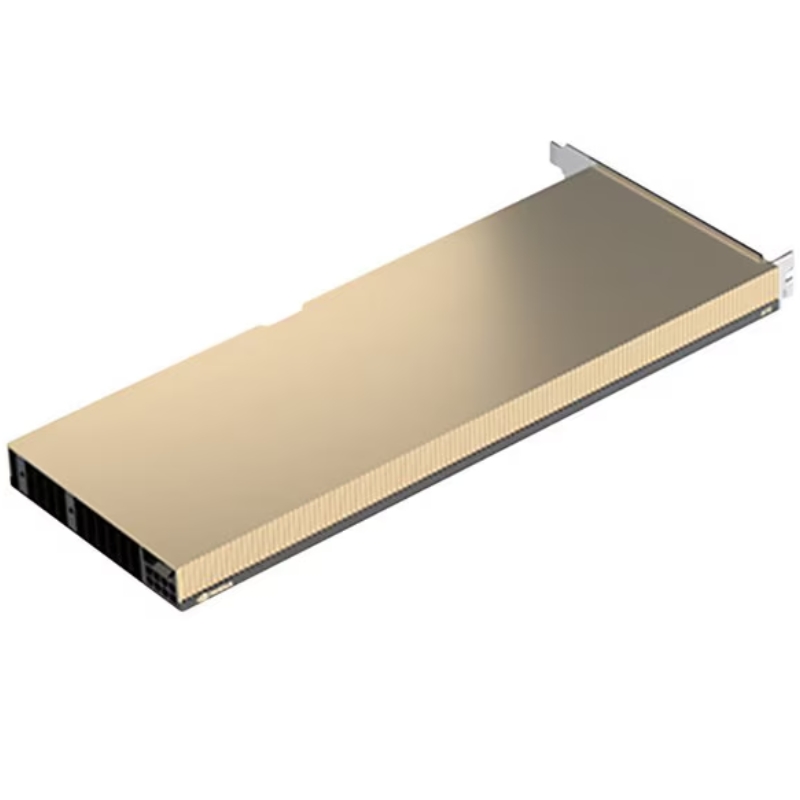


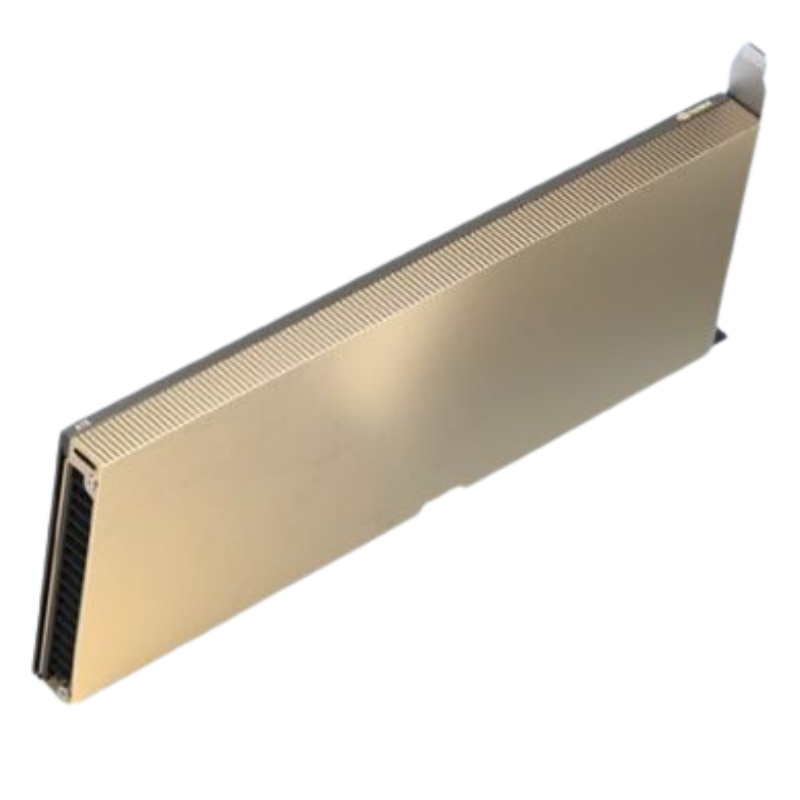
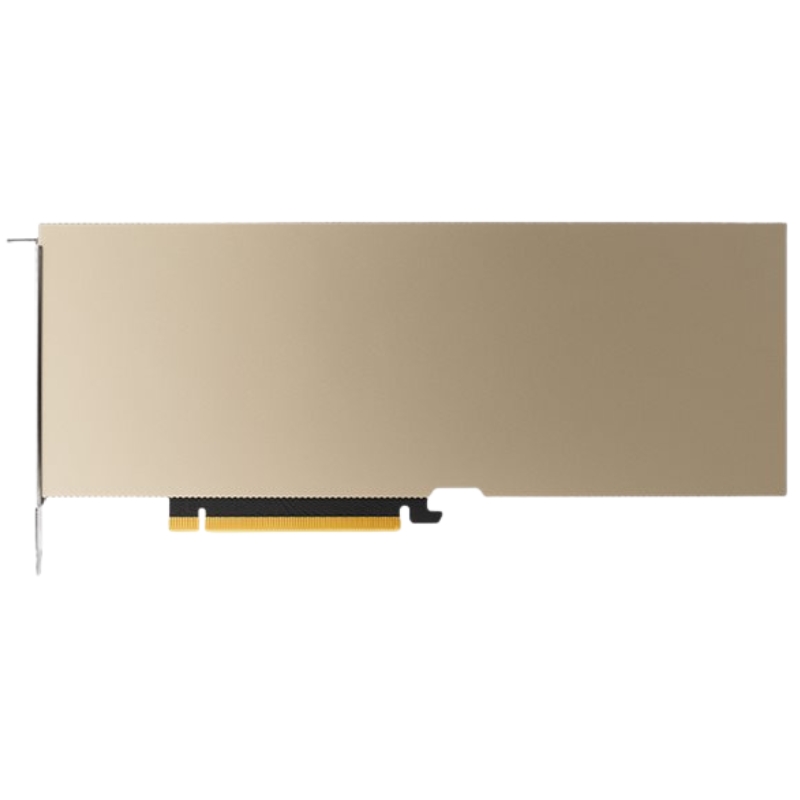
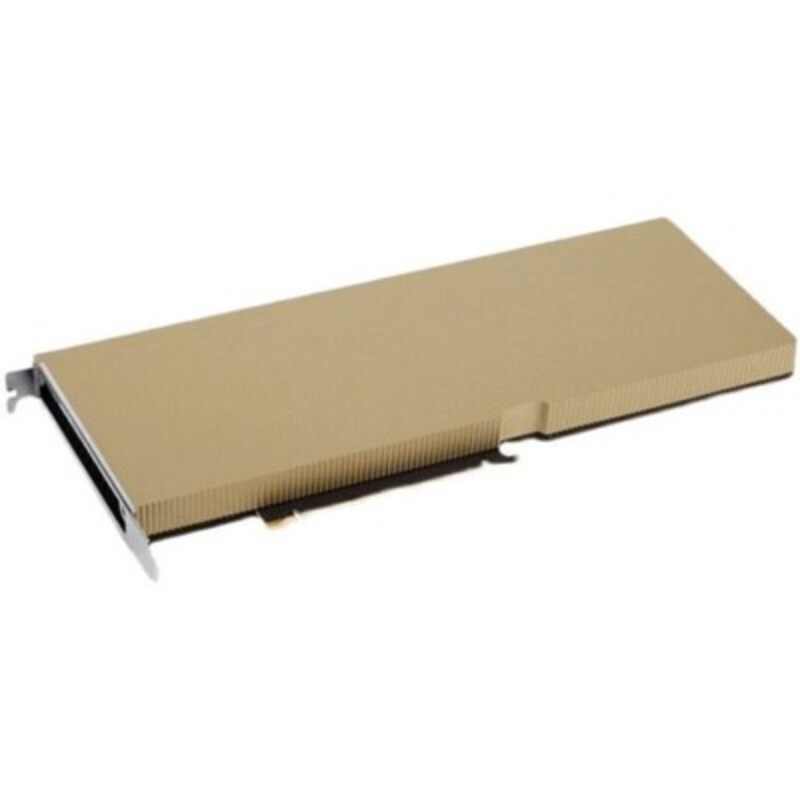
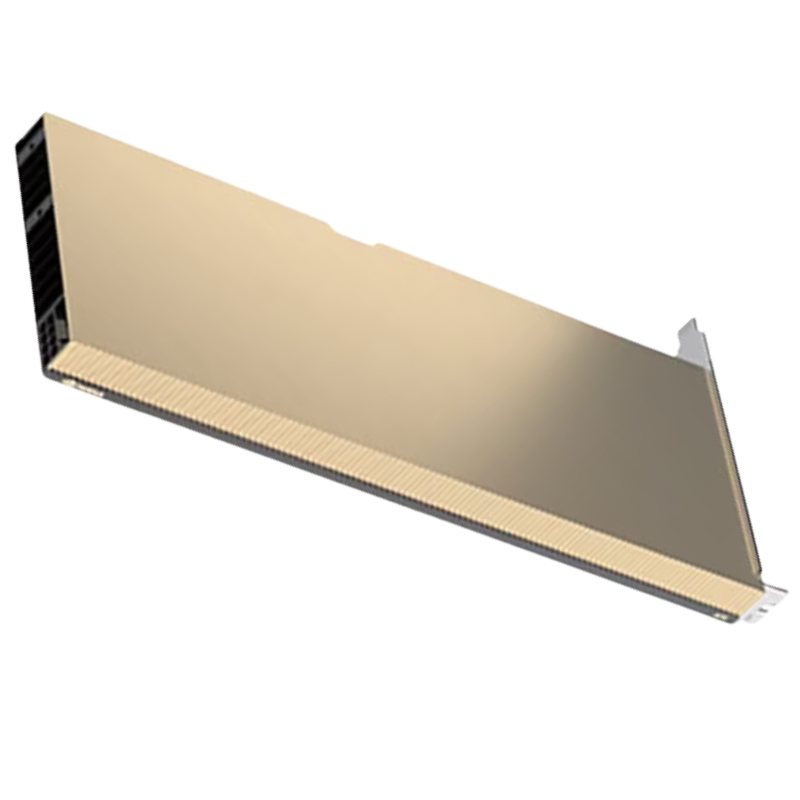
Nvidia 900-2G133-0020-000 Ampere Computing Processor A10 Tensor Core 24GB GDDR6 PCI-Express 4.0 X16 Passive Cooling GPU. New Sealed in Box (NIB) with 3 years Warranty. ETA 1-2 Weeks. No Cancel No Return
The Nvidia 900-2G133-0020-000, commonly referred to by its platform name A10 Tensor Core GPU, is a purpose-built Ampere-architecture data center accelerator designed to blend mainstream graphics capability with industry-grade AI and compute acceleration. This category centers around a compact, single-slot, passive-cooling PCI-Express Gen4 x16 form factor that packs a powerful combination of CUDA, Tensor and RT cores with a substantial 24 gigabytes of GDDR6 memory to support high-density virtualization, inference and mixed graphics/AI workloads in rack servers and enterprise appliances. The design emphasis is on delivering versatile throughput per watt and maximizing rack density for modern inference, rendering, video processing and virtual desktop infrastructure (VDI) tasks in datacenter environments.
The A10 category serves organizations that no longer wish to choose between a graphics card for virtual workstations and a separate accelerator for inference or batch AI tasks. Instead, this accelerator targets a middle ground where mainstream graphics performance and hardware-accelerated AI inference coexist within a single, low-power, server-friendly package. That convergence makes this category attractive to IT architects seeking to consolidate hardware, reduce per-instance overheads, and enable scalable multi-tenant services such as virtual workstations, cloud gaming backends, AI-enhanced media workflows and real-time inference pipelines. The hardware is optimized not only for raw throughput but for predictable multi-application behavior under constrained power and cooling budgets typical of dense server racks.
The A10 variants in this category are purpose-engineered as single-slot, full-height, full-length accelerators with passive cooling plates that rely on chassis airflow rather than on-card fans. This passive approach is intentionally chosen to make the card compatible with modern server designs where front-to-back airflow is provided by the system. The typical thermal design power (TDP) for the single-slot passive A10 is around 150 watts, enabling it to be deployed in higher-density server nodes without the power draw of larger, multi-slot accelerators. When designing deployments around this category, integrators must ensure adequate system airflow and provide cooling headroom for sustained workloads to maintain peak frequency and long-term reliability.
At the heart of the A10 category is a 24GB GDDR6 memory subsystem that delivers a very wide 384-bit memory interface and delivers effective bandwidth suited for large model inference and graphics textures. The memory capacity lets practitioners host sizable models or multi-buffered frame data with fewer page transfers to system memory, reducing latency and increasing throughput for streaming workloads. The PCI-Express Gen4 x16 interface provides a high-bandwidth connection to the host CPU and storage, effectively doubling the per-lane bandwidth relative to PCIe Gen3 and allowing I/O-bound pipelines to ingest or offload data quickly without saturating the CPU. Combined with the Ampere-family compute fabric, this hardware balance of memory capacity, memory bandwidth and PCIe interconnect produces a platform that is especially well matched to VDI, media transcoding, and inference tasks that require both throughput and memory locality for models or textures.
Built on Nvidia’s Ampere architecture, A10 accelerators integrate thousands of CUDA cores to service highly parallel tasks, alongside third-generation Tensor Cores that accelerate matrix math central to deep learning and second-generation RT Cores for ray tracing acceleration where real-time rendering is required. These mixed-precision Tensor operations support a range of numeric formats—from FP32 and TF32 through FP16 and INT8—allowing system designers and software stacks to trade precision for throughput depending on application tolerance. The resulting compute profile enables a single card to simultaneously host multiple VDI sessions while performing inference or encoding tasks in parallel, which is a defining trait of this product category.
The category is designed for environments where the coexistence of accelerated graphics and efficient inference matters. Typical workloads include graphics-accelerated virtual desktops for design and engineering staff, multi-user virtual workstations for CAD and GPU-accelerated visualization, real-time inference for recommendation engines and conversational AI at the edge, and cloud-native media pipelines performing high-density transcoding and AI-assisted video enhancement. The A10 is particularly compelling for service providers who want to offer flexible instance types that can be reallocated across graphics and AI jobs without physically changing hardware. The card’s combination of memory capacity and diverse core types means it is also useful in HPC clusters for mixed compute, where certain steps benefit from tensor acceleration and others rely on dense FP32 or FP64 throughput.
This category plays exceptionally well with Nvidia’s virtual GPU (vGPU) software ecosystem. vGPU allows a single physical A10 card to be partitioned into multiple logical GPUs with assigned slices of graphics and compute resources that can be provisioned to remote desktops, workstations or inference containers. For organizations running VDI at scale, this translates into better server utilization and lower cost per user, while preserving predictable performance profiles and hardware-assisted isolation. The passive single-slot, 150W power profile also enables higher consolidation ratios in dense rack deployments, provided the system integrator accounts for aggregate thermal and power budgets across all installed cards.
For content creation pipelines that require GPU-accelerated rendering and shader compute, the A10 category supplies a balanced mix of shading performance, high memory capacity and ray tracing acceleration. The inclusion of RT Cores enables photo-realistic rendering in software that is RT-enabled, and the substantial GDDR6 memory lets creatives work with large textures and datasets without frequent streaming to main memory. In an enterprise context, the A10’s features accelerate collaborative workflows where multiple users may render or preview complex scenes in parallel, making the category well suited for studios, remote visualization clusters and shared rendering farms that require compact, power-efficient accelerators.
Deploying accelerators from this category requires attention to chassis airflow and PCIe slot allocation. Given the passive-cooled design, integrators must design the server airflow path to ensure consistent front-to-back cooling across all installed passive cards; failing to provide sufficient airflow can lead to thermal throttling or reduced longevity. From a PCIe perspective, the Gen4 x16 interface provides large headroom for I/O, but system architects must still consider the host CPU’s PCIe lane budgeting when provisioning multiple cards per node. In practice, single-GPU nodes can be densely packed with A10 cards if the server vendor certifies adequate power delivery and cooling for multi-card configurations. Rack planners should account for the 150W TDP, the card’s height and length, and any additional connectors or brackets required for secure mounting.
Compatibility with server platforms varies across OEMs, but many Tier-1 vendors list validated A10 configurations with server-grade firmware and secure boot options enabled. The A10 supports Nvidia’s secure hardware root-of-trust, which helps protect firmware integrity and prevent tampering—an important consideration in multi-tenant and regulated environments. System designers should verify BIOS and firmware versions for compatibility with passive A10 variants, ensure that the server supply chain provides adequate airflow specifications, and coordinate with the vendor for any required system or BMC settings to support thermal management and power capping. Firmware and driver updates from Nvidia are periodically released to improve stability, performance and feature support, so a maintenance plan should include periodic validation of the platform stack.
Performance in this category should be evaluated in context: rather than dominating a single benchmark, A10 cards deliver consistent, predictable performance across multiple concurrent workloads. In AI inference scenarios, Tensor Core acceleration delivers sizable throughput gains when models are optimized for mixed precision or INT8 execution; in graphics and VDI tasks, the card’s CUDA and RT Cores deliver low-latency frame generation and ray tracing support for modern applications. Memory bandwidth—measured at approximately 600GB/s for GDDR6 configurations in the A10 family—helps sustain data-hungry operations, and the PCIe Gen4 connection reduces data transfer bottlenecks between host and device. Measurable outcomes in production include higher consolidation ratios for VDI, reduced latency for inference per request, and lower cost per rendered frame in GPU-accelerated content pipelines.
Reliability
When acquiring hardware within this category, procurement teams should consider warranty coverage, spares strategy and lifecycle support from vendors. Because the A10 passive models are often sold both as OEM-qualified parts and through third-party resellers, verifying the SKU number (900-2G133-0020-000 or related variants) against an OEM’s compatibility matrix ensures proper support. Lifecycle planning also should account for software maintenance windows, driver certification cycles, and potential EOL timelines. The passive, server-optimized form factor reduces moving part failures in comparison to blower or axial-fan designs, but hardware failures remain possible; therefore, establishing exchange and burn-in policies for cards entering production mitigates risk and ensures consistent fleet health.


 Contact Us
 Information
 Catalog
 Solid State Drives (SSD)
 Network Switches
 Hard Disk Drives
 HBA & Controllers
 PC & Servers
 PC & Server Memory
 CPU & Processors
 Network Routers
 Power Supplies
 Tape Drives & Libraries
 Network Devices
 Computer & Network Cables