(7% discount is applied at checkout)
Cart is empty
Your go-to destination for cutting-edge server products
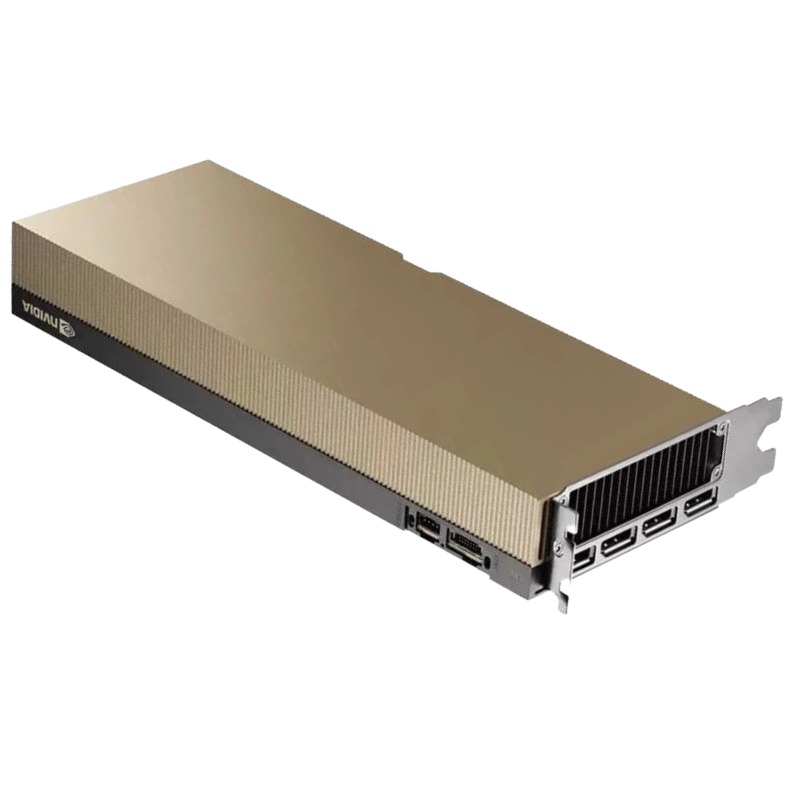


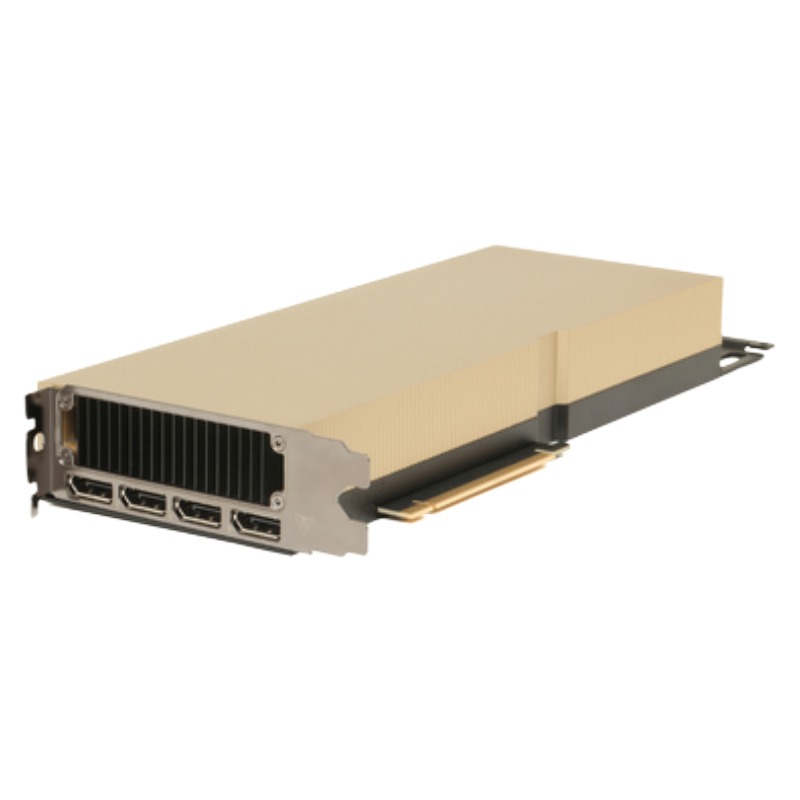
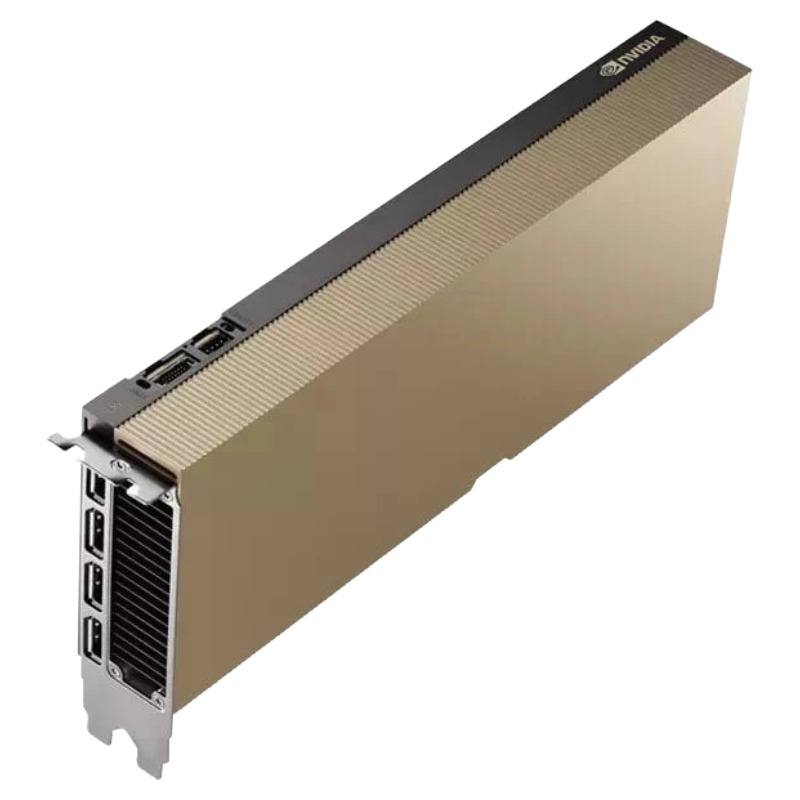
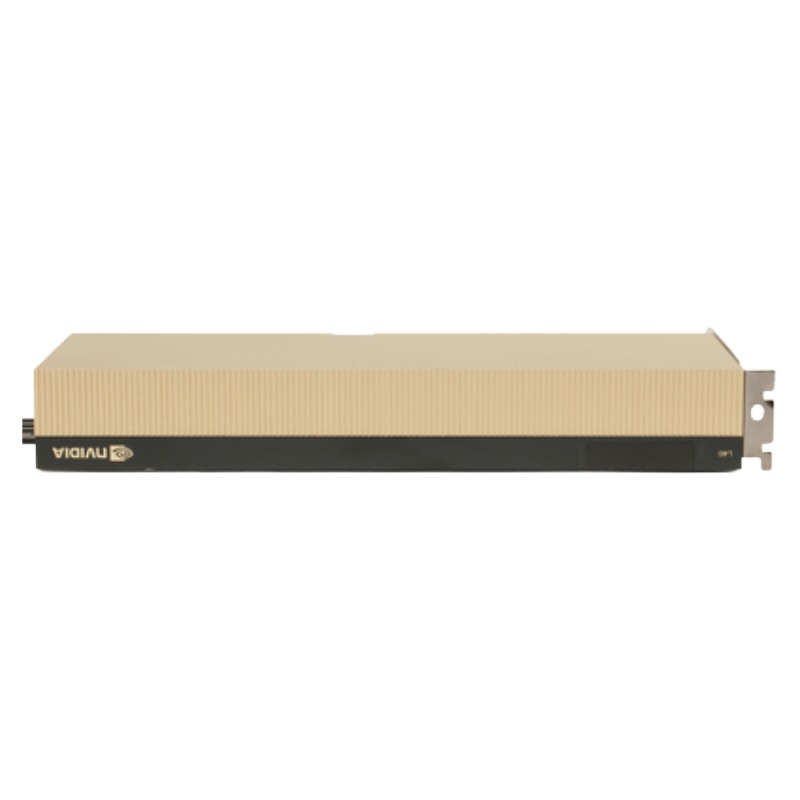
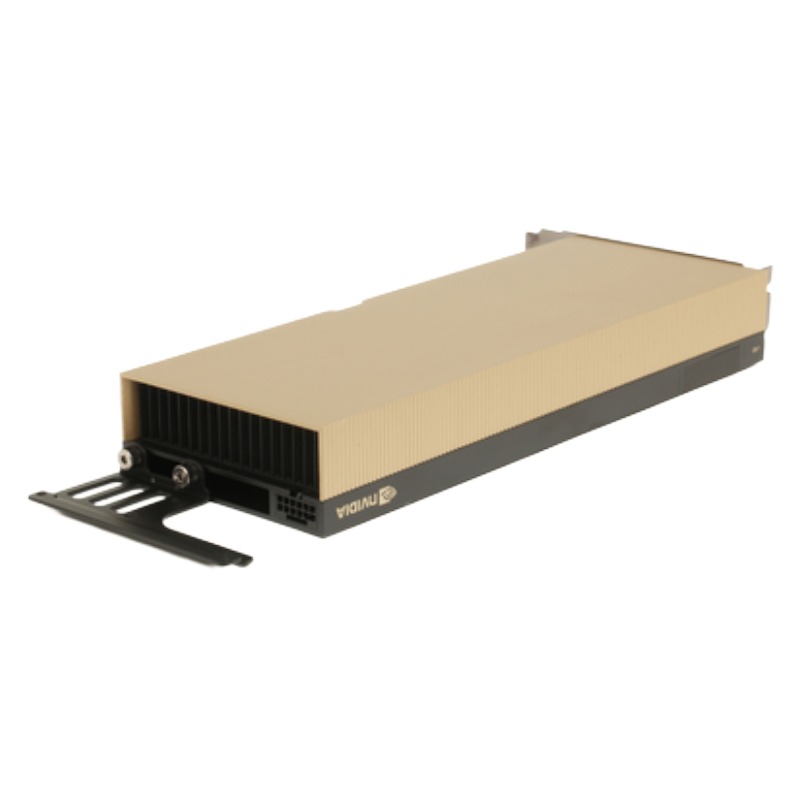
Nvidia 900-2G133-0110-031 L40 48GB GDDR6 300W Gen4 Double Wide PCI-E Passive GPU. Excellent Refurbished with 1 Year Replacement Warranty - Dell Version. No Cancel No Return
The Nvidia 48GB graphics card delivers cutting-edge performance, engineered for professionals who demand exceptional computational power and advanced rendering capabilities.
The Nvidia 900-2G133-0110-031 L40 48GB GDDR6 300W Gen4 Double Wide PCI-E Passive GPU is engineered for modern enterprise visualization, artificial intelligence, rendering, simulation, and accelerated data center workloads. Built on advanced Nvidia Ada Lovelace architecture technology, the Nvidia L40 GPU combines high-capacity graphics memory, enterprise-grade thermal design, and exceptional compute acceleration into a scalable PCI Express solution optimized for professional environments.
Designed for deployment in enterprise rack servers and GPU-accelerated infrastructure, the Nvidia L40 graphics accelerator delivers high throughput for AI inference, deep learning, 3D rendering, virtual workstation deployment, scientific computing, and content creation pipelines. The passive cooling design enables seamless integration into professionally managed server chassis with optimized airflow management, ensuring consistent operational reliability in dense data center installations.
The double-wide PCI Express Gen4 form factor provides enhanced bandwidth and efficient communication between CPU and GPU resources, supporting demanding workflows that require rapid data transfer and low latency processing. Enterprises deploying large-scale AI models, engineering simulations, visualization environments, or virtual desktop infrastructure can leverage the L40 GPU to improve computational efficiency and graphical responsiveness.
The Nvidia L40 GPU utilizes Nvidia Ada Lovelace architecture to provide advanced computational capabilities across graphics-intensive and AI-driven workloads. This architecture introduces enhanced CUDA core efficiency, optimized tensor operations, improved ray tracing acceleration, and scalable parallel processing capabilities suitable for professional computing environments.
By combining powerful compute acceleration with advanced graphics technologies, the L40 accelerator supports real-time visualization, immersive digital twin simulations, cinematic rendering, AI-assisted workflows, and machine learning inference. The architecture is optimized to balance power efficiency with enterprise performance, enabling organizations to maximize GPU density in modern server infrastructure.
The GPU architecture incorporates dedicated hardware acceleration engines that improve rendering pipelines, AI model execution, and graphics-intensive operations. These specialized processing units contribute to accelerated performance across industries such as architecture, engineering, manufacturing, media production, healthcare imaging, and scientific research.
Parallel processing is a key component of the Nvidia L40 platform. Thousands of processing cores operate simultaneously to accelerate highly concurrent workloads. This capability is especially beneficial for neural network inference, photorealistic rendering, fluid dynamics simulation, video processing, and virtual desktop environments.
Organizations running large-scale data analytics or AI inference tasks benefit from reduced latency and faster processing throughput. The GPU can handle multiple simultaneous operations while maintaining consistent computational performance across virtualized or containerized environments.
Enterprise deployment environments require stable workload orchestration and predictable GPU allocation. The Nvidia L40 supports advanced GPU resource management features that improve workload balancing and optimize hardware utilization. These features help data center administrators maximize operational efficiency across multi-GPU configurations.
Virtualized infrastructure environments can allocate GPU resources dynamically to support multiple users, applications, or AI services simultaneously. This improves scalability while maintaining secure and isolated computing environments.
The Nvidia L40 accelerator features 48GB of high-performance GDDR6 memory designed to support memory-intensive enterprise applications. Large frame buffers are essential for professional rendering, AI inference, large language model deployment, simulation environments, and high-resolution visualization tasks.
High-capacity graphics memory enables organizations to work with complex datasets, large textures, sophisticated models, and extensive AI parameters without excessive reliance on slower system memory. This contributes to faster computational performance and improved workflow responsiveness.
The GDDR6 memory subsystem provides high memory bandwidth to accelerate data-intensive applications, ensuring efficient communication between processing cores and memory resources. Enterprises working with real-time rendering, video production, computational science, or AI analytics benefit from improved throughput and reduced bottlenecks.
High memory bandwidth contributes directly to GPU acceleration efficiency. Large datasets can be transferred rapidly between GPU memory and processing units, reducing computational delays during rendering, simulation, and AI inference operations.
Applications involving massive geometry processing, scientific modeling, or advanced analytics benefit from optimized memory throughput that enhances overall application responsiveness and processing speed.
The Nvidia L40 GPU operates within a 300W thermal design power envelope, providing a balance between computational density and energy efficiency. Enterprise data centers require predictable power consumption profiles to support scalable deployment planning and thermal optimization strategies.
The 300W power profile allows organizations to deploy multiple GPUs within rack-mounted server environments while maintaining manageable thermal output and efficient airflow characteristics. This is particularly important in AI clusters, virtualization platforms, and rendering farms where high GPU density is required.
Power efficiency improvements contribute to reduced operational costs and improved infrastructure scalability. Modern enterprises seeking energy-conscious acceleration solutions benefit from the optimized performance-per-watt characteristics of the Nvidia L40 platform.
Efficient thermal management is essential in enterprise computing environments. The passive cooling configuration of the Nvidia L40 is specifically engineered for server chassis that utilize controlled airflow systems. Unlike actively cooled workstation GPUs, passive GPUs rely on optimized chassis airflow for thermal regulation.
This design improves deployment flexibility in high-density rack environments while minimizing localized heat accumulation. Enterprise administrators can deploy multiple accelerators within shared infrastructure while maintaining consistent operating temperatures.
The power and thermal characteristics of the Nvidia L40 support scalable GPU infrastructure deployments. Organizations can expand AI inference clusters, rendering environments, or virtual workstation platforms without excessive power provisioning complexity.
Scalability is particularly important for cloud service providers, research institutions, media production facilities, and engineering organizations operating compute-intensive environments.
The Nvidia 900-2G133-0110-031 L40 GPU utilizes a PCI Express Gen4 x16 interface to deliver high-speed communication between the GPU and host platform. PCIe Gen4 technology significantly improves bandwidth compared to previous generations, enabling faster data transfer rates for demanding enterprise applications.
High-bandwidth interconnect technology is essential for AI acceleration, simulation processing, visualization rendering, and virtualized computing. Faster communication between CPUs, storage systems, and GPUs contributes to reduced latency and improved workload execution.
The PCIe Gen4 interface also enhances multi-GPU scalability, enabling organizations to build high-performance accelerated computing clusters with improved synchronization and throughput characteristics.
Modern enterprise workloads generate massive volumes of data that must be processed rapidly. The PCI Express Gen4 interface improves the movement of datasets, textures, rendering assets, and AI parameters between system components.
Applications such as computational fluid dynamics, seismic analysis, AI inference serving, and advanced visualization require sustained throughput to maintain operational efficiency. The Gen4 interface helps minimize bottlenecks associated with high-volume data movement.
The Nvidia L40 GPU is compatible with a wide range of enterprise server platforms supporting PCIe Gen4 technology. This enables flexible integration into existing infrastructure architectures and future-ready deployment strategies.
Enterprise IT teams benefit from simplified integration processes and support for modern server ecosystems designed for accelerated computing applications.
The passive cooling design of the Nvidia L40 GPU is optimized for professionally managed server environments with engineered airflow systems. Passive GPUs eliminate onboard cooling fans, relying instead on chassis-level airflow for heat dissipation.
This cooling approach improves reliability in data center environments by reducing moving components and minimizing mechanical wear. Passive cooling also contributes to lower acoustic output and simplified maintenance procedures in large-scale deployments.
Rack-mounted servers equipped with optimized airflow configurations can maintain stable thermal performance even under sustained computational loads. This makes the Nvidia L40 suitable for continuous operation in AI clusters, rendering nodes, virtualization infrastructure, and research computing environments.
Enterprise environments often require 24/7 operational stability. Passive cooling designs reduce potential failure points associated with active cooling mechanisms, improving long-term reliability in mission-critical infrastructure.
Organizations running continuous inference services, rendering farms, or engineering simulations benefit from the stability and durability characteristics associated with passive GPU deployment strategies.
Passive cooling allows data centers to install multiple GPUs in compact server chassis without airflow conflicts caused by individual fan systems. This supports higher GPU density and more efficient rack utilization.
High-density deployment capabilities are particularly valuable in AI training environments, cloud graphics infrastructure, and enterprise virtualization platforms where maximizing compute resources per rack unit is essential.
Professional visualization environments require high-performance graphics acceleration for rendering complex scenes, engineering models, digital twins, and immersive simulations. The Nvidia L40 GPU is designed to accelerate advanced rendering pipelines and visualization applications used in professional industries.
Architectural firms, manufacturing organizations, media production studios, and scientific research facilities benefit from enhanced rendering performance and real-time visualization responsiveness.
The GPU supports high-resolution graphics processing and advanced rendering techniques that improve image quality, realism, and workflow efficiency.
Ray tracing technology enhances lighting accuracy, reflections, shadows, and environmental realism in rendered scenes. Dedicated ray tracing acceleration hardware within the Nvidia L40 enables real-time rendering improvements for professional visualization applications.
Designers and artists can interact with complex scenes more efficiently while maintaining realistic visual fidelity during iterative workflows.
Digital twin applications require the ability to visualize and simulate real-world systems with high accuracy. The Nvidia L40 GPU accelerates digital twin rendering and simulation workloads for industrial operations, engineering analysis, and infrastructure planning.
Enhanced visualization performance contributes to improved modeling precision and operational insight across enterprise simulation environments.
The Nvidia L40 graphics accelerator supports virtual workstation deployments and virtual desktop infrastructure environments requiring enterprise-grade GPU acceleration. Organizations increasingly rely on centralized computing resources to deliver high-performance graphics workloads to remote users and distributed teams.
Virtualization support enables multiple users to access GPU-accelerated applications simultaneously while maintaining secure and isolated computing sessions. This is beneficial for engineering design, media editing, visualization, and AI-assisted workflows.
Centralized GPU resources improve infrastructure management, simplify security administration, and enhance scalability across enterprise environments.
Remote professionals working with complex 3D models, CAD applications, or rendering software require responsive graphics acceleration. The Nvidia L40 improves virtual graphics responsiveness and enables high-quality remote visualization experiences.
Organizations deploying hybrid work environments benefit from centralized GPU resources capable of supporting demanding graphical applications.
Multi-user virtual environments require efficient GPU allocation and workload balancing. The Nvidia L40 supports enterprise virtualization technologies that optimize resource sharing while maintaining application performance consistency.
This improves infrastructure efficiency and enables organizations to maximize return on investment for accelerated computing deployments.
Modern data centers increasingly rely on GPU acceleration to support AI, analytics, visualization, and simulation workloads. The Nvidia L40 contributes to accelerated computing ecosystems designed for high-performance enterprise operations.
Scalable GPU deployment capabilities allow organizations to expand computational resources while maintaining operational consistency and infrastructure efficiency.


 Contact Us
 Information
 Catalog
 Solid State Drives (SSD)
 Network Switches
 Hard Disk Drives
 HBA & Controllers
 PC & Servers
 PC & Server Memory
 CPU & Processors
 Network Routers
 Power Supplies
 Tape Drives & Libraries
 Network Devices
 Computer & Network Cables