(7% discount is applied at checkout)
Cart is empty
Your go-to destination for cutting-edge server products
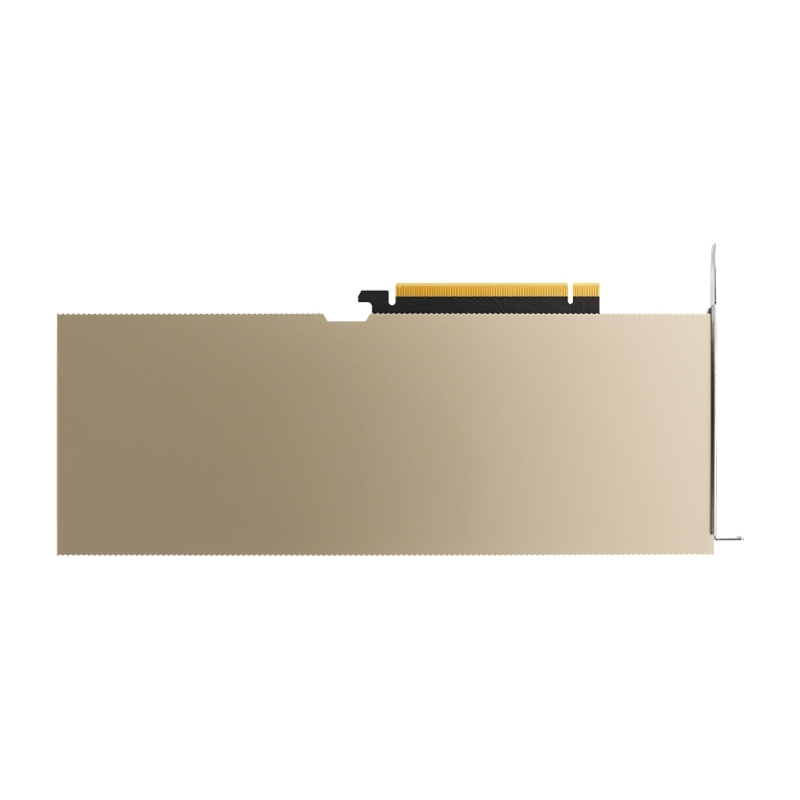


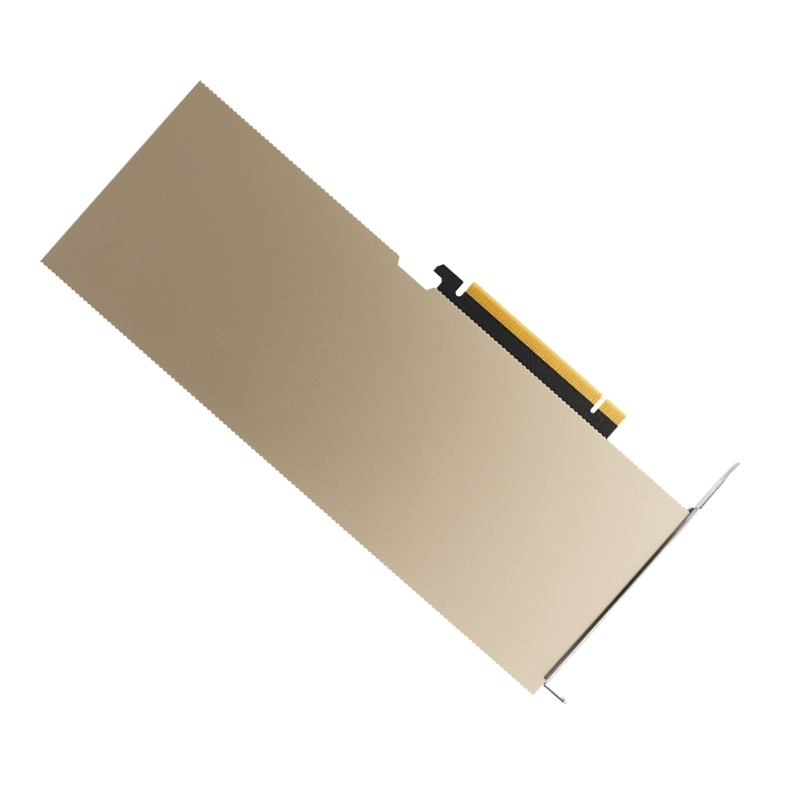
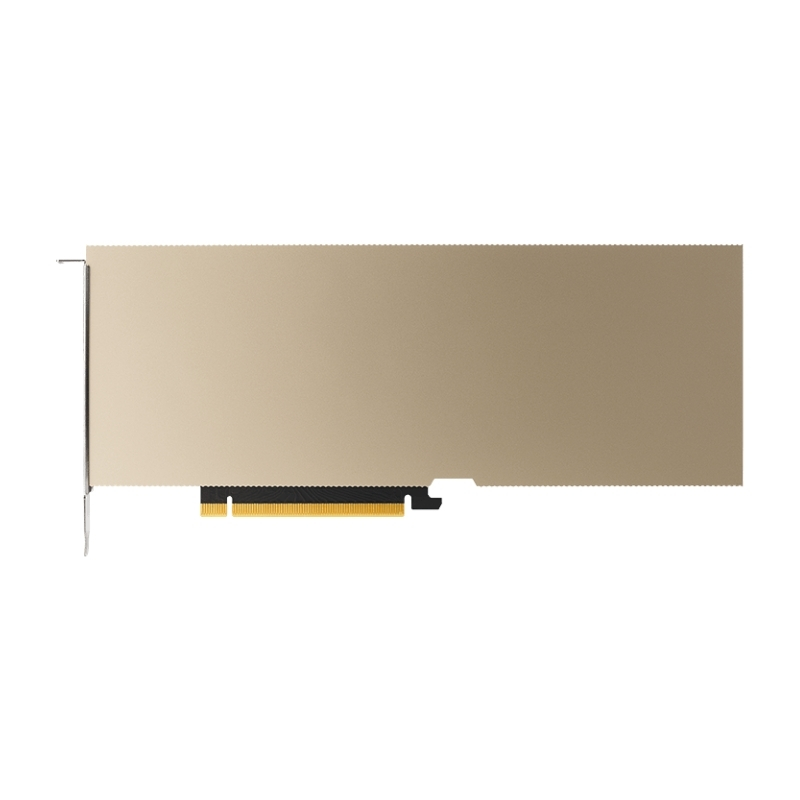
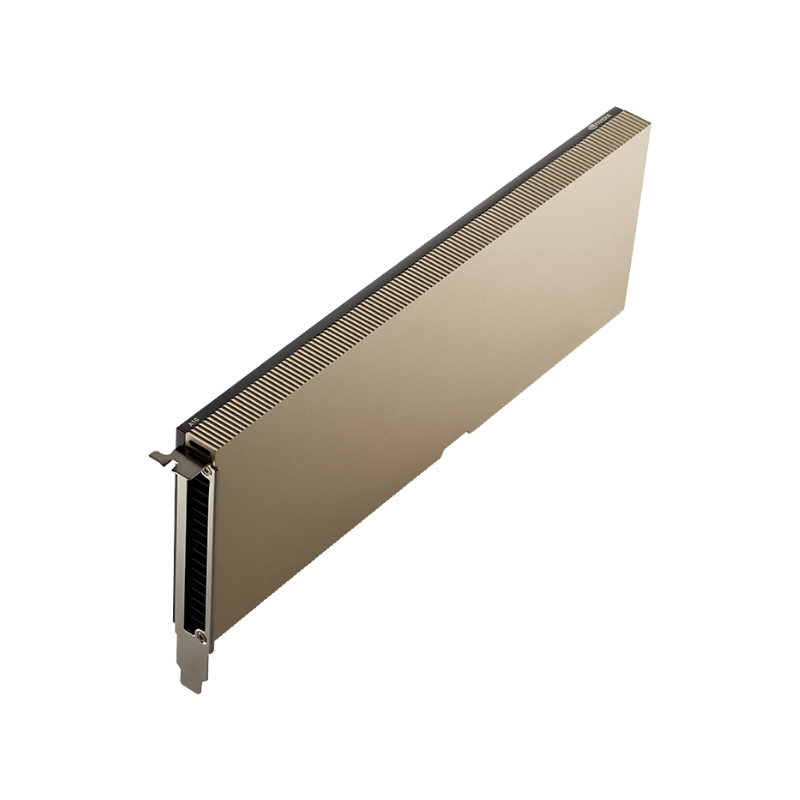
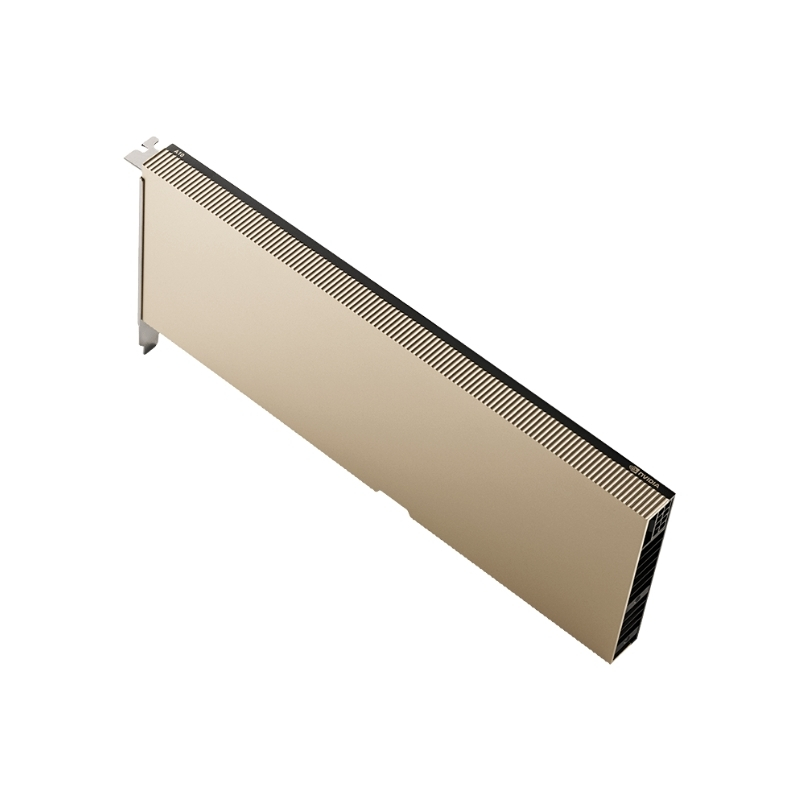
Nvidia 900-2G133-0360-030 Tesla A10M 20GB GDDR6 PCIE 256-Bit 150W Graphics Card GPU. New Sealed in Box (NIB) with 3 Years Warranty- HPE Version
The NVIDIA 900-2G133-0360-030 Tesla A10M 20GB GDDR6 PCIe graphics card is engineered to deliver outstanding computational acceleration for enterprise workloads, AI inference tasks, virtual workstation environments, and advanced rendering pipelines. This professional-grade GPU provides a balanced combination of optimized clock frequencies, efficient memory architecture, and powerful CUDA performance — making it a versatile choice for data centers, research labs, design studios, and virtual desktops.
The Nvidia 900-2G133-0360-030 Tesla A10M 20GB GDDR6 PCIe 256-bit 150W graphics card represents a sophisticated acceleration component crafted for demanding commercial workloads, advanced research environments, and enterprise-level processing pipelines. Built on innovative architectural design, this accelerator empowers organizations to harness dependable computational precision, sustained throughput, and elevated processing consistency. Its advanced memory subsystem, efficient cooling solutions, and optimized PCIe bandwidth create a balanced platform for high-volume computations and intricate algorithmic routines.
Within the broader GPU ecosystem, the Tesla A10M stands as a mid-range yet highly capable powerhouse that bridges the gap between high-throughput AI accelerators and cost-efficient compute resources. While engineered for energy-conscious environments, it still delivers impressive tensor compute features, reliable memory speed, and optimized PCI Express interoperability. As organizations seek well-balanced compute-to-power ratios, this card positions itself as a dependable accelerator suited for modular scaling, cluster integration, and varied virtualization deployments.
GDDR6 memory brings substantial improvements in speed and efficiency, serving as a critical component for deep learning inference, real-time data modeling, and advanced visualization tasks. Its enhanced bandwidth enables quicker access to raw dataset information, while its operational stability contributes to reduced latency. For workloads involving large neural network models, this memory standard helps sustain performance even when running extended sequences of batch processing operations or multi-threaded tasks.
The 256-bit memory interface functions as a wide transmission channel that enhances the GPU’s ability to exchange data efficiently. Broader interfaces produce more stable data delivery, particularly when handling computationally heavy workloads that require continuous memory access. For graphics pipelines, physics simulations, AI inference sequences, and high-volume processing queues, this interface contributes to minimizing bottlenecks, allowing the GPU to reach consistent performance levels.
The NVIDIA Tesla A10M comes equipped with high-speed GDDR6 memory, designed to deliver outstanding throughput and efficient handling of massive data sets. The 20GB VRAM empowers users to perform real-time analytics, advanced rendering, VDI workloads, and AI model training with greater flexibility.
The 256-Bit Interface
The increased width of the memory bus improves the transmission of high-density computational structures. Complex models used in engineering design, long-term forecasting, and multi-step scientific simulations gain improved stability and reduced interruptions during processing. This reliability is essential in sectors where steady throughput and precision are imperative for decision-making and real-time operational adjustments.
The Nvidia Tesla A10M's 150W thermal design power rating results in a balanced combination of performance and power preservation. This alignment supports data centers and enterprises seeking sustainable energy solutions without sacrificing operational demands. The card’s efficient thermal mechanisms help maintain cooler operating temperatures, prolonging hardware longevity and preserving consistent computational performance.
Data centers increasingly prioritize lowering total energy expenditure due to environmental, economic, and operational concerns. A reduced thermal output contributes to minimizing cooling infrastructure requirements, making GPUs with modest TDP ratings preferable for extended deployments. The Tesla A10M addresses these expectations by delivering accelerated computing capabilities while preserving lower heat generation, ultimately supporting improved facility energy management strategies.
Inference calculations, which often involve repeated execution of trained models, depend on rapid matrix operations. The Tesla A10M excels in this area, allowing high-frequency inferencing across complex neural networks used in automation, recommendation systems, and advanced analytics platforms. This enables businesses to deliver more responsive AI-driven services and improved real-time decision support.
HPC operations require exceptional numerical accuracy and extensive computational capabilities, both of which the Tesla A10M readily provides. Scientific domains such as climate modeling, molecular simulation, and engineering analysis rely on GPUs to compute complex calculations at high speed. The card’s balanced design supports these workloads by maintaining precision while offering performance improvements compared to conventional processing units.
The GPU utilizes a PCIe interface, ensuring broad compatibility across numerous modern server systems and workstation architectures. Its compliance with current PCI Express specifications supports faster communication with system components and allows efficient resource sharing across multi-GPU infrastructures.
Data centers running uninterrupted processing sequences require hardware that continues performing consistently despite prolonged high-intensity workloads. The Tesla A10M is engineered for constant runtime, ensuring the computational output remains steady throughout demanding operational cycles.
The internal components of the GPU are designed to resist thermal degradation, electrical stress, and extended operational wear. Safeguarding mechanisms prevent instability and help maintain core performance rates, making the card dependable for businesses reliant on long-term stability.
Unlike consumer GPUs optimized for temporary peak performance, enterprise accelerators like the Tesla A10M provide consistent output across extended intervals. This reliability ensures predictable throughput essential for professional and research-driven processes.
The 150W TDP serves as a key indicator of the GPU’s efficiency. The performance output relative to its power usage makes it advantageous for organizations that require effective acceleration at lower energy costs. This balance contributes to ongoing operational savings and improved infrastructure efficiency.


 Contact Us
 Information
 Catalog
 Solid State Drives (SSD)
 Network Switches
 Hard Disk Drives
 HBA & Controllers
 PC & Servers
 PC & Server Memory
 CPU & Processors
 Network Routers
 Power Supplies
 Tape Drives & Libraries
 Network Devices
 Computer & Network Cables