(7% discount is applied at checkout)
Cart is empty
Your go-to destination for cutting-edge server products
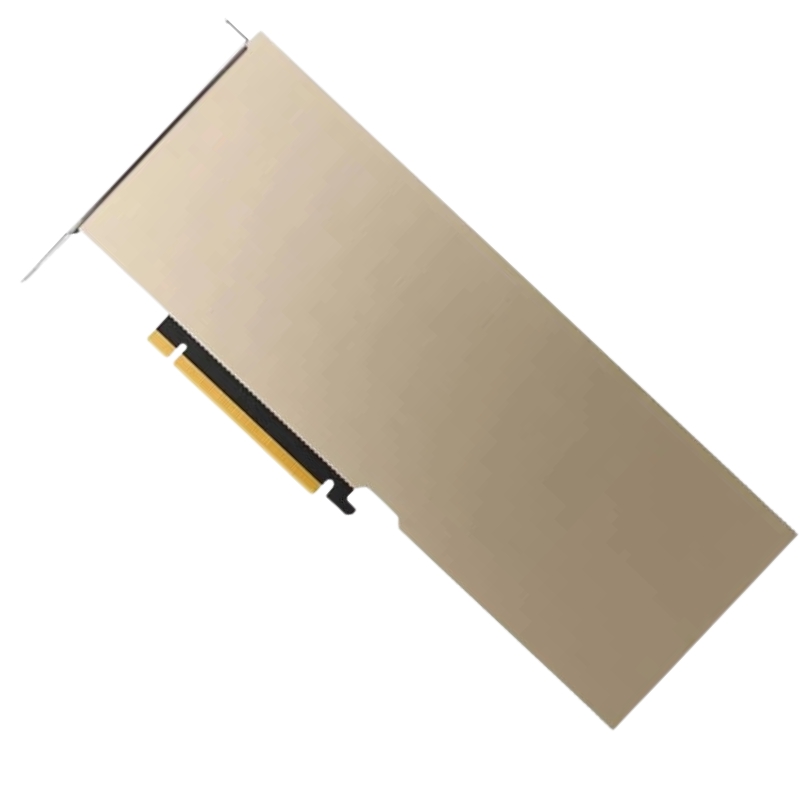


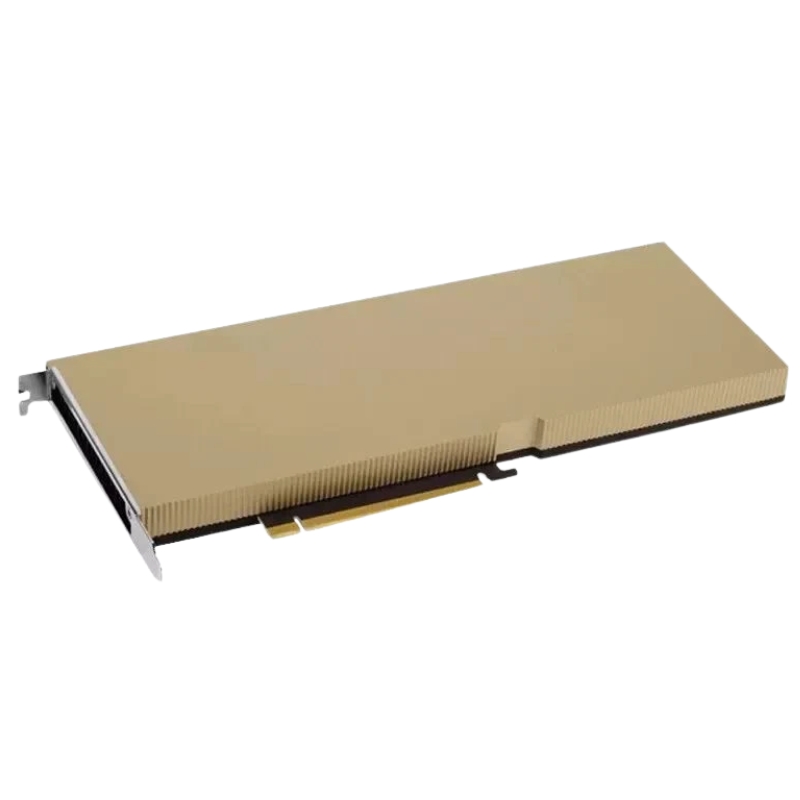
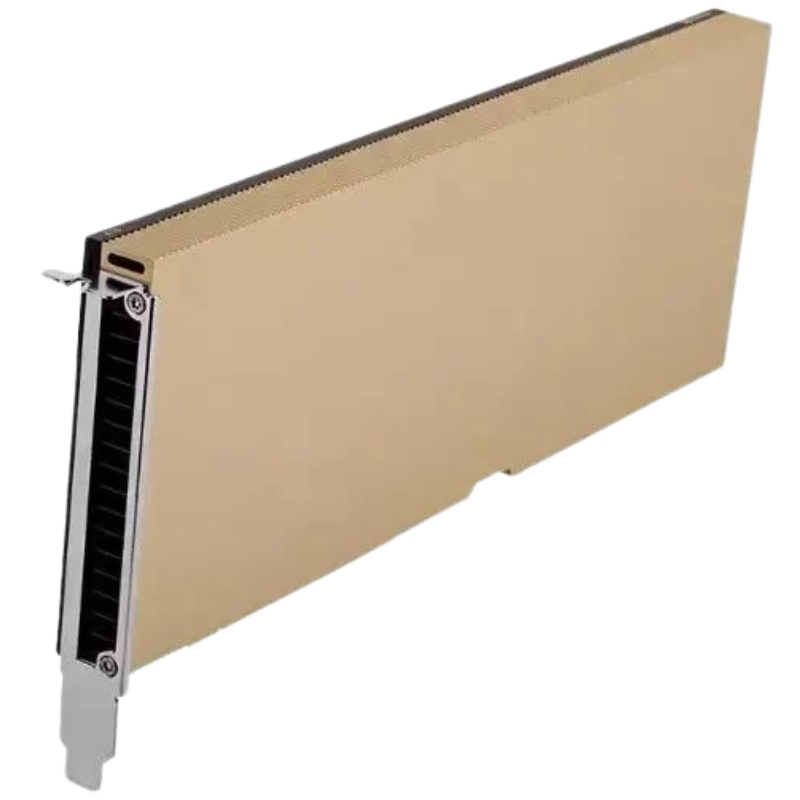
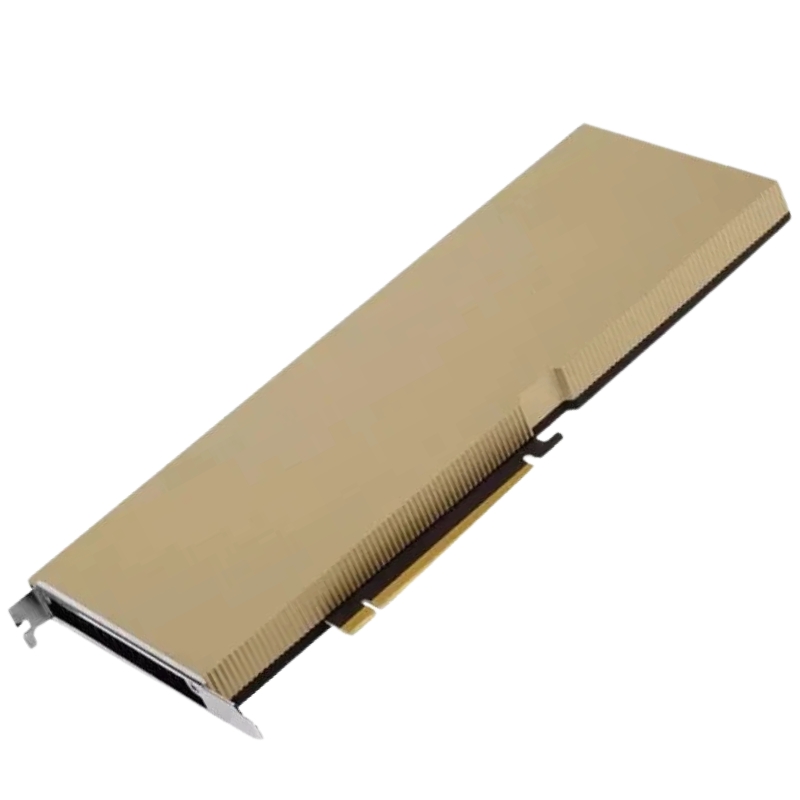
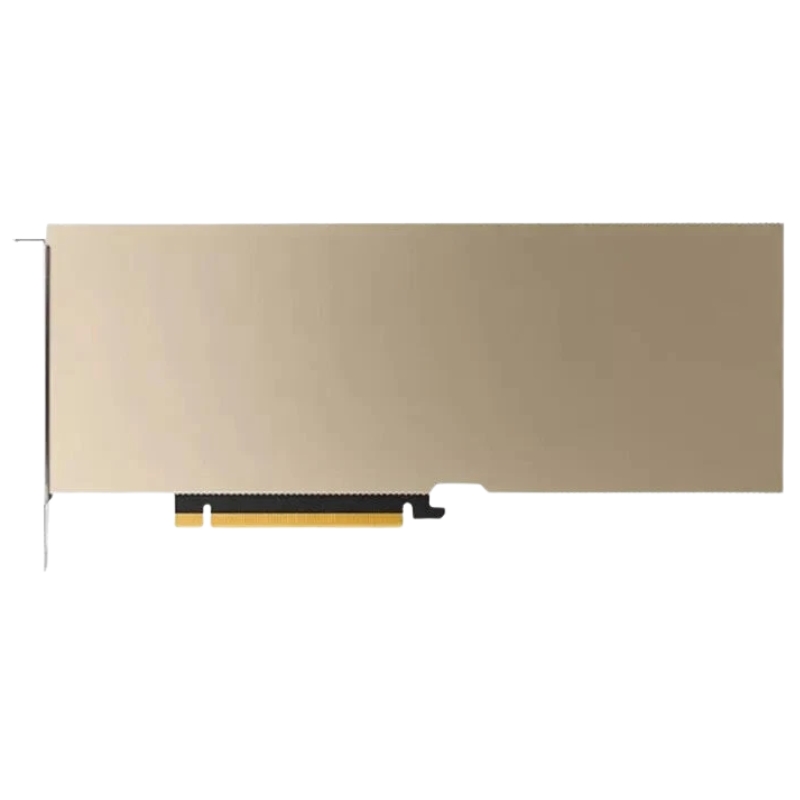
Nvidia 900-2G133-6220-030 Ampere A10 24GB GDDR6 384-Bit PCI-Express 4.0 X16 1X 8-Pin Passive Cooling Graphics Processing Unit. New Sealed in Box (NIB) with 3 Years Warranty. Call (ETA 2-3 Weeks)
The Nvidia 900-2G133-6220-030 Ampere A10 24GB GDDR6 384-bit PCI-Express 4.0 x16 passive cooling graphics processing unit represents a focused blend of high-density memory, broad memory bus architecture, and the Ampere-generation design philosophy aimed at professional, workstation and datacenter use. With 24 gigabytes of GDDR6 memory paired to a 384-bit memory interface, this A10 SKU is engineered to support memory-intensive visual compute tasks, large models for inference, multi-display or multi-VM workloads, and content creation pipelines that demand predictable throughput. The inclusion of PCI-Express 4.0 x16 ensures that the GPU can interface with modern motherboards and server platforms at elevated link bandwidths, allowing both single-card and multi-card configurations to take advantage of improved CPU-GPU transfer rates. The single 8-pin power input reflects a deliberate balance between power delivery simplicity and practical power headroom for many enterprise and professional deployments, while the passive cooling design signals that this card is optimized to be integrated into chassis and server environments with robust system-level airflow rather than relying on its own active fans.
Searchers and buyers focusing on the Nvidia Ampere A10 should pay attention to the combination of 24GB GDDR6 memory, the 384-bit memory bus, and PCIe 4.0 x16 compatibility. These three elements define the card’s ability to handle large textures, frame buffers, and datasets without frequent memory spilling to host RAM, while the wide 384-bit bus and GDDR6 modules contribute to sustained memory bandwidth relevant to real-time rendering, GPU-accelerated compute tasks, and machine learning inference. When optimizing for server integration, the passive cooling variant of this A10 requires chassis designs with directed airflow and consideration for inlet and exhaust paths to keep GPU junction temperatures within manufacturer guidelines. The single 8-pin power connector simplifies power routing inside dense racks and workstations but always requires calculating total system power draw when stacking multiple GPUs or combining with high core-count CPUs and NVMe storage arrays.
Based on the Ampere generation design principles, the A10 SKU is architected to provide improved per-watt compute density and enhanced mixed-precision performance compared to prior generations. For teams focused on inference and accelerated compute, Ampere’s architectural improvements translate into higher throughput for matrix operations and tensor workloads while maintaining predictable behavior for graphics and visualization tasks. This GPU shines when workload characteristics include both graphics rendering responsibilities and parallel compute demands, making it well-suited to mixed-use servers where virtual workstations, remote rendering, and inferencing pipelines coexist. The Ampere design also brings refined scheduling and improved utilization for workloads that scale across multiple processes and virtual machines, enabling more efficient GPU consolidation in datacenter and cloud-like setups.
The 24GB GDDR6 capacity combined with a 384-bit memory bus establishes the A10 as a high-memory, high-bandwidth option for professionals who require large per-GPU memory pools. Storage of high-resolution textures, large 3D scene datasets, complex simulation states, and extensive neural network parameters becomes feasible without fragmenting workloads across multiple cards. Memory bandwidth plays a direct role in throughput for both rendering and compute, and the 384-bit interface helps reduce memory-related stalls. For tasks that stream large datasets from system memory or storage, PCIe 4.0 x16 improves host-device transfer rates, reducing transfer bottlenecks and cutting iteration times during content creation or model retraining workflows. Sustained performance under long-running jobs is influenced by the passive thermal solution; in proper chassis with adequate airflow the card will maintain steady clocks and predictable performance, while constrained airflow can force thermal throttling which will impact sustained throughput.
Passive cooling means the Nvidia 900-2G133-6220-030 relies entirely on ambient chassis airflow to remove heat generated under load. This design is common for data center and blade systems where centralized, high-flow fans and directed ducts provide efficient thermal management. Integrators and system builders should ensure front-to-back or bottom-to-top airflow channels align with the card’s heat spreader and that intake temperatures remain within recommended limits. When installing a passive-cooled A10 in a multi-GPU server, it is essential to plan airflow per card, as stacked passive cards in a tightly-packed enclosure will require higher system fan speeds or improved ducting to prevent elevated die temperatures. Rack-level cooling, hot-aisle/cold-aisle arrangements, and the overall thermal budget must be considered in procurement and deployment phases to guarantee the passive card performs as expected without throttling or compromising longevity.
System integrators will appreciate the single 8-pin power connector as it simplifies cabling and reduces the number of required power rails per card, making dense configurations more manageable. Still, the total power budget for each host must be carefully calculated based on CPU, storage, memory, and peripheral demands to avoid overloading the PSU or triggering power management interventions. In many enterprise chassis, midplane power distribution and cable management are optimized for cards with minimal external connectors, but the 8-pin requirement must not be overlooked because it still places constraints on hot-swap bay placements and cable runs. Passive variants typically trade a bit of power headroom for silent, fanless on-card operation, pushing the responsibility for airflow and cooling to the system level rather than the individual GPU.
The Ampere A10 sits at an intersection between professional visualization and scale-out compute. For creative professionals, the A10 provides ample VRAM and bus width to drive complex 3D scenes, high-resolution compositing, color grading, and multi-layer texture workflows. For virtual desktop infrastructure and multi-user VDI scenarios, the 24GB frame buffer enables multiple virtual machines to be assigned substantial graphics memory, facilitating smooth remote CAD, BIM, or digital content creation sessions. In machine learning deployments focused on inference and model serving, the A10’s memory capacity allows for larger batch sizes or more parameters to be loaded per instance, improving latency and throughput for real-time services. When consolidated across servers, these GPUs can serve mixed workloads during a single maintenance window, delivering graphics services by day and inferencing tasks by night, provided platform orchestration and drivers are configured to match workload transitions.
Procurement teams should evaluate the Ampere A10 not only on raw specifications but also on how the passive cooling model maps to existing infrastructure. Understanding rack airflow, power distribution, and vendor certification are critical steps. Requesting thermal profiles, performing layout simulations or pilot installations, and auditing chassis fan maps will reduce the risk of underperforming deployments. In addition, procurers should confirm firmware and compatibility details with server OEMs; some vendors provide validated A10 configurations that include BIOS and firmware settings tuned for passive cards. Warranty terms, available support SLAs, and options for extended support are also key considerations when purchasing at scale for production environments.
Positioning the Nvidia 900-2G133-6220-030 within a procurement shortlist often requires comparing memory capacity, bus width, cooling approach, and interface generation. Cards with active cooling solutions may be more forgiving of constrained chassis airflow but can introduce noise and additional points of failure. GPUs with a smaller memory bus or less VRAM might be lower cost but will constrain workloads that require large, contiguous memory allocations. Conversely, full datacenter accelerators that emphasize raw tensor performance may surpass the A10 in specialized AI throughput but lack the memory bus characteristics or driver optimizations tailored for mixed graphics and compute workloads. The passive A10 is frequently chosen by organizations that need a quiet, rack-optimized, high-memory solution that integrates cleanly into standardized server deployments with robust system cooling.


 Contact Us
 Information
 Catalog
 Solid State Drives (SSD)
 Network Switches
 Hard Disk Drives
 HBA & Controllers
 PC & Servers
 PC & Server Memory
 CPU & Processors
 Network Routers
 Power Supplies
 Tape Drives & Libraries
 Network Devices
 Computer & Network Cables