(7% discount is applied at checkout)
Cart is empty
Your go-to destination for cutting-edge server products
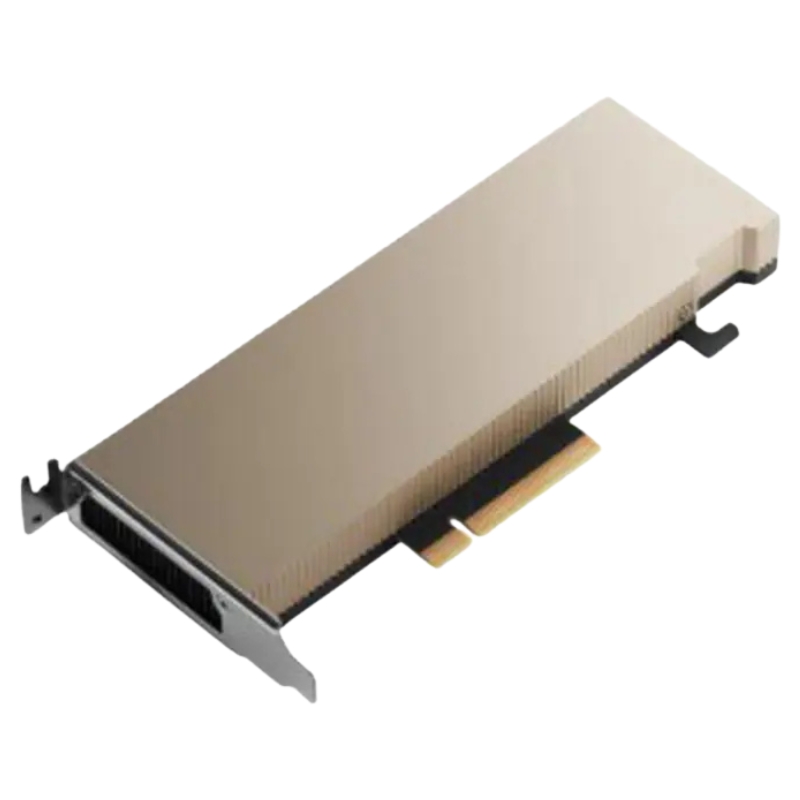


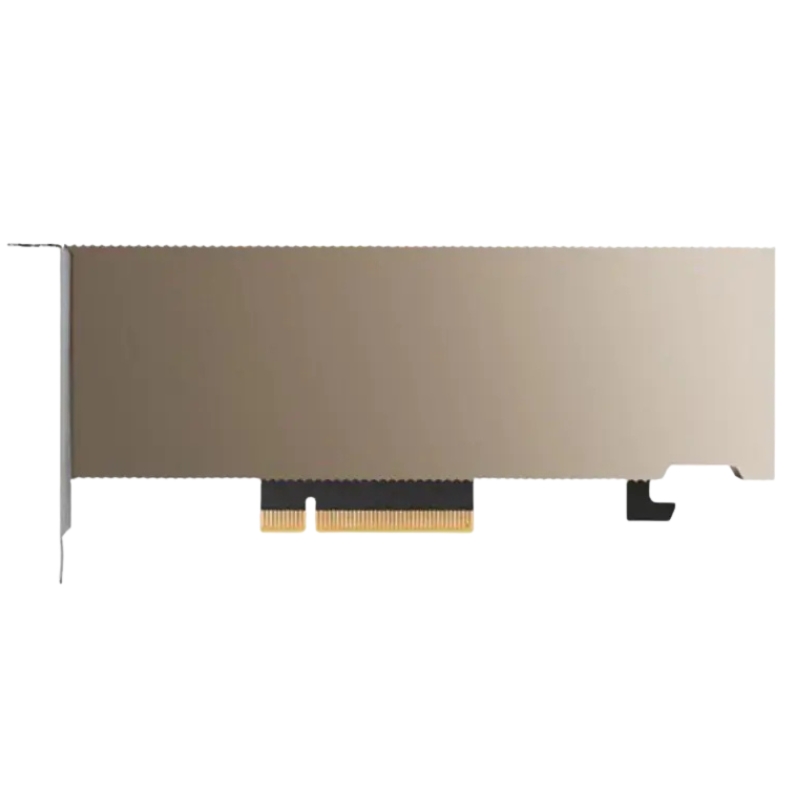
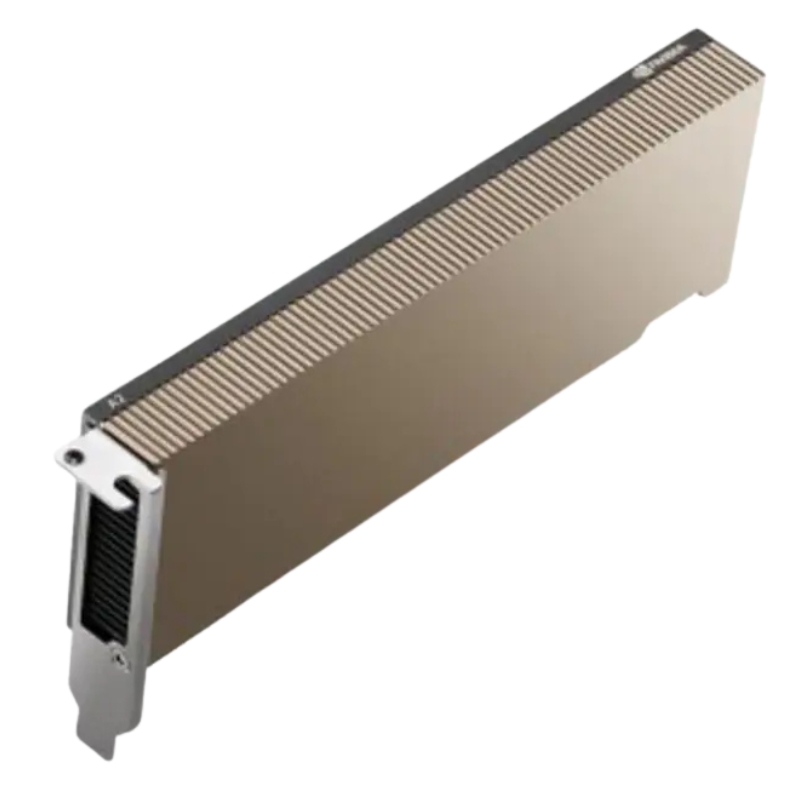
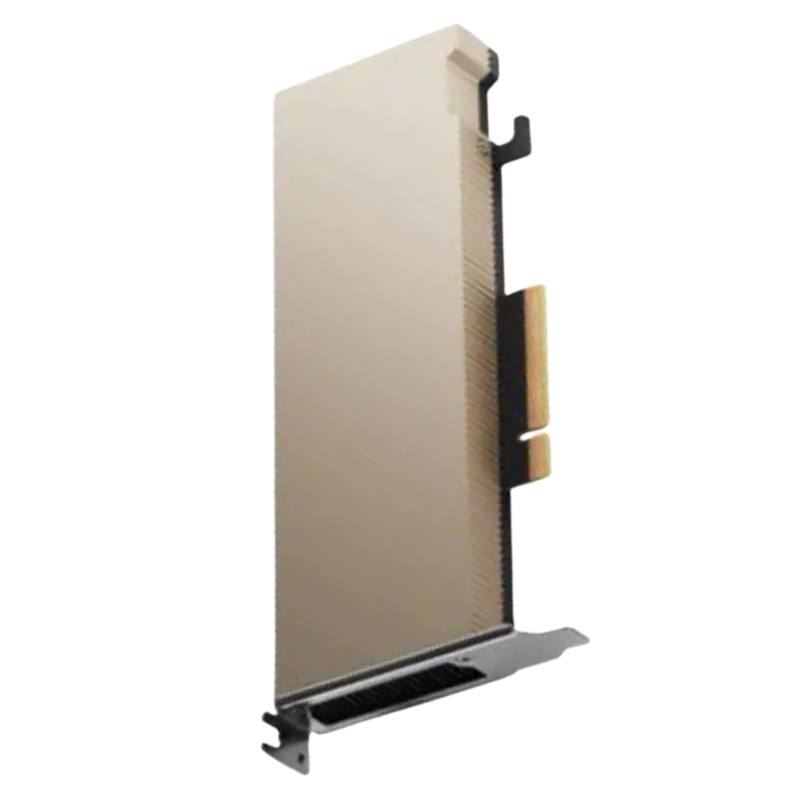
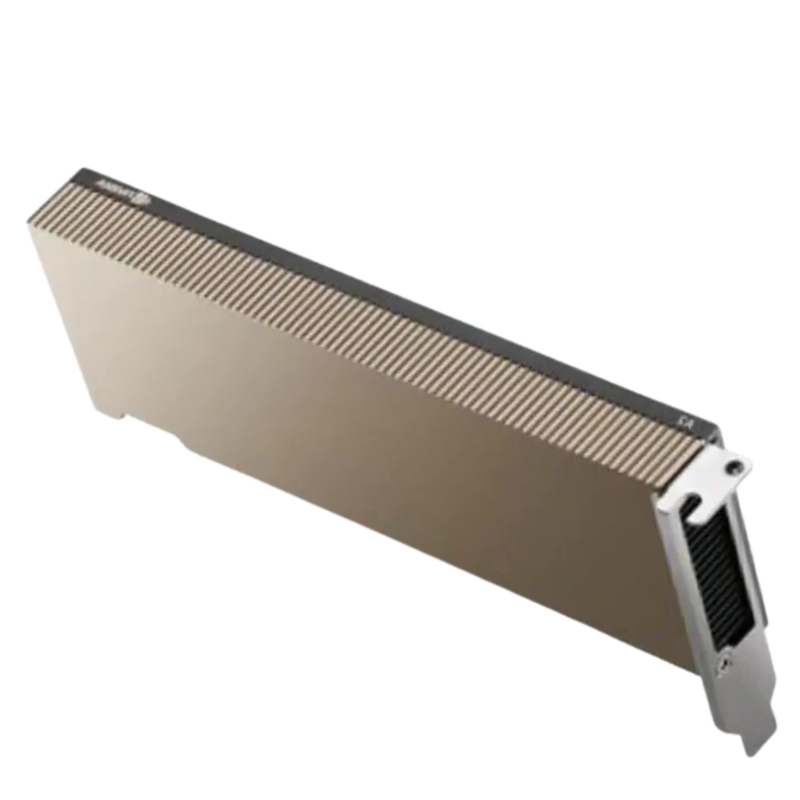
Nvidia 900-2G179-0020-101 A2 Computing Processor 16GB GDDR6 PCIe Gen4 x8 Tensor Core GPU. Excellent Refurbished with 1-Year Replacement Warranty
Explore the high-performance capabilities of the NVIDIA 900-2G179-0020-101 A2 low-profile GPU accelerator, engineered for intensive parallel processing and AI workloads. Featuring cutting-edge Ampere architecture and PCIe Gen4 x8 connectivity, this graphics processor delivers exceptional throughput and energy efficiency.
The Nvidia 900-2G179-0020-101 A2 Computing Processor 16GB GDDR6 PCIe Gen4 x8 Tensor Core GPU category covers a specialized class of server-grade, tensor-accelerated GPUs optimized for inference, edge data center workloads, and compact multi-GPU deployments. This description explains the model’s defining specifications, real-world performance characteristics, deployment scenarios, and buying considerations so engineers, procurement managers, and systems integrators can quickly decide if this A2 variant fits their infrastructure goals.
The A2 line is engineered for efficient tensor compute. It integrates Nvidia’s tensor core units optimized for lower-precision matrix math (FP16, INT8, BFLOAT16 and mixed precision modes) and offers meaningful throughput improvements for inference workloads compared to general-purpose GPUs of the same generation. The architecture emphasizes high compute per watt and minimal thermal overhead to suit dense rack deployments.
Tensor Cores accelerate matrix multiply and accumulate operations used heavily by deep learning models (transformers, convolutional networks, recommendation models). For inference, this model yields lower latency and higher queries-per-second (QPS), especially when models are quantized to INT8 or mixed precision formats. That makes the A2 series ideal for high-throughput, low-latency inference at the edge or inside microservices architectures.
The 16GB GDDR6 memory configuration provides a balance between model capacity and energy efficiency. GDDR6 offers lower latency and high bandwidth suitable for loading and executing moderate-size models without offloading to CPU memory excessively. This memory size supports many common production inference tasks (BERT variants, ResNet, YOLO families, recommender submodels) without model partitioning, and is ideal for slice-based multi-tenant deployments where multiple isolated containers share GPU memory across model instances.
Memory bandwidth is a critical factor for data movement heavy workloads (video analytics, batch preprocessing). The A2’s GDDR6 memory is tailored to feed tensor cores quickly while keeping power consumption low — balancing throughput for streaming video inference pipelines and batched NLP inference requests.
The PCIe Gen4 x8 interface enables higher raw host-to-device bandwidth than older PCIe generations, reducing transfer time for large input tensors and model payloads. While not the full x16 lane width used by some high-end accelerators, the x8 Gen4 link preserves excellent throughput while allowing tighter server density and fewer motherboard layout constraints — a common compromise for edge and mid-tier data center servers.
For inference and many production workloads, the bandwidth of PCIe Gen4 x8 does not bottleneck performance. Use cases where models are resident on device memory and execution is compute-dominated will see near-native performance. For extremely large models that constantly stream data between host and device, a wider interface (x16) could help; however, the A2’s balance favors dense, multi-GPU trays and cost-efficient racks.
Compared to full-height server GPUs targeted at training, the A2 is not marketed as a top training performer. Instead, it excels as an inference accelerator and compute-efficient node inside inference clusters. When comparing to other inference-focused cards, the A2 is often favored for its energy efficiency, lower TCO, and compatibility with dense server deployments.
The A2 GPU category is widely used for:
Real-time video analytics: object detection, multi-camera pipelines, live surveillance analytics.
Conversational AI and NLP: intent classification, smaller transformer models for chatbots and assistants.
Recommendation engines: low-latency inference for user personalization microservices.
Computer vision: automated inspection, robotics perception modules, and embedded vision servers.
Industries benefiting from these capabilities include telecommunications (edge inference for 5G), retail (in-store analytics), manufacturing (quality inspection), transportation (smart city infrastructure), and cloud/hosting providers offering inference as a service.The A2’s 16GB profile is amenable to virtualization (NVIDIA vGPU and containerized GPU sharing) for multi-tenant inference instances. This lets cloud providers and enterprises carve the card into several smaller logical devices to host multiple customers or microservices while avoiding the cost of dedicating a full high-end GPU per tenant.
Designed for dense server racks, the A2 variant is commonly available in single-slot or low-profile modules to fit into 1U/2U systems. Ensure chassis and motherboard compatibility for PCIe Gen4 x8 slots, and confirm available power rails meet the card’s TDP. Cooling considerations will vary by chassis — the A2 excels in thermally constrained environments but still benefits from robust airflow to sustain high sustained workloads.
Although built for efficiency, properly provisioning power (including transient spikes during warm-up) and ensuring directed airflow will minimize throttling. For dense servers, front-to-rear airflow with unobstructed intake is recommended; consider server-level thermal telemetry to track trends and schedule preventative maintenance.
Production use of this GPU category typically requires:
Latest NVIDIA drivers compatible with the server OS (Linux or Windows Server)
NVIDIA CUDA toolkit for custom compute kernels
TensorRT for optimized inference graphs and runtime acceleration
Containerization platforms such as Docker combined with NVIDIA Container Toolkit (nvidia-container-toolkit) for reproducible deployments
Software compatibility is crucial — always match driver versions with the CUDA and TensorRT stack used by your ML frameworks (PyTorch, TensorFlow, ONNX Runtime).For orchestration, Kubernetes with device plugins for GPU scheduling or specialized inference serving platforms (NVIDIA Triton Inference Server) will help scale model deployment, lifecycle management, and model versioning across A2 fleets. Use resource limits, node selectors and anti-affinity policies to maintain predictable performance under multi-tenant loads.
The Nvidia 900-2G179-0020-101 A2 16GB GDDR6 PCIe Gen4 x8 Tensor Core GPU category is purpose-built for efficient, scalable inference and edge data center use. Its combination of tensor core acceleration, compact form factor, and balanced memory capacity make it a compelling choice for teams building production inference fleets, multi-tenant GPU services, or dense GPU clusters where cost, energy efficiency and rack density matter. Use the technical guidance above to evaluate fit, plan integration, and optimize deployment for real-world performance and reliability.


 Contact Us
 Information
 Catalog
 Solid State Drives (SSD)
 Network Switches
 Hard Disk Drives
 HBA & Controllers
 PC & Servers
 PC & Server Memory
 CPU & Processors
 Network Routers
 Power Supplies
 Tape Drives & Libraries
 Network Devices
 Computer & Network Cables