(7% discount is applied at checkout)
Cart is empty
Your go-to destination for cutting-edge server products
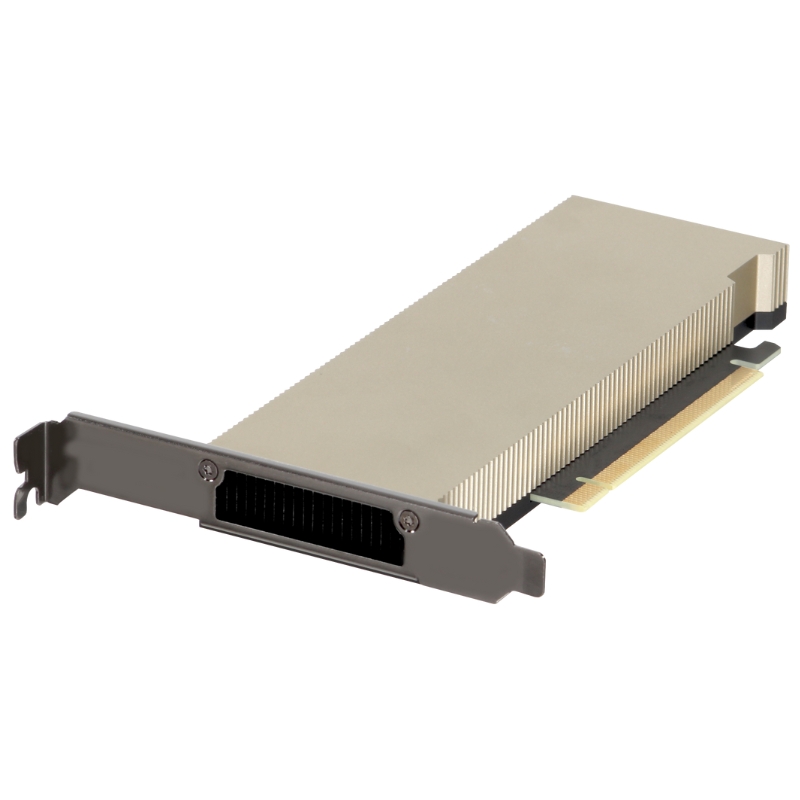


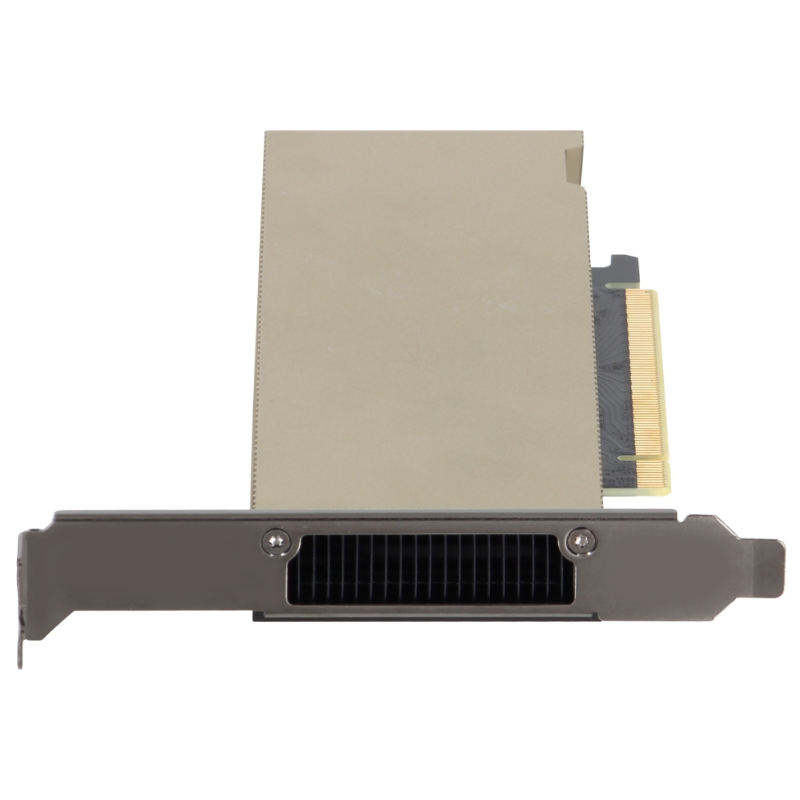
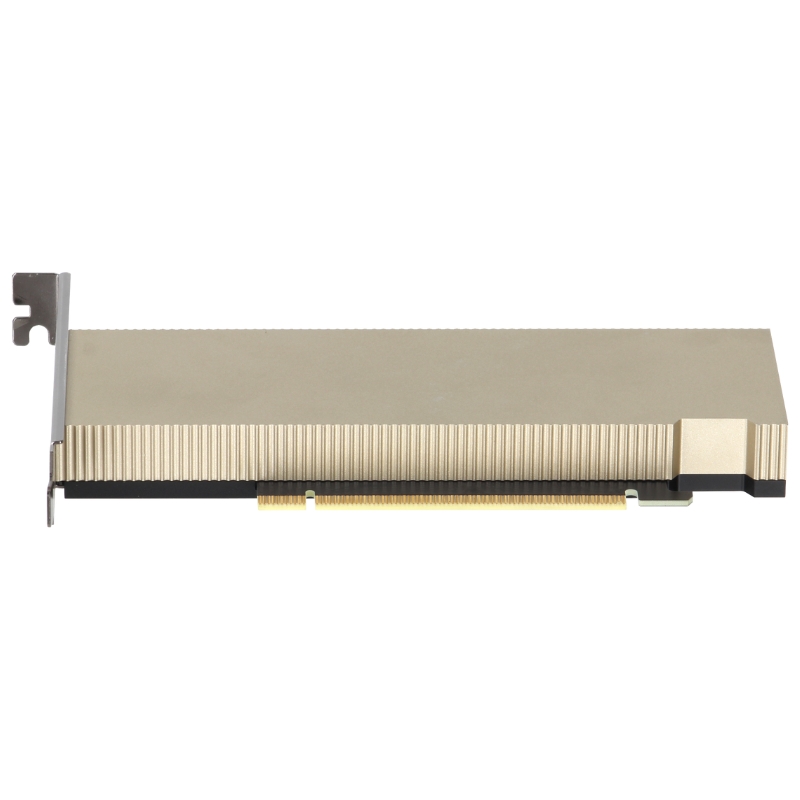
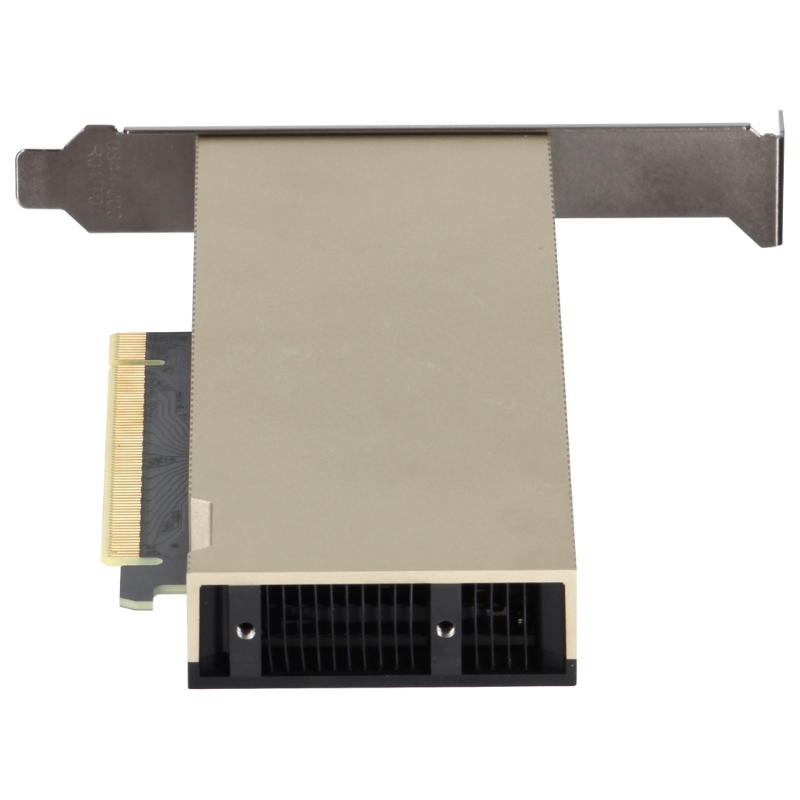
Nvidia 900-2G193-0000-001 24GB GDDR6 PCIe 4.0 x16 Computing Processor Fanless L4 GPU. Eta 2-3 Weeks. New Sealed in Box (NIB) with 3 Years Warranty. No Cancel No Return
The NVIDIA 900-2G193-0000-001 L4 GPU is a high-efficiency, low-profile graphics accelerator designed for advanced workloads including AI inference, video processing, virtualization, and visual computing. Built on the cutting-edge Ada Lovelace architecture, this fanless GPU delivers exceptional performance with minimal power draw, ideal for edge deployments, data centers, and cloud environments.
The Nvidia 900-2G193-0000-001 24GB GDDR6 PCIe 4.0 x16 Computing Processor Fanless L4 GPU represents a focused solution in the segment of compact, passively cooled accelerators for modern AI inference, VDI workloads, media processing, and dense edge/server deployments. Built around a 24GB GDDR6 memory subsystem and a full PCIe 4.0 x16 interface, this fanless L4-class card is designed to deliver sustained, reliable throughput in constrained thermal environments where active cooling or chassis airflow may be limited.
This category and its subcategory pages target IT architects, DevOps engineers, AI/ML practitioners, system integrators, and procurement teams seeking compact compute accelerators that prioritize quiet operation, low-maintenance reliability, and consistent performance under sustained workloads. Typical buyers include organizations building
Emphasizing practical value for real-world deployments, this fanless L4 GPU category highlights a consistent set of features that matter for purchase decisions and on-site integration:
24GB GDDR6 of high-bandwidth graphics memory provides a comfortable capacity for model weights, inference batch buffering, and video frame buffering. The PCIe 4.0 x16 interface ensures wide bandwidth between host and accelerator, reducing host transfer bottlenecks for large models or multi-stream media processing.
The passive, fanless thermal solution is a primary differentiator. Instead of integrated fans, heat is managed through an external chassis or heatsink design. Benefits include:
Zero onboard moving parts — lower failure rates and quieter operation.
Better suitability for sealed, dust-prone, or vibration-sensitive environments.
Predictable thermal throttling profiles when installed in recommended chassis with adequate heat dissipation.
The L4-class positioning indicates a card optimized for inference and media workloads rather than raw double-precision scientific compute. Expect strong performance for AI model inference (quantized or FP16/FP32 workflows), multi-stream video decode/encode, and accelerating inference pipelines within Kubernetes, Docker, or bare-metal servers.
This card category is purpose-built for integration into a wide range of platforms: rack servers, edge boxes, small form-factor workstations, and specialized appliances. The PCIe 4.0 x16 electrical connection is backward-compatible with PCIe 3.0 systems (with reduced link bandwidth), while driver and software stacks from Nvidia provide ecosystem support for popular frameworks and virtualization solutions.
The physical architecture of an L4 fanless accelerator balances thermal envelope, memory capacity, and interface throughput. When assessing the Nvidia 900-2G193-0000-001 or similar fanless 24GB GDDR6 cards, pay attention to:
PCIe x16 edge connector provides the primary host link.
Typical passive L4 cards rely on chassis conduction or full-height bracket heatsinking; confirm whether your server requires a secondary power connector or relies solely on the PCIe slot power budget. Always verify power requirements in the product datasheet prior to procurement.
Fanless cards often use extended heatsink profiles or full-coverage shields that must be accommodated by the chassis. Note card height (low-profile vs. full-height) and bracket configuration (single-slot vs. dual-slot) to ensure mechanical fit.
For optimal results, install the card in chassis designs that provide passive airflow across the heatsink or direct conduction paths to larger chassis cold plates.
A crucial factor for category buyers is the ecosystem compatibility. The L4 family is supported by Nvidia’s established driver and software stack which integrates with:
Official GPU drivers and CUDA runtimes for CUDA-aware applications and libraries.
AI frameworks — TensorFlow, PyTorch, ONNX Runtime — via vendor-optimized builds or runtime accelerators.
Containerized deployments — NVIDIA Container Toolkit for Docker and Kubernetes.
Virtualization — GPU pass-through (PCIe passthrough), vGPU options where supported by the vendor.
Hardware-accelerated media — hardware encode/decode APIs to offload video pipelines.
Keep drivers and firmware updated to the versions recommended by Nvidia and your server ODM. For production inference clusters, lock down driver versions in your CI/CD pipelines and include driver validation steps in staging to prevent regression risks and ensure reproducible performance.
While raw benchmark numbers vary by model and release, the L4 24GB fanless category reliably targets the following workloads:
Low-latency inference for computer vision, speech, and natural language models at the edge.
Batch and multi-instance inferencing for simultaneous streams, ideal for retail analytics, robotics perception, and smart-city deployments.
Real-time multi-channel video encode/decode for streaming, surveillance, and broadcast applications. Hardware acceleration reduces CPU load and improves density for media farms.
Support for virtual desktop density use cases where multiple users share an accelerator for graphics or compute-intensive desktop applications. Fanless operation reduces noise for office deployments and branch-office servers.
Suitable for deployments in dust-prone or vibration-sensitive settings where fans would accelerate wear. Fanless L4 cards are commonly adopted in rugged edge boxes, in-vehicle servers, or compact appliances.
The fanless L4 24GB card occupies a specific niche. Consider alternatives if:
Your workloads require sustained peak throughput without throttling and your server environment provides robust active airflow.
You need specialized double-precision compute or maximum FP64 performance for HPC workloads.
You plan very large model training rather than inference — training often benefits from higher-memory, actively cooled accelerators.
When evaluating alternatives, compare on three axes: memory capacity, thermal solution, and software/driver compatibility. Cards with similar memory but active cooling can sometimes deliver higher sustained throughput at the cost of noise and increased maintenance.
The fanless L4 24GB category is frequently chosen for these representative patterns:
In retail or municipal edge deployments, the card enables simultaneous local inference on multiple camera streams for object detection, people counting, or anomaly detection. The passive design reduces maintenance visits and enables sealed edge enclosures.
Media farms stack multiple fanless cards in compact 1U/2U form factors (with engineered conduction paths) to transcode incoming video feeds. Offloading encoding tasks to hardware accelerators increases throughput and reduces CPU overhead for orchestration tasks.
Small office branch servers can host one or two fanless L4 cards to accelerate user desktops or CAD/visualization workloads while maintaining a quiet office environment.


 Contact Us
 Information
 Catalog
 Solid State Drives (SSD)
 Network Switches
 Hard Disk Drives
 HBA & Controllers
 PC & Servers
 PC & Server Memory
 CPU & Processors
 Network Routers
 Power Supplies
 Tape Drives & Libraries
 Network Devices
 Computer & Network Cables