(7% discount is applied at checkout)
Cart is empty
Your go-to destination for cutting-edge server products
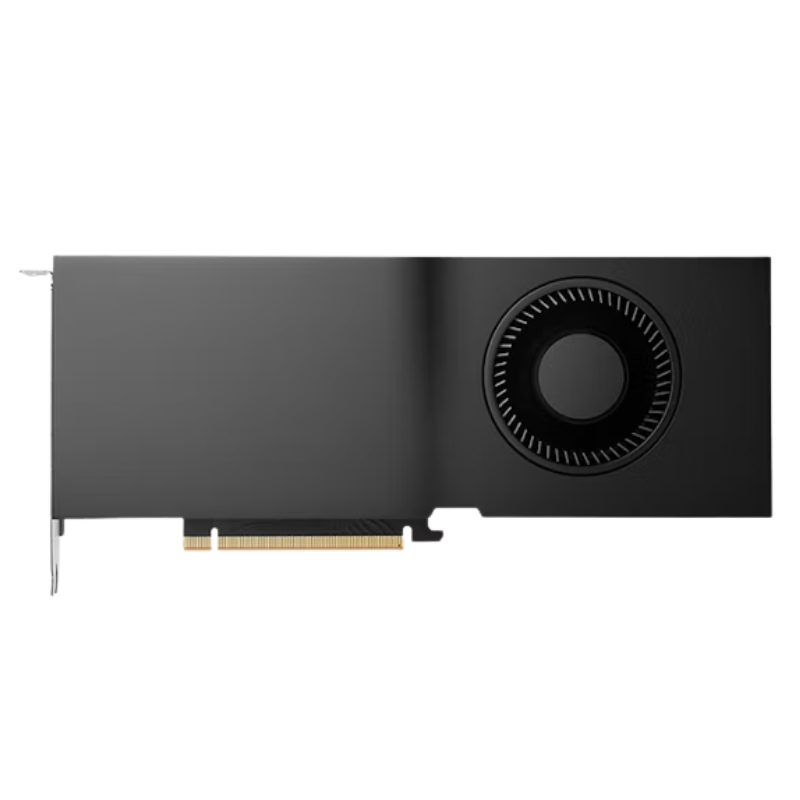


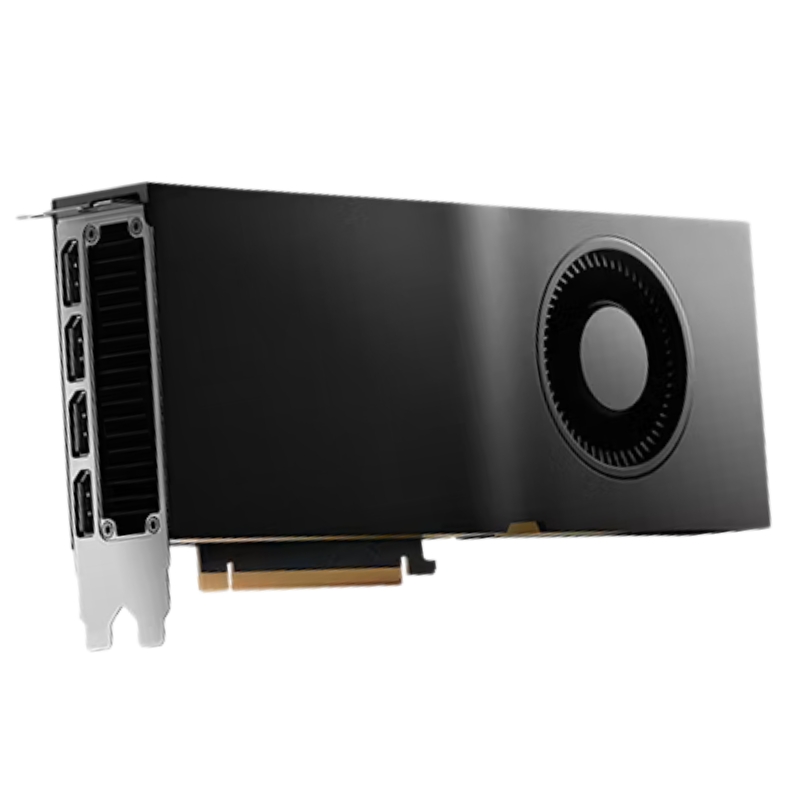
Nvidia 900-5G132-0340-000 32GB GDDR6 Quadro RTX 5000 Ada Generation Graphic Card. New Sealed in Box (NIB) with 3 Years Warranty. Call. Eta 2-3 Weeks.
Nvidia 900-5G132-0340-000 32GB GDDR6
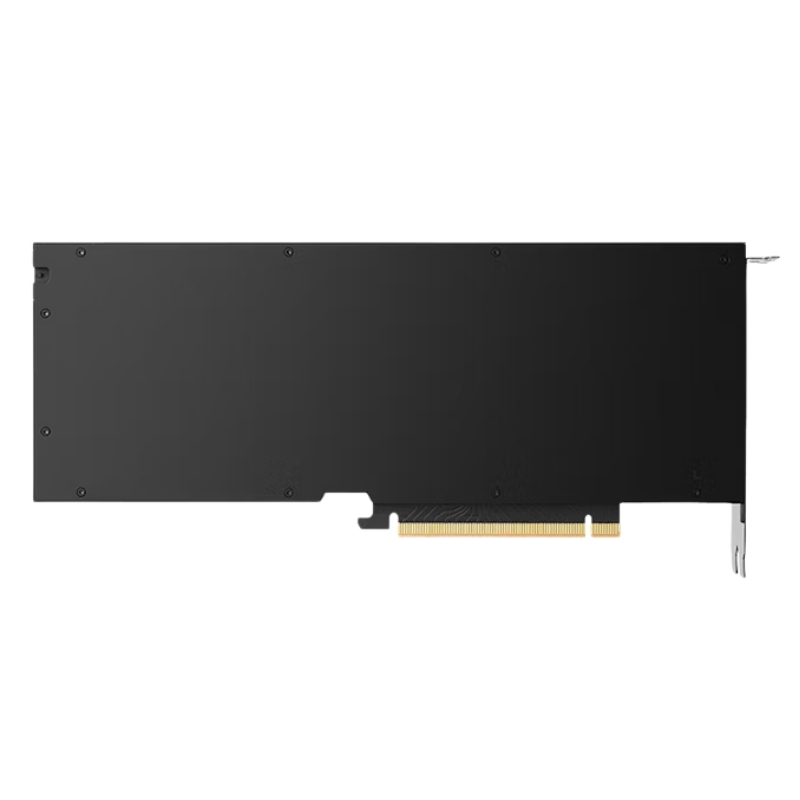
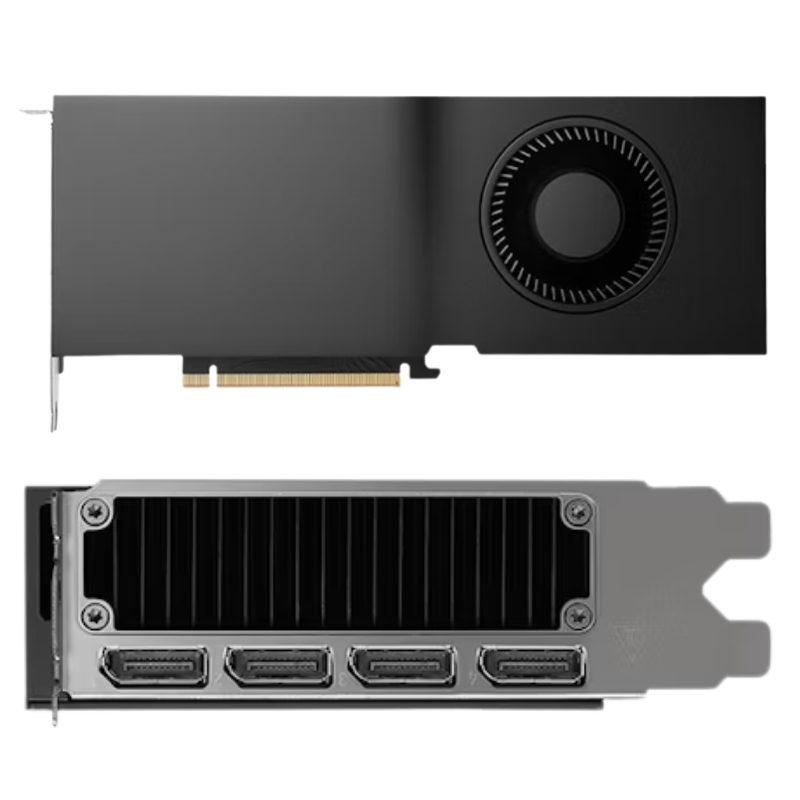
The Nvidia RTX 5000 Ada Generation (part number RTX5000ADA) is a high-performance professional graphics card engineered for advanced visualization, AI-accelerated workflows, and CAD/CAE rendering. Featuring 32 GB GDDR6, a 256-bit memory bus, and PCI Express 4.0 x16, it delivers robust throughput for complex scenes and data-heavy pipelines. Ideal for modern workstations requiring reliability, precision, and low-latency compute.
Built on Nvidia’s Ada architecture, the RTX 5000 balances compute density and visualization fidelity for professional pipelines. The chipset is purpose-designed to accelerate ray tracing, denoising, and AI features without compromising viewport interactivity. Clock profiles enable responsive performance across a wide range of applications.
The card’s memory subsystem is configured for high-capacity workloads with excellent sustained bandwidth. Its 32 GB GDDR6 and 256-bit interface provide the headroom needed for complex geometries, large assemblies, and multi-layer compositing.
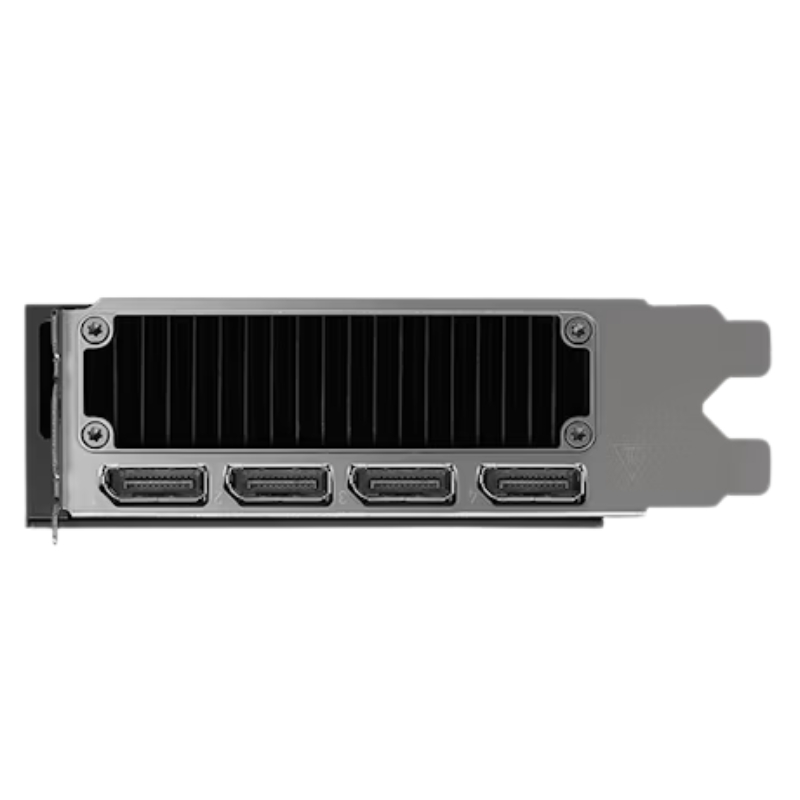
Designed for professional visualization suites, the RTX 5000 offers reliable connectivity and multi-display flexibility. Its PCIe 4.0 interface keeps data moving efficiently, while four DisplayPort outputs enable immersive and calibrated multi-monitor configurations.
The GPU is a plug-in card form factor for standard workstation chassis, ensuring straightforward installation and serviceability. Its design aligns with professional thermal and mechanical requirements for 24/7 reliability.
With a 250 W power envelope, the RTX 5000 balances cutting-edge performance with efficient operation, suitable for modern workstations and managed power budgets. Proper airflow and PSU provisioning are recommended for sustained peak loads.
Built on the Ada architecture, the Quadro RTX 5000 Ada generation inherits architectural improvements designed for ray-traced rendering, accelerated rasterization, and next-gen AI features. While this category page avoids claiming exact silicon counts, it emphasizes the Ada family's practical advantages: more efficient ray tracing per watt, refined AI acceleration primitives, and modern media engines for streaming and encoding tasks.
Professionals choosing this SKU expect high-quality real-time previews and faster final-frame renders. Ada-based optimizations make real-time ray-traced look development and scene iteration noticeably more productive compared to older generations. The category description emphasizes visual fidelity, reduced iteration time, and improved viewport responsiveness for complex scenes with multiple light bounces, volumetrics, and high-polish materials.
Ada includes dedicated AI acceleration hardware that speeds up denoising, upscaling, and neural-based image operations. For studios deploying neural denoisers in rendering pipelines, or teams running GPU-accelerated inference workloads on sets of frames or batches of images, this SKU’s architecture accelerates those workloads while the expanded 32GB frame buffer ensures larger batch sizes and higher-resolution inputs without swapping to host memory.
The defining selling point for this category is the 32GB GDDR6 memory configuration. From a practical perspective, larger VRAM means:
Ability to load larger textures, displacement maps, and volumetric caches without frequent texture streaming pauses.
Simplified handling of very large CAD assemblies or forensic visualization datasets without relying on host memory for critical working sets.
More headroom for multi-application workflows—renderer + DCC + real-time preview—running simultaneously on a single workstation.
To get the most out of a 32GB card, recommend practical strategies: use tiled or UDIM textures strategically, enable out-of-core rendering features when supported (but prefer keeping primary scene assets in GPU RAM), and make sure drivers are set to professional mode in workstation settings to reduce unnecessary system-level memory overhead.
Instead of raw synthetic scores, this category stresses real-world performance expectations across job types. The Ada-generation Quadro RTX 5000 in 32GB form excels where memory limits are the bottleneck; it offers consistent performance across long sessions and large datasets where other cards experience thrashing or caching slowdowns.
For VFX pipelines, the expanded memory allows artists to composite larger frames, use higher-res plates and render multiple layers in RAM for faster iterative feedback. It enables smoother playback of timelines in editors when multiple high-resolution streams are present.
Large assemblies no longer need to be stripped down for viewport interaction. Designers benefit from more interactive modeling and instantaneous geometry updates while simultaneous simulation tools can use GPU-accelerated solvers without painful memory swapping.
Big volumetric datasets, LiDAR point clouds, and geospatial raster stacks are better handled with increased VRAM, making exploratory visualization and multi-layer analysis significantly faster and less error-prone.
A key selling point for Quadro-series GPUs is ISV certification and workstation drivers tuned for professional applications. This category emphasizes compatibility and certification for software commonly used in the target workflows—Autodesk, Dassault Systèmes, Adobe, Blackmagic, Siemens NX, and major rendering engines. Use phrase patterns such as "ISV-certified GPU drivers" and "stable workstation drivers for professional apps" to capture search intent.
Buyers will look for clear guidance on supported operating systems and driver update policies. Include notes advising customers to install the latest workstation drivers from NVIDIA's professional driver channel and to consult ISV compatibility lists for mission-critical production environments. Mention virtualization and multi-user GPU features when relevant—these are often search triggers for enterprise procurement teams.
This category should clearly explain physical compatibility and system requirements to reduce returns and compatibility issues. Even professional GPUs can be limited by case size, PCIe slot layout, power supply capacity, and chassis airflow. Use subsections that are easy to scan:
Explain minimum PSU wattages for a workstation-class system running this card alongside pro CPUs and storage arrays. Recommend ensuring adequate headroom for peak loads and for any attached PCIe devices. Mention typical connector types (e.g., 8-pin/12VHPWR variants may be used on modern cards) without asserting any single connector type for the SKU unless explicitly known focus on general best practices: check the product’s documentation and use certified power adapters when necessary.
For professional 24/7 workloads, quiet and reliable cooling is important. Give recommendations: prioritize chassis with directed airflow, avoid obstructed intake/exhaust, and consider blower-style or hybrid cooling variants for multi-GPU racks and dense workstations. Explain that thermal throttling can reduce sustained throughput on long rendering or simulation runs and that proper case ventilation ensures steady performance.
The category should help buyers verify compatibility with motherboards (PCIe lanes and slot spacing), CPUs (to avoid bottlenecking), and popular workstation chassis. Provide a short checklist for customers to confirm before purchase, reducing post-sale headaches.
Position this category as part of a responsible lifecycle plan: when to upgrade, how to scale across teams, and the economics of moving from consumer GPUs to workstation Quadro models. Use language that helps procurement and IT teams justify the decision—lower downtime, longer driver support windows, and predictable ISV-certified behavior.
Offer patterns for scaling: single-seat upgrades for artists working on heavier shots, fleet upgrades with staggered deployment to avoid major capital outlays, or cluster approaches where several GPUs support a render farm or ML inference cluster. Each path has tradeoffs in cost, power, and manageability—outline them plainly so buyers can match the SKU to their operational model.


 Contact Us
 Information
 Catalog
 Solid State Drives (SSD)
 Network Switches
 Hard Disk Drives
 HBA & Controllers
 PC & Servers
 PC & Server Memory
 CPU & Processors
 Network Routers
 Power Supplies
 Tape Drives & Libraries
 Network Devices
 Computer & Network Cables