(7% discount is applied at checkout)
Cart is empty
Your go-to destination for cutting-edge server products
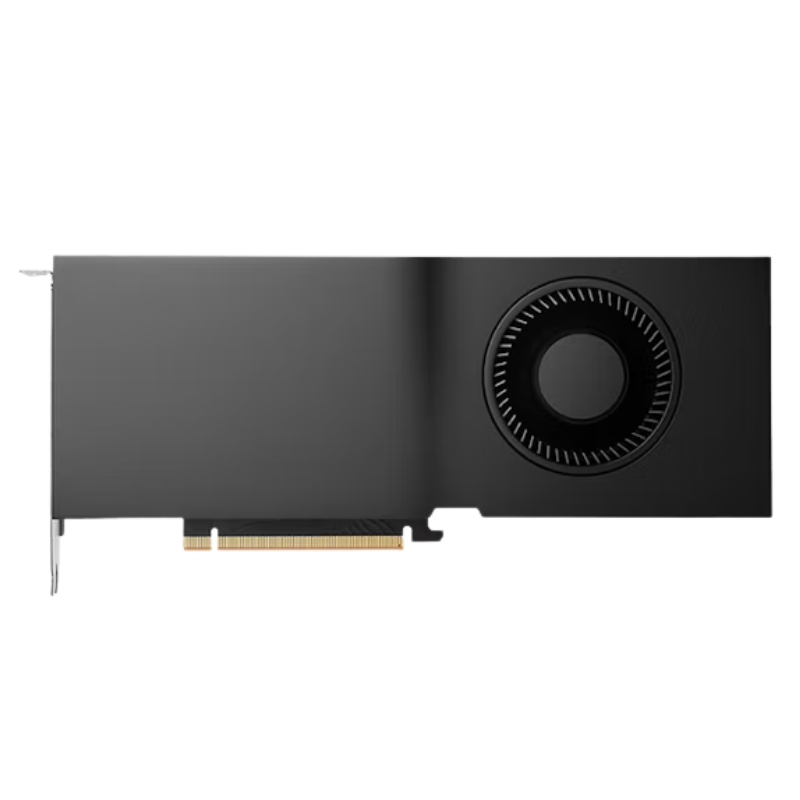


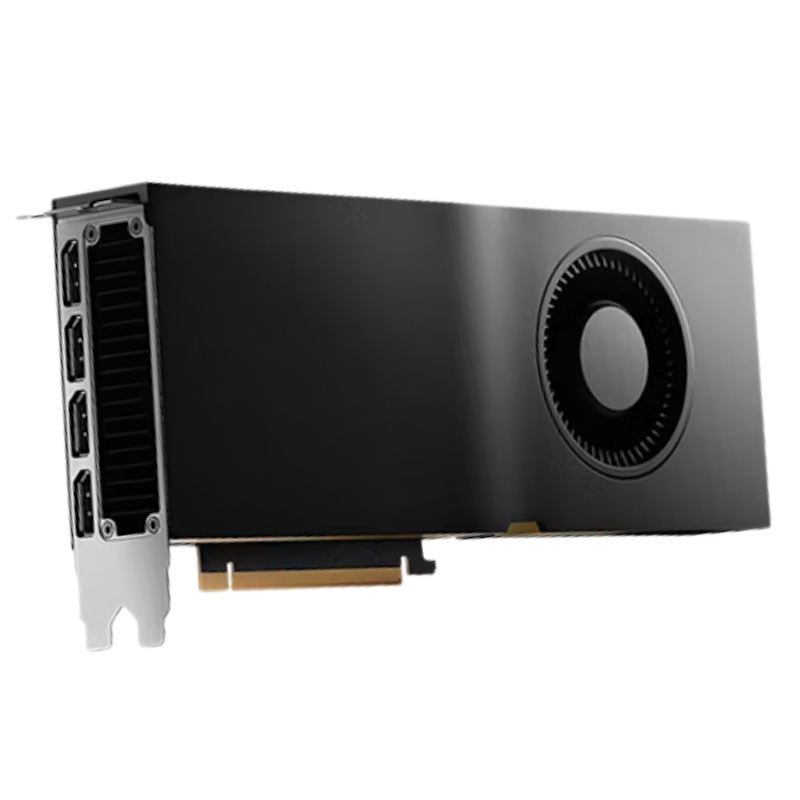
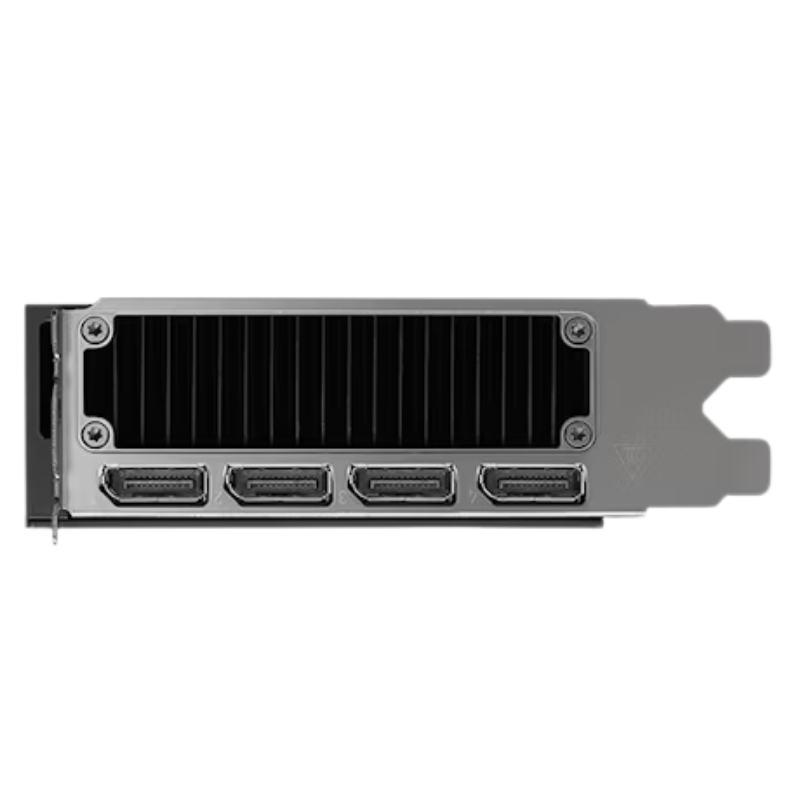
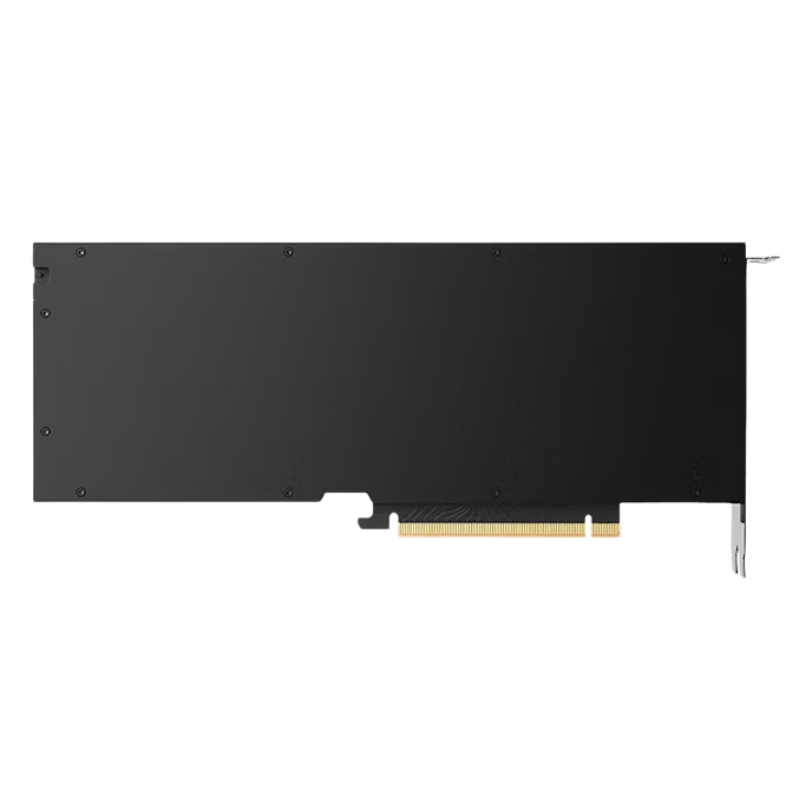
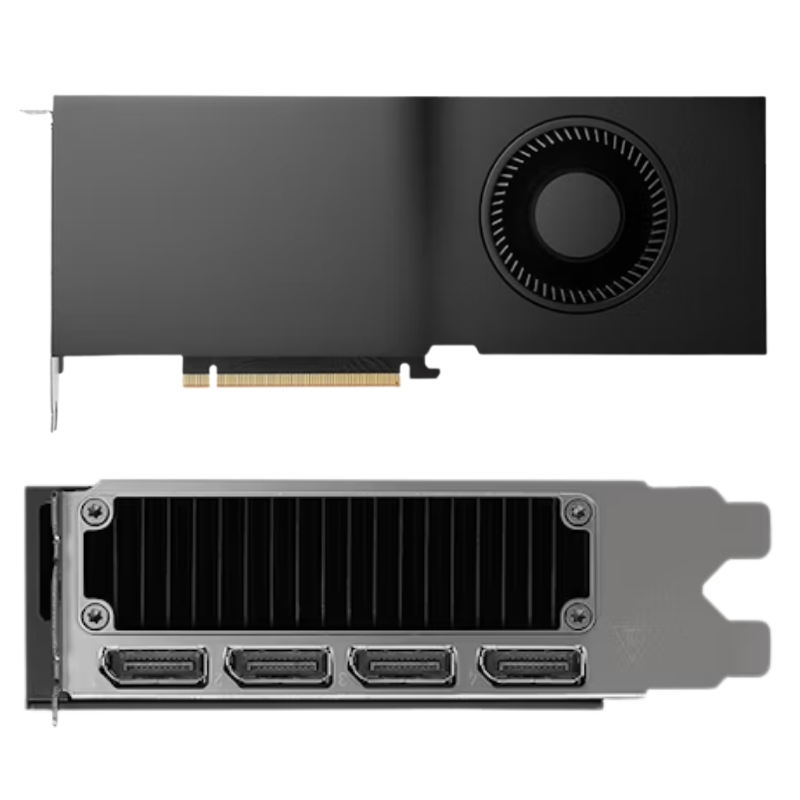
Nvidia 900-5G132-2240-000 32GB GDDR6 Quadro RTX 5000 RTX A5000 PCIe 4.0 x16 4 x DisplayPort Graphics Card. New Sealed in Box (NIB) with 3 Years Warranty. Eta 2-3 Weeks.
The Nvidia 900-5G132-2240-000 32GB GDDR6 Quadro RTX 5000 RTX A5000 PCIe 4.0 x16 Graphics Card delivers exceptional performance, efficiency, and compatibility for both professional creators and advanced gamers. With a powerful 32GB GDDR6 SDRAM and a 256-bit memory interface, this GPU ensures high-speed data processing, superior rendering, and unmatched graphical fidelity.
The Nvidia 900-5G132-2240-000 represents a powerful class within the professional workstation graphics category, combining specifications that appeal to demanding 3D designers, scientific visualization engineers, AI researchers, and visual effects professionals. Underlying this product is the heritage of the Quadro RTX and RTX A5000 lines, designed for heavy-duty compute, rendering, simulation, and production workloads. In this category (and its subcategories), you'll find cards that offer high memory bandwidth, large VRAM capacities (like 32 GB GDDR6), PCIe 4.0 x16 interface, multiple DisplayPort outputs, and optimized drivers for stability and performance.
A defining feature of this category is the large onboard memory — typically 32 GB GDDR6 — which allows users to handle large datasets, complex scenes, and high-resolution textures without running out of VRAM. Because modern workflows often demand loading large models or volumetric data, 32 GB gives a comfortable headroom for many professional applications.
Complementing the memory is the PCIe 4.0 x16 interface, which doubles the available bandwidth compared to PCIe 3.0 lanes. That extra bandwidth matters when transferring massive geometry, simulation data, or real-time frames between CPU and GPU. In many workstation systems, the bottleneck shifts from memory or core performance to I/O, so supporting PCIe 4.0 ensures the GPU can be fed optimally.
In this category, GPUs typically offer four DisplayPort outputs (e.g. 4×DisplayPort), enabling support for multi-monitor setups, 5K/8K displays, and VR configurations. For professionals working with large canvases, multiple displays, or tiled display walls, this flexibility is vital. The GPU can drive multiple high-resolution monitors concurrently — for example, 4k@120 Hz or 5k@60 Hz each — depending on downstream cabling and monitor specs.
These cards are built upon Nvidia’s Ampere or Turing architecture (depending on model), with dedicated CUDA cores for general compute, RT cores for ray tracing, and Tensor cores for AI inferencing and denoising. For workloads such as real-time ray-traced rendering, AI denoising in rendering pipelines, or neural network inference directly on GPU, these cores make a significant difference. The architecture ensures that the card is not just a display adapter but a full-fledged compute accelerator.
While the original “Quadro RTX” branding is widely recognized, Nvidia has shifted toward naming in the RTX A series (e.g. RTX A5000) for professional cards. In practice, the hardware and driver optimizations remain the same, with the A-series emphasizing AI and compute workloads. In this category page, you’ll see subcategory splits:
Quadro RTX 5000 / Quadro RTX series — legacy branding, stable drivers, long track record in DCC (digital content creation) workflows.
RTX A5000 / Ampere-based workstation GPUs — newer architecture, enhanced performance per watt, stronger AI and Tensor core enhancements.
All products under the 900-5G132-2240-000 SKU umbrella fall into the intersection of these classifications, marketed under either Quadro RTX or RTX A series depending on vendor firmware or driver suite.
Within this category, you may also see variants in VRAM size, such as 16 GB or 32 GB, or even ECC memory versions tailored for high-reliability computing. Some GPUs are optimized for double-precision workloads or ECC—these belong to a sub-subcategory of “ECC-enabled professional GPUs.” However, the 32 GB version (as captured in SKU 900-5G132-2240-000) sits at the higher end of the standard workstation tier, targeting users with demands for heavy dataset processing.
This category also includes variations by cooling methodology — blower-style single-slot, dual-fan open-air, and liquid-cooled or hybrid designs. Depending on your workstation chassis, airflow, and acoustics requirements, you may prefer one style over the others. The SKU name typically denotes the reference design or blower variant (often used in workstation towers or GPU enclosures).
For 3D artists, architectural visualization professionals, game-engine developers, and VFX studios, this GPU class is expected to excel in rendering tasks — whether ray-traced or hybrid raster/RT pipelines. In benchmarking suites like OctaneBench, V-Ray, and Blender, the Quadro RTX / RTX A5000 class competes strongly with consumer cards but with advantages in driver stability, certified ISV (independent software vendor) support, and reliability in long-duration renders.
Real-time rendering in Unreal Engine, Unity, or other interactive visual environments also benefits from this class’s RT core and Tensor core synergy, enabling features like real-time ray tracing, DLSS upscaling, denoising, and AI-accelerated effects while maintaining stable frame rates at high resolution.
Because these GPUs have a high count of CUDA cores and abundant memory bandwidth, they handle GPU compute workloads efficiently — from scientific simulation to deep learning training and inference. In AI workflows, Tensor cores accelerate matrix multiplications critical for neural network layers and inference. The 32 GB VRAM allows for larger batch sizes, more complex models, or preloading datasets.
An advantage over consumer GPUs is the inclusion of professional driver stacks and features such as ECC support (in some variants), extended-duty cycles, and better thermal management under sustained load — all of which matter for AI labs and compute clusters.
High memory bandwidth is essential for feeding the GPU cores quickly. With GDDR6 memory and optimized memory controller design, the cards in this class typically deliver hundreds of GB/s of throughput. This ensures that shader cores, RT cores, and Tensor cores are never starved of data, especially in large scenes, volumetric simulations, or compute kernels.
One of the hallmarks of the Quadro / RTX A workstation family is its certification across professional applications: Autodesk (Maya, 3ds Max, Revit), Dassault (SolidWorks, CATIA), Adobe (After Effects, Premiere Pro), Dassault, Siemens, and engineering suites (ANSYS, COMSOL). These drivers aim to reduce bugs, prevent crashes, and maximize compatibility on production pipelines.
The GPUs support CUDA, enabling direct access to parallel programming for custom compute kernels. The OptiX Ray Tracing engine enables developers to build advanced ray tracing pipelines, while the RTX SDK (including denoising, path tracing integration, and SDKs for motion blur, reflections, etc.) helps integrate real-time and offline quality rendering. In AI stacks, frameworks such as TensorFlow, PyTorch, and ONNX can fully exploit the hardware.
This category also sees periodic firmware/driver updates that address performance tuning and reliability improvements. Some variants may offer ECC memory or error-correction coding features to protect critical workloads. Firmware updates may also enable power-limiting or thermal tuning for specific workstation environments.
Architects, engineers, and AEC professionals frequently render large BIM models, perform structural analysis, or visualize site simulations. The 32 GB VRAM capacity allows handling of large geometry and texture sets; the multi-display outputs facilitate review setups or client presentations across multiple screens. Certified drivers for Revit, AutoCAD, Rhino, and 3ds Max make this GPU class a solid choice in AEC pipelines.
Artists working in VFX, animation, and post-production can take advantage of hardware-accelerated ray tracing, AI denoising, real-time playback of chunked scenes, and video decoding/encoding features. The GPU class supports 10+ bit output, HDR pipelines, and multi-monitor editing suites — vital for color grading, compositing, and final output workflows.
Applications such as fluid dynamics, volume rendering, molecular modeling, computational physics, and remote sensing benefit from high double- or single-precision compute performance, memory bandwidth, and visualization throughput offered by this GPU class. The ability to drive multiple high-resolution monitors (or display walls) helps researchers examine data slices, time-series, or 3D volumes side by side.
First, estimate how much VRAM your typical workloads demand. If you're working with 8K textures, volumetric effects, or large deep learning models, you’ll want the highest VRAM variant (32 GB). If your scenes rarely exceed 16 GB, some lower-tier variants might suffice — but investing in higher VRAM future-proofs your setup.
In custom workstation builds or noise-sensitive environments, cooling choice matters. Blower-style cards exhaust most heat out the back of the card, whereas open-air dual-fan designs provide better thermal efficiency but recirculate some heat inside the chassis. If your rack or tower already has strong airflow, open-air may be fine; otherwise, blower variants (common in this SKU) are safer for compact or sealed enclosures.
Check your system’s PSU headroom and connectors. Cards in this category often require 2×8 pin or 1×12 pin connectors with 250 W+ power draw under load. Ensure your chassis has space (generally 2.5–3 slot clearance), airflow, and PCIe compatibility. Even though the interface is PCIe 4.0, these GPUs retain backward compatibility with PCIe 3.0 slots — but at reduced bandwidth.
If your pipeline leans heavily on specific ISV software, ensure the GPU variant you select is certified for your software versions. Some manufacturers offer tailored firmware or driver bundles packaged with the card (for instance, Quadro-branded vs RTX A-series). Ensure that service/support, driver update cadence, and longevity are compatible with your production timeline.


 Contact Us
 Information
 Catalog
 Solid State Drives (SSD)
 Network Switches
 Hard Disk Drives
 HBA & Controllers
 PC & Servers
 PC & Server Memory
 CPU & Processors
 Network Routers
 Power Supplies
 Tape Drives & Libraries
 Network Devices
 Computer & Network Cables