(7% discount is applied at checkout)
Cart is empty
Your go-to destination for cutting-edge server products


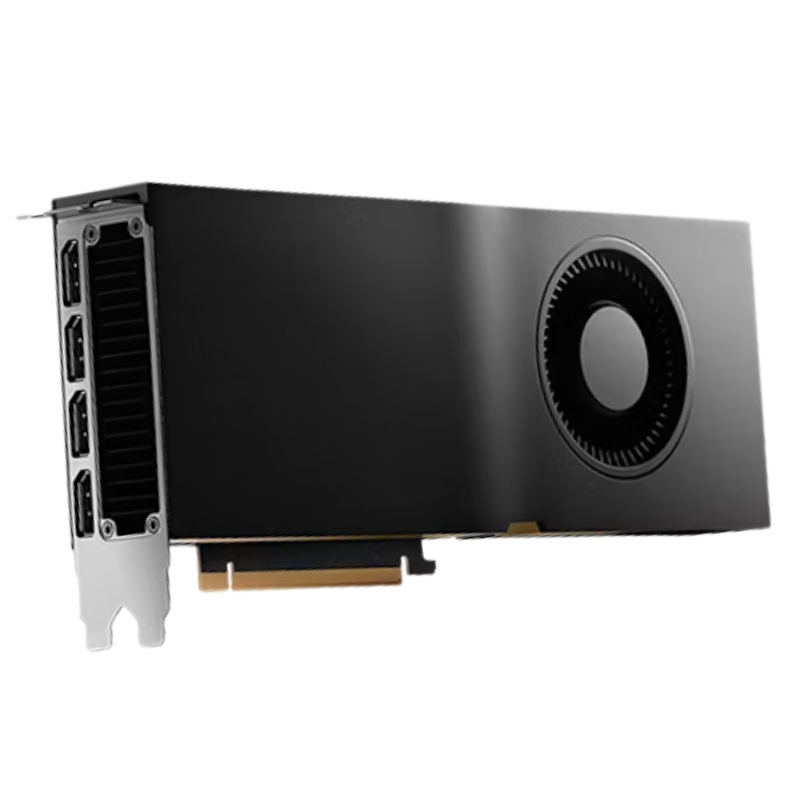
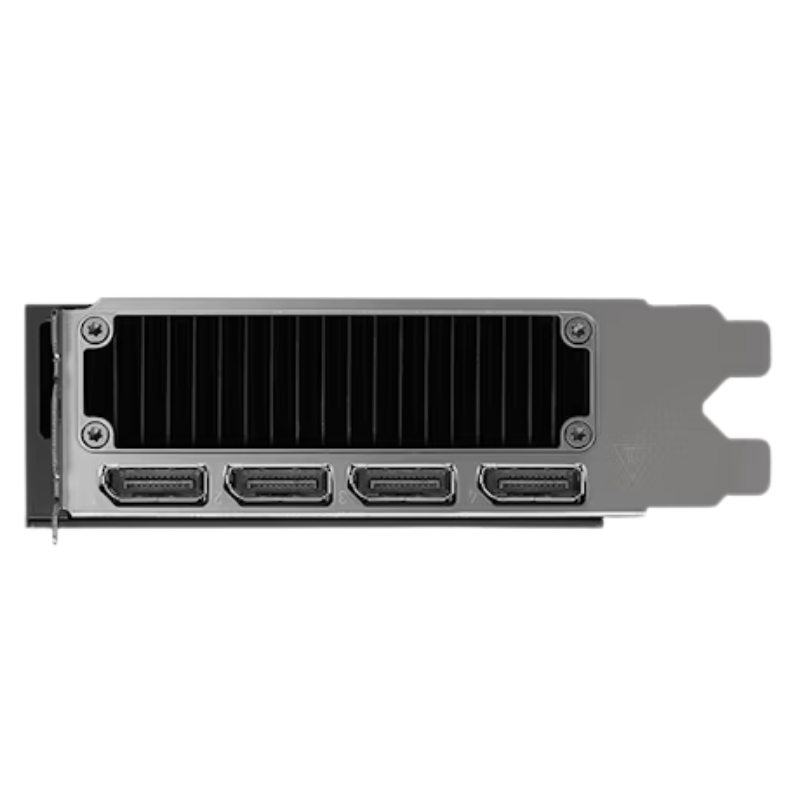
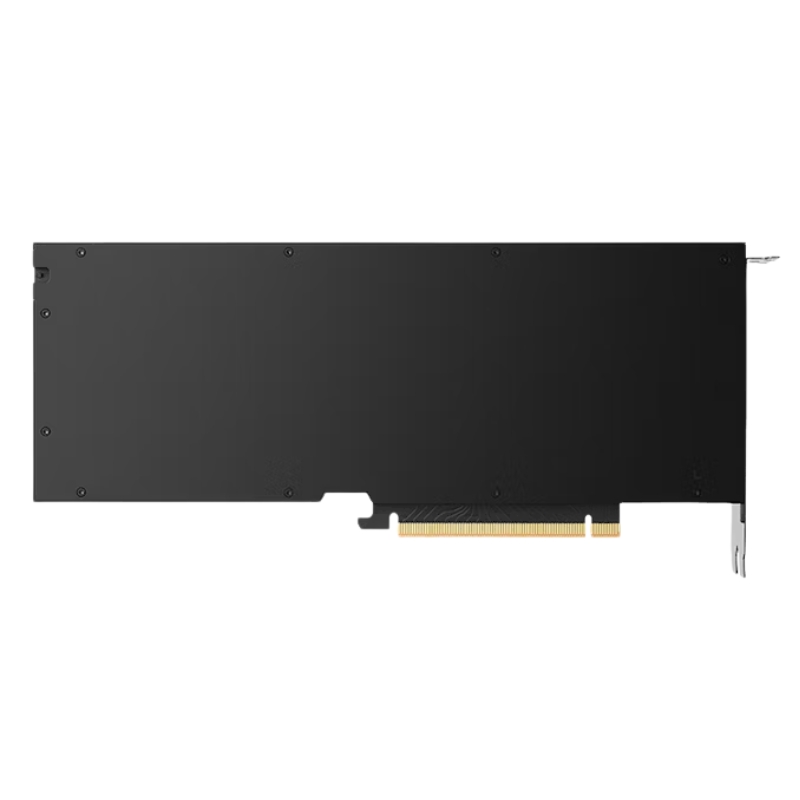
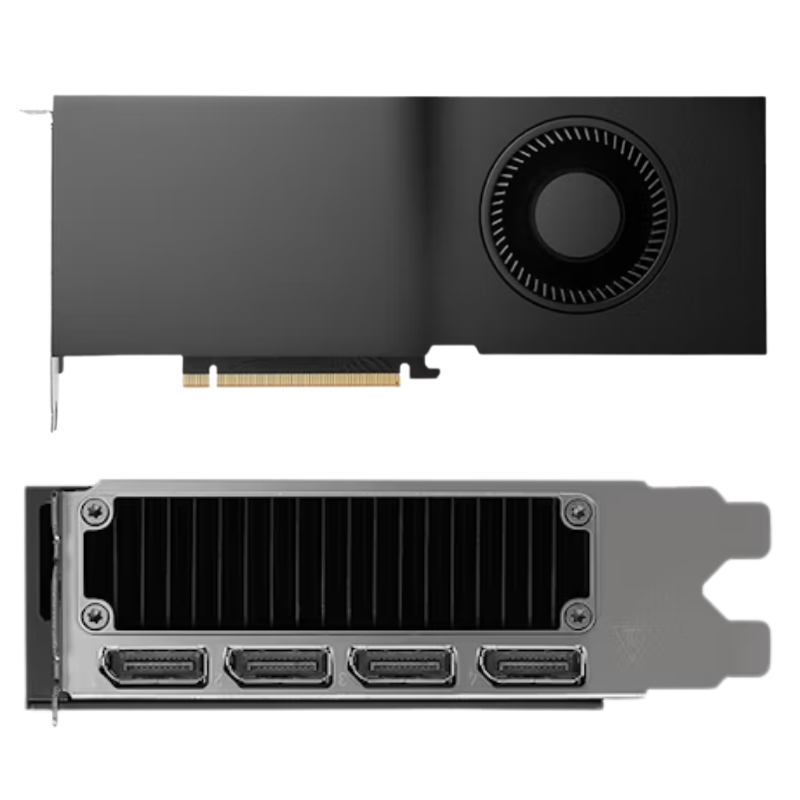
Nvidia 900-5G132-2260-000 24GB GDDR6 Quadro RTX 4500 192 Bit Ada Generation Graphic Card. New Sealed in Box (NIB) with 3 Years Warranty. Call. ETA 2-3 Weeks. No Cancel No Return
The Nvidia 900-5G132-2260-000 Quadro RTX 4500 is a professional-grade 24GB GDDR6 Ada Generation graphics card engineered for high-performance computing, advanced rendering, and AI-driven workloads. With its cutting-edge Ada Lovelace architecture, this GPU delivers exceptional speed, efficiency, and scalability for enterprise environments.
The Nvidia 900-5G132-2260-000 24GB GDDR6 Quadro RTX 4500 192 Bit Ada Generation Graphic Card category groups professional workstation graphics solutions designed for complex 3D design, simulation, visualization, and AI-accelerated workflows. This category description focuses on the capabilities, typical use cases, integration considerations, and optimization guidance you need to evaluate and present this card to professionals—engineers, designers, VFX artists, and data scientists—who require sustained precision, certified drivers, and predictable performance in industry-standard applications.
A 24GB GDDR6 framebuffer places this card in the workstation tier where extremely large textures, detailed geometry, and multi-layered compositing can be handled without excessive out-of-core swapping. For artists working on film-resolution textures, complex simulation caches, or multi-pass compositing, the large VRAM reduces the need to downscale or simplify scenes and helps maintain interactive responsiveness when navigating dense projects.
Built on Nvidia’s Ada-class architecture, this category benefits from generational improvements across ray tracing, tensor acceleration, and power efficiency. Ada-generation enhancements typically deliver:
Improved hardware ray-tracing performance for more realistic realtime previews
Enhanced AI acceleration via optimized tensor cores for denoising, upscaling, and model inference
Better performance-per-watt and thermal efficiency compared to prior generations
Cards in this category are intended to run Nvidia’s workstation-class driver releases (often marketed as “Studio” or “Quadro” driver branches). Those drivers emphasize stability, compatibility, and certification with major independent software vendors (ISVs). Expect more predictable behavior in production apps used in engineering, architecture, and content creation—reducing debugging time and deployment risk in studios and enterprise environments.
The Ada architecture and dedicated ray-tracing hardware deliver clear benefits for interactive visualization workflows. Artists see faster ray-traced viewport feedback and denoised renders, enabling a tighter iteration loop. While final offline renders may still use render farms for ultimate quality and throughput, this GPU significantly speeds up the creative process by shrinking preview times and improving scene interactivity.
Tensor cores accelerate a wide range of AI-augmented features: denoising, intelligent upscaling, AI-assisted animation tools, and certain inference workloads. For researchers or developers using widely adopted frameworks that support NVIDIA CUDA and cuDNN, this card provides a dependable workstation-level compute engine for small-to-medium scale model training, transfer learning, and inference tasks—especially when paired with optimized software stacks.
The combination of a large memory pool and robust architecture suits users who run multiple GPU-accelerated tasks concurrently: simultaneously real-time playback, simulation caching, and scene compositing, for example. This reduces context switching and improves throughput in heavy, multi-stage pipelines.
When integrating a professional Ada-generation Quadro-class card, consider system compatibility early: ensure the host workstation has sufficient PCIe slots and clear airflow, an adequate power supply (including available auxiliary power connectors if required), and case space for the GPU’s cooler. Thermal headroom is crucial for sustained workloads—servers and chassis with strong directed airflow will maintain higher long-term performance than cramped, poorly cooled enclosures.
This category is fully compatible with major workstation operating systems. Production environments commonly deploy certified drivers that undergo ISV validation for platforms such as Windows 10/11 (Professional and Workstation editions) and major enterprise Linux distributions. Administrators should plan driver rollout using vendor-supplied release notes and certification matrices to match the specific versions of creative or engineering applications in the pipeline.
Many professional apps include GPU-specific preferences and options to exploit high-memory cards—texture streaming thresholds, tile-based caches, GPU-accelerated simulation offload, and AI-based denoising pipelines. Tuning these settings can unlock additional performance and reduce scene load times. Where possible, use vendor documentation or ISV-validated configuration guides to align GPU, driver, and application settings for optimal stability.
For CAD users, the primary benefits are large-model visualization, smooth navigation through complex assemblies, and GPU-accelerated shading for realistic previews. The card’s large VRAM minimizes the need to simplify models when opening multi-million polygon assemblies, and professional drivers favor robust behavior with parametric modeling tools and CAM interfaces. Engineers running finite-element analysis (FEA) or CFD who adopt GPU-accelerated solvers will find faster compute time for select workloads, though solver compatibility should be confirmed in advance.
Animators and VFX artists commonly use GPU-accelerated features such as viewport ray-tracing, AI denoising, and real-time playback of cached simulations. The card’s memory helps manage large scene caches and high-resolution textures while enabling interactive lighting and look development. In a studio pipeline, these cards are often paired with render nodes—used for lookdev and scene assembly on workstations, while final render farms handle batch processing.
Architects benefit from improved photorealism in interactive walkthroughs thanks to accelerated ray tracing and AI-powered upscaling. Designers can iterate on lighting, materials, and camera composition using near-final-quality previews in the viewport. Real estate and visualization teams also leverage the card for streaming multi-monitor presentation setups and high-resolution stills production.
While purpose-built compute accelerators are used for very large-scale training, workstation-class GPUs like this one are ideal for development, prototyping, and inference. Data scientists who experiment locally or run transfer learning workflows will appreciate the balance of memory and compute. Success depends on using CUDA-aware frameworks and matching the driver and cuDNN versions to framework releases.
Emphasize the 24GB GDDR6 dedicated memory as a primary differentiator for professionals who manage large datasets, textures, and caches. Explain how more VRAM reduces swapping and maintains viewport responsiveness in dense scenes.
Call out advanced ray-tracing capabilities for realistic lighting and reflections, combined with AI-denoising for faster preview renders. Frame these features as productivity enhancers that shorten iteration cycles for creatives and technical artists.
Highlight the emphasis on stable, ISV-validated drivers and support for professional software stacks. For enterprise buyers, driver stability and certification are often more important than raw benchmark scores.
Note that workstation-class cards may use single or dual-slot cooling solutions tuned for sustained workloads—valuable for buyers selecting chassis and cooling systems. Designers in multi-GPU or compact builds should confirm clearance and airflow requirements before purchase.


 Contact Us
 Information
 Catalog
 Solid State Drives (SSD)
 Network Switches
 Hard Disk Drives
 HBA & Controllers
 PC & Servers
 PC & Server Memory
 CPU & Processors
 Network Routers
 Power Supplies
 Tape Drives & Libraries
 Network Devices
 Computer & Network Cables