(7% discount is applied at checkout)
Cart is empty
Your go-to destination for cutting-edge server products
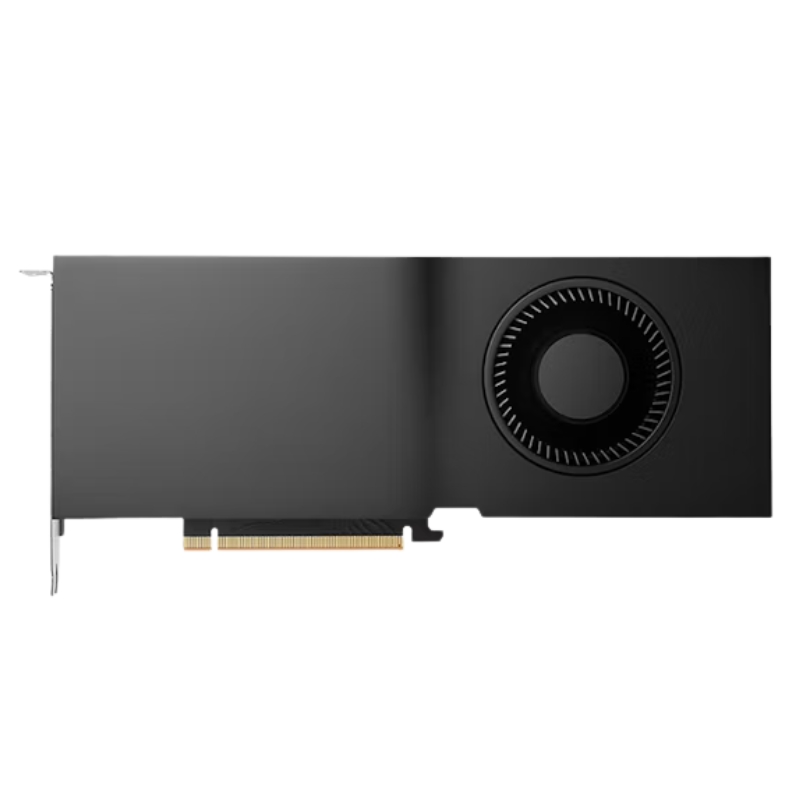


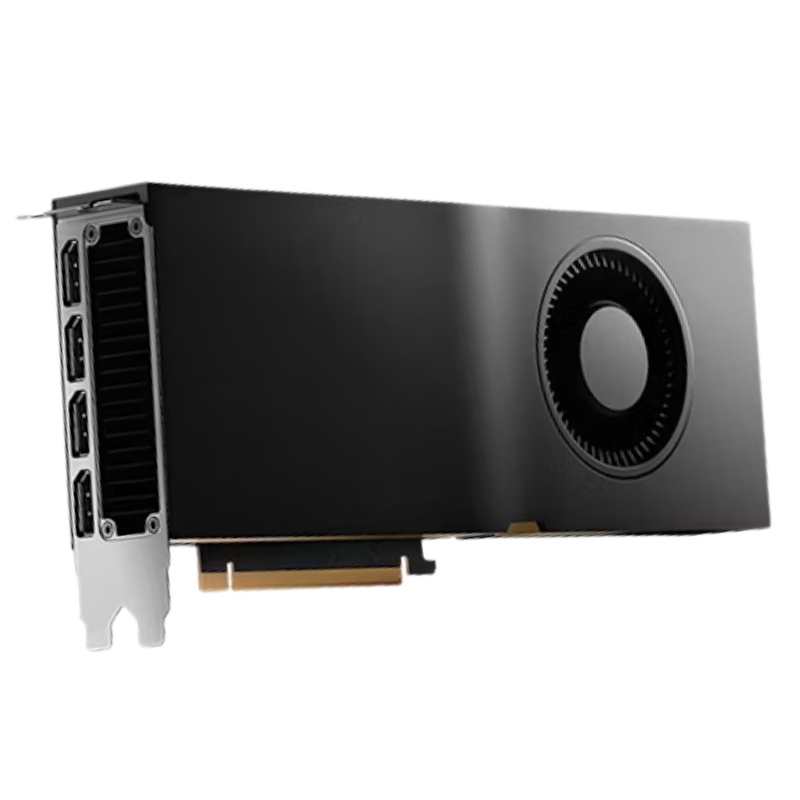
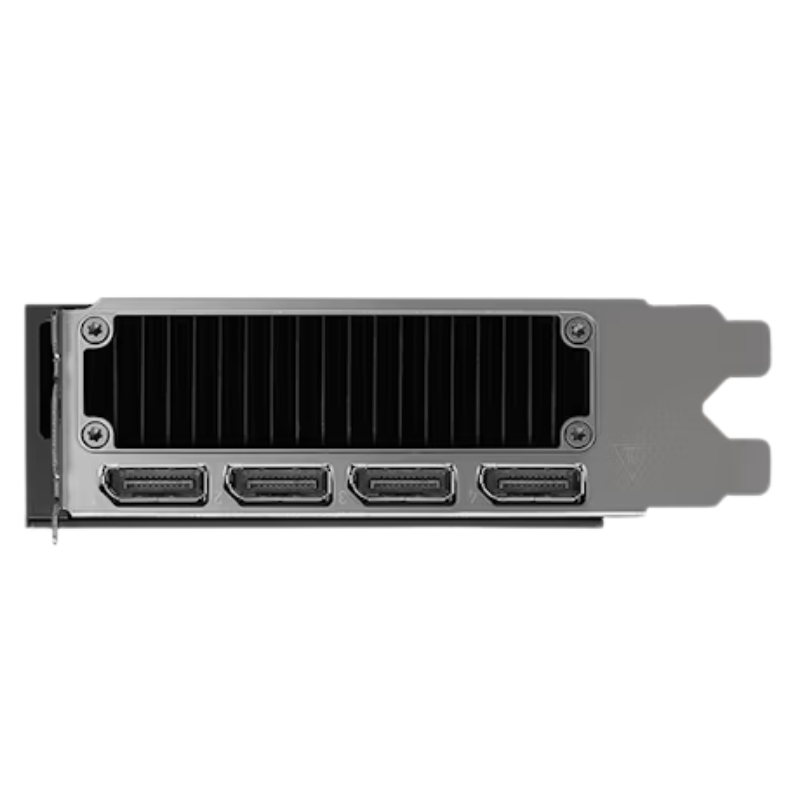
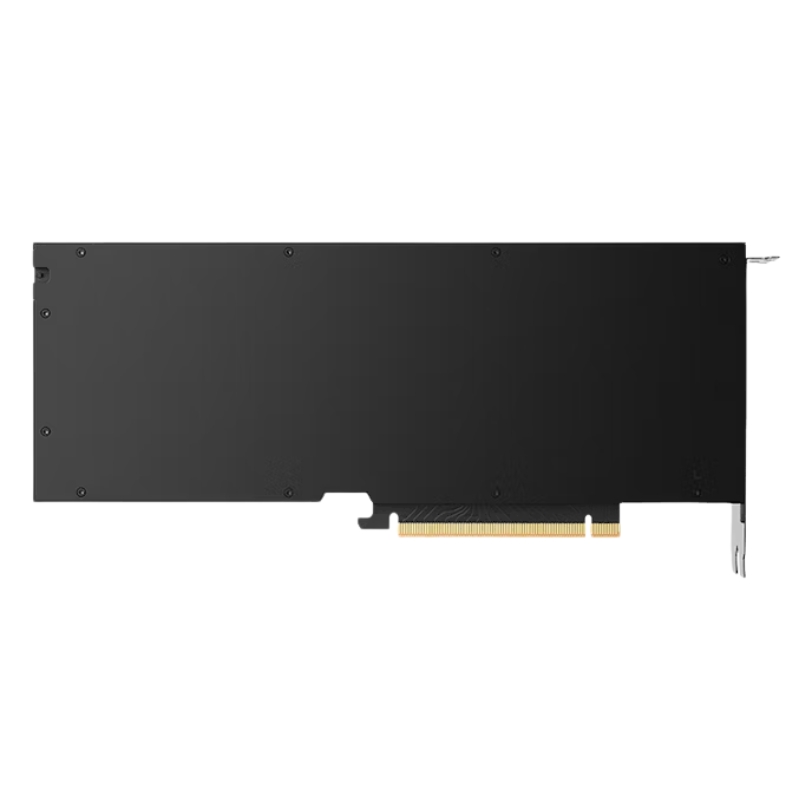
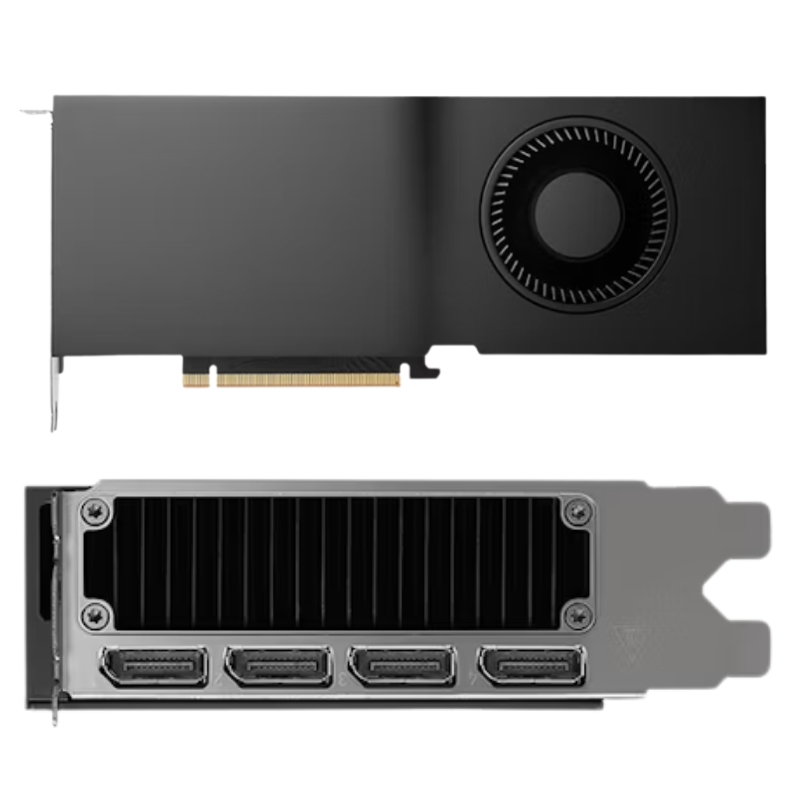
Nvidia 900-5G132-2270-000 24GB GDDR6 With ECC 384 Bit PCI-E 4.0 Quadro Sync Workstation Graphics Card. Excellent Refurbished with 1 year replacement warranty
The Nvidia 900-5G132-2270-000 is a professional-grade workstation graphics card engineered for demanding visualization, AI workloads, and advanced rendering. Featuring 24GB GDDR6 with ECC and a 384-bit memory interface, this PCI-E 4.0 solution ensures exceptional reliability and performance for enterprise environments.
The Nvidia 900-5G132-2270-000 graphics card is positioned for demanding professional workflows that require large GPU memory, error-correcting reliability, and deterministic synchronization across multi-display and multi-GPU systems. Built with 24GB of GDDR6 memory with ECC, a 384-bit memory bus, and a PCI-Express 4.0 interface, this Quadro-class workstation accelerator is optimized for content creation, simulation, visualization, CAD, medical imaging, and broadcast applications that rely on stable, repeatable results. The integrated Quadro Sync capability enables frame-locked multi-display setups and synchronized output for tiled displays, video walls, and live production environments.
This category targets professional users and organizations: VFX and animation studios, architecture and engineering firms, scientific research labs running GPU-accelerated simulation and rendering, post-production and broadcast houses needing synchronized multi-output, and enterprises deploying high-density workstations for remote rendering and visualization. If your projects require large dataset handling, high-precision computation, and robust multi-card synchronization, products in this category (including the Nvidia 900-5G132-2270-000) are engineered to meet those needs.
At the core of the product description are its headline specifications — each one delivering tangible benefits for professional workflows. Below are the key technical highlights and the practical advantages they provide.
The 24GB of GDDR6 memory gives you the capacity to load huge models, multi-layered projects, high-resolution textures, and large datasets into GPU memory, minimizing host-to-device transfers and reducing I/O bottlenecks. ECC (Error-Correcting Code) memory increases data integrity by detecting and correcting single-bit errors in transit or storage, which is essential for scientific calculations, long renders, and mission-critical visualization where silent data corruption is unacceptable.
ECC protects against bit flips caused by electrical interference, cosmic rays, or transient hardware events. For high-precision workloads — finite-element analysis, medical diagnostics, financial risk modeling — ECC adds a hardware-level safety net that preserves result accuracy and reproducibility. In multi-hour simulations or unattended renders, ECC reduces the risk of subtle corruption forcing re-runs and wasted compute time.
A 384-bit memory interface increases the potential memory bandwidth available to the GPU, accelerating large texture fetches, geometry buffers, and compute kernels that are memory-bound. For content creators working in ultra-high resolution (8K+ textures), scientists doing large-mesh simulations, or point-cloud visualizers handling billions of points, a wider memory bus keeps the GPU fed and reduces stalls.
With PCI-E 4.0 support, this card can take advantage of higher host-to-device bandwidth on modern motherboards and platforms. PCI-E 4.0 doubles the per-lane throughput versus PCI-E 3.0, which is beneficial when transferring large datasets, streaming out multiple high-resolution display outputs, or when the card is paired with NVMe or other high-bandwidth peripherals in the same system. PCI-E 4.0 compatibility also helps future-proof workstations as more systems adopt the faster standard.
Quadro Sync is a professional feature set that enables frame-accurate synchronization across multiple GPUs and outputs. For multi-screen visualization walls, large-scale tiled displays, and live production studios, synchronization eliminates tearing and frame drift between displays — an essential capability for immersive experiences, synchronized playback, and multi-camera live compositing.
While raw benchmarks vary by application, the architectural elements of this Quadro-class card deliver consistent benefits across professional workflows: reduced render times through larger working sets in GPU memory; smoother viewport interaction when manipulating dense CAD assemblies; accelerated compute tasks when using optimized CUDA or OpenCL kernels; and reliable, repeatable output due to ECC and Quadro driver certification.
Designers working in CAD and 3D modeling will see improved responsiveness when navigating heavy assemblies, rendering high-sample previews, or using GPU-accelerated denoisers. The large frame buffer lets you preview final-quality assets at higher resolutions without swapping textures to host memory, which enhances iteration speed and creative throughput.
For physically based renderers and GPU-accelerated solvers, the combination of abundant GDDR6 memory and wide memory bus enables faster convergence and the ability to render larger scenes in-core. Simulation workloads that rely on double-precision accuracy should be evaluated for hardware support and driver optimization; nonetheless, ECC helps maintain trustworthy results during extended compute runs.
Quadro workstation cards are typically backed by certified drivers and ISV (Independent Software Vendor) support for a wide range of pro applications, including Autodesk, Dassault Systèmes, Siemens, Adobe, and others. Certified drivers help reduce regressions, improve stability with application-specific features (like hardware-accelerated tessellation, viewport optimizations, and CUDA/OpenCL offload), and provide enterprise-ready management for deployment at scale.
ISV certification means that the card and driver combination has been tested with the application vendor’s test suites, ensuring predictable behavior for critical workflows. Enterprises benefit from reduced support calls, fewer compatibility surprises during software updates, and formal channel paths for resolving issues with vendors.
Professional environments often adopt controlled driver update policies. Test new drivers in a staging environment before rolling them to production, and consult vendor release notes for application-specific fixes. When deploying multiple workstations, consider tools for centralized driver distribution and rollback to maintain operational continuity.
Workstation graphics cards built for professional use are engineered with robust cooling solutions and power delivery to sustain long, heavy workloads without throttling. System builders should consider chassis airflow, PSU headroom, and slot spacing when integrating this Quadro-class card into multi-GPU configurations.
Check the card’s length and bracket type to ensure physical fit in compact workstations. Blower-style or axial-fan coolers each have trade-offs: blower designs exhaust heat outside the chassis and are useful in compact or multi-card systems, while open-fan designs deliver greater cooling efficiency when chassis airflow is abundant. Choose a chassis with clear front-to-back airflow and adequate intake/exhaust fans to keep GPU temperatures within design limits during extended renders or simulations.
Professional GPUs often require additional 6/8-pin PCIe power connectors and a PSU with sufficient continuous wattage and quality rails. For multi-card setups, calculate total system power including CPU, storage, and peripherals to avoid undervoltage conditions. Use a certified power supply and, whenever possible, redundancies for mission-critical deployments.
Integration into existing infrastructure requires attention to platform compatibility: motherboard slot availability, BIOS and firmware versions, driver compatibility with the host OS, and virtualization or remote-access requirements. This category supports modern workstation architectures, but detailed compatibility checks are recommended during procurement.
Quadro-class cards commonly support major workstation operating systems — Windows (Pro/Enterprise), select Linux distributions used in enterprise and HPC (e.g., RHEL, CentOS, Ubuntu LTS) — and drivers tailored for virtualization stacks. If you plan to use GPU passthrough, virtual workstation pools, or remote rendering systems, consult vendor documentation for supported hypervisors, driver packages, and licensing considerations.
For distributed teams, remote GPU-accelerated workstations or cloud-rendering services can extend the utility of this category. Consider solutions that support virtual GPU (vGPU) profiles or session-based remote access with low-latency encoding to preserve interactivity. Ensure licensing and driver support align with your cloud or VDI provider.
The 900-5G132-2270-000 card is suitable for scaling across multiple nodes or cards where workflows benefit from parallelism: GPU rendering clusters, distributed simulation nodes, or multi-GPU workstations handling parallel visualization streams. When architecting for scale, plan for synchronized outputs, workload distribution, and data locality to minimize network overhead.
Render farms and compute clusters should balance GPU memory capacity, interconnect bandwidth (e.g., NVLink, if supported in your platform), and job scheduling policies to maximize throughput. Use proven render managers and job schedulers that understand GPU resource allocation to avoid underutilization and to prioritize critical tasks.
For visualization clusters driving synchronized multi-panel outputs, Quadro Sync and compatible management tools provide predictable frame timing. Incorporating hardware genlock and sync distribution ensures consistent playback and flawless multi-node visual composition.


 Contact Us
 Information
 Catalog
 Solid State Drives (SSD)
 Network Switches
 Hard Disk Drives
 HBA & Controllers
 PC & Servers
 PC & Server Memory
 CPU & Processors
 Network Routers
 Power Supplies
 Tape Drives & Libraries
 Network Devices
 Computer & Network Cables