(7% discount is applied at checkout)
Cart is empty
Your go-to destination for cutting-edge server products
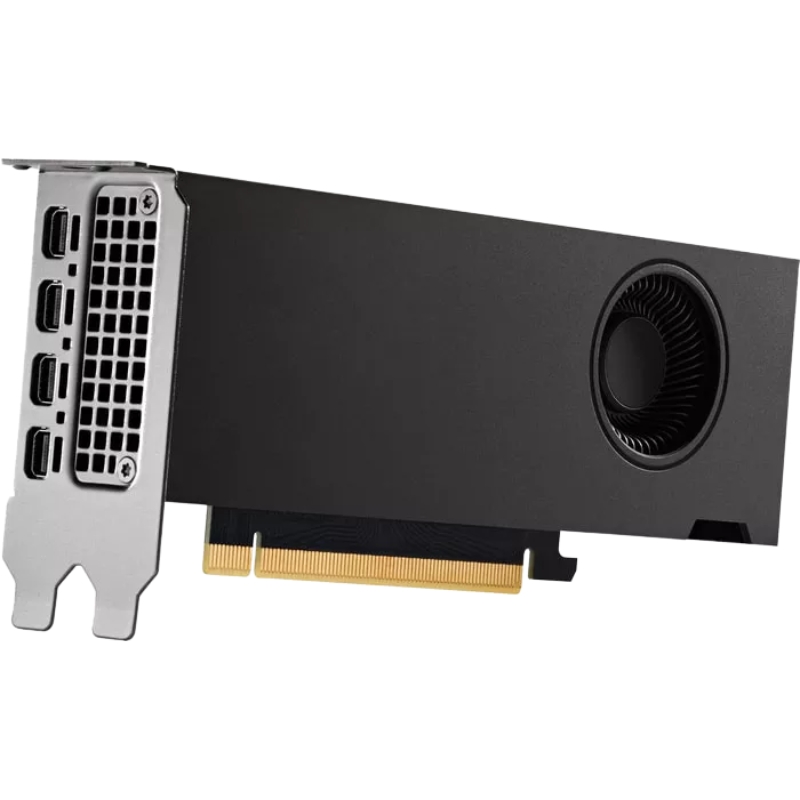


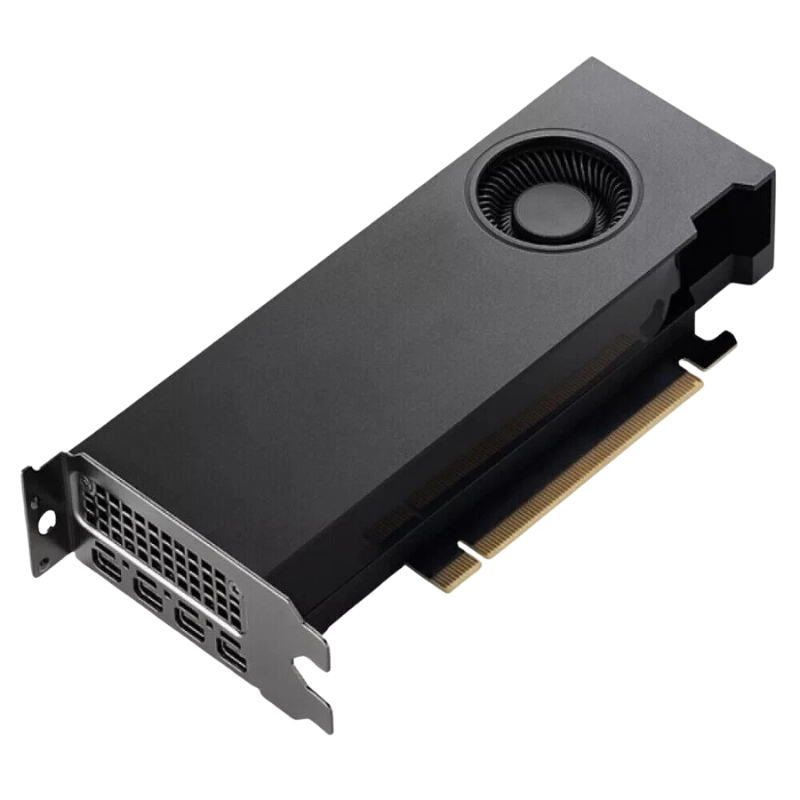
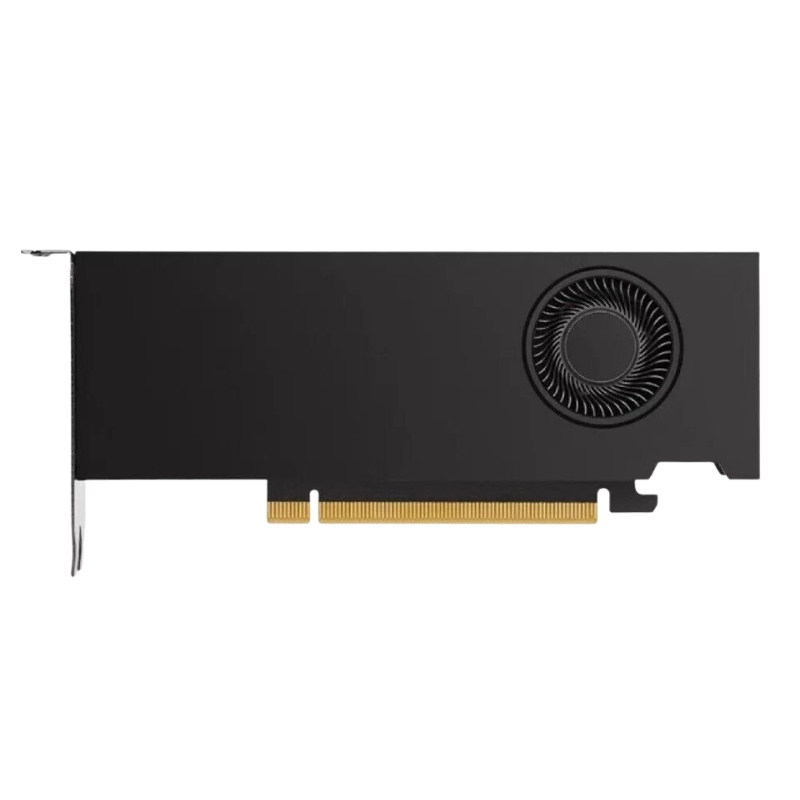
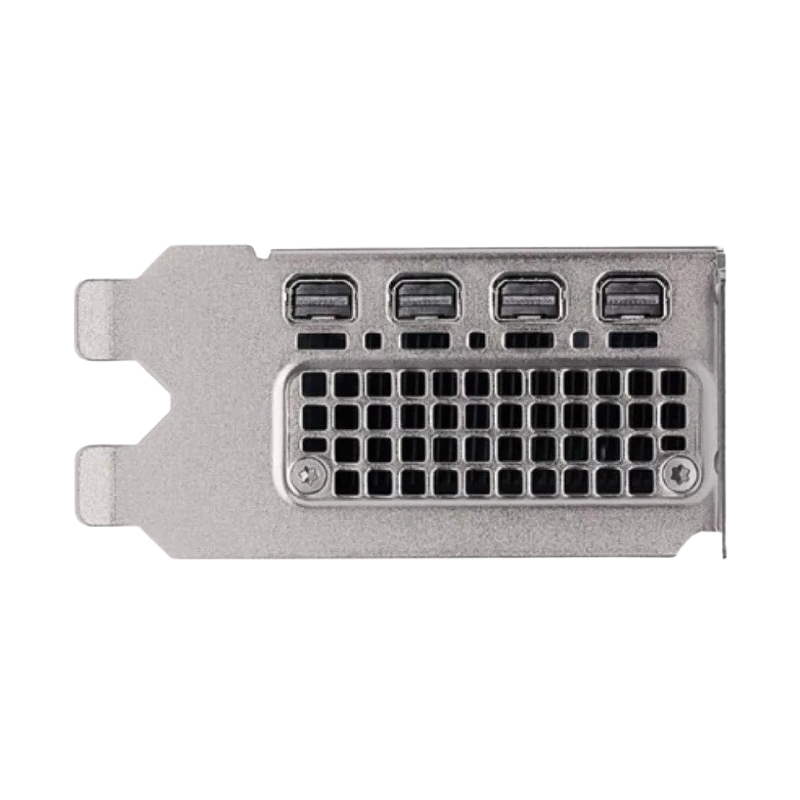
Nvidia 900-5G192-2200-000 RTX A2000 6GB GDDR6 ECC PCI-E 4.0 x16 Dual Slot Graphic Card. New Sealed in Box (NIB) with 3 Years Warranty. Call (Eta 2-3 Weeks)
Discover the professional-grade performance and compact efficiency embodied by the Nvidia 900-5G192-2200-000 RTX A2000 6GB GDDR6 ECC PCI-E 4.0 x16 Dual Slot Graphic Card. Built for modern workstations, this category centers on powerful but space-conscious GPUs designed to accelerate 3D modeling, CAD, content creation, virtualization and compute workloads while maintaining enterprise-class reliability. The category emphasizes essential attributes such as ECC memory for data integrity, GDDR6 bandwidth for responsive large-model workflows, PCI Express 4.0 x16 connectivity for sustained throughput, and a dual slot thermal profile that balances cooling with compact installation in diverse chassis sizes. Search engines favor pages that thoroughly address function, compatibility, and real-world benefits; this description focuses on those core areas to help users and bots alike understand why the RTX A2000 family is a compelling choice for professional environments.
Performance in this category is defined not just by raw compute numbers but by predictable, certified operation with professional applications. The Nvidia 900-5G192-2200-000 RTX A2000 model brings a combination of CUDA cores, RT cores and Tensor cores — tailored for accelerating rendering, ray tracing, AI-assisted denoising and machine learning inference. Professionals benefit from optimized drivers and ISV validation that ensure stable, repeatable results in software such as Autodesk, Dassault Systèmes, Siemens NX, Adobe and major DCC (digital content creation) suites. Emphasis on professional drivers and long-term support separates this category from consumer gaming cards; buyers in this category expect driver validation and compatibility guarantees that reduce downtime and improve workflow efficiency.
Memory is a core differentiator in professional GPUs. The RTX A2000 ships with 6GB of GDDR6 memory paired with ECC (Error Correcting Code), an essential feature for mission-critical computations and long unattended renders. ECC memory protects against bit-flips that can corrupt datasets or introduce subtle rendering artifacts, providing higher confidence for iterative engineering calculations, finite element analysis and long-running AI training steps. The GDDR6 interface provides the bandwidth required for texturing, model manipulation and GPU-accelerated compute while the 6GB capacity positions this card for mid-sized datasets and scenes where efficiency and predictable performance are paramount.
PCIe 4.0 x16 offers doubled per-lane bandwidth compared to PCIe 3.0, allowing the RTX A2000 to move large buffers and geometry sets between CPU and GPU more quickly. This is especially important in GPU-accelerated simulation workflows, large texture streaming in visualization, and cloud workstation deployments where I/O latency directly impacts interactivity. The category emphasizes compatibility with modern motherboards and servers that support PCIe 4.0, while retaining backward compatibility with PCIe 3.0 systems to give buyers flexibility when upgrading older workstations.
Compact, efficient cooling is a hallmark of the dual slot graphics architecture. The Nvidia 900-5G192-2200-000 RTX A2000 is engineered to fit into dual slot bays, making it ideal for small form factor workstations and standard ATX systems that require multi-card configurations. The dual slot profile enables a more robust heatsink and fan design than single-slot counterparts, improving thermal headroom while still conserving space inside dense racks or compact deskside machines. This category guides buyers toward cards that deliver sustained performance under load, emphasizing chassis airflow considerations, ambient temperature management and the advantages of factory-tested thermal solutions.
Professional environments value predictable power consumption. The RTX A2000 category balances a modest power envelope with meaningful compute capability, reducing the need for expensive power supplies and complex power delivery systems. Efficiency gains from newer architectures mean professionals can deploy multiple GPUs in a single chassis or select quieter, more energy-efficient PSU options while achieving the throughput required for rendering and compute tasks. Energy efficiency also translates to lower operational costs in data centers and quieter workstations in studios and engineering bays.
Users who value consistent, certified performance for medium-complexity workloads are the primary audience for this category. Architects, product designers, small-to-medium VFX studios, engineering teams and data scientists running inference workloads find the RTX A2000 particularly compelling. Tasks such as CAD model visualization, iterative design reviews, real-time VR previews, GPU-accelerated rendering, and remote workstation streaming are well served by the card’s combination of compute cores, RT and Tensor capabilities. The category explains how these workloads translate into productivity gains and shorter iteration cycles, reinforcing the business value of selecting a professional-grade GPU.
Visualization workloads demand single-precision performance, responsive viewport interaction, and stability while manipulating large models. The RTX A2000 category covers the card’s ability to accelerate complex shaders, texture streaming and occlusion culling operations, improving interactivity in modern CAD and 3D modeling applications. By reducing lag during navigation and providing smoother manipulation of dense assemblies, professionals can evaluate design alternatives faster, leading to more informed decisions and shorter project timelines.
Ray tracing for design validation and creative visualization benefits from dedicated RT cores. The category explains how the A2000’s architecture accelerates accurate lighting simulations and physically based rendering pipelines, enabling higher-fidelity previews during the iterative design process. Real-time ray tracing makes lighting and material decisions more immediate, helping artists and designers converge faster on final looks without relying solely on time-consuming offline renders.
With Tensor cores and optimized AI libraries, the RTX A2000 category addresses inferencing and AI-accelerated features such as denoising, upscaling, and automated content generation. Smaller AI models and inference pipelines for on-premise systems can run efficiently on a 6GB card, and the presence of ECC memory adds confidence for repeated execution of critical inference tasks. The category describes common AI-augmented workflows and how this card fits into pipeline stages, from preprocessing to final output.
Compatibility is paramount when integrating professional GPUs into existing infrastructure. The category description provides guidance on physical fit, thermal clearance, power connectors, motherboard compatibility and driver management. It explains scenarios such as single-card workstations, multi-GPU servers for virtual desktops, and cloud or on-premise render nodes. Buyers are guided to validate chassis depth, slot allocation and PCIe lane distribution to ensure the Nvidia 900-5G192-2200-000 RTX A2000 is deployed for maximum reliability and minimal integration friction.
Small form factor workstations and compact chassis benefit from the dual slot design and low-profile considerations emphasized in this category. The card’s compactness enables system integrators and workstation builders to maintain high performance in constrained spaces without resorting to larger, more power-hungry GPUs. The category points out the importance of verifying chassis airflow, the presence of appropriate exhaust paths, and potential need for supplemental case fans to preserve thermal stability during prolonged high-load operations.
When used in server environments and virtual GPU deployments, card choice must consider host platform compatibility, driver licensing, and remote management. The category outlines how the RTX A2000 fits into virtual desktop infrastructure (VDI) and remote workstation configurations, supporting multiple concurrent users in some virtualization profiles. Administrators are advised to plan for driver packaging, firmware updates and integration with orchestration tools to maintain secure, reliable remote services.
Enterprise purchasers prioritize vendor support, warranty terms and long-term hardware availability. The category emphasizes manufacturer-backed warranties, driver update policies, and support channels that are critical for enterprise procurement decisions. It also underscores the role of ECC memory and validated hardware in minimizing silent data corruption and ensuring consistent results across production pipelines. Professional purchasers are counseled to verify warranty length, RMA procedures and any available extended support services that may be offered for large deployments.
This category sits in the middle of professional GPU offerings — delivering a blend of value, performance and compact design. The Nvidia 900-5G192-2200-000 RTX A2000 6GB GDDR6 ECC PCI-E 4.0 x16 Dual Slot Graphic Card is positioned for teams that need professional features without the higher cost, power draw or physical footprint of top-tier workstation GPUs. The category explains how this balanced value proposition can lower total cost of ownership for studios, engineering groups and small data centers by delivering certified performance, reduced energy consumption and simplified integration.
Key specifications include the 6GB GDDR6 memory with ECC, PCIe 4.0 x16 connectivity, dual slot form factor, thermal solution design, and professional driver support. The category expands on how each of these specifications maps to concrete benefits: ECC for data integrity, GDDR6 for bandwidth-sensitive tasks, PCIe 4.0 for reduced bus bottlenecks, and dual slot cooling for sustained performance. Buyers are encouraged to cross-reference these attributes against their workloads to ensure a good fit.
System enhancements include ensuring adequate PSU headroom, validating BIOS updates for PCIe stability, and optimizing airflow for dual slot cards. The category encourages purchasers to plan for firmware and driver update schedules and to invest in monitoring tools that track GPU temperature, utilization and memory usage. These investments reduce the risk of performance throttling and extend effective hardware lifespan.
Search engines reward content that answers practical questions for buyers and technical implementers. This category narrative includes detailed explanations of benefits, deployment scenarios and purchasing considerations to serve both discovery and decision-making phases. By addressing common compatibility questions, offering system-level advice, and highlighting professional features like ECC and ISV certification, the page provides the depth and authority that both users and algorithms expect from a product category landing page.


 Contact Us
 Information
 Catalog
 Solid State Drives (SSD)
 Network Switches
 Hard Disk Drives
 HBA & Controllers
 PC & Servers
 PC & Server Memory
 CPU & Processors
 Network Routers
 Power Supplies
 Tape Drives & Libraries
 Network Devices
 Computer & Network Cables