(7% discount is applied at checkout)
Cart is empty
Your go-to destination for cutting-edge server products
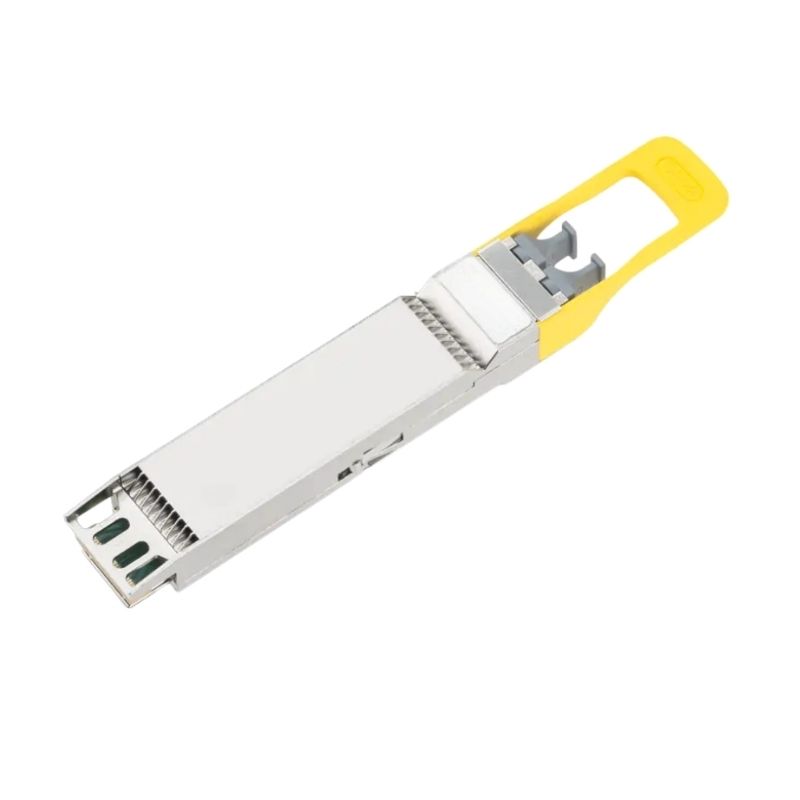


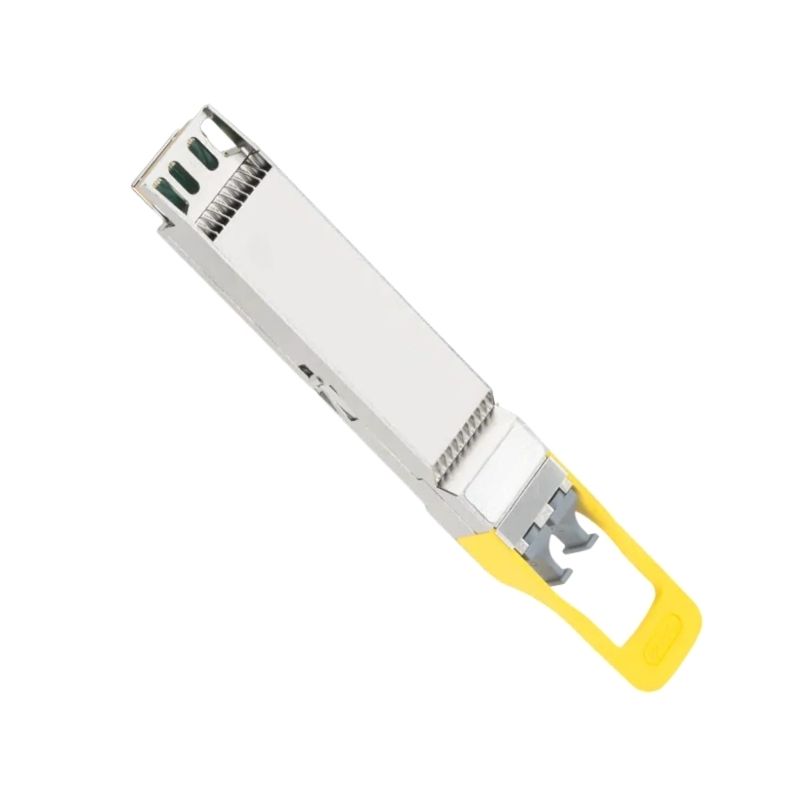
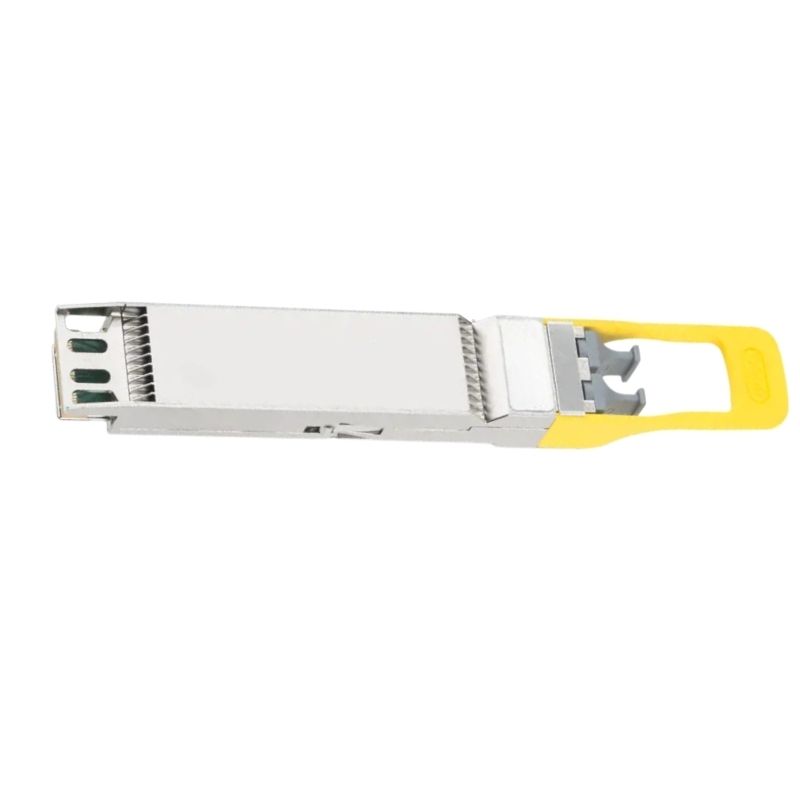
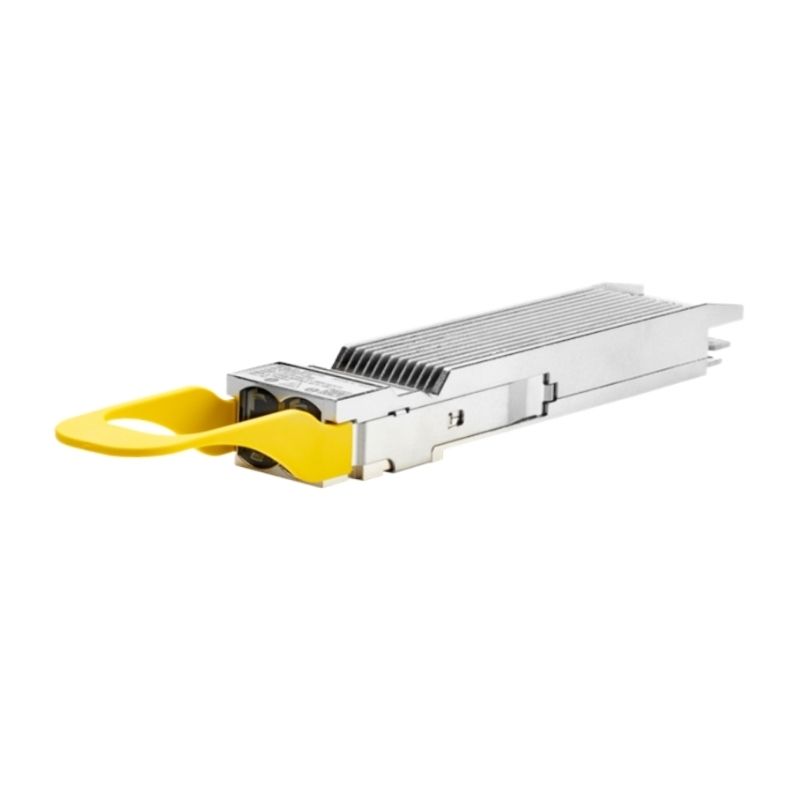
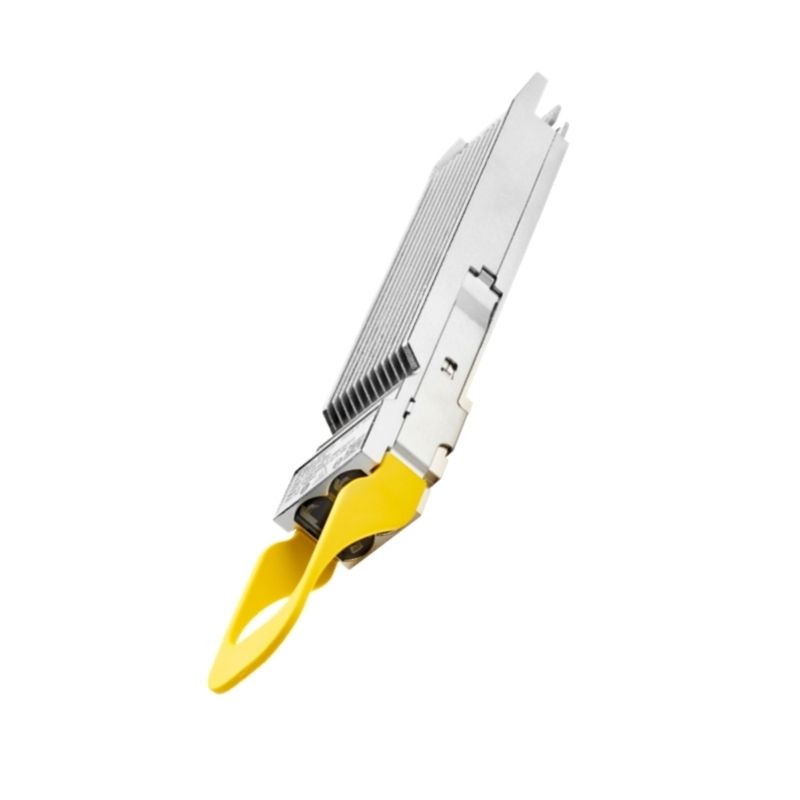
Nvidia 980-9IAH1-00XM00 2 Port 1600Gbps OSFP 2xmpo 1310NM SMF Up To 500m IHS Networking Transceiver. New Sealed in Box (NIB) with 3 Years Warranty
The NVIDIA 980-9IAH1-00XM00 twin-port optical transceiver is engineered for ultra-high-speed data center networking environments. Designed around the latest OSFP form factor, this advanced module delivers up to 1600Gbps aggregate throughput using single-mode fiber technology, ensuring exceptional bandwidth density, low latency, and reliable optical performance for next-generation switching platforms.
High-capacity optical networking transceivers form the backbone of modern hyperscale, enterprise, and research data centers where massive data throughput, ultra-low latency, and long-distance signal integrity are critical. The category of ultra-high-speed optical transceivers represented by the Nvidia 980-9IAH1-00XM00 2 Port 1600Gbps OSFP networking transceiver addresses the rapidly increasing demand for bandwidth driven by artificial intelligence workloads, high-performance computing clusters, cloud-native applications, and next-generation Ethernet and InfiniBand architectures. These advanced modules are engineered to support unprecedented data rates while maintaining energy efficiency, interoperability, and physical reliability in dense networking environments.
1600Gbps optical transceivers represent a significant evolution in fiber-optic communication, doubling the throughput of earlier 800Gbps modules and enabling fewer links to carry substantially more data. This category leverages cutting-edge modulation techniques, high-speed electrical interfaces, and precision optical components to deliver consistent performance at extreme speeds. Designed for scalability, these transceivers allow network architects to simplify topologies, reduce cabling complexity, and optimize port utilization across spine-leaf and backbone infrastructures.
This transceiver supports a total bandwidth of 1600Gb/s using advanced PAM4 signaling. By leveraging multiple electrical and optical lanes, it ensures consistent signal integrity and efficient data transport across short-range optical links.
Role of OSFP Form Factor
The OSFP (Octal Small Form-factor Pluggable) form factor is specifically developed to accommodate higher power dissipation and thermal requirements associated with 800G and 1600G optical modules. Compared to earlier form factors, OSFP provides a larger thermal envelope, improved airflow channels, and robust mechanical design. This makes it particularly suitable for switches and routers operating at the edge of performance limits, ensuring stable operation under continuous heavy traffic loads.
Built to meet the demanding requirements of modern hyperscale and enterprise networks, this dual-port OSFP transceiver integrates cutting-edge electrical and optical modulation techniques. The module is optimized for short-reach single-mode fiber links while maintaining energy efficiency and thermal stability.
Dual-Port Architecture
Dual-port optical transceivers expand design flexibility by allowing a single module to support multiple logical connections. In the 2-port 1600Gbps category, each port can be utilized independently or in aggregated configurations depending on network requirements. This versatility supports advanced use cases such as parallel data streams, redundancy planning, and dynamic bandwidth allocation in large-scale data center fabrics.
Optical interface specifications play a crucial role in determining compatibility, reach, and performance. Transceivers in this category operate at a 1310nm wavelength, which is widely adopted for single-mode fiber communication due to its low attenuation and favorable dispersion characteristics. The use of single-mode fiber ensures reliable signal transmission over extended distances while maintaining high signal-to-noise ratios.
The 1310nm operating wavelength is optimized for short- to mid-range data center interconnects. It balances power efficiency with optical performance, enabling consistent data transmission up to 500 meters over single-mode fiber. This makes the category ideal for inter-rack, intra-building, and campus-scale connectivity where latency sensitivity and throughput are equally important.
Connector technology is a defining aspect of high-speed optical transceivers. The OSFP transceivers in this category utilize dual MPO (Multi-Fiber Push-On) interfaces, enabling efficient handling of multiple fiber lanes within a compact footprint. MPO connectors are essential for supporting parallel optics architectures that distribute data across several fiber pairs to achieve aggregate bandwidth targets.
A dual MPO configuration simplifies cable management by consolidating multiple fiber connections into a single, structured interface. This reduces installation time, minimizes the risk of cabling errors, and improves airflow within densely populated switch enclosures. For operators managing hundreds or thousands of ports, these efficiencies translate directly into operational cost savings.
The MPO-based design aligns seamlessly with modern single-mode fiber cabling systems used in hyperscale and enterprise data centers. It supports standardized polarity methods and structured cabling practices, making upgrades and expansions easier to plan and execute without disruptive infrastructure changes.
As data rates increase, so do power consumption and heat generation. The OSFP form factor is specifically engineered to address these challenges through enhanced thermal pathways and improved heat dissipation. Effective thermal management extends component lifespan, reduces failure rates, and enables higher port densities without compromising system stability.
Despite their extreme performance, modern 1600Gbps optical transceivers are designed with power efficiency in mind. Advanced semiconductor processes, efficient laser drivers, and intelligent power control mechanisms help balance energy consumption with throughput demands. This contributes to lower operational costs and supports sustainability goals within large data centers.
The rapid evolution of data center workloads demands networking solutions that can scale seamlessly. Optical transceivers in the 1600Gbps category are designed with future expansion in mind, enabling organizations to increase capacity without redesigning core infrastructure.


 Contact Us
 Information
 Catalog
 Solid State Drives (SSD)
 Network Switches
 Hard Disk Drives
 HBA & Controllers
 PC & Servers
 PC & Server Memory
 CPU & Processors
 Network Routers
 Power Supplies
 Tape Drives & Libraries
 Network Devices
 Computer & Network Cables