(7% discount is applied at checkout)
Cart is empty
Your go-to destination for cutting-edge server products
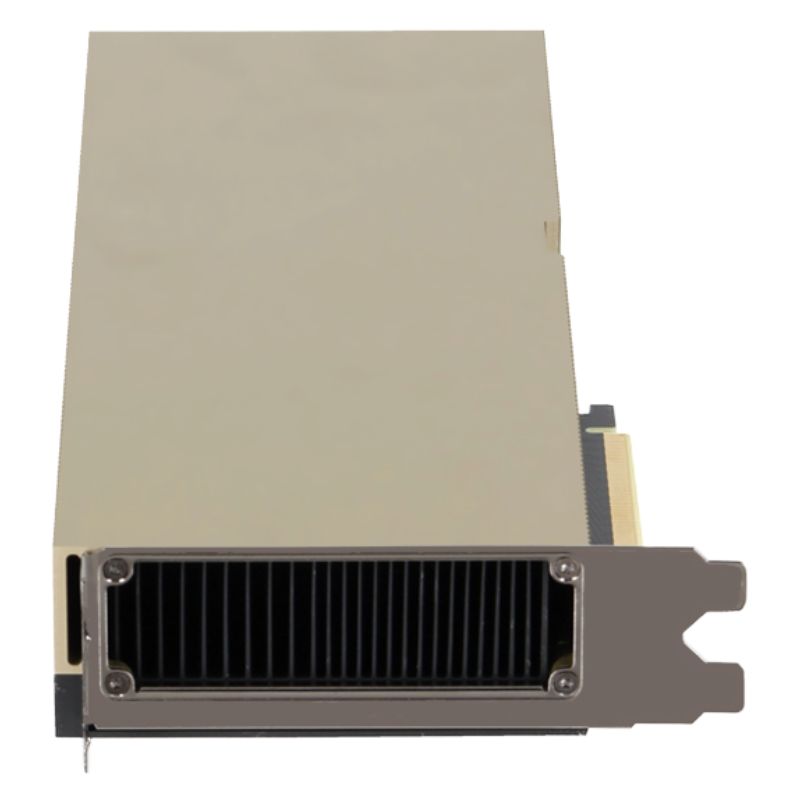


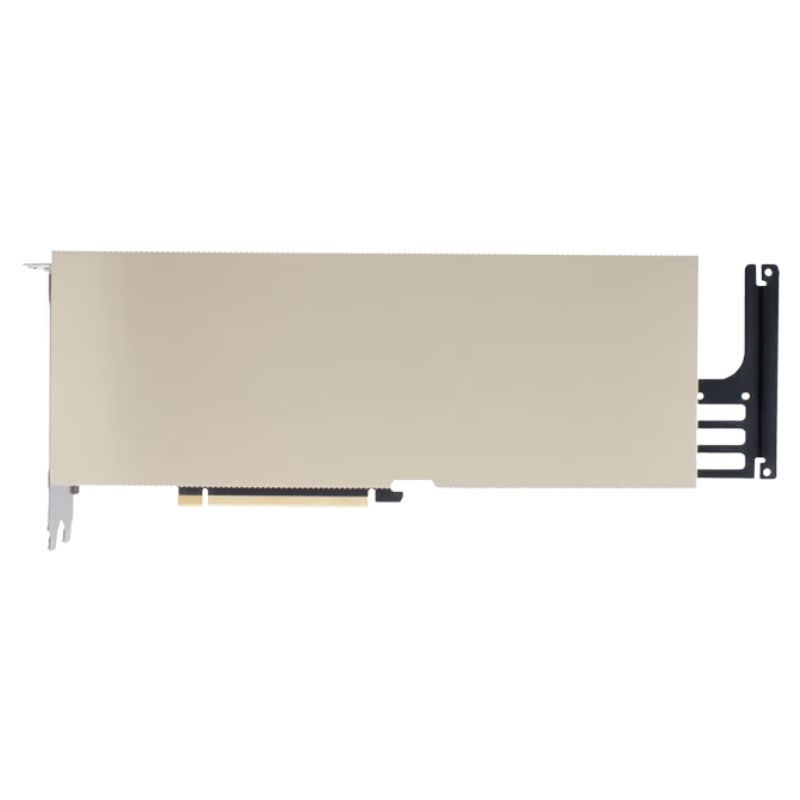
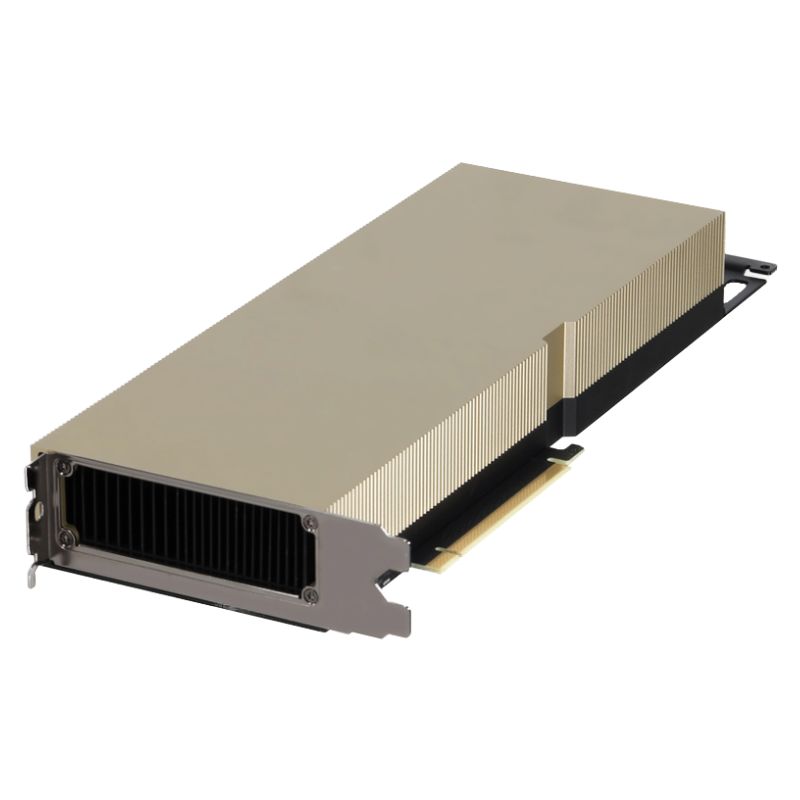
Nvidia A16 64GB GDDR6 Passive PCIe Accelerator CUDA GPU Card. New Sealed in Box (NIB) With 3 Years Warranty - Call - ETA 2-3 Weeks. No Cancel No Return
Engineered for high-density virtual workstation environments, Nvidia this computational accelerator delivers exceptional graphical performance for enterprise-scale deployments.
Physical Configuration & Thermal Management
The NVIDIA A16 64GB GDDR6 Passive PCIe Accelerator represents a specialized implementation of Nvidia groundbreaking Ampere architecture, specifically engineered for high-density virtual desktop infrastructure (VDI) and server-based computing environments. Unlike traditional gaming or compute-focused GPUs, the A16 is meticulously designed to maximize user density while maintaining exceptional performance per watt in multi-user scenarios. Built on Nvidia second-generation RTX technology, the Ampere architecture in the A16 delivers significant improvements in performance and power efficiency over previous generations, making it ideal for enterprise deployment where operational costs and scalability are paramount considerations.
The A16 incorporates advanced third-generation Tensor Cores that accelerate AI inference workloads commonly found in modern enterprise applications. These specialized processing units enable features like AI-accelerated user profile management, intelligent display compression, and enhanced security protocols without burdening the CPU. For VDI implementations, this means smoother performance during video conferencing, better image quality for remote displays, and improved responsiveness when using AI-enhanced applications through virtual desktop sessions.
While primarily focused on VDI workloads, the A16 still includes Nvidia second-generation RT Cores to accelerate ray tracing operations. This capability ensures that professional users working with CAD, architectural visualization, or product design applications through virtual desktops experience accurate lighting, shadows, and reflections without compromising performance. The inclusion of RT Cores makes the A16 suitable for graphics professionals who require workstation-class rendering capabilities delivered through centralized virtualized environments.
With an impressive 64GB of GDDR6 memory operating across four separate GPU chips, the A16 provides substantial frame buffer capacity to support numerous simultaneous users. The memory architecture employs a unified address space that allows all four GPUs to function as a cohesive unit, dynamically allocating resources based on user demand. This intelligent memory management ensures that intensive applications receive the necessary resources while maintaining efficient utilization across all active sessions. The high memory bandwidth provided by GDDR6 technology enables smooth performance even when multiple users are running memory-intensive applications concurrently.
The A16 is specifically designed to leverage Nvidia comprehensive vGPU software platform, which enables the GPU to be securely partitioned and shared across multiple virtual machines. This technology allows IT administrators to allocate precise amounts of GPU resources to different users or applications based on their specific requirements. The vGPU management capabilities include quality of service (QoS) controls, monitoring tools, and dynamic resource allocation that adjusts to changing workload demands throughout the day. With support for all major hypervisors including VMware vSphere, Citrix Hypervisor, and Red Hat Enterprise Virtualization, the A16 integrates seamlessly into existing enterprise infrastructure.
The A16 supports a wide range of vGPU profiles that determine how the GPU resources are divided among users. These profiles range from dedicated GPU instances for power users to highly consolidated configurations supporting basic office productivity applications. Typical deployments might allocate 2GB, 4GB, 8GB, or even 16GB of framebuffer per user depending on their application requirements. The flexible profile system enables organizations to right-size their GPU investments by matching resource allocation to actual user needs, maximizing ROI while ensuring satisfactory performance across all user tiers.
As part of the Nvidia GRID virtualization platform, the A16 benefits from advanced features like GPU sharing, application profiling, and user management tools. The platform includes technologies such as NVIDIA GRID vApps, which allows specific GPU-accelerated applications to be virtualized and delivered to users without requiring a full virtual desktop. This application virtualization capability is particularly valuable for organizations looking to provide access to specialized graphics software without the overhead of managing complete desktop environments for each user.
The primary deployment scenario for the Nvidia A16 is high-density Virtual Desktop Infrastructure, where a single accelerator card can support dozens to hundreds of users depending on their workload requirements. In standard office productivity scenarios, a single A16 can potentially support over 100 concurrent users, while power users working with CAD applications or multimedia content might be allocated more substantial GPU resources, supporting 16-32 users per card. The passive cooling design enables dense server configurations where multiple A16 cards can be installed in a single chassis, dramatically increasing user density per rack unit.
In the era of distributed workforces and Bring Your Own Device (BYOD) policies, the A16 provides the foundation for secure, high-performance remote desktop solutions. Employees can access their virtual desktop from any device—laptop, tablet, or thin client—while experiencing performance comparable to a local workstation. The A16's advanced encoding capabilities ensure that the remote display protocol delivers responsive interaction even over limited bandwidth connections, making it suitable for remote workers with varying network conditions.
Beyond traditional VDI, the A16 excels at application and desktop streaming scenarios where GPU-accelerated applications are delivered to users via streaming protocols. This approach is increasingly popular for software-as-a-service (SaaS) providers who need to offer graphics-intensive applications through web browsers or lightweight client software. The A16's multi-instance GPU architecture allows service providers to isolate different customers or applications on the same physical hardware while maintaining security and performance consistency.
While not specifically designed for gaming, the A16's architecture makes it suitable for certain cloud gaming applications, particularly casual and browser-based gaming platforms. More significantly, the card excels at delivering graphics-intensive Software-as-a-Service applications, such as CAD tools, video editing software, or data visualization platforms through cloud deployment models. The generous 64GB frame buffer ensures that multiple memory-intensive applications can run concurrently without contention issues.
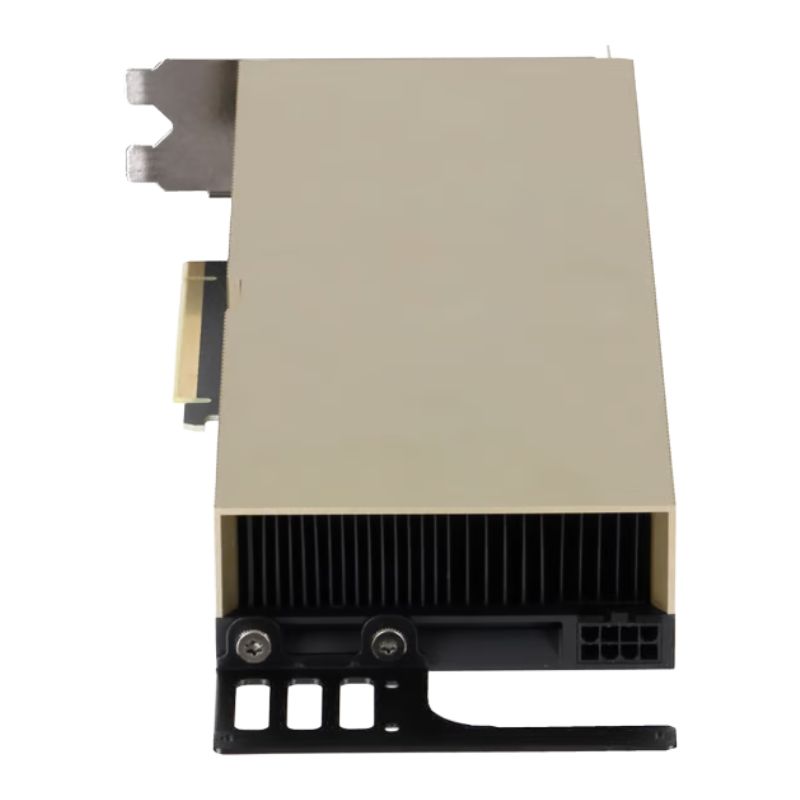
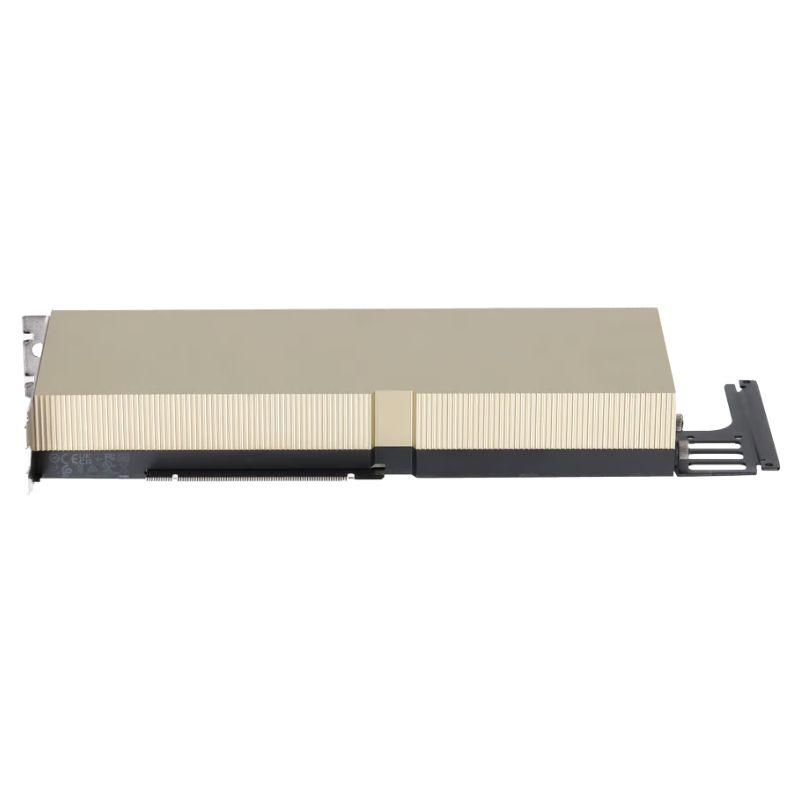
The Nvidia A16 adopts a full-height, full-length PCIe card form factor with a passive cooling solution, making it ideal for server environments with optimized airflow. The passive heatsink design eliminates moving parts that could fail, increasing reliability in 24/7 operation. The card features standard PCIe bracket mounting and requires proper chassis airflow to maintain optimal operating temperatures. Unlike actively-cooled consumer cards, the passive design allows for dense configurations in server racks without the acoustic limitations of multiple small fans.
With a typical board power of 250W, the A16 requires appropriate power delivery from the host system, usually through 8-pin PCIe power connectors. The thermal design prioritizes consistent performance under sustained load rather than peak burst performance, aligning with the continuous operation requirements of server environments. The massive heatsink employs precision-machined fins and heat pipes to efficiently dissipate heat across the four GPU chips and memory modules, maintaining stable clock speeds even during extended periods of high utilization.
While the A16 is primarily designed for virtualized environments rather than direct display output, it still includes the necessary display engines to support physical monitors when required. The card supports modern display protocols including DisplayPort 1.4, enabling high-resolution multi-monitor setups for local users. However, in most deployment scenarios, the graphics output is encoded and transmitted over the network using technologies like Nvidia GRID Virtual PC or vGPU-compatible remote display protocols.
The A16 incorporates dedicated hardware encoding (NVENC) and decoding (NVDEC) engines based on Nvidia seventh-generation architecture. These specialized units offload video processing from the CPU, significantly improving performance in video-intensive applications like video conferencing, media playback, and video editing through virtual desktops. The encoders support modern codecs including H.265 (HEVC), H.264, and AV1, ensuring efficient bandwidth utilization while maintaining high image quality for remote display protocols.
The defining performance metric for the A16 is user density—the number of concurrent users that can be supported while maintaining acceptable performance levels. In standardized benchmarks using simulation tools like Login VSI, the A16 demonstrates exceptional scaling characteristics, maintaining consistent frame rates and response times even as user count increases. The four-GPU architecture provides natural isolation that prevents "noisy neighbor" issues where one intensive user might impact others sharing the same GPU resources.
Performance varies significantly based on the applications being used through the virtual desktop. For office productivity applications like Microsoft Office and web browsing, the A16 can support extremely high user densities. For knowledge workers using applications like Adobe Creative Cloud or AutoCAD, moderate user densities provide responsive performance. For the most demanding professional visualization applications, lower user densities with dedicated resources ensure workstation-class performance through virtualized delivery.
When compared to previous-generation VDI accelerators like the M10, the A16 demonstrates substantial improvements in performance per watt and user density. The transition to Ampere architecture brings not only raw performance increases but also enhanced features like improved video codecs, better memory efficiency, and more sophisticated virtualization capabilities. Organizations upgrading from older solutions can typically achieve 1.5x to 2x the user density on equivalent hardware, significantly reducing per-user costs for VDI implementations.
The Nvidia A16 is compatible with a wide range of server platforms from major manufacturers including Dell, HPE, Cisco, and Super micro. When selecting server hardware for A16 deployment, considerations include physical space for the cards, adequate power supply capacity, PCIe lane allocation, and cooling system capability. Most modern servers support the A16, but optimal configurations typically involve purpose-built GPU servers with enhanced power delivery and thermal designs specifically engineered for multi-GPU deployments.
Successful A16 implementation requires compatible hypervisor software and appropriate licensing for Nvidia vGPU technology. The virtualization environment must be properly configured with supported driver versions and management tools like Nvidia vGPU Manager. IT staff should be trained in vGPU profile management, monitoring, and troubleshooting to ensure optimal operation. Regular driver updates from Nvidia provide performance improvements, security patches, and compatibility with new operating systems and applications.
Beyond the hardware investment, organizations must consider the software licensing requirements for Nvidia vGPU technology. Licensing is typically structured per concurrent user and varies based on the virtual GPU profile and software features required. When calculating total cost of ownership, organizations should factor in not just the initial hardware and software costs, but also savings from reduced endpoint device requirements, improved security, centralized management, and energy efficiency compared to traditional desktop workstations.
In traditional enterprise environments, the A16 enables secure, manageable desktop delivery to employees across different departments with varying application requirements. The flexibility of vGPU profiles allows IT departments to create tiered service levels—basic profiles for task workers and more powerful allocations for knowledge workers—all from the same hardware infrastructure. The centralized management and enhanced security of VDI with A16 acceleration is particularly valuable for organizations with compliance requirements or distributed office locations.
Educational institutions benefit from the A16's ability to deliver specialized applications to students from any device, whether on campus or remotely. Computer labs can be virtualized, reducing maintenance and allowing students to access their personalized desktop environment from any location. The multi-tenant capabilities enable different departments or courses to share the same hardware while maintaining isolation and appropriate resource allocation based on academic requirements.
In healthcare settings, the A16 facilitates the delivery of medical imaging applications like PACS viewers to clinicians without requiring high-end workstations at every access point. Doctors can review high-resolution medical images from standard computers, tablets, or even thin clients while benefiting from GPU-accelerated rendering and manipulation. The centralized model improves security for protected health information (PHI) and simplifies software updates and compliance across the organization.
Manufacturing and engineering firms utilize the A16 to provide remote access to CAD, CAM, and CAE applications for designers and engineers. The GPU acceleration ensures that complex models render smoothly and manipulations remain responsive, enabling productive work through virtual desktops. The ability to centralize expensive engineering software and project data improves collaboration and security while reducing software licensing costs through shared usage models.
The A16 is designed to support emerging virtualization standards and display protocols, ensuring longevity in rapidly evolving IT environments. As remote display technologies advance with better compression algorithms and lower latency techniques, the A16's hardware encoding capabilities will continue to deliver improved user experiences. Ongoing driver development from Nvidia adds support for new operating systems, applications, and management features throughout the product's lifecycle.
The architecture of the A16 aligns with trends toward cloud and hybrid work models, where processing occurs in centralized locations while users connect from various endpoints. As organizations increasingly adopt cloud-first strategies, the A16 provides the foundation for graphics-accelerated infrastructure-as-a-service offerings, either in private clouds or through service providers. The card's management capabilities integrate with cloud orchestration platforms, enabling automated provisioning and scaling of GPU resources based on demand.


 Contact Us
 Information
 Catalog
 Solid State Drives (SSD)
 Network Switches
 Hard Disk Drives
 HBA & Controllers
 PC & Servers
 PC & Server Memory
 CPU & Processors
 Network Routers
 Power Supplies
 Tape Drives & Libraries
 Network Devices
 Computer & Network Cables