(7% discount is applied at checkout)
Cart is empty
Your go-to destination for cutting-edge server products
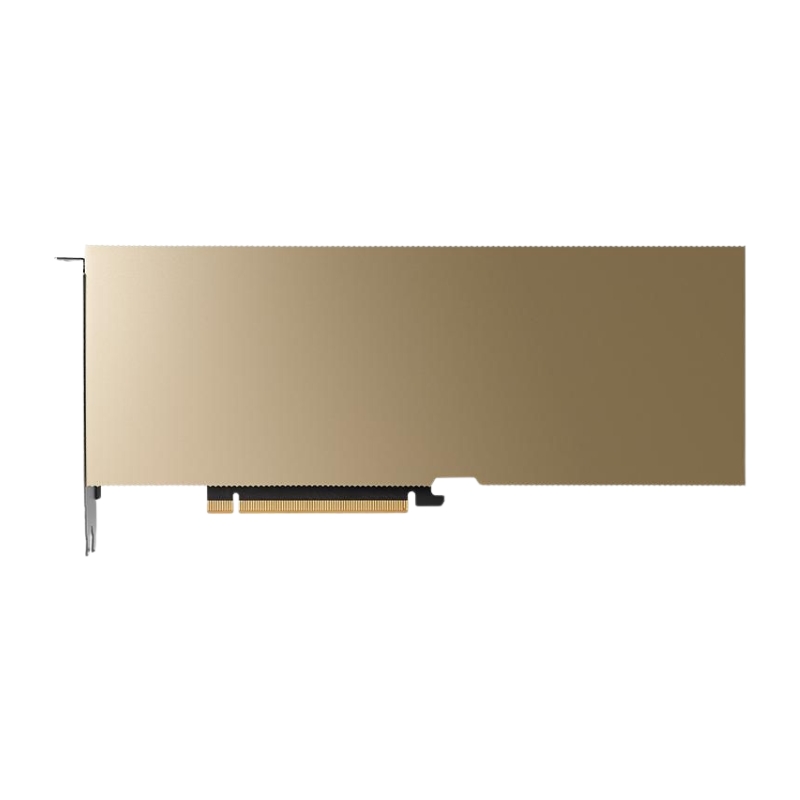


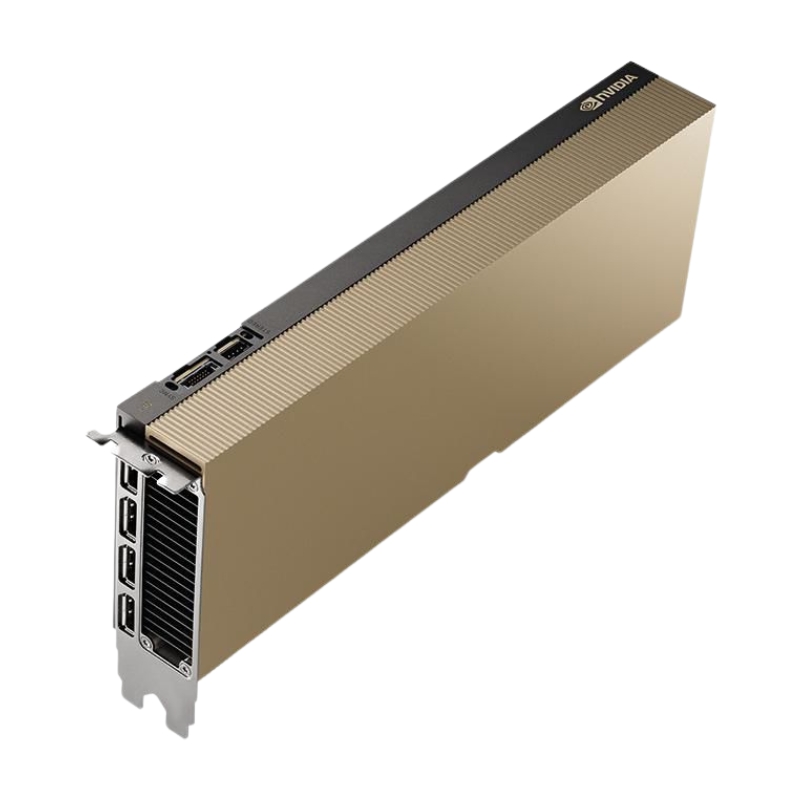
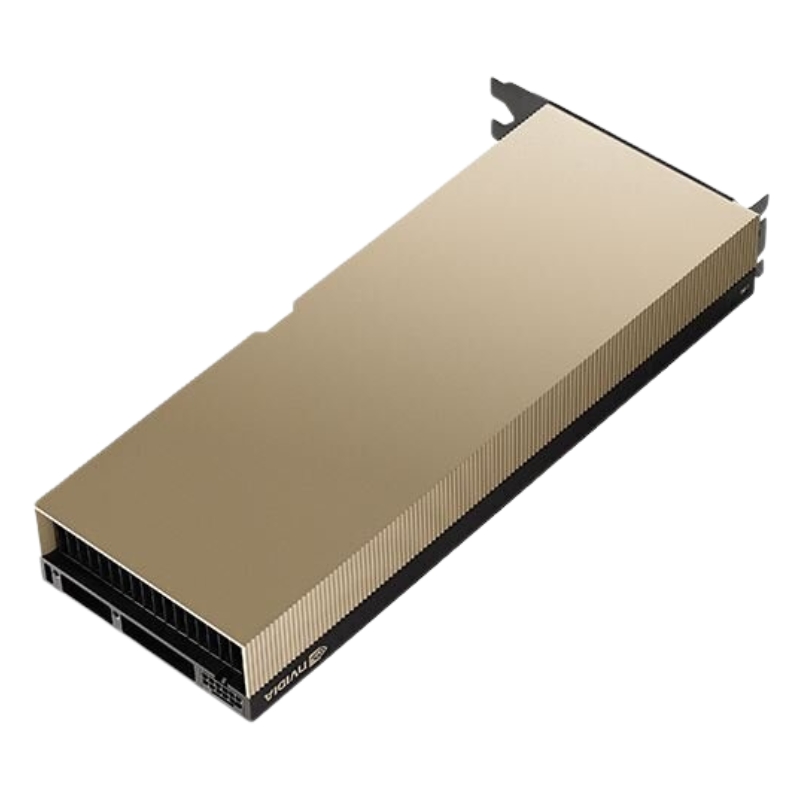
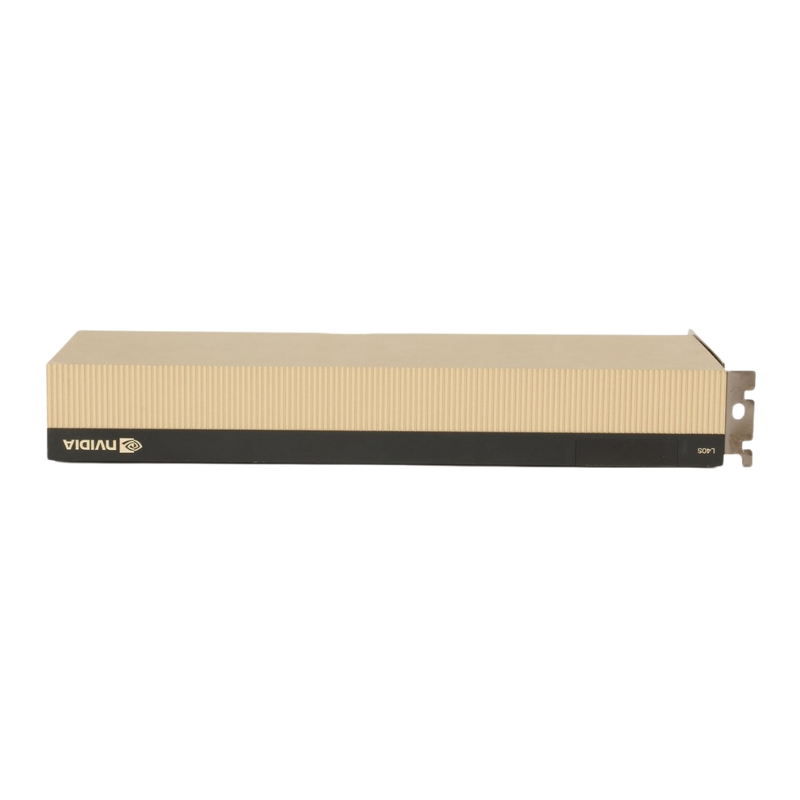
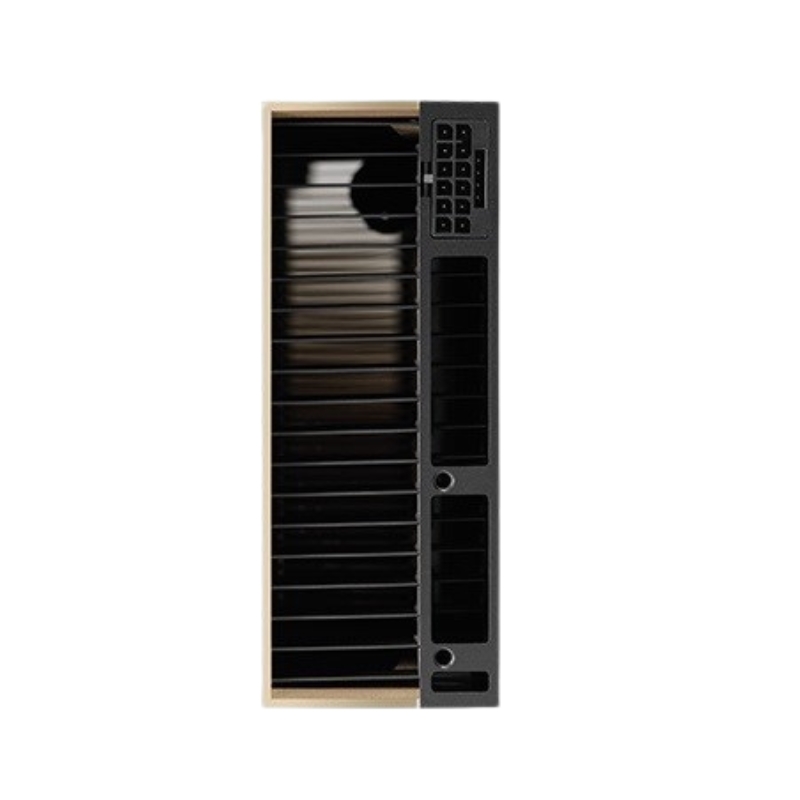
Nvidia TCSL40SPCIE-PB L40s 48GB GDDR6 PCI Express Gen4 Passive GPU. New Sealed in Box (NIB) with 3 Year Warranty. Eta 2-3 Weeks. No Cancel No Return
The Nvidia TCSL40SPCIE-PB L40s is a powerful data center-grade graphics processing unit engineered for high-performance workloads. Designed with advanced architecture, this 48GB GDDR6 passive GPU leverages PCI Express Gen4 for enhanced data throughput.
The TCSL40SPCIE‑PB L40s Nvidia 48GB GDDR6 PCI Express Gen4 passive GPU category encompasses the high-end, datacenter‑class graphics cards engineered to support demanding workloads in artificial intelligence, high performance computing, virtualized environments, and cloud infrastructure. Within this category, the key differentiators are memory capacity, cooling design (passive thermal architecture), interface generation (PCIe Gen4), and the GPU architecture featuring Nvidia’s latest tensor, RT, and transformer cores. Products in this class typically cater to enterprise, research, and industrial users who require silent, rack‑friendly solutions without active cooling noise or moving parts.
The architecture underlying this GPU category is based upon Nvidia’s advanced L40s core, which brings multiple enhancements over previous generations. At its heart lies support for fourth‑generation tensor cores, enabling superior throughput on deep learning workloads, and third‑generation RT cores that accelerate ray tracing operations with greater efficiency. The transformer engine further optimizes large language models and complex AI training tasks. Because this GPU leverages the PCI Express Gen4 interface, it benefits from higher bandwidth and lower latency compared to legacy Gen3 devices. This ensures that data exchange between system memory and the GPU’s 48 GB of GDDR6 memory remains unimpeded, enabling full utilization of computational resources.
One of the defining features of this GPU category is its memory configuration. With 48 GB of GDDR6 onboard, the card is well suited to memory‑intensive operations such as large neural network batching, 3D scene datasets, and volumetric simulation. The memory operates at speeds that yield an effective bandwidth of 864 GB/s, ensuring that the GPU cores are rarely starved of data. This high throughput is critical for sustaining performance in AI and HPC workflows where data transfer overheads can throttle system throughput if not designed properly.
In contrast to active cooling solutions with fans or pumps, this category emphasizes passive thermal solutions—heatsinks optimized for heat dissipation without mechanical components. That allows for totally silent operation, reduces maintenance, and eliminates failure modes associated with moving parts. Passive cooling is especially valuable in dense rack systems or clean rooms where acoustic noise or airflow constraints matter. The thermal design is engineered to disperse up to 350 W of heat load under peak usage while maintaining safe operating temperatures for GPU cores and memory chips, making this GPU category particularly appropriate for environments where reliability and minimal servicing are priorities.
This GPU category finds utility in several advanced computational domains. In the realm of artificial intelligence and deep learning, these cards power large model training, fine tuning, inference pipelines, and distributed data parallel workloads. Their large memory size enables training of transformers or large convolutional networks without frequent partitioning across multiple GPUs. Scientific research and simulation tasks—such as computational fluid dynamics, finite element analysis, molecular modeling, and weather modeling—also benefit strongly from the sustained throughput and high memory bandwidth. Similarly, in rendering, visual effects, and ray‑tracing applications, each GPU’s RT core capabilities accelerate realistic lighting and shading workloads at scale. In cloud GPU offerings or virtualized workstation deployments, the passive design ensures quiet and robust operation within datacenters, while the PCIe Gen4 interface ensures that multiple GPU instances do not saturate the host bus prematurely.
Within this category, system integrators often deploy multiple units in the same server chassis to achieve parallel scaling for AI or compute clusters. Because of the passive design, common airflow strategies are easier to maintain and integrate. The PCIe Gen4 interface further supports x16 lanes per card, ensuring that each GPU can receive full bandwidth without contention. These characteristics make the category well suited to NVLink bridging or PCIe fabric interconnects in larger clusters, providing both interconnect capability and high per‑GPU throughput for workloads such as distributed training or inference for massive models.
Performance in this GPU category is often evaluated across metrics such as FP16/FP32 throughput, mixed precision performance, AI FLOPS, tensor core throughput, ray tracing performance, power efficiency, and memory latency. In synthetic benchmarks and real workloads, GPUs in this class tend to deliver state‑of‑the‑art scores that surpass prior generation cards, especially in tasks leveraging tensor cores or RT cores. Efficiency metrics are improved through architectural refinements and the transformer engine, making them especially competitive in training and inference pipelines. The passive cooling does not hinder performance so long as chassis airflow is sufficient, and thermal headroom is managed correctly to avoid throttling under sustained loads.
When integrating cards in this category into server or workstation platforms, certain compatibility conditions must be met. The motherboard must support PCIe Gen4 x16 slots with sufficient electrical signaling and board layout. The power delivery infrastructure must supply up to 350 W per GPU with stable rails and connectors routed to the power supply. Chassis designs need to account for passive cooling, ensuring appropriate airflow paths and heat exhaust. Since the GPUs lack active fans, ambient airflow must be sufficient to carry away heat from the heatsinks. Firmware, BIOS, drivers, and operating system support must recognize the L40s architecture and expose tensor / RT core features properly. Interconnect standards (such as NVLink, PCIe switches or fabric) should be supported if multi‑GPU scaling is required.
Within the broader category of high‑end passive PCIe Gen4 GPUs, the TCSL40SPCIE‑PB L40s variants may differ in factory firmware, cluster configuration, or thermal tuning. Some variants may be optimized for memory bandwidth, others tuned for lower idle power consumption or differential cooling in specific chassis. There are also specialized subcategories such as “airflow‑optimized passive GPUs” that emphasize heatsink fin geometry tailored to specific server chassis, or “cluster-grade firmware” variants that include locked or preconfigured interconnect behavioral profiles. Another subcategory addresses compatibility with virtualization and multi‑tenant GPU sharing, where the firmware supports GPU partitioning or MIG (multi‑instance GPU) capabilities gleaned from the L40 architecture.
Passive cooling as a category approach imposes certain trade‑offs. Because there is no active fan, the heatsink must be significantly larger or more efficiently designed to dissipate heat. This tends to make cards longer, taller, or thicker compared to actively cooled counterparts. In the TCSL40SPCIE‑PB L40s series, the passive design is carefully engineered to balance size constraints with heat rejection. The acoustic benefit is obvious—zero fan noise—making it ideal for environments sensitive to sound or vibration. However, because performance is tied to ambient airflow, system architects must ensure effective ventilation or air movement in racks. When multiple cards are installed side by side, spacing and airflow management are essential to prevent heat stacking. Users adopting this category must respect these trade‑offs to maintain sustained performance under heavy workloads.
Deployment of GPUs in this class often occurs in server rooms, data centers, HPC clusters, research labs, and GPU as a service (GPUaaS) facilities. These environments typically offer controlled cooling infrastructure, directed airflow, and capacity for rack ventilation. Because the TCSL40SPCIE‑PB variant draws up to 350 W of power, thermal planning at the infrastructure level is critical—power budgets, heat rejection capability, ambient temperature constraints, and airflow pathways all play roles in ensuring stable operation. Cooling layouts might rely on hot‑aisle / cold‑aisle strategies, blowers, or dedicated exhaust systems to channel heat out of enclosures. Within the category, the passive GPU’s advantage is that it places fewer constraints on fan noise or spinning parts, but the tradeoff is reliance on ambient convection which demands robust system design.
Within the lifecycle planning of infrastructure, GPUs in this category are expected to serve for multiple generations of workloads. Their high memory capacity and architectural headroom allow them to remain relevant even as model sizes grow. Because the category is built upon the PCIe Gen4 interconnect standard, the cards remain compatible with many current and upcoming server platforms. If future CPUs or boards adopt Gen5 or newer, interoperability may require verification, but current designs ensure broad forward compatibility. Facilities may adopt new variants or firmware upgrades to unlock additional features without physically replacing hardware. This upgradability within the category fosters long-term value.
Maximizing throughput from GPUs in this category involves tuning several system parameters. Ensuring that host CPUs and memory systems can feed data fast enough is essential—bottlenecks on the PCIe bus or insufficient system RAM can throttle GPU performance. Drivers and firmware should be kept current to benefit from power curve refinements and thermal improvements. In multi‑GPU setups, interconnect topology should be optimized to reduce latency and maximize peer‑to‑peer bandwidth for synchronized workloads. Load balancing across multiple GPUs, mixed precision training, pipeline parallelism, and memory overlapping techniques may be used to fully saturate tensor cores. Thermal headroom must be maintained by monitoring GPU temperatures and adjusting airflow strategies or server fan curves accordingly. Users running extended benchmarks or production workloads should validate that throttling does not occur under sustained peak loads, and design system provisioning with some margin headroom for thermal and power spikes.
Within the broader market segment of passive PCIe Gen4 GPUs, the TCSL40SPCIE‑PB L40s class competes with alternative passive or semi‑passive models that may offer lower memory, reduced power consumption, or alternative cooling profiles. However, its combination of 48 GB of memory, advanced tensor / RT / transformer cores, and 350 W performance ceiling places it near the top of the spectrum for demanding AI, simulation, and visualization workflows. Some alternatives may emphasize energy efficiency or lower total cost of ownership, but often at the expense of headroom or memory capacity. In contrast, the TCSL40SPCIE‑PB L40s variants aim to balance performance rigidity with operational robustness, making them appealing for scaling complex compute environments.
As the passive Gen4 GPU domain evolves, the TCSL40SPCIE‑PB L40s category is influenced by emerging trends in memory, interconnect, cooling, and AI workload requirements. Next‑generation memory types, such as HBM or GDDR7, may influence future variants, but currently GDDR6 at 48 GB remains a sweet spot for capacity and cost. Interconnect advances such as PCIe Gen5, Compute Express Link (CXL), and optical fabrics may reshape the bandwidth pathways. In thermal design, hybrid or vapor chamber passive technologies could further increase heat dissipation efficiency without active components. On the AI side, model architectures continue growing, demanding greater memory, sparsity support, and better tensor core throughput, which drives the roadmap for subsequent L40s successors. The passive GPU category remains at the intersection of hardware innovation, system design, and software stack optimization—each variant in the TCSL40SPCIE‑PB class reflects a careful balance among these dimensions.


 Contact Us
 Information
 Catalog
 Solid State Drives (SSD)
 Network Switches
 Hard Disk Drives
 HBA & Controllers
 PC & Servers
 PC & Server Memory
 CPU & Processors
 Network Routers
 Power Supplies
 Tape Drives & Libraries
 Network Devices
 Computer & Network Cables