(7% discount is applied at checkout)
Cart is empty
Your go-to destination for cutting-edge server products
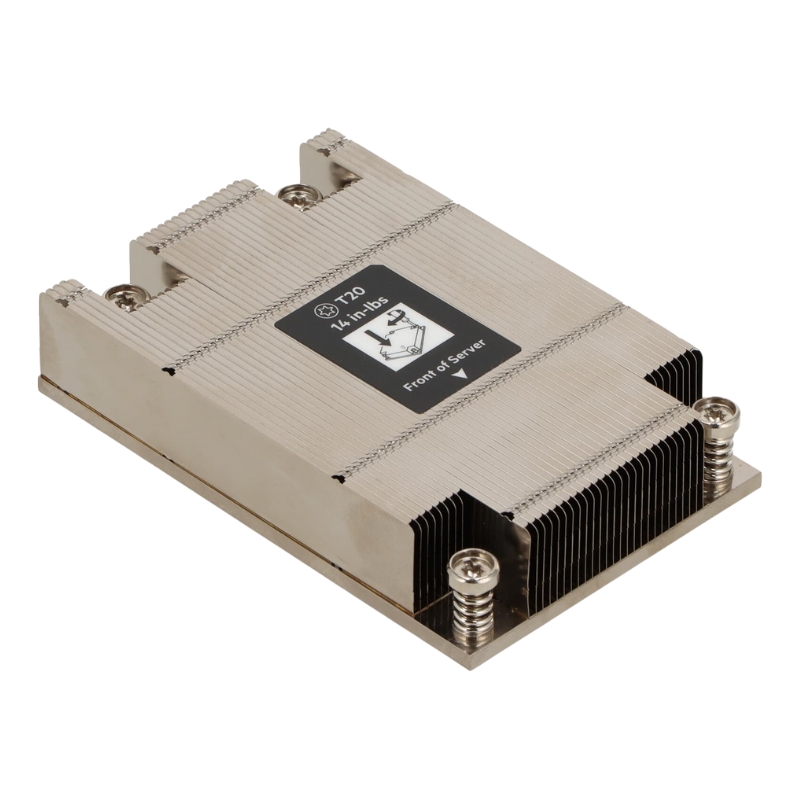


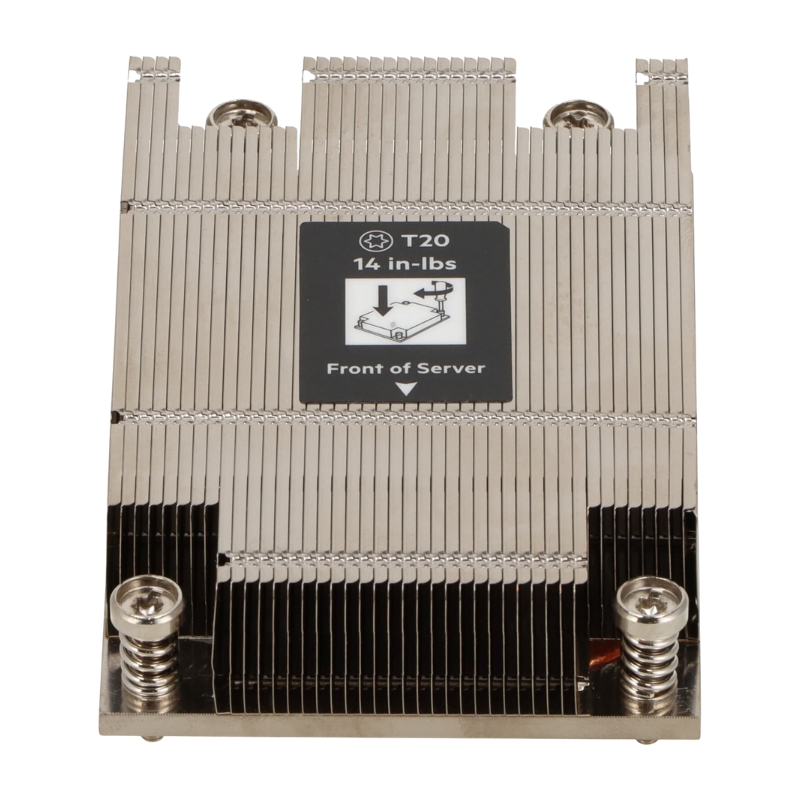
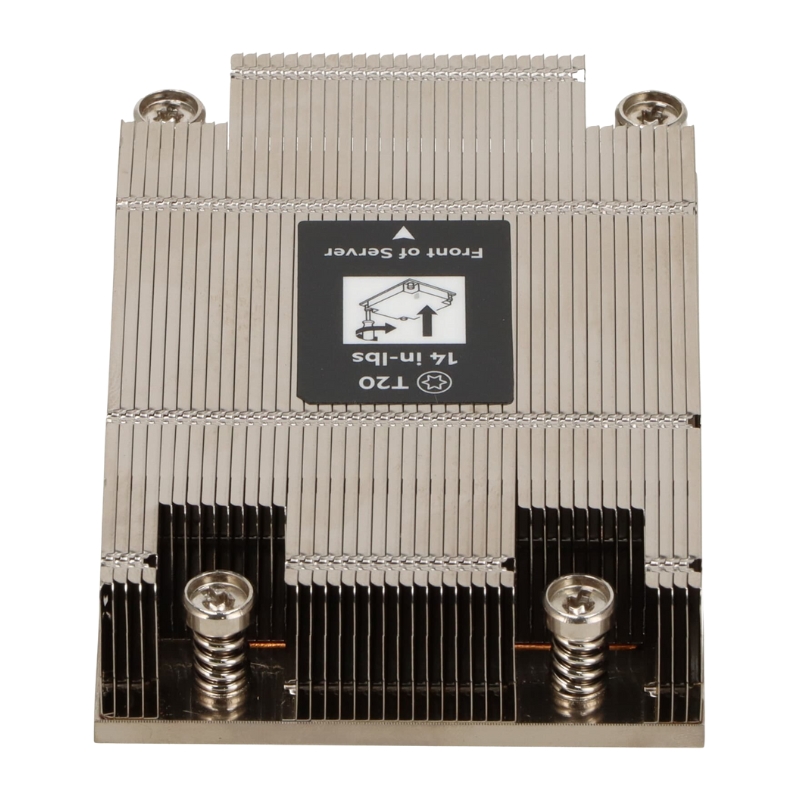
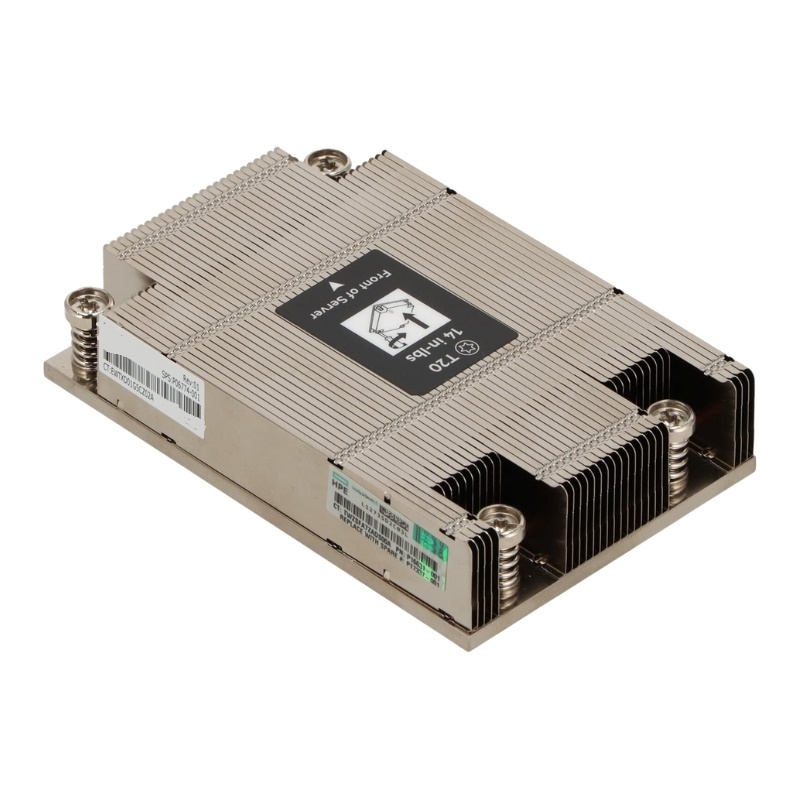
HPE P06774-001 1U High Performance Heatsink For ProLiant DL325 Gen10. Excellent Refurbished with 1 Year Replacement Warranty
The HPE ProLiant DL325 G10 High Performance Heatsink Kit offers a reliable thermal management solution designed specifically for enterprise-grade server systems. Engineered to maintain system integrity, this kit ensures optimal heat dissipation in high-demand environments.
The HPE P06774-001 1U High Performance Heatsink is an enterprise-grade thermal management component specifically engineered for the HPE ProLiant DL325 Gen10 server platform. Designed to meet the demanding cooling requirements of high-density 1U rack environments, this heatsink plays a critical role in ensuring CPU thermal stability, sustained performance, and long-term system reliability under continuous enterprise workloads. Built with precision engineering standards aligned with Hewlett Packard Enterprise server architecture, the heatsink supports advanced AMD EPYC processor configurations used in the DL325 Gen10 family.
In modern data center environments where computing density is maximized within minimal rack space, thermal efficiency becomes a foundational requirement. The HPE P06774-001 heatsink is designed to handle these challenges by optimizing heat dissipation from high-TDP processors while maintaining compatibility with constrained airflow paths typical of 1U server chassis. Its structure reflects HPE’s engineering focus on balancing airflow dynamics, material conductivity, and mechanical stability within tightly packed compute nodes.
The thermal engineering behind the HPE P06774-001 heatsink is centered around efficient heat extraction from the CPU integrated heat spreader (IHS). It utilizes a carefully calculated fin density and base plate structure that maximizes thermal conduction while minimizing airflow resistance. In a 1U server environment, airflow is highly restricted due to limited vertical space, making optimized heat transfer essential for preventing thermal throttling.
The heatsink base is engineered to maintain maximum contact uniformity with the processor surface. This ensures that heat is distributed evenly across the thermal interface, reducing hotspots that could negatively impact CPU performance. The structural rigidity of the heatsink also ensures consistent mounting pressure across the processor surface, which is critical for long-duration workloads in enterprise servers.
High-grade aluminum alloy is typically used in conjunction with precision-machined copper contact elements to achieve optimal thermal conductivity. Aluminum provides lightweight structural integrity while copper enhances heat absorption at the CPU interface. This combination ensures that heat is rapidly drawn away from the processor and distributed across the fin stack for dissipation into the server airflow channel.
The integration of mixed metal thermal pathways allows the HPE P06774-001 heatsink to maintain stable CPU temperatures even under sustained computational loads such as virtualization, database processing, and cloud-native workloads. The material selection is carefully balanced to reduce thermal resistance while ensuring long-term durability under continuous thermal cycling.
The fin architecture of the heatsink is designed for optimized airflow directionality within a 1U chassis. Each fin is aligned to minimize turbulence while maximizing surface area exposure to high-speed server fans. This is especially important in dense server configurations where airflow is linear and front-to-back cooling efficiency determines overall system stability.
The spacing between fins is engineered to allow dust-resistant airflow while maintaining maximum thermal exchange. This balance ensures that the heatsink performs consistently in both clean data center environments and moderately contaminated air conditions where particulate buildup may occur over time.
In the ProLiant DL325 Gen10 server architecture, airflow is driven by high-RPM system fans that channel air directly across processor heatsinks. The P06774-001 is specifically shaped to align with this airflow vector, ensuring that heat is efficiently removed from the CPU region without creating backpressure that could reduce overall cooling efficiency in adjacent components such as memory modules and VRMs.
This optimized airflow compatibility is essential in preventing thermal bottlenecks in multi-core processor environments where sustained workloads can quickly elevate thermal output beyond standard cooling thresholds.
The HPE P06774-001 heatsink is engineered exclusively for compatibility with the AMD EPYC socket architecture used in the HPE ProLiant DL325 Gen10 server. The mounting system ensures precise alignment with the CPU retention mechanism, maintaining uniform pressure distribution across the processor surface.
This precise mechanical integration eliminates micro-gaps between the CPU and heatsink base, which could otherwise lead to inefficient thermal transfer. The mounting hardware is designed to withstand repeated thermal expansion cycles without loosening or degradation in contact quality, ensuring long-term reliability in mission-critical environments.
Enterprise servers often operate under continuous 24/7 workloads that generate sustained thermal loads. The heatsink’s mechanical structure is reinforced to prevent warping or displacement under repeated heating and cooling cycles. This stability is essential for maintaining consistent CPU cooling performance over the lifecycle of the server.
The DL325 Gen10 server platform utilizes a coordinated cooling ecosystem that includes system fans, airflow shrouds, and thermal sensors. The HPE P06774-001 heatsink is designed to function as a core component within this ecosystem, ensuring that CPU heat is effectively transferred into the broader airflow channel without disrupting system-wide thermal balance.
This integration ensures that the server maintains optimal operating temperatures even during peak computational loads such as virtualization scaling, distributed database processing, and high-frequency transaction environments.
In modern data centers, 1U servers such as the ProLiant DL325 Gen10 are often deployed in high-density racks where thermal accumulation can become a significant challenge. The HPE P06774-001 heatsink is specifically optimized to manage these conditions by maintaining low thermal resistance and high heat transfer efficiency.
Its design supports sustained high-performance computing workloads, including containerized environments, hyper-converged infrastructure (HCI), and cloud orchestration systems. These environments place continuous thermal stress on CPU components, requiring advanced cooling solutions capable of maintaining equilibrium under variable workloads.
Virtualization platforms running multiple virtual machines simultaneously generate fluctuating CPU usage patterns. The heatsink ensures rapid thermal response to workload spikes, preventing thermal throttling that could degrade VM performance. This responsiveness is critical for maintaining service-level agreements in enterprise IT environments.
Modern AMD EPYC processors feature high core counts that generate concentrated heat output. The heatsink distributes this thermal load evenly across its surface area, ensuring consistent cooling across all cores. This prevents localized overheating and supports balanced processor utilization across multi-threaded applications.
The heatsink is designed to work in conjunction with high-performance thermal interface materials (TIM) used in enterprise server deployments. These materials fill microscopic surface irregularities between the CPU and heatsink base, improving heat transfer efficiency and reducing thermal resistance.
Once installed, the heatsink becomes part of the server’s automated thermal management system. Temperature sensors embedded within the DL325 Gen10 monitor CPU thermal output and adjust fan speeds dynamically to maintain optimal operating conditions. The heatsink’s predictable thermal behavior ensures stable system calibration and efficient fan curve management.
The HPE P06774-001 heatsink is built for long-term deployment in enterprise environments where server uptime is critical. Its materials and structural design are optimized for resistance to thermal fatigue, corrosion, and mechanical stress. This ensures consistent performance even after years of continuous operation in high-temperature data center conditions.
The heatsink’s durability is essential in reducing maintenance overhead and ensuring uninterrupted service delivery in mission-critical IT infrastructures such as financial systems, cloud hosting platforms, and enterprise resource planning systems.
1U servers present unique thermal challenges due to their limited vertical space and high component density. The HPE P06774-001 heatsink is specifically engineered to operate efficiently within these constraints, ensuring that heat is effectively dissipated without interfering with adjacent components or airflow pathways.
The compact design ensures compatibility with tightly packed rack configurations, where multiple servers operate in close proximity and generate cumulative heat loads.
The heatsink is optimized to synchronize with high-speed server fan assemblies that generate directional airflow across the CPU zone. This synchronization ensures that heat is rapidly removed from the processor surface and carried out of the server chassis without recirculation.
In cloud computing environments, servers often experience fluctuating workloads depending on user demand and application scaling. The heatsink ensures that CPU temperatures remain stable during sudden workload spikes, supporting consistent cloud service delivery and minimizing latency caused by thermal throttling.
High-frequency database systems require continuous CPU performance without thermal interruption. The heatsink supports sustained processing loads by maintaining stable thermal conditions, ensuring that transaction throughput remains consistent even under heavy query loads.
In HPC environments, where computational workloads are extremely intensive, thermal management becomes a critical performance factor. The heatsink supports these workloads by efficiently dissipating heat generated during complex simulations, data analytics, and scientific computing operations.
Efficient heat dissipation reduces the workload on server fans, leading to lower overall power consumption within the data center. The HPE P06774-001 contributes to energy-efficient system operation by optimizing passive heat transfer and reducing reliance on high-speed active cooling.
By improving CPU thermal efficiency, the heatsink indirectly contributes to reduced cooling costs at the facility level. Lower thermal output per server reduces the burden on HVAC systems, improving overall data center energy efficiency metrics and supporting sustainable infrastructure operations.


 Contact Us
 Information
 Catalog
 Solid State Drives (SSD)
 Network Switches
 Hard Disk Drives
 HBA & Controllers
 PC & Servers
 PC & Server Memory
 CPU & Processors
 Network Routers
 Power Supplies
 Tape Drives & Libraries
 Network Devices
 Computer & Network Cables