(7% discount is applied at checkout)
Cart is empty
Your go-to destination for cutting-edge server products
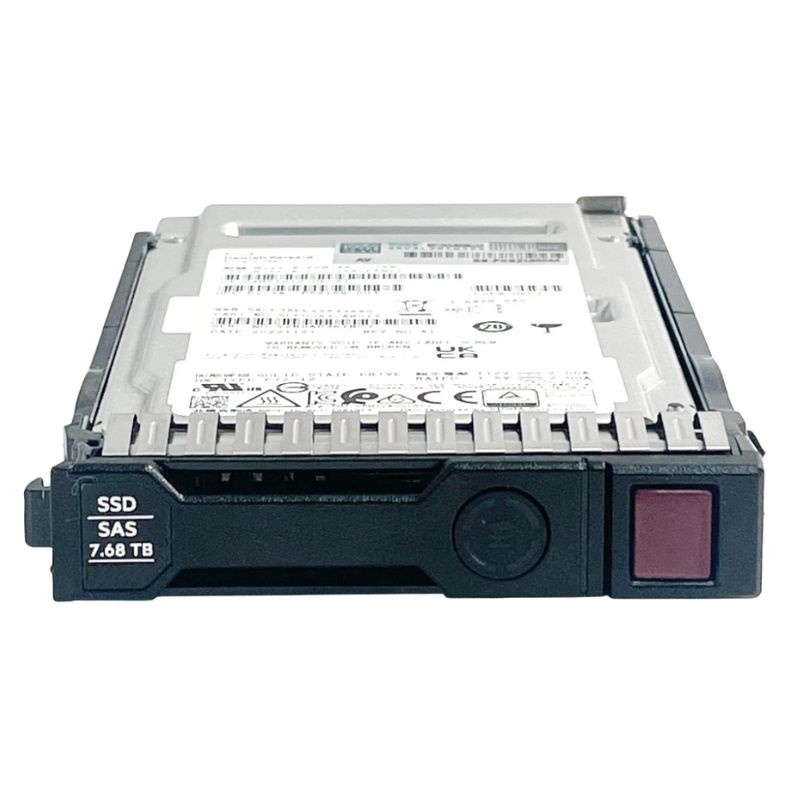


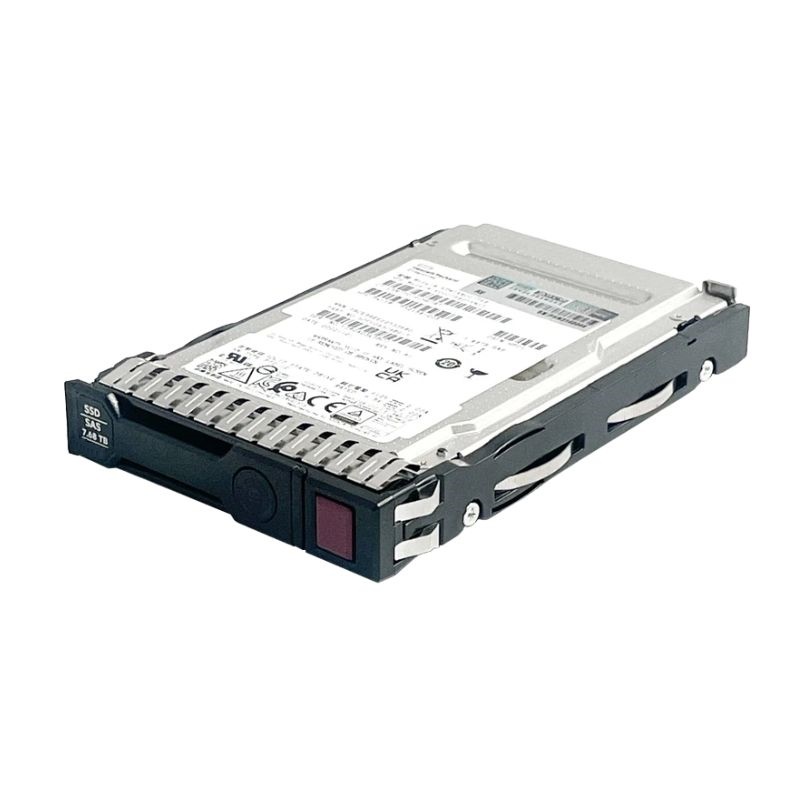
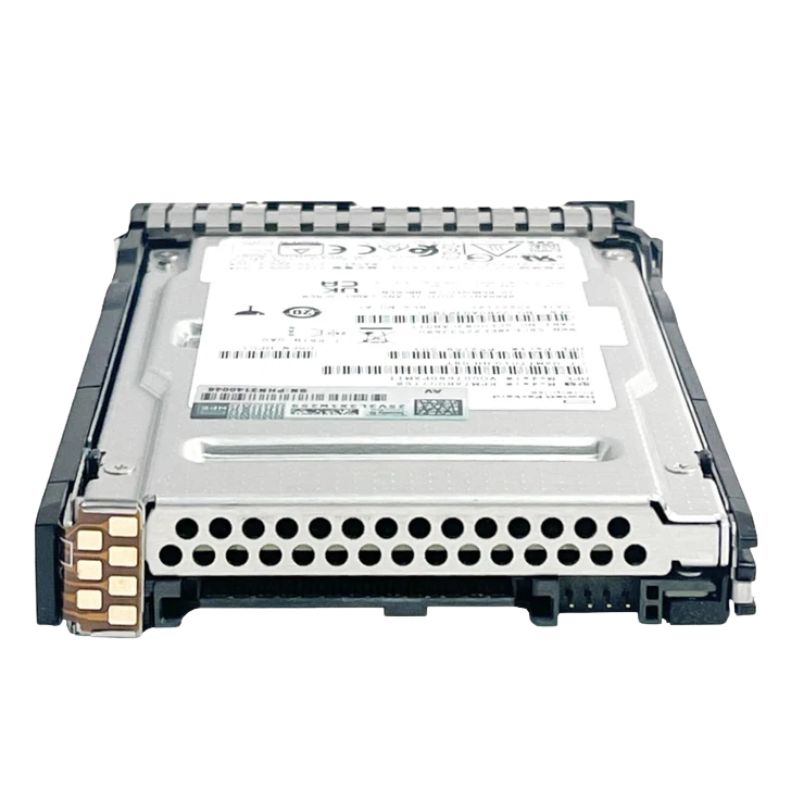
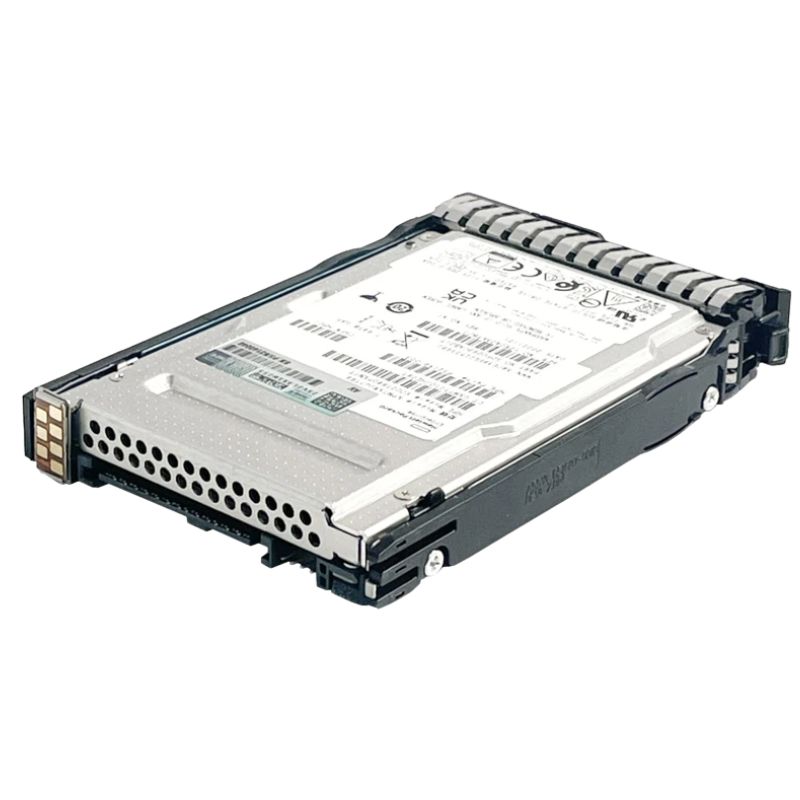
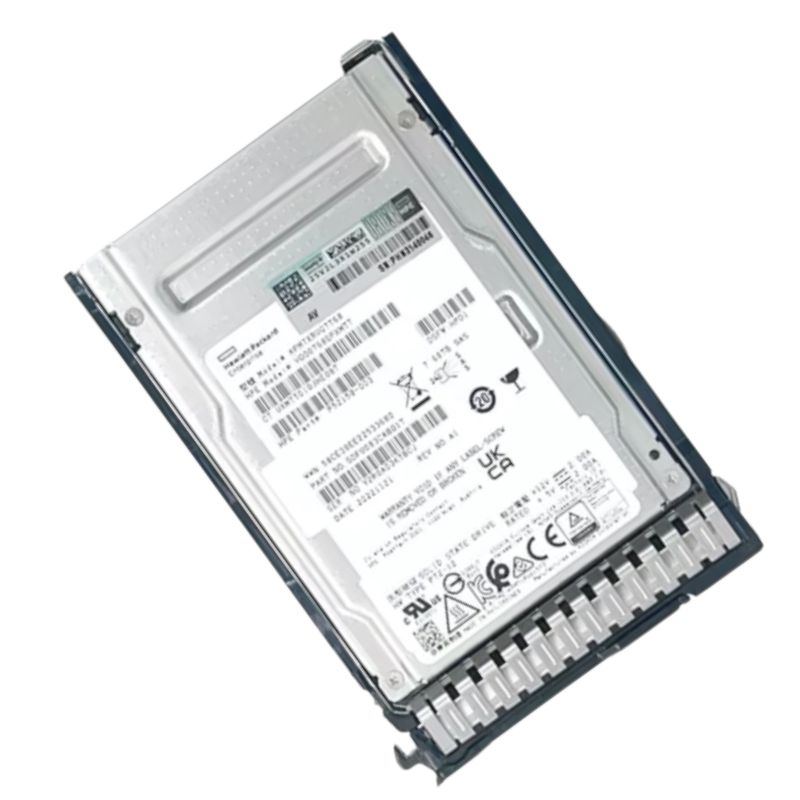
HPE P07305-004 SAS 7.68TB 12GBPS Read Intensive SFF Multi Vendor Gen10 Plus TLC SSD. Excellent Refurbished with 1 year replacement warranty
Boost your HPE Gen10 Plus infrastructure with a reliable, high-capacity solid-state drive engineered for steady read-heavy workloads. This 7.68TB SAS 12Gb/s SFF (2.5") BC carrier model leverages TLC NAND, a single SAS port, and hot-plug convenience to simplify fleet-scale deployments while keeping latency predictable and throughput consistent.
Performance Profile
The HPE P07305-004 represents a significant advancement in enterprise storage technology, featuring a robust 7.68TB capacity designed for read-intensive applications. This Serial Attached SCSI SSD operates at 12Gb/s interface speeds, ensuring optimal data transfer rates for demanding enterprise environments. The drive utilizes Triple-Level Cell NAND flash technology, engineered specifically for multi-vendor compatibility across Gen10 Plus server platforms. This storage solution incorporates advanced wear-leveling algorithms and sophisticated error correction mechanisms that maintain data integrity while extending the drive's operational lifespan. The small form factor design enables high-density storage configurations without compromising performance or reliability in space-constrained data center environments.
Leveraging the SAS 12Gb/s interface, this SSD delivers exceptional performance characteristics with sustained read and write operations optimized for enterprise workloads. The dual-port SAS architecture provides redundant pathways for data access, ensuring continuous availability and fault tolerance. The interface maintains full backward compatibility with previous 6Gb/s SAS infrastructures while delivering the enhanced performance capabilities required for modern data centers. The advanced protocol implementation includes support for SCSI commands, task management functions, and robust error recovery procedures that maintain system stability during intensive operations.
The HPE P07305-004 conforms to the 2.5-inch Small Form Factor specification with a maximum height of 15mm, making it compatible with standard enterprise server drive bays and storage enclosures. The drive maintains operational integrity across extensive temperature ranges from 5°C to 55°C during standard operation and can withstand non-operating temperatures from -40°C to 70°C. The physical construction incorporates vibration-dampening materials and shock-resistant mounting points that protect the internal components during transportation and operation. The drive's weight distribution and center of gravity have been optimized to prevent resonance issues in multi-drive configurations.
Power management represents a critical aspect of this SSD's design, with typical active power consumption ranging between 8-12 watts during normal operation. The drive implements sophisticated power state management, including multiple low-power modes that reduce energy consumption during idle periods without compromising response times. The peak power consumption during maximum workload conditions remains within manageable limits to prevent overloading power distribution systems in high-density storage deployments. Advanced thermal monitoring circuits regulate power usage based on internal temperature sensors, ensuring optimal performance while maintaining safe operating temperatures.
Performance metrics for the P07305-004 demonstrate exceptional capabilities for read-intensive workloads, with sustained sequential read speeds reaching up to 2100 MB/s and sequential write speeds of 1150 MB/s. Random read performance achieves up to 300,000 IOPS at queue depth 256, while random write operations reach 65,000 IOPS under the same conditions. The drive maintains consistent performance levels even during extended write operations, thanks to the advanced flash management algorithms and substantial over-provisioning. The performance profile remains stable across various workload patterns, from large block sequential operations to small block random access patterns common in database applications.
The endurance rating for this read-intensive SSD reflects its optimized design for write-constrained environments, with a total bytes written specification of 14 petabytes over the drive's operational lifespan. This translates to approximately 10 full drive writes per day throughout the five-year warranty period. The drive incorporates advanced bad block management, wear leveling across all NAND cells, and sophisticated read-disturb mitigation techniques that prevent data corruption in high-density flash arrays. The uncorrectable bit error rate remains below one sector in 10^17 bits read, ensuring exceptional data integrity for critical enterprise applications.
Comprehensive data security features include IEEE 1667 compliant hardware-based encryption with 256-bit AES algorithm implementation. The drive supports multiple security protocols including TCG Enterprise and TCG Pyrite standards, providing flexible security options for various enterprise requirements. The encryption engine operates independently from the host system, ensuring no performance degradation during cryptographic operations. Security management capabilities include instant secure erase functionality that renders all data inaccessible by cryptographically erasing the encryption keys, a process that completes within seconds regardless of drive capacity.
Multiple layers of data protection ensure information integrity throughout the drive's operation. The end-to-end data path protection includes checksums for all data transfers between the host interface and NAND flash memory. Advanced RAID protection within the drive architecture allows for continued operation even in the event of NAND chip failures. The drive implements sophisticated read-retry algorithms and adaptive read voltage calibration that compensates for NAND cell threshold voltage shifts over time, significantly reducing read errors and improving data retention capabilities.
The performance characteristics of the P07305-004 make it ideally suited for database applications where read operations significantly outnumber write operations. In OLTP environments, the drive delivers consistent low-latency response times for random read operations, improving transaction processing throughput. The sustained read performance benefits data warehousing applications by accelerating query processing and reporting operations. Database logging operations benefit from the drive's sequential write capabilities while maintaining the consistent performance required for write-ahead logging implementations.
Virtualized environments present unique storage challenges that the P07305-004 effectively addresses through its balanced performance profile. The drive excels in hosting virtual machine images where boot storms and simultaneous read operations from multiple virtual machines demand consistent read performance. Hypervisor operations benefit from the low-latency random read capabilities when accessing metadata and configuration files. In cloud storage implementations, the drive provides cost-effective performance for frequently accessed data while maintaining the reliability requirements of multi-tenant environments.
Enterprise storage arrays utilize the P07305-004 as a performance-optimized tier for active data sets, complementing higher-capacity nearline SAS HDDs and archival storage tiers. The drive's read-optimized characteristics make it ideal for storing frequently accessed data while maintaining cost efficiency compared to write-intensive SSDs. Automated tiering software can transparently migrate hot data to these drives based on access patterns, improving overall storage system performance without manual intervention. The consistent low latency ensures predictable application performance in tiered storage environments.
Server-side caching implementations leverage the P07305-004 to accelerate access to frequently used data stored on network-attached storage or storage area networks. The drive serves as an extended cache for database servers, web servers, and application servers, reducing latency for read operations by keeping copies of hot data locally. The read-intensive design matches typical caching workloads where data is written once during cache population and read repeatedly during normal operation. This caching approach significantly improves application response times while reducing load on primary storage systems.
The P07305-004 maintains full compatibility with HPE Gen10 Plus server platforms, including ProLiant DL, ML, and XL series servers. Integration with HPE Smart Array controllers enables advanced features such as HPE Flexible Smart Array functionality and seamless firmware management through HPE iLO. The drive supports HPE's serviceability features including hot-plug capability, predictive failure analysis, and integrated health monitoring through HPE Systems Insight Manager. Compatibility with HPE storage enclosures including MSA, StoreVirtual, and Nimble Storage arrays extends the drive's deployment options across HPE's storage ecosystem.
Scale-out storage architectures benefit from the consistent performance characteristics of the P07305-004 across multiple nodes in distributed systems. The drive's predictable latency profile enables balanced performance in clustered storage implementations where I/O loads distribute across multiple storage nodes. In hyper-converged infrastructure deployments, the drive provides local storage performance for virtualized workloads while maintaining compatibility with software-defined storage platforms. The dual-port SAS capability ensures continuous data availability in redundant storage configurations common in clustered environments.


 Contact Us
 Information
 Catalog
 Solid State Drives (SSD)
 Network Switches
 Hard Disk Drives
 HBA & Controllers
 PC & Servers
 PC & Server Memory
 CPU & Processors
 Network Routers
 Power Supplies
 Tape Drives & Libraries
 Network Devices
 Computer & Network Cables