(7% discount is applied at checkout)
Cart is empty
Your go-to destination for cutting-edge server products
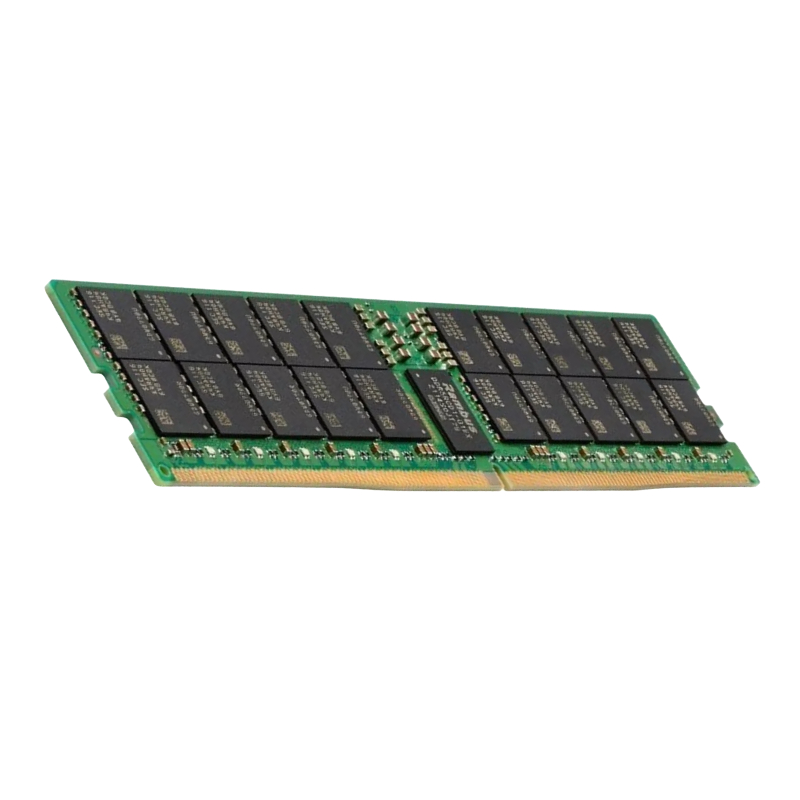


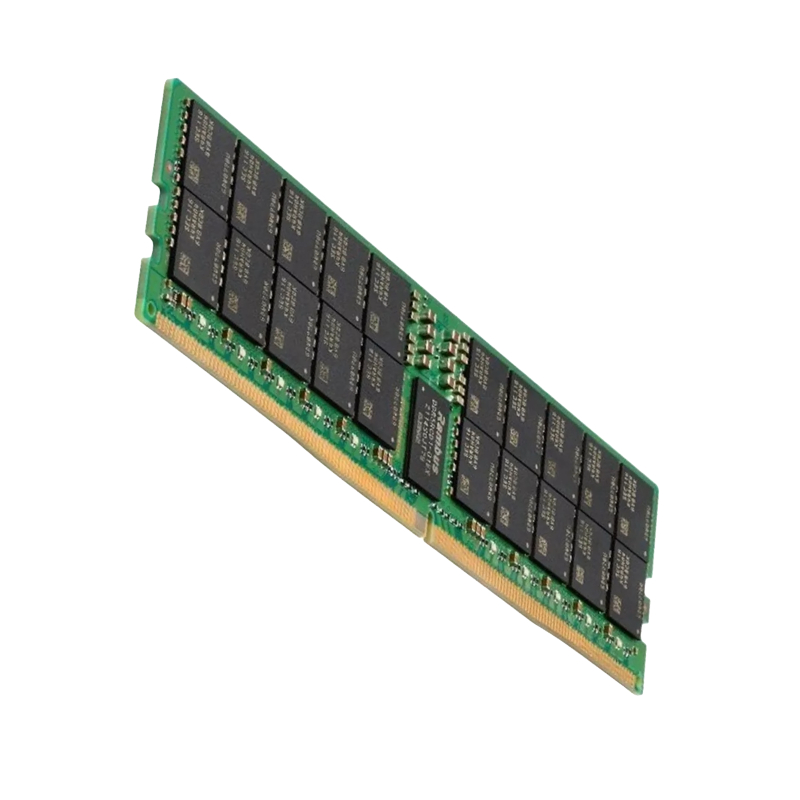
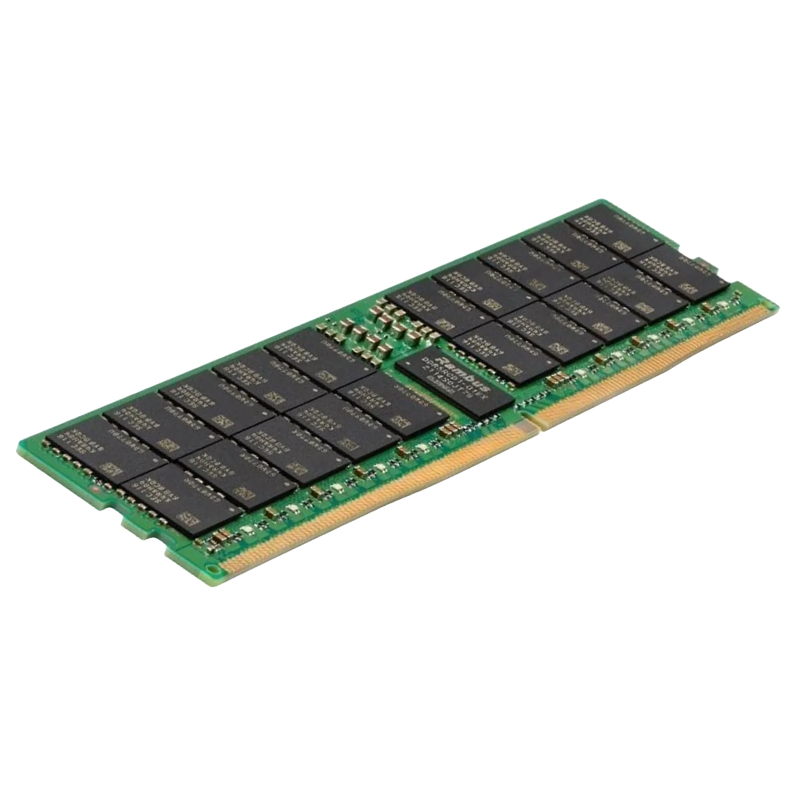
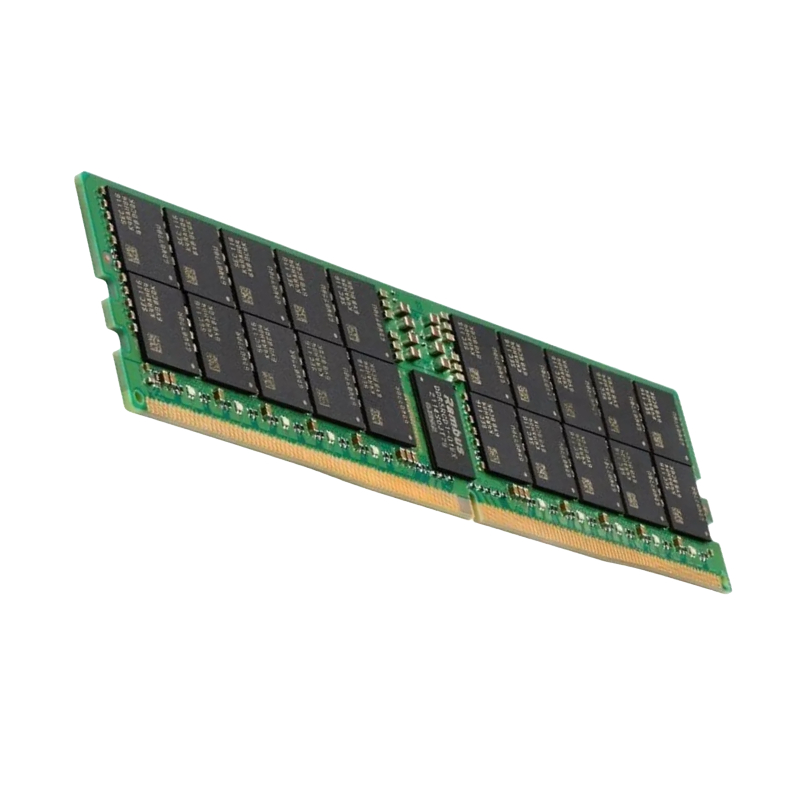
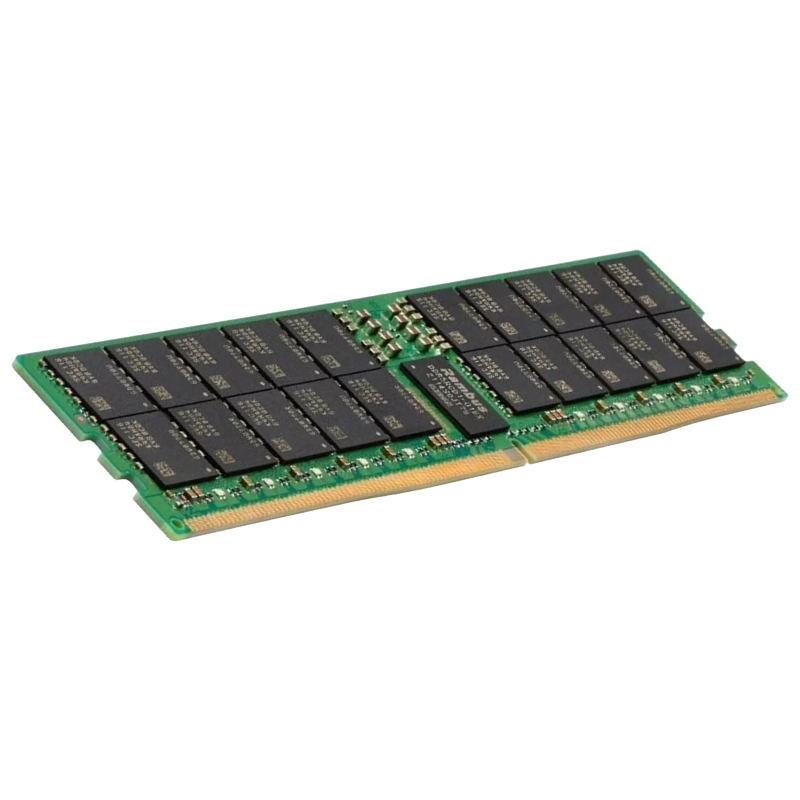
HPE P11444-Z91 32GB DDR4 3200MHz PC4-25600 Dual Rank Smart Memory Module For Gen10 Plus Proliant Servers. New (System) Pull with 1 year replacement warranty
The HPE P11444-Z91 is a high-performance server memory solution designed for Gen10 Plus systems. This dual rank module enhances speed, reliability, and efficiency for enterprise workloads.
The HPE P11444-Z91 32GB DDR4 3200MHz PC4-25600 Dual Rank Smart Memory Module represents a specialized category of enterprise-grade system memory engineered specifically for HPE ProLiant Gen10 Plus servers. This category encompasses high-reliability DDR4 registered DIMMs designed to deliver consistent performance, predictable latency, and long-term operational stability in demanding data center environments. Unlike consumer-grade memory, this class of Smart Memory is validated at the firmware, BIOS, and hardware levels to ensure seamless interoperability with HPE server architectures, enabling optimized memory channel utilization and enhanced signal integrity at higher operating frequencies.
Within this category, memory modules are tailored to support advanced workloads such as virtualization, database management, cloud-native applications, and high-performance computing. The 32GB capacity segment plays a critical role in balancing scalability and cost efficiency, allowing enterprises to populate servers with sufficient memory density while maintaining optimal memory bandwidth per core. Operating at 3200MHz, this category aligns with the upper bandwidth thresholds supported by Gen10 Plus platforms, ensuring that processors can access data with minimal bottlenecks.
The DDR4 3200MHz PC4-25600 classification defines a memory throughput of up to 25.6GB per second per module under ideal conditions. In this category, such bandwidth is essential for multi-core processors that rely on rapid memory access to sustain parallel workloads. The high clock rate reduces memory access latency and increases transaction efficiency, which is particularly beneficial for memory-intensive applications such as in-memory databases, analytics engines, and real-time processing systems.
This category of memory modules is engineered to operate reliably at 3200MT/s within the electrical and thermal constraints of enterprise servers. Signal timing, voltage regulation, and error correction capabilities are optimized to maintain stability even under continuous full-load operation. The PC4-25600 designation ensures compatibility with platforms that require high-speed registered DIMMs, making this category a foundational component for modern server memory hierarchies.
Dual rank memory modules, such as those in this category, contain two independent sets of memory banks on a single DIMM. This architectural choice allows memory controllers to interleave access between ranks, improving effective throughput and reducing idle cycles. In server environments where multiple memory channels are populated, dual rank modules provide a measurable performance advantage over single rank alternatives, especially in workloads that benefit from increased parallelism.
The dual rank configuration in this category also enhances memory utilization efficiency, enabling better scaling when additional DIMMs are installed. This results in improved performance consistency across varying memory population schemes, which is critical for enterprises that expand server memory incrementally over time.
As part of the registered DIMM category, the HPE P11444-Z91 memory module incorporates a register between the DRAM chips and the memory controller. This register buffers command and address signals, reducing electrical load and allowing for higher capacity configurations without compromising stability. Registered DIMMs are a cornerstone of enterprise memory design, enabling servers to support larger memory footprints while maintaining reliable operation.
This category benefits from improved signal integrity, especially at higher frequencies like 3200MHz. The register mitigates signal degradation across densely populated memory channels, ensuring that timing margins remain within specification even in fully loaded server configurations.
HPE Smart Memory defines a distinct category within enterprise memory solutions, characterized by tight integration with HPE server firmware and management tools. Modules in this category, including the P11444-Z91, are subjected to extensive validation processes that exceed industry standards. This ensures predictable behavior across firmware updates, BIOS revisions, and operating system changes.
The Smart Memory category enables advanced server features such as enhanced memory error detection, performance tuning, and proactive failure alerts. By leveraging embedded identification and telemetry, HPE servers can recognize Smart Memory modules and adjust system parameters to optimize performance and reliability. This level of integration differentiates the category from generic third-party memory, offering tangible benefits in mission-critical deployments.
Enterprise memory categories prioritize data integrity through robust error correction mechanisms. The HPE P11444-Z91 category includes ECC capabilities that detect and correct single-bit errors while identifying multi-bit errors that could compromise system stability. This is essential for workloads where data accuracy is paramount, such as financial transactions, healthcare systems, and scientific computing.
Beyond standard ECC, this category incorporates advanced reliability engineering practices, including rigorous burn-in testing and quality screening. These processes reduce early-life failures and ensure consistent performance throughout the module’s operational lifespan.
Memory modules in this category are designed to operate efficiently within the thermal envelopes of densely packed server chassis. Optimized PCB layouts, high-quality components, and controlled power consumption contribute to reduced heat generation. This is particularly important in data centers where thermal density directly impacts cooling costs and system reliability.
The DDR4 standard also introduces improved power efficiency compared to previous generations, and this category capitalizes on those improvements. Lower operating voltage combined with intelligent power management features helps reduce overall system energy consumption without sacrificing performance.
The category defined by the HPE P11444-Z91 memory module is explicitly aligned with HPE ProLiant Gen10 Plus server architectures. These platforms feature advanced memory controllers capable of supporting high-speed DDR4 modules across multiple channels. The memory category ensures full compatibility with supported processors, chipsets, and firmware configurations, eliminating the risk of unsupported memory states.
Gen10 Plus servers are designed for scalability, and this category supports flexible memory population strategies. Whether deployed in minimal configurations or fully populated with high-density DIMMs, these modules maintain consistent performance characteristics. This allows IT architects to design systems that can evolve alongside workload demands.
The category encompassing the HPE P11444-Z91 memory module addresses a broad spectrum of enterprise use cases. In database servers, high-speed memory access reduces query latency and improves transaction throughput. For analytics platforms, increased bandwidth supports rapid data ingestion and processing, enabling faster insights.
In application servers, this category ensures responsive performance under concurrent user loads. Memory-intensive middleware, caching layers, and microservices architectures all benefit from the reliability and speed provided by this class of DDR4 memory modules.


 Contact Us
 Information
 Catalog
 Solid State Drives (SSD)
 Network Switches
 Hard Disk Drives
 HBA & Controllers
 PC & Servers
 PC & Server Memory
 CPU & Processors
 Network Routers
 Power Supplies
 Tape Drives & Libraries
 Network Devices
 Computer & Network Cables