(7% discount is applied at checkout)
Cart is empty
Your go-to destination for cutting-edge server products
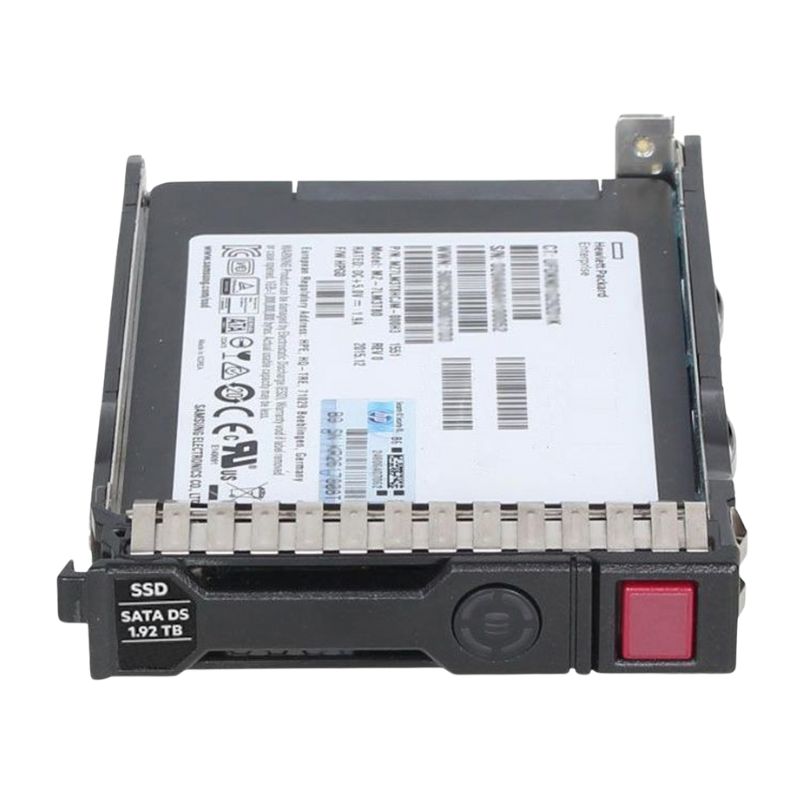


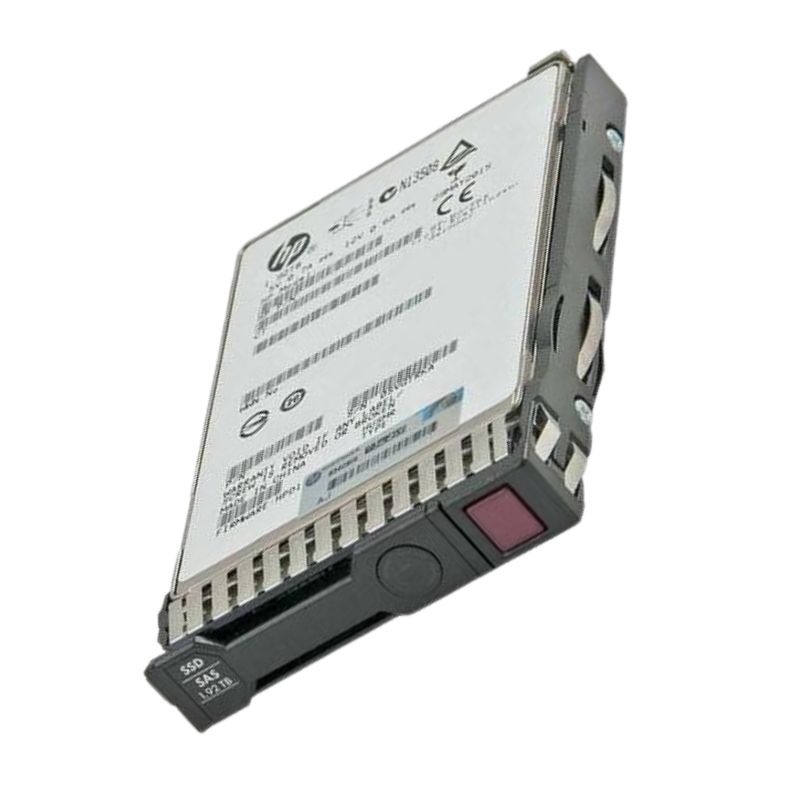
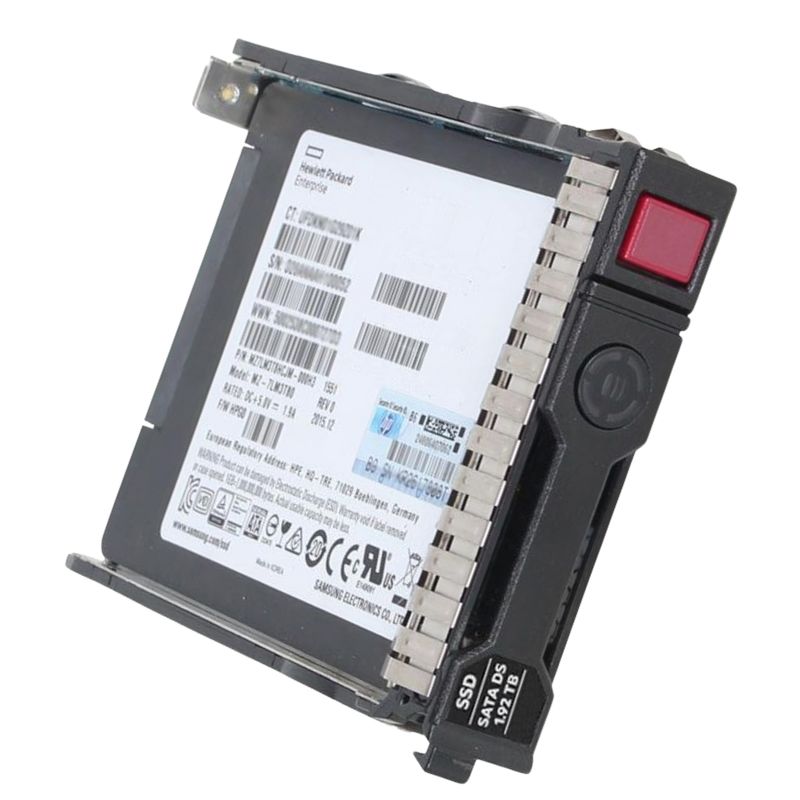
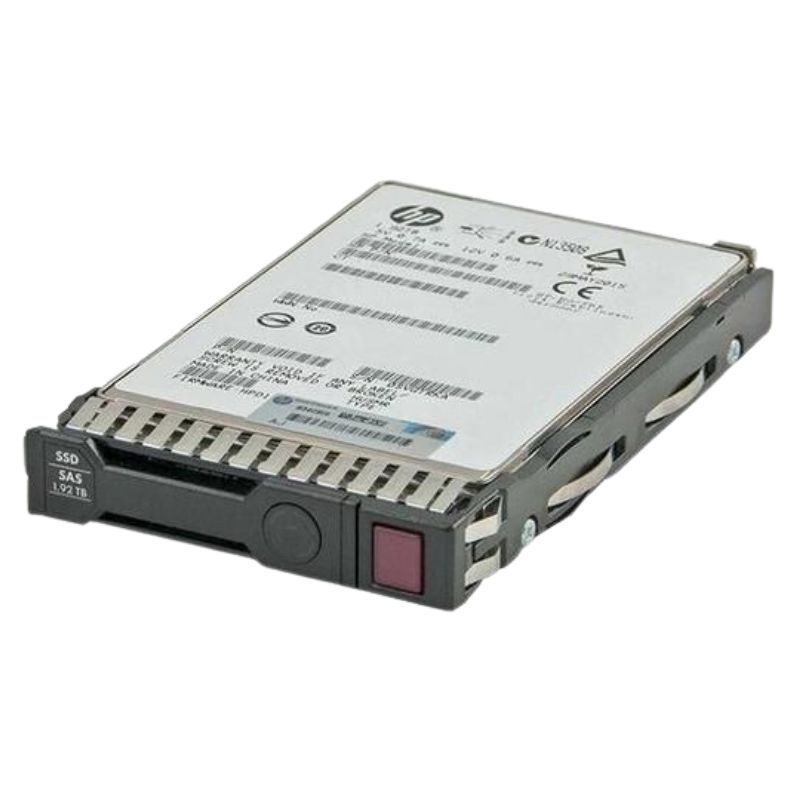
HPE P17969-B21 1.92TB SATA 6GBPS Mixed Use 2.5-Inch Internal Solid State Drive. New Sealed in Box (NIB) with 3 Years Warranty
P17969-B21 — HPE 1.92TB SATA 6Gb/s Mixed-Use 2.5″ Internal SSD
The HPE P17969-B21 is a 1.92TB internal solid-state drive designed for SATA 6Gb/s interfaces in a 2.5-inch form factor. Built for mixed-use workloads, this enterprise-class SSD combines capacity and reliability to accelerate applications in servers, storage arrays, and high-performance workstations.
Mixed-use SSDs target environments that demand a balanced combination of read and write performance. The P17969-B21 is optimized to:
Mixed-use classification strikes a balance between high write endurance (found in write-intensive drives) and cost efficiency (closer to read-centric SSDs). This makes the P17969-B21 ideal for:
The P17969-B21 integrates with a wide range of HPE servers, storage shelves, and certified third-party systems that accept 2.5-inch SATA drives. Typical integration points include:
Enterprise SSDs typically include features that reduce data loss risk and improve lifecycle predictability. While specifications vary by model and firmware, expect the P17969-B21 to offer:
The P17969-B21 is suitable when you need a blend of capacity, performance, and endurance without the cost premium of write-intensive drives. Recommended scenarios include:
When preparing hardware designs or purchasing decisions, confirm the following with the platform/vendor datasheets:
Exact power and thermal numbers depend on the SSD firmware revision and manufacturing batch. Always cross-check the official HPE product documentation or release notes for model-specific figures during procurement.
The drive uses a 2.5-inch (SFF) form factor with a SATA 6Gb/s interface. That delivers broad compatibility with server backplanes, storage arrays and many HPE systems that support 2.5" SATA SSDs. The SATA interface is mature and reliable, offering plug-and-play simplicity versus NVMe's higher complexity and performance profile.
At 1.92TB, the P17969-B21 provides a generous capacity point for mixed workloads: large enough to host multiple VMs, high-capacity database logs or primary boot volumes while retaining strong performance characteristics. With modern data reduction techniques in compatible systems (like compression and dedupe applied at the array level), effective usable capacity can be even higher depending on workload compressibility.
Mixed-use SSDs emphasize steady IOPS and low latency under varied read/write mixes. Expect superior random read/write performance compared to HDDs and better consistency than consumer-grade SSDs. Typical performance characteristics significant to buyers include:
Vendor peak IOPS values are useful for head-to-head spec comparisons, but real-world impact depends on system CPU, controller, queue depth, and workload mix. For example, replacing server boot volumes from 15K RPM HDDs to this SSD typically yields dramatic boot-time reductions and much faster service restarts, while placing VM swap files and ephemeral data on these drives reduces I/O wait across tenant workloads.
Endurance for mixed-use SSDs is measured differently than consumer products. HPE-class mixed-use drives typically carry TBW (terabytes written) or DWPD (drive writes per day) ratings indicating how much data can be written over the warranty period without exceeding designed wear limits.
TBW (Total Bytes Written) and DWPD express endurance in practical terms. A higher TBW means the drive can tolerate more write activity across its lifecycle. DWPD helps you model endurance relative to capacity and time; for example, a 1.92TB drive with a 0.3 DWPD rating means you could safely write roughly 576GB/day (1.92TB × 0.3) for the warranty period without exceeding expected wear.
Enterprise HPE SSDs support SMART attributes and additional telemetry that help administrators track wear, remaining life, power cycles and error rates. Integrating this telemetry into your monitoring stack allows for proactive replacements before drives approach wear-out thresholds, minimizing unplanned downtime.
The P17969-B21 is commonly deployed in HPE servers and storage arrays certified for 2.5" SATA drives. Compatibility is a major selling point: drives validated by HPE reduce the potential for firmware mismatches and ensure optimal support.
HPE often releases firmware updates for drives and controllers that improve interoperability, stability and sometimes performance. In production environments, coordinate firmware updates across controllers and drives during maintenance windows to avoid incompatibility issues.
Modern enterprise SSDs frequently include security features such as hardware-level encryption, secure erasure, and support for TCG Opal or similar standards. These features help to comply with data protection policies and simplify secure decommissioning workflows.
If the P17969-B21 supports hardware encryption, leverage controller- or array-level key management so that drives are rendered unreadable if removed. Secure erase and crypto-erase commands should be part of the drive retirement checklist.
Pair enterprise SSDs with RAID configurations appropriate to your tolerance for failure. For mixed-use SSDs in RAID arrays, ensure the chosen RAID level balances capacity efficiency with rebuild speed and redundancy — RAID 10 is often recommended where performance and reliability both matter.
When choosing storage, it helps to compare alternatives and make trade-offs clear.
Procurement decisions should factor in not only acquisition price, but also lifespan, energy consumption, rack space and administrative overhead. Mixed-use SATA SSDs usually offer favorable TCO for many mid-tier workloads compared with the long-term operational costs of HDD-dense solutions.


 Contact Us
 Information
 Catalog
 Solid State Drives (SSD)
 Network Switches
 Hard Disk Drives
 HBA & Controllers
 PC & Servers
 PC & Server Memory
 CPU & Processors
 Network Routers
 Power Supplies
 Tape Drives & Libraries
 Network Devices
 Computer & Network Cables