Your go-to destination for cutting-edge server products
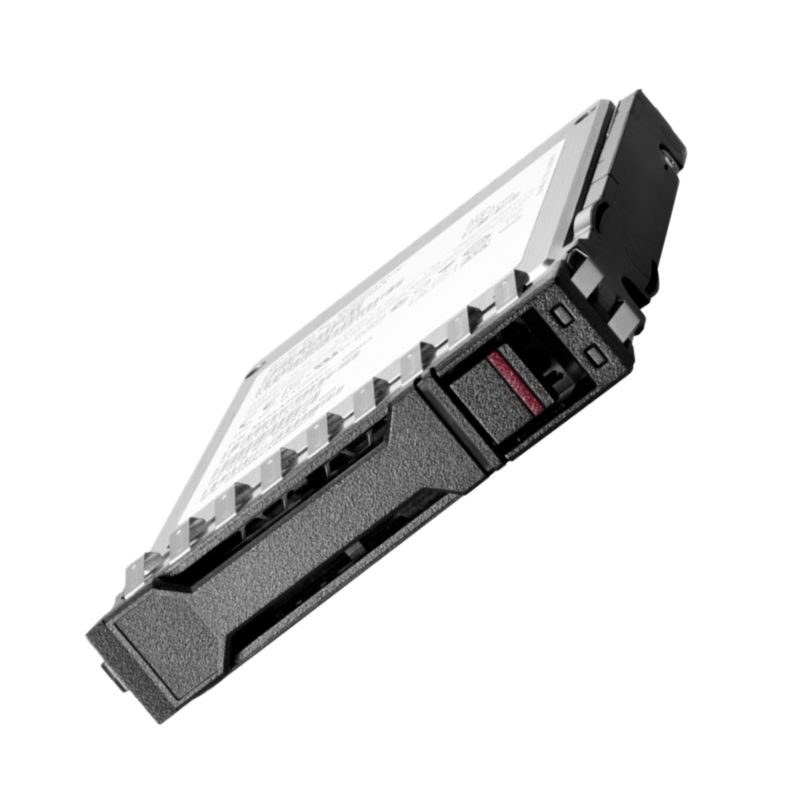
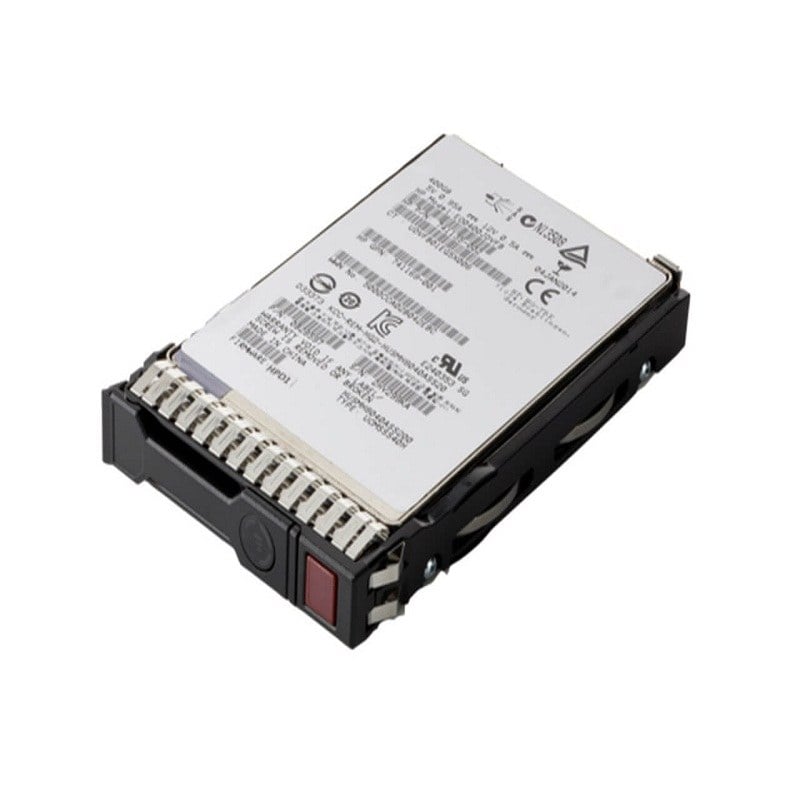
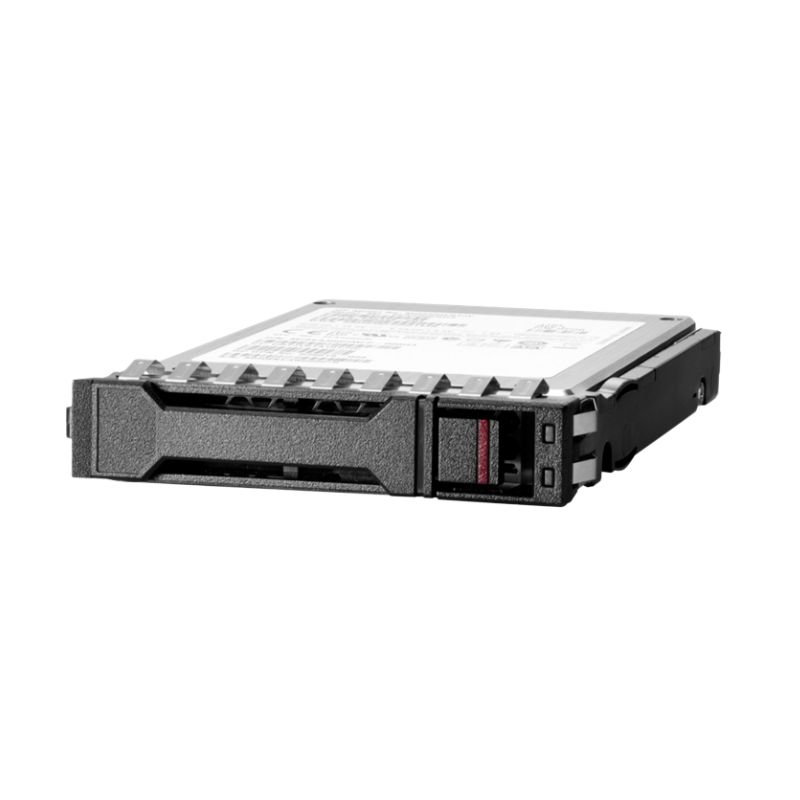
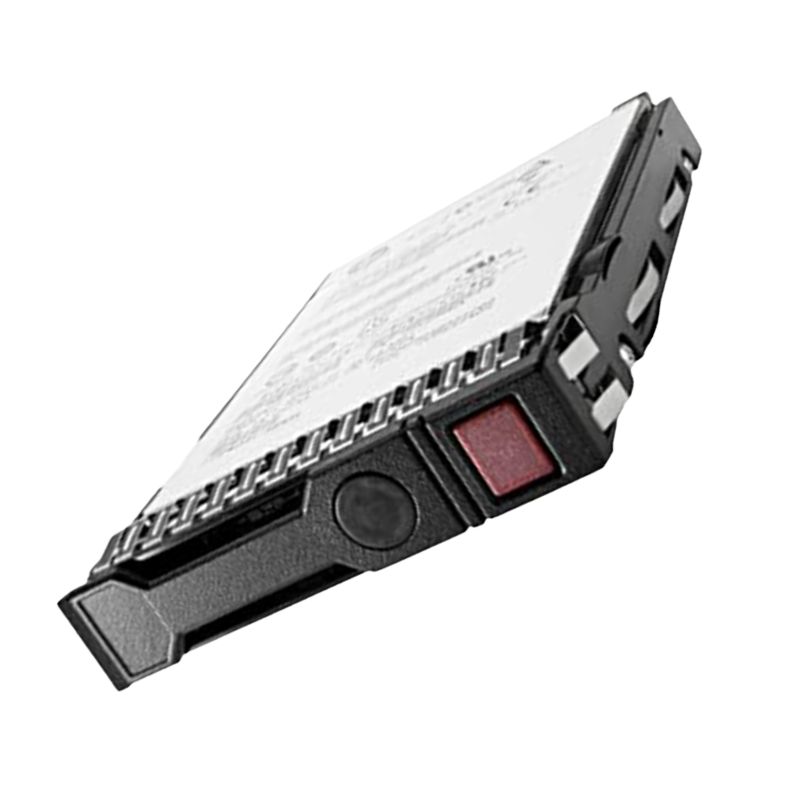
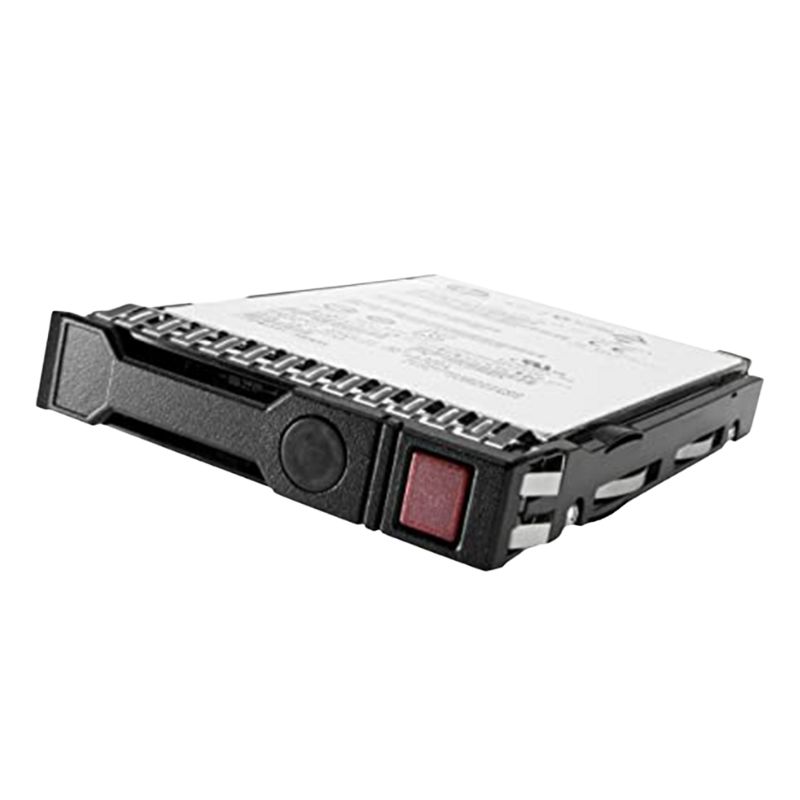
P20790-001 HPE Gen4 1.6TB SFF Mixed Use SC U.3 NVMe SSD

P20790-001
* Product may have slight variations vs. image
Hover on image to enlarge

Brief Overview of P20790-001

HPE P20790-001 Gen4 1.6TB SFF Mainstream Performance Mixed Use SC U.3 NVMe SSD. Excellent Refurbished with 1 year replacement warranty

Contact us for a price
Ask a question

Additional 7% discount at checkout

SKU/MPNP20790-001Availability✅ In StockProcessing TimeUsually ships same day ManufacturerHPE Manufacturer WarrantyNone Product/Item ConditionExcellent Refurbished ServerOrbit Replacement Warranty1 Year Warranty
Google Top Quality Store Customer Reviews
Our Advantages
Payment Options
  • — Visa, MasterCard, Discover, and Amex
  • — JCB, Diners Club, UnionPay
  • — PayPal, ACH/Bank Transfer (11% Off)
  • — Apple Pay, Amazon Pay, Google Pay
  • — Buy Now, Pay Later - Affirm, Afterpay
  • — GOV/EDU/Institutions PO's Accepted 
  • — Invoices
Delivery
  • — Deliver Anywhere
  • — Express Delivery in the USA and Worldwide
  • — Ship to -APO -FPO
  • For USA - Free Ground Shipping
  • — Worldwide - from $30
Description

HPE P20790-001 NVMe SSD Enterprise-Grade 1.6TB Storage

The HPE P20790-001 is a high-performance solid state drive that delivers dependable capacity. This 1.6 TB NVMe SSD combines a compact SFF form factor with enterprise features such as hot-plug capability, digital signing and TLC NAND to balance cost and reliability for mixed-use applications.

Key Specifications at a Glance

  • Manufacturer: HPE
  • Model: P20790-001
  • Capacity: 1.6 TB
  • Interface: NVMe (PCIe)
  • Form Factor: Small Form Factor (SFF)
  • Height: 15 mm
  • Port: Single
  • Plug type: Hot-plug enabled
  • Flash type: TLC (Triple-Level Cell)
  • Carrier type: SC
  • Digitally signed firmware: Yes
  • Workload classification: MU (Mixed Use)

Sequential Throughput

  • Sequential read: up to 5,500 MiB/s — ideal for large file transfers and high-bandwidth sequential operations.
  • Sequential write: up to 1,150 MiB/s — optimized for sustained writes in enterprise workloads.

Random I/O (IOPS)

  • Random read: up to 155,000 IOPS — excellent for read-heavy database queries and virtual desktop infrastructures.
  • Random write: up to 87,000 IOPS — supports mixed transactional processes and write bursts efficiently.

Enterprise Reliability & Security

  • Digitally signed firmware: Helps ensure authenticity and integrity of the drive’s firmware, reducing risk from unauthorized modifications.
  • Hot-plug support: Enables maintenance and replacement without taking systems offline — critical for high-availability infrastructures.
  • Carrier and connector design (SC): Engineered for secure installation in SFF bays and chassis that use HPE-compatible carriers.

Optimized for Mixed Use Workloads

  • The drive’s MU workload classification means it is tuned for a combination of read and write operations rather than purely read-intensive or write-intensive tasks. That makes it suitable for:
  • Virtualization hosts and hyperconverged systems
  • Medium to large database systems
  • Application servers with varied I/O patterns
  • Mixed transactional environments where both throughput and IOPS matter

Physical & Compatibility Considerations

  • The P20790-001 is compact yet robust. Its small form factor and 15 mm height allow it to fit into dense server environments and blade enclosures while preserving airflow and thermal margins.

Form Factor & Dimensions

  • SFF (Small Form Factor): Makes the drive suitable for high-density racks and servers.
  • Height — 15 mm: Confirm server bay clearance and carrier compatibility before installation.

Interface & Connectivity

  • NVMe over PCIe: Delivers low-latency access compared with legacy SATA/SAS drives.
  • Single port: Standard for many enterprise SSDs; ensure controller or backplane supports the required NVMe lanes and hot-plug behavior.

Deployment Scenarios & Use Cases

  • This HPE SSD is versatile across a range of enterprise scenarios. Below are targeted examples that illustrate where the P20790-001 unlocks real value:

Virtualization & Cloud Infrastructure

  • High random IOPS and low latency improve VM density and user responsiveness in multi-tenant environments.
  • Sustained sequential throughput supports VM boot storms and large VM image transfers.

Database Acceleration

  • Low-latency random reads accelerate query performance for both OLTP and hybrid transactional/analytical workloads.
  • Good random write throughput helps maintain transactional commit speeds under load.

Backup, Restore & High-Bandwidth Tasks

  • Strong sequential read bandwidth speeds up restore operations and large-scale data migrations.
  • Reliable write throughput improves the efficiency of snapshot creation and local backups.

Technical Notes & Best Practices

  • To maximize the life and performance of the P20790-001, administrators should follow industry best practices:

Integration & Firmware

  • Verify the server or storage array supports the specific HPE part number (P20790-001) and carrier type.
  • Keep firmware up to date through official HPE channels — firmware updates often include performance optimizations and security patches.

Thermal & Power Considerations

  • Monitor drive temperatures in dense configurations; adequate airflow and thermal management prolong SSD longevity.
  • Plan power budgets for NVMe drives, especially in fully populated enclosures.

Monitoring & Endurance

  • Track wear indicators and SMART attributes to schedule proactive replacements before capacity or performance degradation occurs.
  • Because this model uses TLC flash, monitor write amplification and consider workload shaping or over-provisioning for write-heavy applications.

Final Considerations

  • Match the drive’s performance profile to your application’s I/O patterns for best return on investment.
  • Use monitoring tools and HPE utilities to track health, temperature and firmware status.
  • Plan redundancy and replacement schedules based on observed workload and SMART metrics.

P20790-001 HPE Gen4 1.6TB SFF Mixed Use SC U.3 NVMe SSD

Overview and positioning

The P20790-001 HPE Gen4 1.6TB SFF Mainstream Performance Mixed Use SC U.3 NVMe SSD represents a focused category of enterprise-grade solid state storage engineered for mixed-use workloads in modern data center environments. Designed to balance strong sustained throughput with high random I/O performance, this U.3 NVMe drive delivers a compelling combination of capacity, durability and efficiency for mainstream virtualization, database acceleration, caching layers and general-purpose server storage.

Technical specification deep dive

Interface and protocol

The Gen4 PCIe interface provides a substantial boost to raw bandwidth compared to Gen3: each lane effectively doubles the transfer capability, enabling higher sequential throughput and reduced saturation when multiple drives operate concurrently. NVMe protocol reduces command overhead and improves queue depth handling — essential for high concurrency use cases.

Reliability and data protection features

The category emphasizes features that protect user data during unexpected power events: on-board capacitors and firmware routines flush volatile DRAM caches, and internal journaling mechanisms help ensure metadata consistency.

Virtualization and VDI (Virtual Desktop Infrastructure)

Mixed-use drives excel in VDI environments where boot storms and mixed read/write traffic spike concurrently. Deploying a P20790-001 in hypervisor storage pools improves VM boot times and responsiveness while containing storage costs compared to premium endurance drives.

Database acceleration (OLTP / mixed workloads)

For databases with a blend of small random I/O and occasional sequential scans — for example, mixed OLTP + reporting roles — the balanced performance profile offers low latency for transactions and sufficient throughput for background tasks.

Management, monitoring and firmware

Firmware lifecycle and updates

Firmware updates for enterprise SSDs can adjust performance profiles, fix bugs, and improve compatibility. It's essential to track firmware releases for the P20790-001 and test updates in a staging environment prior to rollout, since firmware changes may interact with RAID controllers or host software.

Management interfaces and tooling

The drive supports NVMe Management Interfaces and vendor-specific tools for health checks, secure erase, firmware upgrades and advanced diagnostics. Integrate drive telemetry with your monitoring stack to trigger alerts on thresholds like remaining life or media errors.

Thermal and power considerations

Thermal profiles and throttling

Under sustained heavy loads, NVMe SSDs may throttle to protect internal components. HPE drives often include thermal monitoring and conservative throttling policies. Ensure adequate airflow in drive bays and consider heatsinks or drive sleds recommended by the server vendor to maximize consistent performance.

Procurement, lifecycle and cost analysis

TCO analysis for the P20790-001 category should include purchase price, expected lifetime (based on TBW/DWPD), energy costs, cooling overhead and administrative costs related to monitoring and replacement. Mixed-use drives typically provide a better price/performance ratio than ultra-high-end endurance parts while maintaining enterprise reliability.

Lifecycle planning and spares

Maintain an inventory of spare drives and a predictable refresh cadence based on monitored health metrics. Proactive replacement policies powered by SMART telemetry can prevent unplanned downtime and reduce the operational burden of emergency procurement.

Security and data sanitization

Encryption at rest and secure erase

Many enterprise NVMe SSDs support hardware-based encryption and secure erase functions. When handling regulated or sensitive data, enable encryption features and implement secure decommissioning procedures such as cryptographic erase or vendor-provided secure wipe utilities.

FIPS and compliance considerations

If your environment requires specific cryptographic certifications (e.g., FIPS 140-2), consult the drive's security documentation. Compliance regimes may mandate validated encryption implementations and documented sanitization procedures for retiring hardware.

Deployment best practices

Capacity planning and RAID layout

Match drive capacity and endurance to RAID topology and rebuild time expectations. For capacity-focused arrays, larger drives reduce the number of drives required but can increase rebuild times. Use RAID levels that balance redundancy, performance and rebuild impact according to your recovery point objectives (RPO) and recovery time objectives (RTO).

Testing and staging

Test the P20790-001 in staging environments under representative workloads to validate firmware, thermal, and performance characteristics. Synthetic benchmarks are useful, but production-like traces provide the best prediction of real-world behavior.

Monitoring and lifecycle automation

Build alerts for key SMART attributes, drive temperature, error counts and percent life used. Integrate replacement automation where possible to decrease mean time to repair (MTTR) and maintain healthy capacity.

Real-world performance scenarios and examples

Example: Virtual desktop boot storm

In a VDI environment with hundreds of simultaneous VM boots, a pool of P20790-001 drives will demonstrate improved responsiveness compared to SATA SSDs or HDDs. The drives' ability to handle high random IOPS and maintain low latency under load shortens boot times and improves user perception.

Content recommendations for conversion

Use dynamic content blocks that present compatibility matrices, quick-compare charts, technical specification tables and clear procurement CTA buttons. Add trust signals such as warranty duration, OEM part numbers, and customer reviews to increase buyer confidence.


Features
Manufacturer Warranty:
None
Product/Item Condition:
Excellent Refurbished
ServerOrbit Replacement Warranty:
1 Year Warranty