(7% discount is applied at checkout)
Cart is empty
Your go-to destination for cutting-edge server products
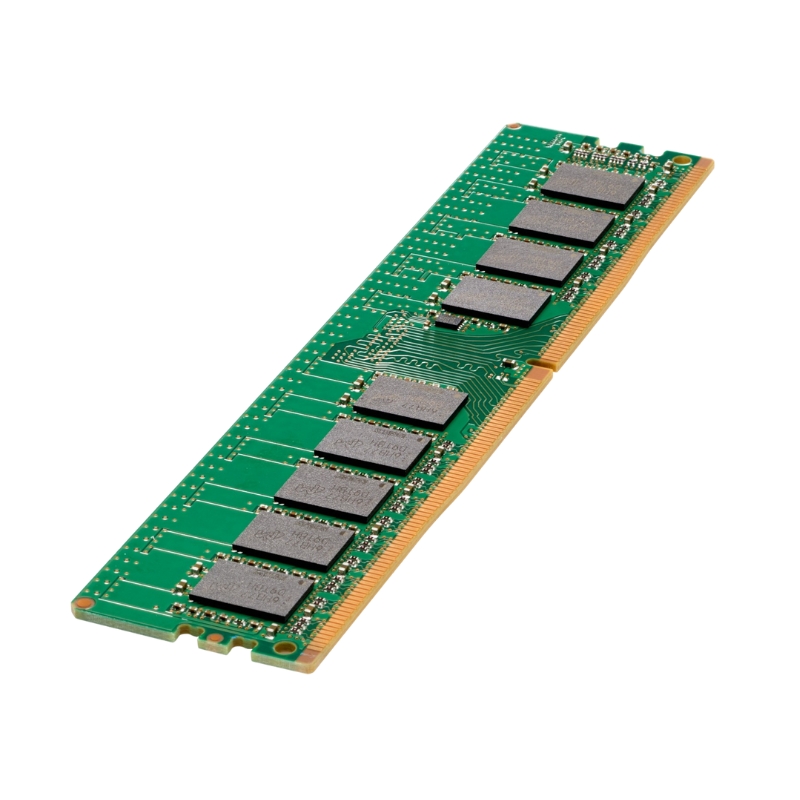


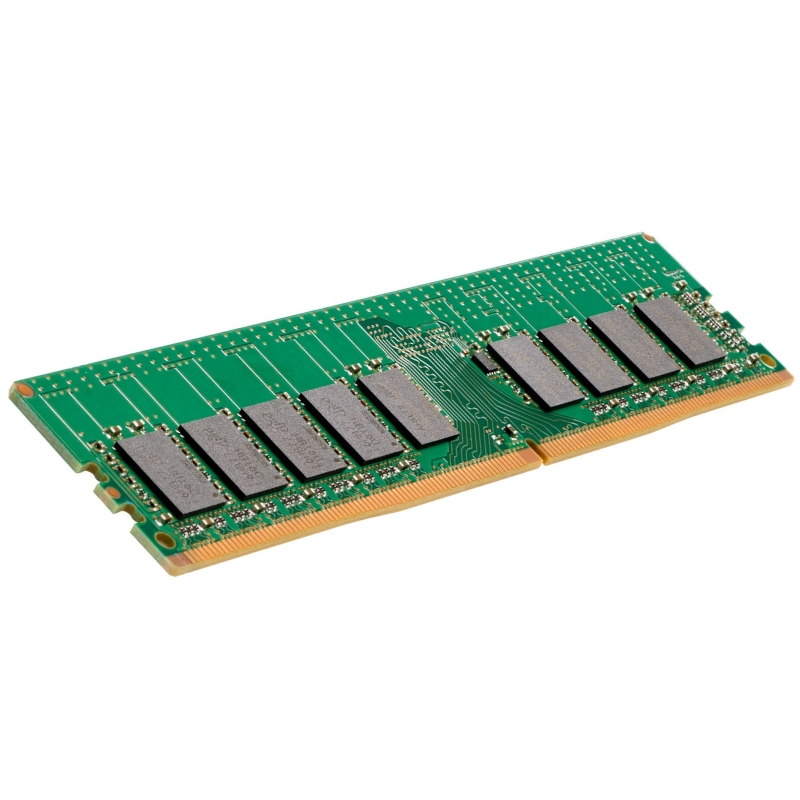
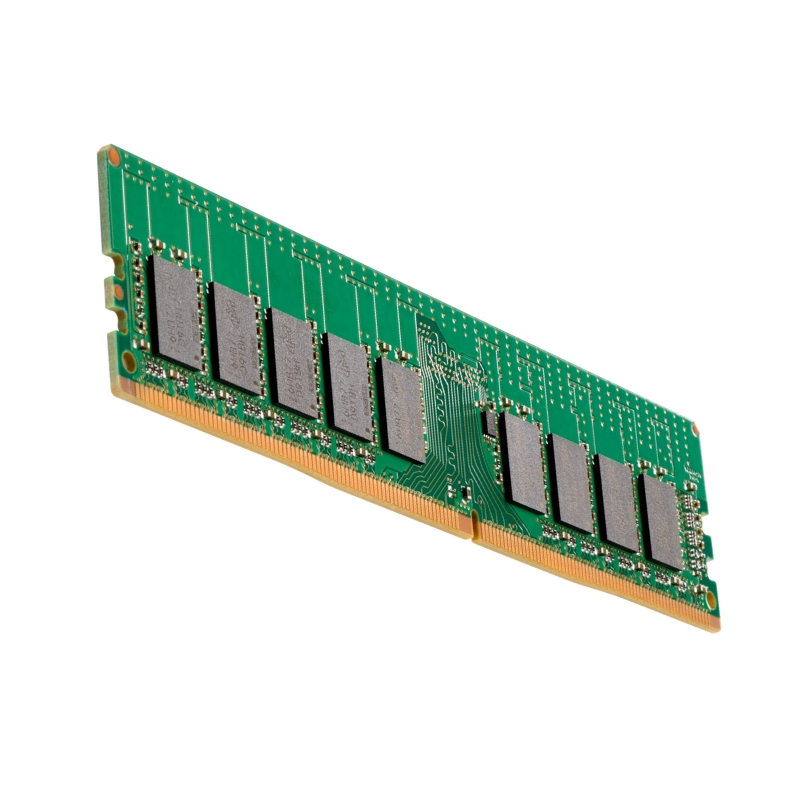
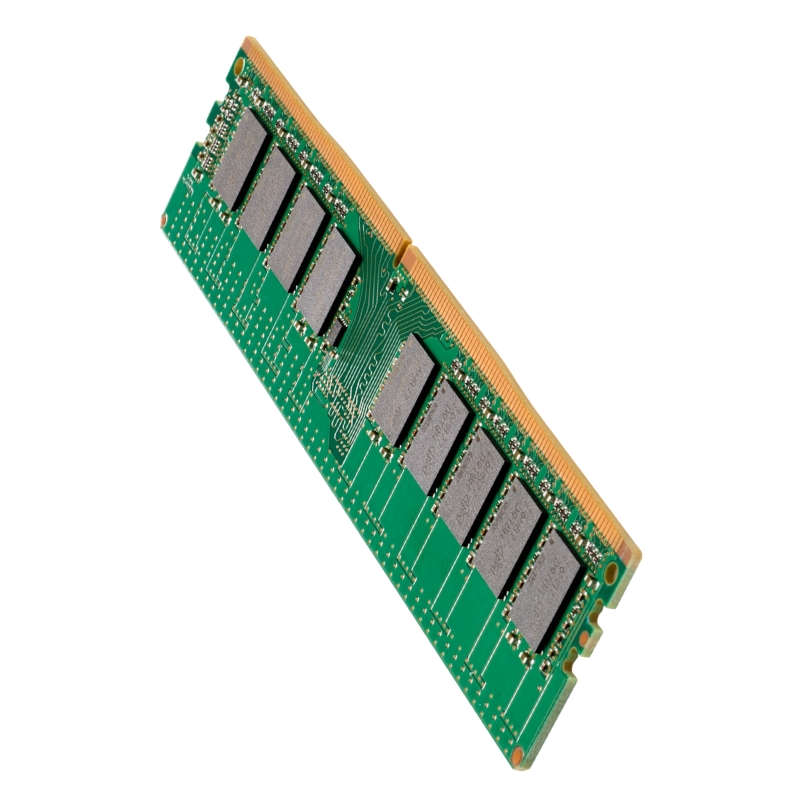
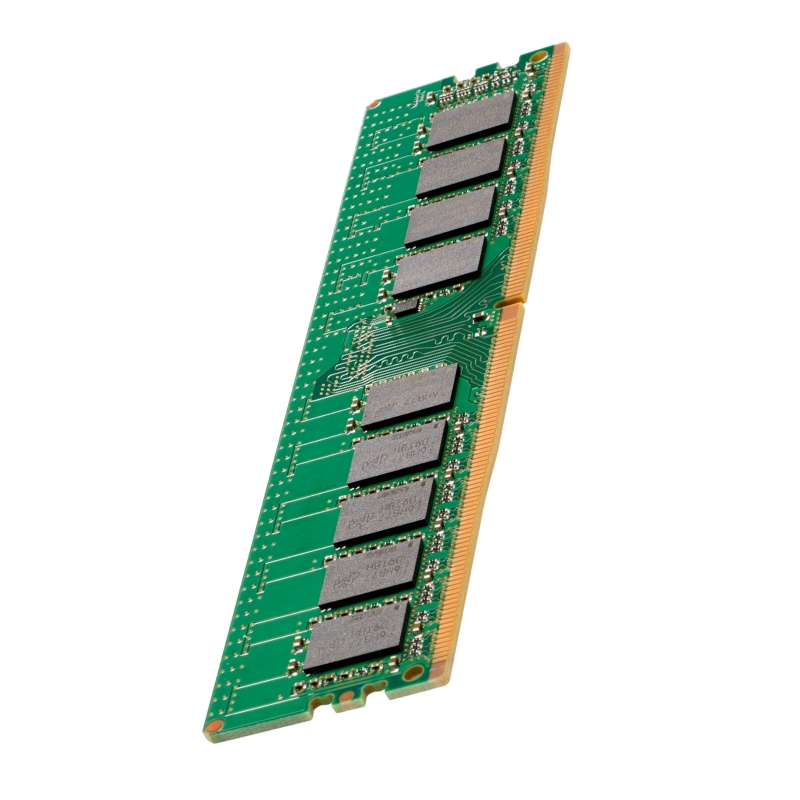
P21677-001 HPE 128GB 3200MHz Pc4-25600 Quad Rank Reduced DDR4 SDRAM 288-pin LRDIMM Smart Memory Kit for Servers. New (System) Pull with 1 year replacement warranty
| SKU/MPN | Warranty | Price | Condition | You save |
|---|---|---|---|---|
| P21677-001 | 1 Year Warranty | $2,160.00 | Factory-Sealed New in Original Box (FSB) with 3 Year Warranty | You save: $756.00 (26%) |
| P21677-001 | 1 Year Warranty | $1,680.00 | New (System) Pull | You save: $588.00 (26%) |
The HPE P21677-001 128GB DDR4 SDRAM Smart Memory Kit is engineered for enterprise-grade servers, delivering exceptional speed, reliability, and efficiency. Designed to support demanding workloads, this quad-rank LRDIMM module ensures optimal performance for modern data centers.
The HPE P21677-001 128GB 3200MHz PC4-25600 Quad Rank Reduced DDR4 SDRAM 288-Pin LRDIMM Smart Memory Kit for Servers represents an enterprise-grade memory solution designed specifically for demanding data center, virtualization, cloud, analytics, and mission-critical workloads. As part of the HPE Smart Memory portfolio, this high-capacity 128GB Load-Reduced DIMM (LRDIMM) is engineered to deliver maximum reliability, performance optimization, and scalability across compatible HPE server platforms.
Operating at 3200MHz and built on DDR4 SDRAM technology, this quad-rank LRDIMM module enables organizations to significantly increase memory density per server node. With 128GB capacity in a single module, IT teams can scale systems to support large in-memory databases, virtual desktop infrastructure deployments, software-defined storage, and AI-driven analytics environments without compromising stability or performance consistency.
The 128GB capacity of the HPE P21677-001 LRDIMM is purpose-built for enterprise servers that require substantial memory footprints. Modern workloads such as SAP HANA, big data analytics, virtualization clusters, and hybrid cloud applications demand large pools of RAM to maintain optimal performance and minimize latency. By deploying 128GB modules, organizations can achieve significantly higher total system memory configurations while utilizing fewer DIMM slots.
This capability is especially valuable in dual-socket and quad-socket server architectures where memory channel efficiency and density play critical roles in system design. By maximizing per-slot capacity, data centers can improve compute-to-memory ratios while maintaining airflow, thermal management, and system stability.
The quad rank configuration of this DDR4 LRDIMM enables the memory module to present four ranks to the memory controller. In enterprise systems, rank interleaving enhances performance by allowing improved parallel data access. Quad rank modules are particularly beneficial in high-capacity scenarios where performance scaling and memory bandwidth optimization are essential.
In contrast to lower-rank modules, quad rank LRDIMMs allow more data to be stored per DIMM without overloading the memory controller. This design supports larger total memory configurations in enterprise-grade servers while maintaining signal integrity and reliability.
The 3200MHz (3200MT/s) operating speed delivers a peak bandwidth of PC4-25600, equating to 25.6GB/s per module. This high data transfer rate significantly enhances memory throughput in multi-core processor environments. As CPUs continue to increase core counts, memory bandwidth becomes a critical factor in maintaining system balance.
With 3200MHz performance, this HPE Smart Memory kit ensures that modern processors are supplied with sufficient bandwidth to handle virtualization, containerization, transactional databases, and real-time processing tasks. Higher frequency memory directly contributes to lower latency and improved response times for memory-intensive applications.
PC4-25600 classification confirms that this DDR4 module supports 25.6GB/s bandwidth per DIMM under optimal configurations. In multi-channel server platforms, total memory bandwidth multiplies across active channels, dramatically improving overall system throughput. This makes the HPE P21677-001 especially suitable for environments running multiple virtual machines or high-frequency data transactions.
Enterprise workloads benefit from the improved parallelism offered by higher bandwidth memory, particularly when deployed in balanced channel configurations across all available DIMM slots.
Load-Reduced DIMM (LRDIMM) technology reduces the electrical load presented to the server’s memory controller by buffering both data and address lines. This buffering mechanism allows systems to populate more DIMMs per channel without sacrificing stability or speed.
Compared to traditional RDIMM modules, LRDIMMs significantly increase maximum supported memory capacity. In enterprise-grade HPE servers, LRDIMMs enable higher memory ceilings while maintaining consistent performance across populated channels.
By isolating the memory controller from direct electrical load, LRDIMM modules maintain signal integrity even in fully populated configurations. This reduces the risk of data errors and enhances system reliability. For mission-critical applications where downtime is unacceptable, LRDIMM technology provides an essential layer of stability.
The quad rank load-reduced architecture of the HPE P21677-001 ensures that organizations can scale memory without compromising operational continuity.
This module uses the standard 288-pin DDR4 DIMM form factor, ensuring compatibility with supported HPE enterprise servers. The 288-pin design provides optimized electrical pathways for high-speed data transfer while maintaining physical durability within server chassis environments.
Engineered specifically for server applications, the 288-pin LRDIMM design includes enhanced power management and thermal efficiency features suitable for 24/7 operation.
As a registered LRDIMM, this module includes error-correcting code (ECC) functionality. ECC memory detects and corrects single-bit errors automatically, preventing data corruption and improving overall system reliability. In enterprise environments handling financial transactions, healthcare records, and critical databases, ECC protection is non-negotiable.
Registered memory also improves signal stability by buffering control signals, making it ideal for multi-processor server platforms.
The HPE P21677-001 memory module is engineered for use in compatible HPE ProLiant servers. Systems such as the HPE ProLiant DL380 Gen10 and HPE ProLiant DL360 Gen10 are commonly configured with high-capacity DDR4 LRDIMM modules to support virtualization clusters and data-intensive enterprise applications.
Compatibility with specific server models depends on processor generation, chipset, and BIOS support. Organizations should verify supported memory configurations within official HPE documentation before deployment.
In large-scale data center environments, consistent hardware standardization simplifies maintenance and reduces operational complexity. By deploying HPE-certified memory modules, IT teams maintain firmware compatibility and vendor-backed support across the infrastructure lifecycle.
Standardizing on HPE Smart Memory ensures predictable performance across nodes in hyperconverged and distributed computing environments.
In-memory databases and real-time analytics platforms require substantial RAM to store and process data efficiently. Deploying 128GB LRDIMMs allows enterprises to expand memory pools without increasing server count.
This is particularly valuable for applications performing complex queries, predictive modeling, and AI-driven analysis, where memory access speed directly impacts response time.
HPC workloads often involve simulation, scientific modeling, and large dataset processing. These tasks demand high memory bandwidth and capacity. The 3200MHz performance and quad rank architecture of the HPE P21677-001 deliver consistent throughput required for compute-intensive operations.
HPE Smart Memory is manufactured to strict enterprise standards. Each module is subjected to compatibility and stress testing to ensure dependable performance in supported server platforms. This rigorous validation minimizes compatibility issues and reduces troubleshooting time during deployment.


 Contact Us
 Information
 Catalog
 Solid State Drives (SSD)
 Network Switches
 Hard Disk Drives
 HBA & Controllers
 PC & Servers
 PC & Server Memory
 CPU & Processors
 Network Routers
 Power Supplies
 Tape Drives & Libraries
 Network Devices
 Computer & Network Cables