(7% discount is applied at checkout)
Cart is empty
Your go-to destination for cutting-edge server products
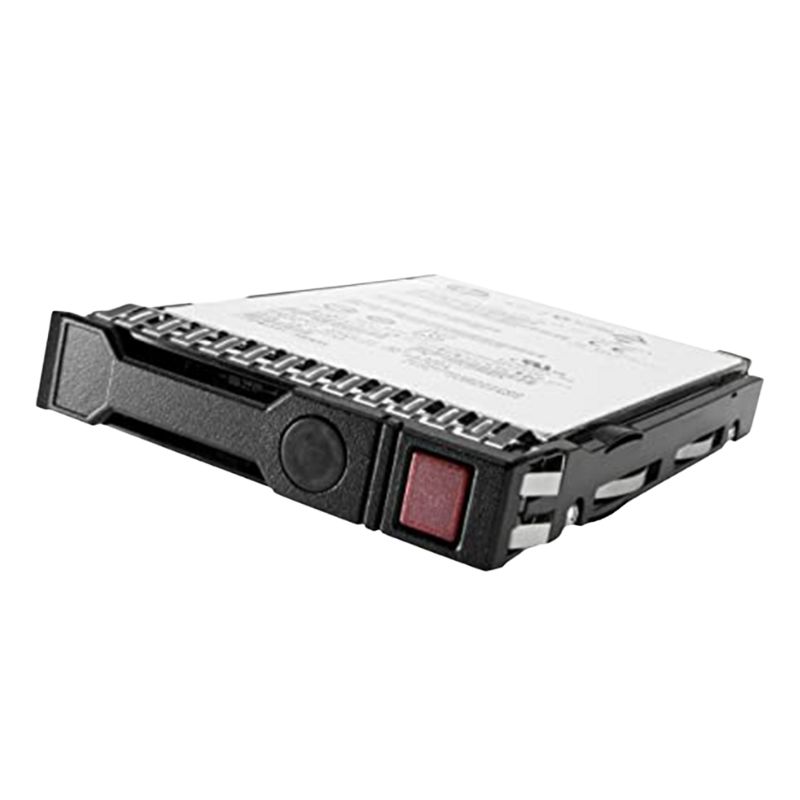


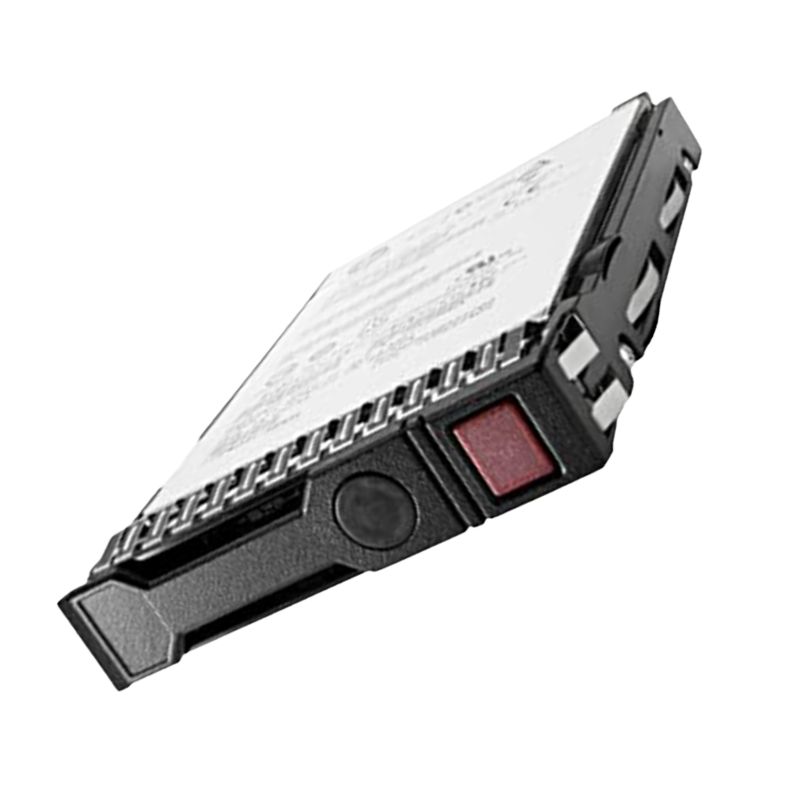
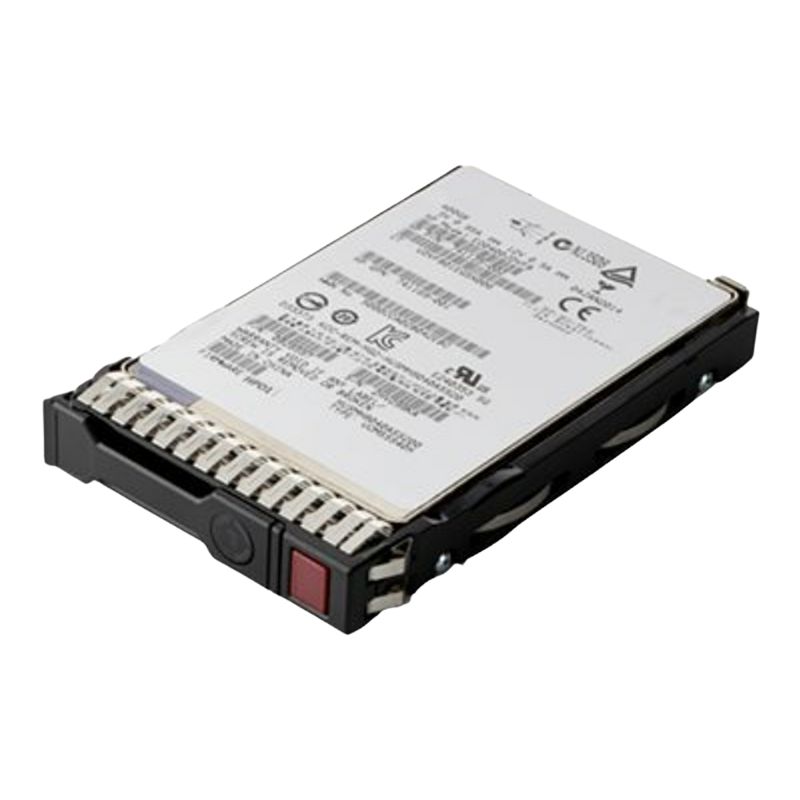
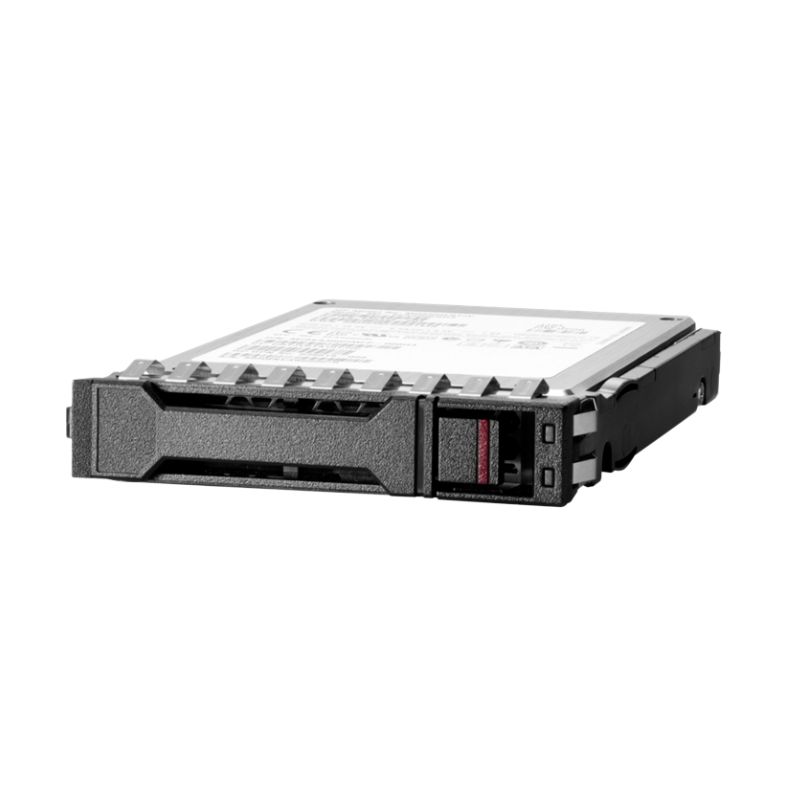
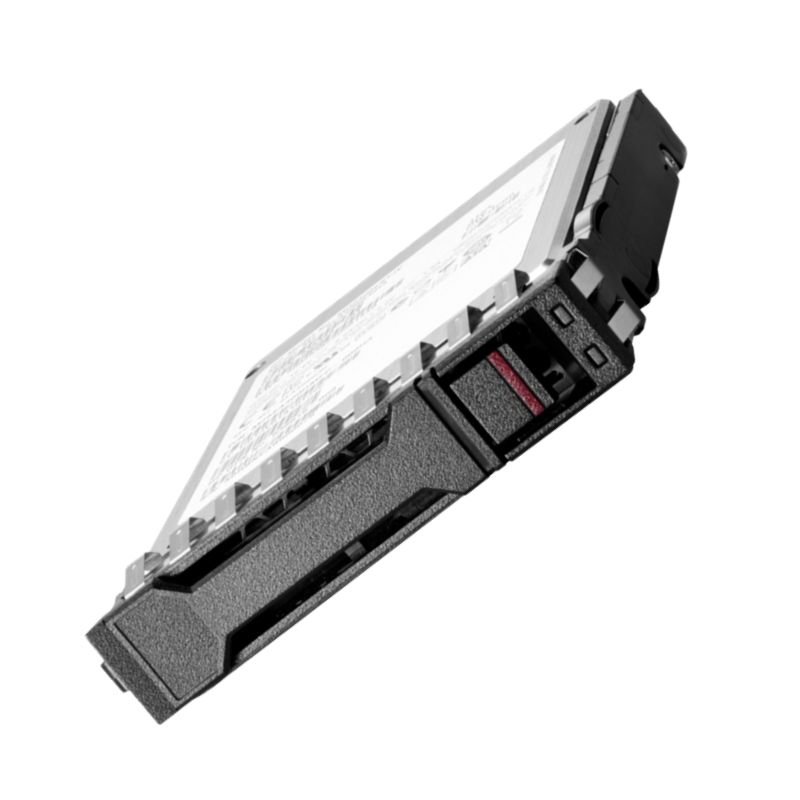
P22280-B21 HPE PM1733 7.68TB SFF Pci Express 4.0 X4 NVMe Hot Swap SSD. Excellent Refurbished with 1 year replacement warranty
The HPE Samsung PM1733 NVMe solid-state drive (model P22280-B21) is a high-capacity, enterprise-grade 2.5" SSD engineered for demanding data-center workloads. With a 7.68 TB capacity and PCIe 4.0 x4 (NVMe) interface, it blends dense storage and high throughput for servers, hyperconverged infrastructure, and performance-sensitive applications.
Specification Snapshot (Quick-Reference)
Performance Characteristics
The HPE P22280-B21 is a high-density, enterprise-grade memory module built to the standard. This Registered technology on a 288-pin form factor and is engineered for mission-critical servers, virtualization hosts, database appliances, and high-performance computing clusters. Designed to provide a balance of raw bandwidth, power efficiency, and error-correcting reliability, this module targets data center scenarios where uptime, predictable latency, and memory capacity per socket directly impact application density and total cost of ownership.
The part code encodes vendor, density, architecture and configuration details used by system integrators and procurement teams. When sourcing modules, confirm the exact SKU to match rank, timing, thermal spec and manufacturer warranty. The suffixes and middle characters often indicate internal Samsung assembly options and testing grades — useful for enterprise procurement and support contracts.
DDR5 represents a generational leap in architecture compared to DDR4. With higher single-module bandwidth (up to 6400 MT/s in class modules), on-die ECC, power management improvements and doubled internal bank and channel features, DDR5 enables:
RDIMM (Registered DIMM) modules use a register to buffer addresses and command signals. In server contexts this reduces electrical loading on the memory controller, enabling higher density populations and better signal integrity across many populated slots. The HPE P22280-B21 as an ECC RDIMM is built for multi-socket servers and heavy multi-threaded workloads where reliability and capacity scaling are paramount.
The internal organization of the module — ranks, banks, and subchannels — influences latency, throughput, and how multiple modules interact within a motherboard’s memory topology. When populating server motherboards, administrators should follow vendor populate rules (e.g., filling channels symmetrically) to preserve optimal interleaving and maximize effective bandwidth on DDR5-architecture CPUs.
At 6400MT/s (PC5-51200), each module delivers a large theoretical peak bandwidth per channel. In real-world terms, that bandwidth translates to faster memory access for in-memory databases, caching layers, and analytics pipelines. The performance advantage is most evident in multi-threaded applications and workloads that sustain large working sets in RAM (e.g., in-memory databases, virtualization hosts running many VMs, and analytics engines).
Higher frequency DDR5 modules typically trade some absolute access latency for throughput gains. For most server and data center workloads, increased bandwidth and improved concurrency outweigh modest increases in CAS latency. When optimizing critical paths, match module speed to your platform’s validated memory training profiles in firmware or BIOS and use vendor-recommended timings.
For virtualization hosts, memory capacity and reliability are directly correlated with VM density and uptime. The ECC RDIMM modules allow IT teams to scale guest instances while preserving data integrity — ECC corrects single-bit memory errors before they cause application faults or silent data corruption. DDR5 bandwidth also reduces memory contention when many VMs run concurrently.
Database engines (relational and NoSQL), in-memory caches, and real-time analytics benefit from DDR5’s higher sustained throughput and module density. With more RAM per socket, working sets can be kept in memory, which slashes I/O and storage latency for read-heavy workloads.
HPC nodes and inference appliances often rely on fast local memory to feed accelerators and CPUs. modules like the HPE P22280-B21 contribute to sustained data flow to compute engines, which is important for simulation, scientific workloads, and real-time inference where memory bandwidth is a limiter.
Enterprise storage controllers and network appliances that use sizeable caches and metadata stores also leverage high-density ECC RDIMMs to improve throughput and reduce latency under heavy I/O loads. The robust error reporting of ECC modules helps troubleshooting and improves service-level reliability.
DDR5 RDIMM modules require motherboards, CPU families, and BIOS/firmware that explicitly. Major server vendors publish Qualified Vendor Lists (QVL) and validated memory configurations — always verify module compatibility against the server vendor QVL or Samsung’s compatibility resources before purchasing or deploying at scale.
Modern server firmware performs memory training at boot to establish stable timings and voltages. When deploying new DDR5 RDIMMs, ensure firmware is updated to the version that contains the vendor-tested training routines for DDR5 modules, as memory training improvements can materially affect stability at higher speeds.
On multi-socket platforms, populate memory channels symmetrically across sockets to preserve NUMA balance and to get the best memory interleaving behavior. The increased density of modules allows administrators to reach higher total memory per socket with fewer physical modules, simplifying slot population strategies while maintaining performance.
While DDR5 lowers nominal voltage versus previous generations, higher speeds and denser populations still generate heat and affect overall system power draw. Ensure server cooling is adequate and airflow paths are unblocked. For dense memory configurations, confirm power budgets with the platform vendor and consider system-level thermal monitoring.
ECC (Error-Correcting Code) on RDIMMs continuously monitors data and corrects single-bit errors while detecting multi-bit errors. ECC’s ability to correct transient and permanent single-bit errors before they surface to the OS reduces the frequency of crashes, silent data corruption, and application-level errors — a critical capability for enterprise systems running large stateful services.
Many server platforms log corrected ECC events via system management logs (IPMI / Redfish). Elevated levels of corrected errors can indicate failing DIMMs or marginal electrical conditions; administrators should configure alerting and review logs to catch early warning signs and replace modules before uncorrectable errors occur.
Choosing 32GB DDR5 RDIMMs like the HPE P22280-B21 allows infrastructure architects to consolidate workloads, reduce NUMA complexity and lower the per-VM memory fragmentation common with many smaller modules. Higher-density modules may cost more per module but reduce the motherboard slot consumption and simplify upgrades. When calculating TCO, include:
Compared to DDR4, DDR5 RDIMM modules offer significantly higher peak bandwidth, more on-die improvements and greater module densities. If your platform supports it, DDR5 yields better scaling for modern server workloads. However, migration to DDR5 requires compatible CPUs and motherboards and may require firmware and OS tuning to realize full benefits.
DDR5-6400 offers higher peak memory transfer rates (PC5-51200 bandwidth), enabling better throughput for memory-bound workloads, more efficient multi-threaded performance, and enhanced memory-channel utilization for in-memory services and virtualization.
The number of modules per socket depends on your motherboard’s DIMM slot count and the CPU/memory controller capabilities. Modern server boards typically support 6–12 DIMM slots per socket; consult your server documentation to map how many 32GB modules you can install and how that maps to total socket memory capacity.
When planning upgrades, consider mixing different density modules only when supported and validated by your vendor. For large scale rollouts, use identical SKUs across nodes to simplify spares management. If maximum capacity is the priority, evaluate LRDIMM DDR5 modules; if maximum validated speed is required across fewer slots, pair the P22280-B21 with platform-validated partners.
Integrate ECC event monitoring into your systems management toolchain (e.g., IPMI, Redfish, SNMP). Create alert thresholds for corrected ECC counts and investigate modules that show persistent or increasing corrected error rates. Early replacement of an errant module can prevent uncorrectable errors and service disruption.
Maintain an inventory of spares and a refresh strategy based on workload criticality. For heavily utilized memory subsystems, plan refresh cycles that align with warranty and OEM lifecycle recommendations. Keep firmware and microcode updated to leverage memory training and platform-specific reliability improvements.


 Contact Us
 Information
 Catalog
 Solid State Drives (SSD)
 Network Switches
 Hard Disk Drives
 HBA & Controllers
 PC & Servers
 PC & Server Memory
 CPU & Processors
 Network Routers
 Power Supplies
 Tape Drives & Libraries
 Network Devices
 Computer & Network Cables