(7% discount is applied at checkout)
Cart is empty
Your go-to destination for cutting-edge server products
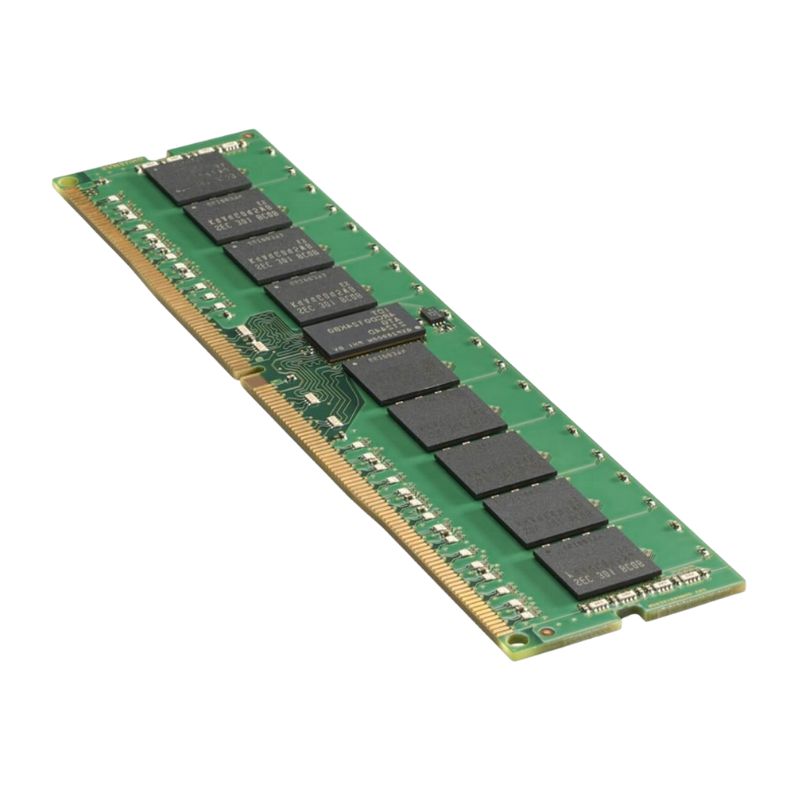


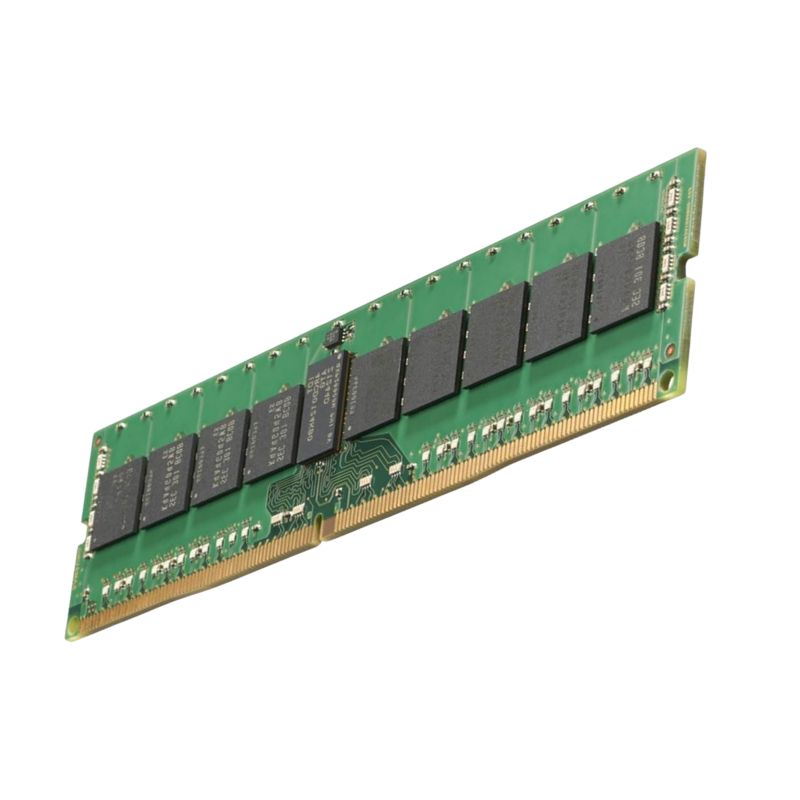
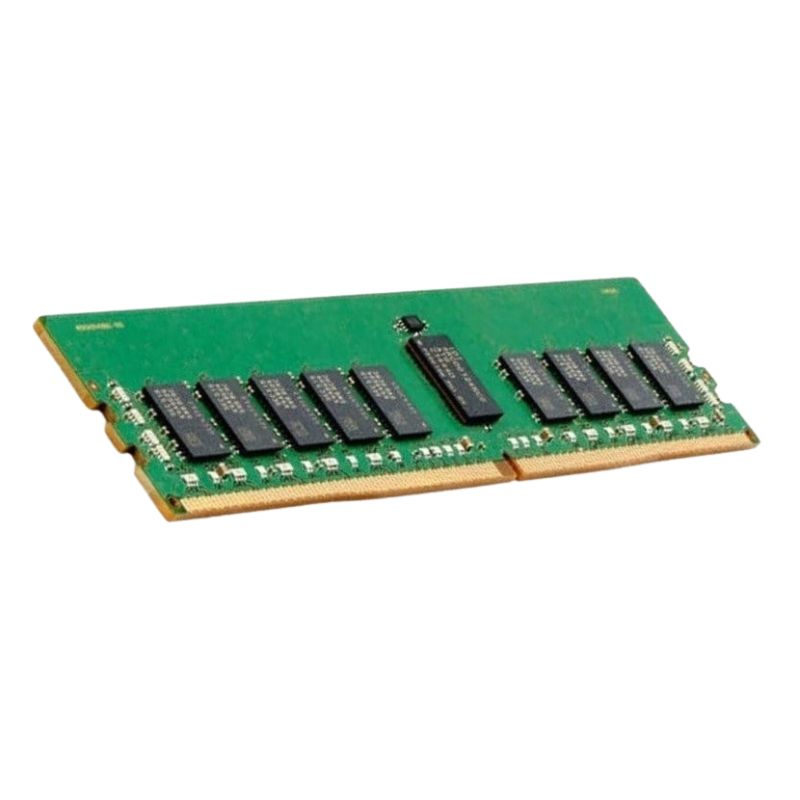
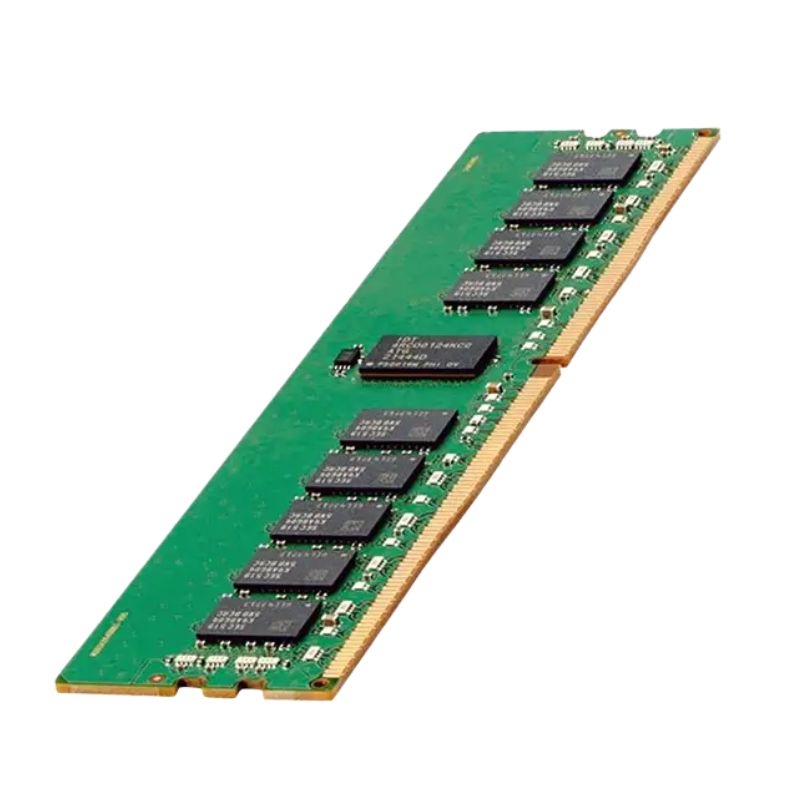
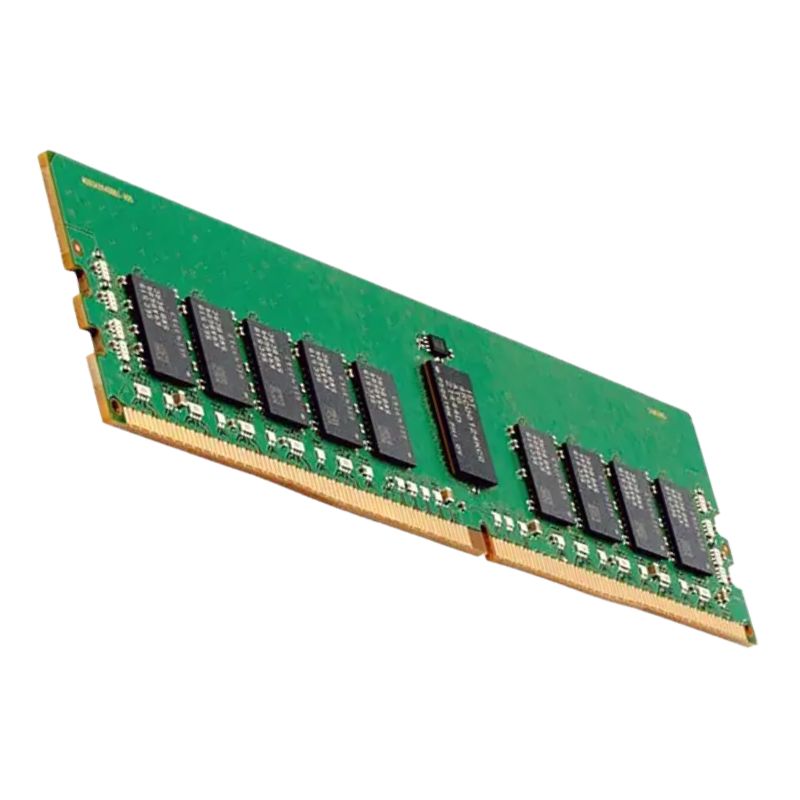
P22322-68M HPE DDR4-3200 16GB 2RX4 CAS-22-22-22 PC4-25600 Dual Rank Memory Module. New (System) Pull with 1 year replacement warranty
The HPE P22322-68M 16GB DDR4-3200 Registered Dual-Rank Memory Module is a premium solution designed for enterprise-class servers and advanced data processing needs. This module is engineered to enhance performance, reliability, and scalability across critical workloads. Built with DDR4 SDRAM technology and a speed rating of 3200 MHz, it ensures servers handle demanding tasks with precision and stability.
The P22322-68M HPE DDR4-3200 16GB 2RX4 CAS-22-22-22 PC4-25600 dual rank memory module is a purpose-built server memory product designed for reliability, predictable latency, and stable throughput in enterprise-class Hewlett Packard Enterprise (HPE) systems. This category covers the specific DIMM SKU and closely related SKUs and form-factors intended for HPE ProLiant servers, HPE DL and ML racks, blade servers and select HPE-certified systems. It emphasizes a 16GB capacity per module, DDR4 technology at a 3200 MT/s transfer rate, dual-rank architecture (2Rx4), and the CAS latency timing of 22-22-22—parameters that together define real-world performance and compatibility.
This memory module belongs to the DDR4 (Double Data Rate 4) family operating at DDR4-3200 (commonly referenced as PC4-25600). DDR4-3200 delivers an effective data rate of 3200 million transfers per second and peak theoretical bandwidth of 25,600 MB/s per DIMM under idealized conditions. For server workloads that rely on memory throughput — virtualization, database caches, in-memory analytics — the step up to DDR4-3200 from lower-speed DDR4 parts is measurable in reduced execution time for memory-bound tasks.
Each module in this category is 16GB in capacity and configured as 2Rx4 (dual rank, x4 organization). Dual-rank DIMMs effectively present two sets of memory arrays on the same module that can improve effective memory throughput and sometimes bolster overall system performance versus single-rank modules, particularly when the server memory controller can interleave accesses. The x4 chip organization also indicates the internal data width of the DRAM chips used on the module — relevant when matching memory to system slot population rules.
CAS latency is specified as CL22 with a complete timing string of 22-22-22. While higher clock speeds typically reduce overall memory access time, raw CAS numbers also matter: CL22 at 3200 MT/s is a trade-off between frequency and latency tuned for server stability and compatibility across a broad range of HPE systems. For latency-sensitive applications, understanding both frequency and CAS timing is important when designing memory configurations.
The P22322-68M is a server UDIMM/rdimm-style module (refer to HPE documentation for whether this SKU is RDIMM, LRDIMM, or UDIMM in a given revision). It is intended for 288-pin DDR4 slots on HPE ProLiant rack and tower servers. Physical compatibility includes electrical signaling, keying, notch position and JEDEC standard compliance. Always consult HPE's memory population guides and QVL (Qualified Vendor List) when mixing capacities and ranks.
HPE-branded or HPE-qualified memory modules typically ship with firmware and SPD settings tailored to maximize reliability in ProLiant systems. This includes conservative voltage/timing settings, advanced error-correcting support (ECC), and compatibility with HPE’s system firmware and iLO diagnostics. For enterprise deployments where uptime is business-critical, using HPE-certified memory reduces variables in support cases and improves maintainability.
Dual-rank 16GB DDR4-3200 modules strike a balance between capacity per slot and speed. They are ideal for mixed environments — virtualization hosts, mid-size databases, application servers, and distributed caching layers — where you need multi-threaded, memory-hungry applications to share a stable memory fabric without overspending on higher-cost LRDIMM densities.
Compared to high-density LRDIMMs, dual-rank 16GB modules often present a better price-per-GB while still offering the performance improvements of dual-rank interleaving. This makes them budget-friendly for scale-out deployments where per-slot capacity and predictable latency are the priority.
The P22322-68M and its variants are commonly listed for multiple generations of HPE ProLiant servers (Gen9, Gen10, Gen10 Plus, Gen11 depending on revision). Compatibility is determined by CPU memory controller support, BIOS/firmware, and the server’s supported JEDEC profiles. Users should match memory type (RDIMM vs LRDIMM), speed (3200 MT/s), and ranks per HPE’s population rules—mixing rank types or exceeding recommended per-channel populations may force speed down or disable certain advanced features.
Memory performance and supported capacities are influenced by the server CPU family (e.g., Intel Xeon Scalable or AMD EPYC generations). Each memory controller has limits on DIMM speeds, total addressable capacity, and supported rank combinations. For highest throughput, populate channels per the vendor’s channel population recommendations, and match module speeds to the CPU-supported JEDEC profile.
While many third-party memory vendors produce compatible DDR4-3200 modules, using HPE-labeled or HPE-validated parts avoids cross-compatibility pitfalls. Third-party modules may operate but could trigger system firmware warnings or limit supported features such as persistent memory optimization, advanced mirroring, or iLO telemetry. If you do use third-party modules, verify with HPE's server compatibility list and perform thorough validation.
DDR4-3200 increases bandwidth relative to DDR4-2400/2666 but often with slightly higher CAS values. This SKU’s CL22 timing at 3200 MT/s is optimized for stability and broad compatibility. For memory-bound tests (STREAM, large in-memory sorts, database buffer hits), you should expect tangible bandwidth improvements versus lower-speed DDR4 modules, particularly when all memory channels are populated to allow interleaving.
Typical server benchmarks using 2Rx4 16GB DDR4-3200 modules show gains in memory bandwidth-sensitive tasks of 8–25% depending on the baseline memory speed and rank configuration. Virtualized consolidation ratios improve most when host memory capacity is expanded while maintaining adequate per-VM memory throughput. Always test in the intended workload environment, since latency-sensitive OLTP or some HPC kernels may respond differently than throughput-bound analytics jobs.
Maximum real-world throughput requires proper DIMM placement across memory channels. Populate slots symmetrically and follow HPE’s recommended order (seen in server hardware maintenance guides). Dual-rank modules may allow the system to present higher logical capacity per channel, and in some controllers dual-rank interleaving yields modest throughput advantages.
Use HPE iLO, system event logs, and hardware health utilities to monitor memory health. ECC errors, corrected error counts, and parity warnings should be tracked: repeated corrected errors may indicate a failing module, bad slot, or power/temperature issues. Keep firmware (BIOS/UEFI and iLO) up to date to ensure memory compatibility and access to the latest stability fixes and performance optimizations.
The P22322-68M specifically denotes a dual-rank configuration. Other related SKUs include single-rank 16GB modules (1Rx8 or 1Rx4) and higher-density quad-rank modules (4Rx4) used in different performance and capacity trade-offs. Single-rank modules usually allow more DIMMs per channel before triggering controller limits; quad-rank modules permit higher capacities but may force slower speeds under certain populations.
Server memory categories include Registered (RDIMM), Load-Reduced (LRDIMM), and Unbuffered (UDIMM). The P22322-68M family typically appears in the RDIMM or LRDIMM family for enterprise HPE servers. RDIMMs provide register buffering to improve signal integrity; LRDIMMs use buffer chips to reduce electrical loading and enable extremely high per-module capacities. UDIMMs are generally desktop-class and are rarely used in modern HPE ProLiant servers.
ECC support is essential for server memory; modules in this category support ECC (error-correcting code) to detect and correct single-bit errors and detect multi-bit errors. Some HPE systems also support advanced memory features like mirrored memory or memory sparing; availability depends on the server model and firmware.
When procuring memory for enterprise systems, decide between HPE original parts and 3rd-party compatible modules. HPE-branded or HPE-validated parts often come with full vendor support and a lower risk of incompatibility. Third-party modules can be cost-effective but may require additional validation and could trigger compatibility flags in firmware. For production servers, many organizations prefer certified HPE modules to simplify support interactions.
For balanced channel population and optimal performance, plan symmetrical DIMM layouts and reserve spare capacity for failover if memory mirroring or sparing are in use.
A small number of corrected ECC errors can occur and be transient; however, frequent corrected errors may indicate bad DIMMs, failing slots, or systemic issues such as overheating or power irregularities. Replace suspect modules and re-run diagnostics if errors persist.
When modules with different SPD timings or speeds are installed, the memory controller will often default to the slowest common denominator across populated channels. To avoid unintended throttling, use matched memory kits or modules with identical JEDEC profiles.
The 16GB capacity and dual-rank format make these modules a practical choice for virtualization servers running VMware ESXi, Microsoft Hyper-V, or KVM. They provide a cost-effective balance of per-slot capacity and interleaved throughput to support dozens of lightweight VMs or a smaller number of heavier workloads with predictable memory performance.
For mid-tier database servers or caching layers, the bandwidth advantages of DDR4-3200 help sustain high request rates and low latency under load. Dual-rank modules ensure stable channel utilization and often yield better effective throughput when used in symmetric populations.
Application servers with multi-threaded backends (Java, .NET, containerized microservices) benefit from the consistent latency and ECC reliability of server-grade memory. The 16GB modules enable adequate heap sizes and container memory assignments for many enterprise microservice patterns.
ECC memory helps maintain data integrity over extended uptimes — a critical factor for regulated industries and mission-critical applications. Use of HPE-validated memory supports compliance-conscious organizations by reducing hardware-induced error risk.
DDR4 modules consume modest power; however, higher-speed DIMMs and densely populated servers generate more heat. Ensure adequate chassis airflow and monitor server inlet temperatures. In large-scale deployments, the cumulative energy profile of memory selections can influence TCO (Total Cost of Ownership).
Dual-rank modules interact differently with memory controllers than single-rank modules. Adhering to per-channel population order is essential to preserve rated speeds. Mixing different density modules or ranks will often lead to the system operating at a reduced speed; always verify the platform's memory configuration guide.


 Contact Us
 Information
 Catalog
 Solid State Drives (SSD)
 Network Switches
 Hard Disk Drives
 HBA & Controllers
 PC & Servers
 PC & Server Memory
 CPU & Processors
 Network Routers
 Power Supplies
 Tape Drives & Libraries
 Network Devices
 Computer & Network Cables