Your go-to destination for cutting-edge server products
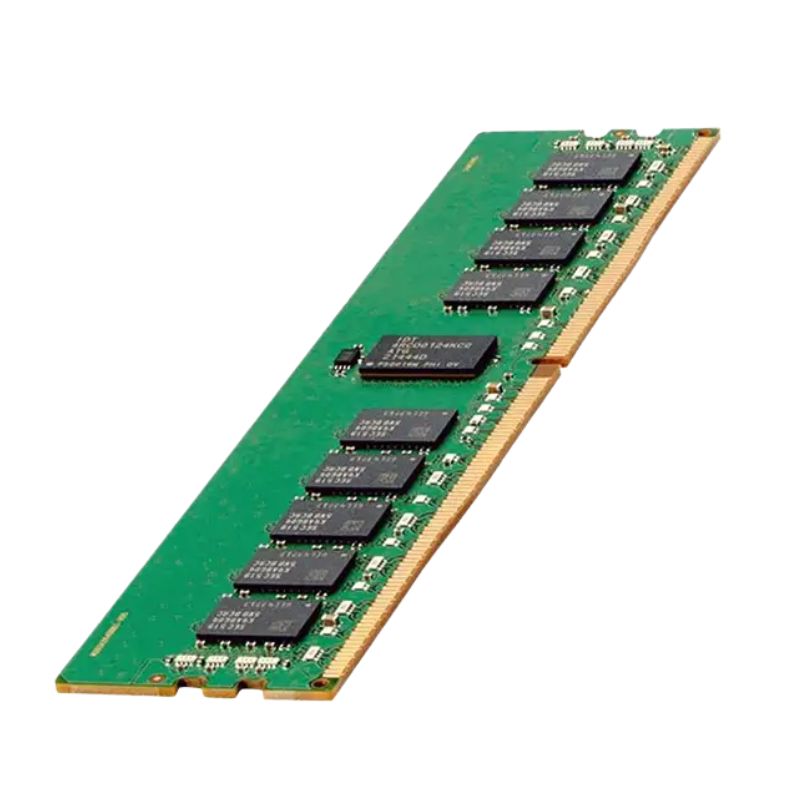
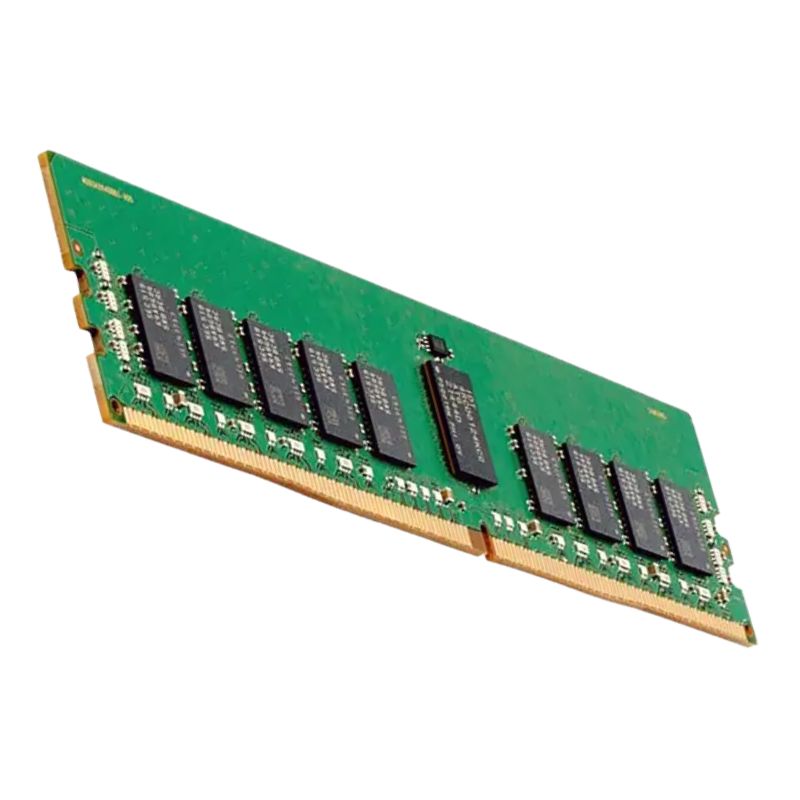
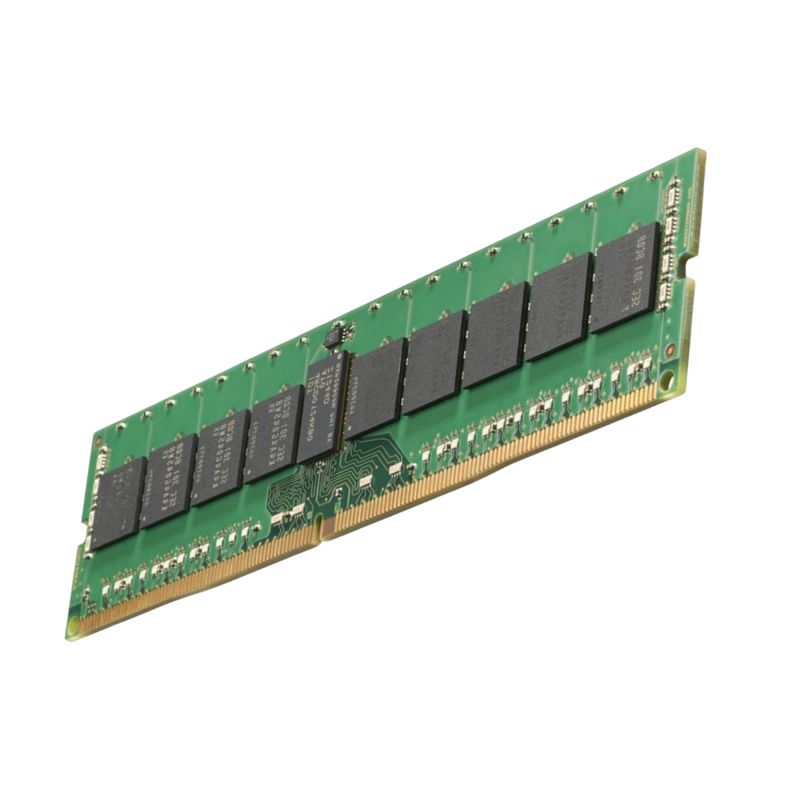
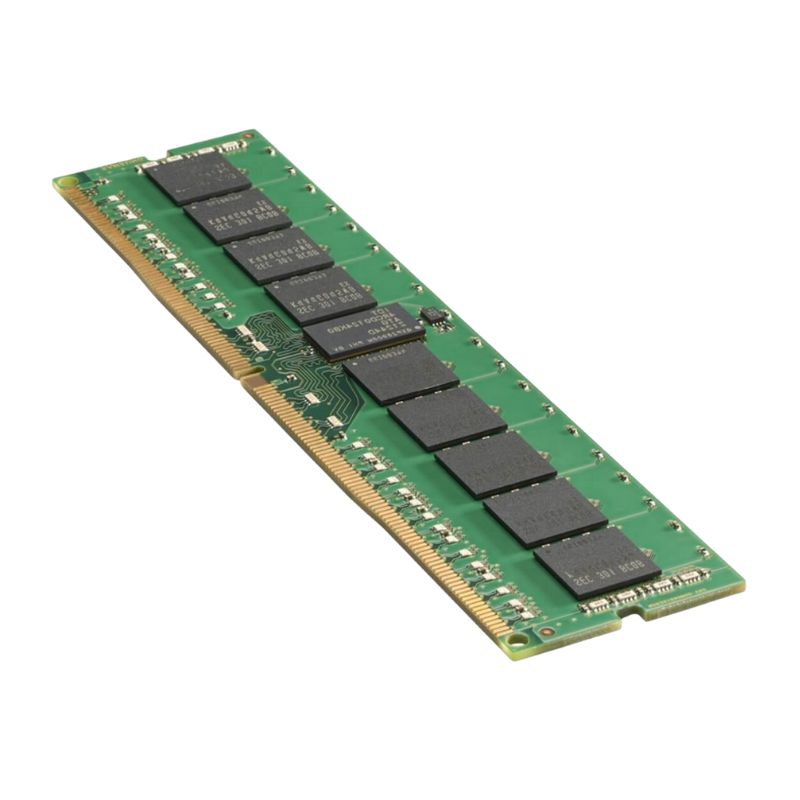
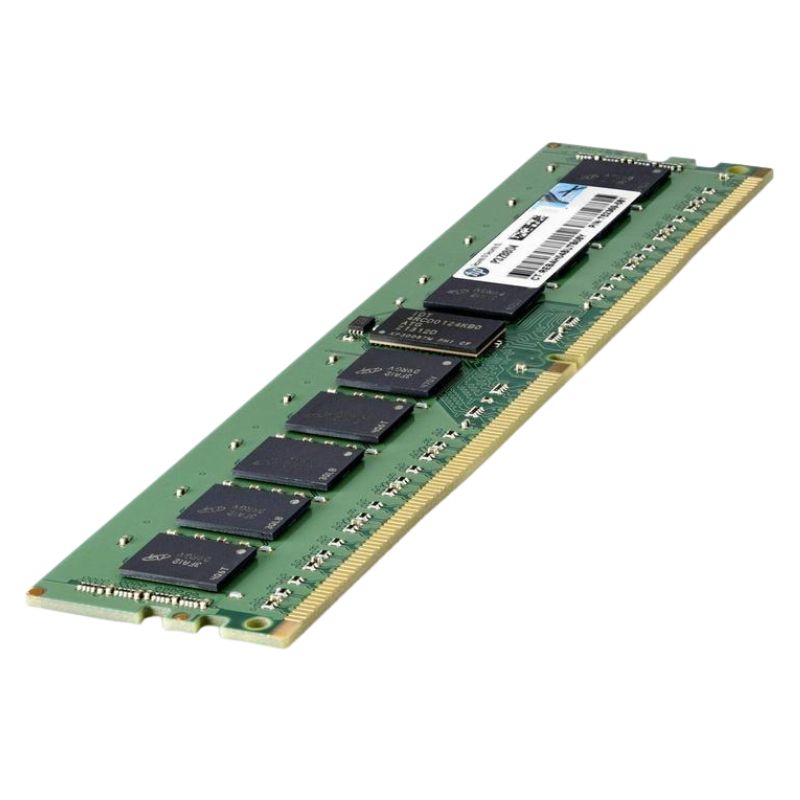
P25706-001 HPE 16GB 2RX4 DDR4-3200 CAS-22-22-22 PC4-25600 RDIMM Smart Dual-rank Memory

P25706-001
* Product may have slight variations vs. image
Hover on image to enlarge

Brief Overview of P25706-001

P25706-001 HPE 16GB 2RX4 DDR4-3200 CAS-22-22-22 PC4-25600 RDIMM Smart Dual-rank Memory. New (System) Pull with 1 year replacement warranty

Contact us for a price
Ask a question
Additional 7% discount at checkout
SKU/MPNP25706-001Availability✅ In StockProcessing TimeUsually ships same day ManufacturerHPE Manufacturer WarrantyNone Product/Item ConditionNew (System) Pull ServerOrbit Replacement Warranty1 Year Warranty
Google Top Quality Store Customer Reviews
Our Advantages
Payment Options
  • — Visa, MasterCard, Discover, and Amex
  • — JCB, Diners Club, UnionPay
  • — PayPal, ACH/Bank Transfer (11% Off)
  • — Apple Pay, Amazon Pay, Google Pay
  • — Buy Now, Pay Later - Affirm, Afterpay
  • — GOV/EDU/Institutions PO's Accepted 
  • — Invoices
Delivery
  • — Deliver Anywhere
  • — Express Delivery in the USA and Worldwide
  • — Ship to -APO -FPO
  • For USA - Free Ground Shipping
  • — Worldwide - from $30
Description

Overview of HPE P25706-001 16GB DDR4-3200 Registered Memory

The HPE P25706-001 16GB DDR4-3200 PC4-25600 Registered DIMM is engineered for performance, stability, and energy efficiency. Designed specifically for enterprise-class servers, this dual-rank Smart Memory module helps improve workload handling, reduce latency, and deliver consistent system responsiveness in demanding environments.

General Information

  • Part Number: P25706-001
  • Brand: HPE
  • Capacity: 16GB per module
  • Technology: DDR4 SDRAM
  • Form Factor: Registered DIMM (RDIMM)
  • Speed: 3200 MT/s (PC4-25600)
  • Latency: CL22
  • Voltage: 1.20V for optimized energy consumption
  • Pin Count: 288-pin
  • Memory Rank: Dual-rank configuration
  • Compatible Systems: HPE servers requiring DDR4 Smart Memory

DDR4-3200 Smart Memory Matters

  • Support high-performance computing workloads
  • Enable scalable data center solutions
  • Maintain reliability with registered buffering
  • Operate at low voltage for energy-efficient deployments

Technical Specifications at a Glance

  • Memory Size: 16GB per module
  • Number of Modules: 1 x 16GB
  • Memory Technology: DDR4 SDRAM
  • Memory Standard: DDR4-3200 / PC4-25600
  • Memory Speed: 3200 MHz
  • Signal Processing: Registered
  • CAS Latency: CL22
  • Voltage: 1.20 V
  • Memory Rank: Dual-rank
  • Form Factor: 288-pin RDIMM

Structured Feature 

  • Branding: HPE Smart Memory
  • Capacity: 16GB per module
  • Speed: DDR4-3200 (PC4-25600)
  • Timing: CAS-22-22-22
  • Rank: 2Rx4 (dual rank)
  • Voltage: 1.2V
  • ECC: Yes
  • Registered: Yes (RDIMM)
  • Pins: 288-pin
  • Use Case: Enterprise servers and workstations requiring stable, high-bandwidth memory

Procurement Checklist

  • Confirm part number: P25706-001 and DDR4-3200 RDIMM specification.
  • Match server model and CPU generation to ensure full compatibility.
  • Plan quantities in channel-balanced multiples for your socket count.
  • Verify return and RMA processes for rapid swap in case of faults.
  • Document receiving and add modules to asset management immediately.

Documentation to Keep on Hand

  • Platform memory population guide and Quick Specs.
  • Firmware/BIOS release notes relevant to DDR4-3200 stability.
  • Internal SOPs for installation, testing, and incident response.

Final Feature Recap for P25706-001

  • 16GB capacity in a dual-rank 2Rx4 RDIMM form factor.
  • DDR4-3200 speed (PC4-25600) with CAS-22-22-22 timings.
  • ECC and registered design for enterprise-grade reliability.
  • Optimized for HPE servers within the Smart Memory ecosystem.
  • Ideal for balanced channel population and predictable scalability.

Enhanced Reliability

  • Unlike generic memory modules, HPE Smart Memory undergoes rigorous testing and validation to minimize system crashes, ensuring mission-critical workloads run with superior stability.

Compatibility and System Integration

The P25706-001 memory module is designed to work seamlessly with HPE ProLiant servers and other enterprise-level systems that demand registered DDR4 Smart Memory. It guarantees compatibility, stability, and system validation, reducing risks of downtime caused by incompatible third-party memory modules.

P25706-001 HPE 16GB 2Rx4 DDR4-3200 CAS-22 PC4-25600 RDIMM Smart Dual-Rank Memory Overview

The P25706-001 HPE 16GB 2Rx4 DDR4-3200 RDIMM is an enterprise-grade dual-rank Registered DIMM designed for modern HPE servers requiring dependable memory bandwidth, predictable latency, and long lifecycle stability. Built to the PC4-25600 specification and tuned to run at an effective transfer rate of 3200 MT/s with CAS timings of 22-22-22, this module aligns reliability features such as on-DIMM ECC and register/buffer logic with HPE Smart Memory qualification, helping data center operators meet capacity and performance targets while maintaining platform consistency and serviceability.

As a 2Rx4 RDIMM, the module balances density and signal integrity for mainstream virtualization hosts, database nodes, file/print servers, and edge compute appliances. It integrates seamlessly with HPE ProLiant, Apollo, and select HPE tower and rack servers that support DDR4-3200 registered memory, enabling straightforward scaling from entry configurations to fully populated multi-channel layouts.

Understanding the Technology: DDR4-3200 RDIMM with 2Rx4 Architecture

Registered DIMMs place a register between the memory controller and the DRAM chips to reduce electrical load on the memory channel. This is especially valuable in multi-socket servers or systems with high slot counts, where signal integrity and timing margins are critical for reliability. The P25706-001 follows a 2Rx4 configuration—two ranks of x4-width DRAM devices—offering an effective balance of capacity and error resilience. With x4 DRAM organizations, the ECC scheme can provide improved fault isolation compared to x8 organizations under certain platform implementations, which is why x4 devices are common in enterprise RDIMMs.

At 3200 MT/s, the module aligns with PC4-25600 bandwidth targets, meaning a theoretical peak of 25.6 GB/s per channel under ideal conditions. Actual throughput depends on the CPU memory controller, number of active channels, rank interleaving, and workload characteristics. The CAS-22-22-22 latency profile is typical for qualified server memory running at top bin speeds, prioritizing consistency and platform stability over aggressive timing reductions.

Why Dual-Rank Matters for Real-World Workloads

Dual-rank modules can offer practical advantages in interleaving and bank-level parallelism. In workloads that continuously stream data—such as virtualization hosts with numerous virtual machines, in-memory caches, or analytics applications—interleaving between ranks can help maintain a steady flow of data to the CPU, mitigating stalls and improving effective bandwidth utilization. The P25706-001’s dual-rank layout lets administrators achieve higher performance per slot compared to many single-rank alternatives at the same capacity, especially when memory channels are fully populated across a server’s CPU sockets.

Signal Integrity and Channel Loading

Server motherboards are engineered for predictable routing and termination across multiple DIMM slots per channel. RDIMMs reduce the load presented to the memory controller, allowing more modules to be installed without compromising timing margins. For HPE platforms that support mixed slot population, RDIMMs are often recommended for capacity-dense builds where stability and uptime are paramount.

ECC and Reliability Enhancements

ECC (Error-Correcting Code) memory can detect and correct single-bit errors and detect multi-bit errors. This is essential in 24×7 environments where cosmic rays, electrical noise, and device aging can induce transient bit flips. Combined with platform RAS (Reliability, Availability, Serviceability) features—such as patrol scrubbing, demand scrubbing, and predictive failure analysis—ECC RDIMMs like the P25706-001 contribute to lower failure rates, reduced unplanned downtime, and more predictable system behavior during sustained operation.

Performance Characteristics and Tuning Tips

While raw data rate is important, real-world performance emerges from the interaction of CPU memory controllers, NUMA topology, and workload patterns. The following best practices help extract consistent performance from DDR4-3200 RDIMMs.

Populate All Memory Channels

Most server CPUs provide multiple memory channels per socket (commonly six or eight depending on platform generation). Populating every channel with at least one module enables channel interleaving, which spreads requests across channels to increase aggregate bandwidth and smooth queueing effects. Using identical P25706-001 modules across channels simplifies tuning and avoids mixed-speed fallbacks.

Balance Ranks per Channel

Rank interleaving can reduce latency spikes by overlapping operations across ranks. Aim for a consistent number of ranks per channel and per socket. With dual-rank 16GB modules, two DIMMs per channel provide four ranks—a configuration that can offer excellent parallelism on many platforms, subject to speed maintenance guidelines.

Observe NUMA Alignment

In dual-socket systems, pin memory allocations to the local node when possible. Applications that are NUMA-aware can benefit from lower local memory access latency. Match the number of P25706-001 modules per socket and map workloads to their corresponding NUMA node for predictable performance.

Firmware and BIOS Considerations

Keep system firmware and BIOS/UEFI up to date for the latest memory compatibility tables and stability improvements. Server firmware updates often refine training algorithms, timing margins, and power management routines that affect high-speed DDR4 operation. If a platform supports configurable memory profiles, ensure the memory frequency is set to 3200 MT/s (or the highest stable speed allowed by your population) and that ECC features such as patrol scrubbing are enabled per policy.

Latency vs. Throughput Trade-Offs

CAS 22-22-22 at 3200 MT/s targets stable throughput. Some workloads are sensitive to latency more than bandwidth; in these cases, ensuring 1DPC at 3200 MT/s can benefit latency slightly compared to denser DPC layouts. For mixed workloads, the combination of dual-rank interleaving and channel saturation usually yields the best aggregate performance.

Energy Efficiency and Thermal Practices

DDR4 at 1.2V already represents a significant efficiency gain over earlier generations. In dense configurations, airflow and ambient temperature influence DIMM reliability and longevity. The P25706-001 is engineered for data center duty cycles, but optimal cooling practices help maintain low error rates and consistent performance.

Airflow Direction and Slot Staggering

Follow the server’s recommended airflow path, typically front-to-back. When populating non-adjacent slots first (as indicated by the motherboard), you improve airflow around each module. Stagger population according to the platform’s memory map to achieve both thermal and performance goals.

Monitoring and Telemetry

Use system management tools to monitor DIMM temperatures, ECC correction counts, and spare capacity margins. Early signs of rising correctable errors can indicate thermal or environmental issues that are easily mitigated with airflow adjustments or fan profile changes.

Compatibility and Mixing Guidelines

For best results, use identical modules across channels and sockets. Mixing RDIMMs with UDIMMs is not supported. Mixing different speeds can force all modules to the lowest common speed. Mixing different ranks or organizations (x4 vs. x8) may be permitted on some platforms, but uniformity tends to yield better stability and interleaving behavior.

Troubleshooting and Diagnostics

If a newly installed P25706-001 module is not detected or operates at a lower speed than expected, the following checks usually resolve the issue.

Capacity Planning with 16GB Increments

Choosing 16GB RDIMMs offers granular growth without large capital outlays. With P25706-001, administrators can scale from modest 64GB per server to hundreds of gigabytes simply by populating additional slots.

Workload Mapping

Right-sizing memory for workloads avoids both under-provisioning and waste. For virtualization, estimate per-VM memory and overcommit ratio, then add headroom for host services. For databases, align capacity with buffer pool and cache targets. The P25706-001’s consistent behavior at 3200 MT/s simplifies modeling and repeatable capacity plans.

Data Integrity and Error Management

ECC is essential for protecting data integrity in long-running services. The P25706-001 leverages on-module ECC with x4 DRAM organizations common to server RDIMMs.

Scrubbing and Patrol Mechanisms

Demand scrubbing corrects errors as they are detected during normal read operations, while patrol scrubbing proactively scans memory to find and correct latent single-bit errors. Enabling both reduces the probability of multi-bit errors accumulating in idle regions of memory.

Predictive Maintenance

Modern servers track correctable error rates per DIMM. Rising rates can predict a failing module or thermal stress. Establish thresholds that trigger alerts before service degradation occurs. Replace modules proactively during maintenance windows to avoid urgent interventions. Enterprises increasingly evaluate hardware components for supply chain transparency and platform authentication. HPE Smart Memory modules are designed to integrate with server firmware to confirm authenticity on supported platforms. This helps ensure that capacity expansions maintain the same quality and telemetry expectations as the original build.

Physical Security and Tamper Awareness

While DIMMs are not commonly targeted for tampering, secure data center practices—locking bezels, access logs, and maintenance check-in procedures—help maintain chain of custody for all components, including memory.

Firmware Consistency

Keep server firmware aligned across clusters to ensure identical memory training routines and timing templates. Mixed firmware can lead to subtle performance variations, especially when high DPC configurations push timing margins.

Environmental and Lifecycle Factors

Memory operates within specified temperature and humidity envelopes. The P25706-001 is built for standard data center conditions, but operators should account for seasonal temperature shifts, dust, and rack-level airflow variances.

Best Practices for Mixed Environments

In data centers with multiple server generations, standardizing on a consistent RDIMM specification simplifies spares management and troubleshooting. The P25706-001’s 16GB capacity is a versatile building block that fits development, staging, and production tiers.

Spares Pool Strategy

Maintain a small pool of identical modules to service critical nodes quickly. Label spares with receipt date and track firmware/BIOS levels of target hosts to ensure consistent results after installation.

Documentation and Labeling

Use asset management tags to record the slot location of each module. Following a clear slot map speeds root-cause analysis and reduces the time required for future upgrades.

Optimization for Specific Workloads

Virtualization and VDI

For hypervisors, allocate memory to avoid ballooning and swapping during peak usage. With 16GB increments, you can size hosts to align with VM density targets. Consistent 3200 MT/s throughput helps prevent memory from becoming a bottleneck during consolidation and live migrations.

Databases and Analytics

Increase buffer pool sizes and pin hot data in memory. For in-memory analytics engines, ensure even channel utilization and verify NUMA node allocations. The repeatable characteristics of the P25706-001 simplify capacity modeling and scaling plans across clusters.


Web and Application Tiers

Application servers benefit from larger heap sizes and caching layers. Monitor garbage collection behavior and adjust heap parameters to take advantage of additional memory while avoiding pause time regressions.

Burn-In and Validation

After installation, run a short validation cycle—light memory stress, ECC monitoring, and temperature observation—to detect early issues. Schedule deeper diagnostics during maintenance windows if deploying at scale.

Cost Efficiency and Total Cost of Ownership

Memory represents a substantial portion of server BOM costs. 16GB RDIMMs provide a cost-effective path to expand capacity without stepping into very high-density modules that may incur steeper premiums. Over time, standardizing on a common part like P25706-001 reduces inventory complexity, simplifies procurement, and accelerates RMA cycles.

Operational Guidelines for Fleet Managers

At scale, small process improvements yield outsized benefits. Standardize on imaging, firmware baselines, and memory validation scripts. Document channel maps per server model and keep a quick-reference guide with slot numbering and preferred population order.

Change Management

Schedule memory upgrades during low-impact windows. Record pre-change and post-change states, including total capacity, speed, and ECC logs. Validate with a brief stress test before returning nodes to production.

Incident Response

When ECC alerts spike on a node, record ambient conditions, reseat modules if necessary, and observe whether errors follow the DIMM to a new slot. If yes, replace the specific module. If errors remain with the slot, inspect the motherboard and backplane for issues.

Memory Architecture Insights for Planners

Memory architecture is a foundation of server performance. Selecting modules like the P25706-001 gives planners a known, repeatable component whose behavior under varying DPC and channel interleaving scenarios is well understood.

Interleaving Hierarchies

Modern platforms implement multiple interleaving layers—channel, rank, and bank. With dual-rank modules in every channel, systems can achieve a high degree of parallelism that benefits mixed read/write workloads, queue-depth-heavy databases, and virtualized environments with many concurrent memory streams.

Mitigating Latency Tails

Latency “tails” are outlier events where requests take significantly longer due to queuing or refresh events. By distributing memory activity across ranks and channels, dual-rank 2Rx4 modules help smooth latency distribution, leading to more predictable application response times.

Operational Safety Notes

Always follow proper safety practices. Power down and disconnect systems before handling components. Use antistatic protection. Do not force modules into slots; if resistance is encountered, recheck orientation and slot compatibility. Ensure adequate cooling and avoid operating systems outside of specified environmental ranges.

Data Protection During Upgrades

Schedule memory upgrades during planned maintenance windows and ensure recent backups for critical workloads. Although replacing memory does not typically affect storage, minimizing operational risk through change control is recommended.

Real-World Sizing Examples

Consider an application stack consisting of a database tier and a caching layer. Upgrading each host from 64GB to 128GB using additional P25706-001 modules can allow the cache to retain a larger working set, reducing storage I/O and improving response times. In VDI, increasing per-host memory capacity by 32–64GB may support a higher number of concurrent desktops without ballooning or swapping, smoothing user experience during peak login storms.

Edge Deployments

At the edge—retail stores, branch offices, and remote plants—standardizing on a rugged, server-grade 16GB RDIMM simplifies on-site servicing. The P25706-001’s mainstream capacity and familiar characteristics allow quick field replacements and predictable behavior in compact, airflow-constrained chassis.

Memory Testing and Validation Recommendations

Before placing mission-critical nodes into production, run memory validation tools appropriate to your platform to detect early-life failures. Incorporate a brief stress period into your CI/CD pipeline for infrastructure, ensuring that each node meets baseline performance and stability criteria with the installed P25706-001 modules.

Policy-Driven Alerts

Define alert thresholds for correctable error rates, high DIMM temperatures, and sudden frequency changes after firmware updates. Automated notifications enable proactive maintenance and reduce mean time to resolution when anomalies arise.

Sustainability Considerations

Extending server life by upgrading memory is often more sustainable than a full platform replacement. 16GB RDIMMs enable incremental improvements to capacity and performance with minimal waste. Properly recycling packaging and retiring failed modules through certified programs supports environmental goals.

Standardization Benefits

Using a single, widely supported part such as the P25706-001 across fleets reduces the number of SKUs in inventory, lowers training overhead for technicians, and speeds incident resolution. Over years, these operational efficiencies compound into measurable cost and time savings.

Features
Manufacturer Warranty:
None
Product/Item Condition:
New (System) Pull
ServerOrbit Replacement Warranty:
1 Year Warranty