(7% discount is applied at checkout)
Cart is empty
Your go-to destination for cutting-edge server products
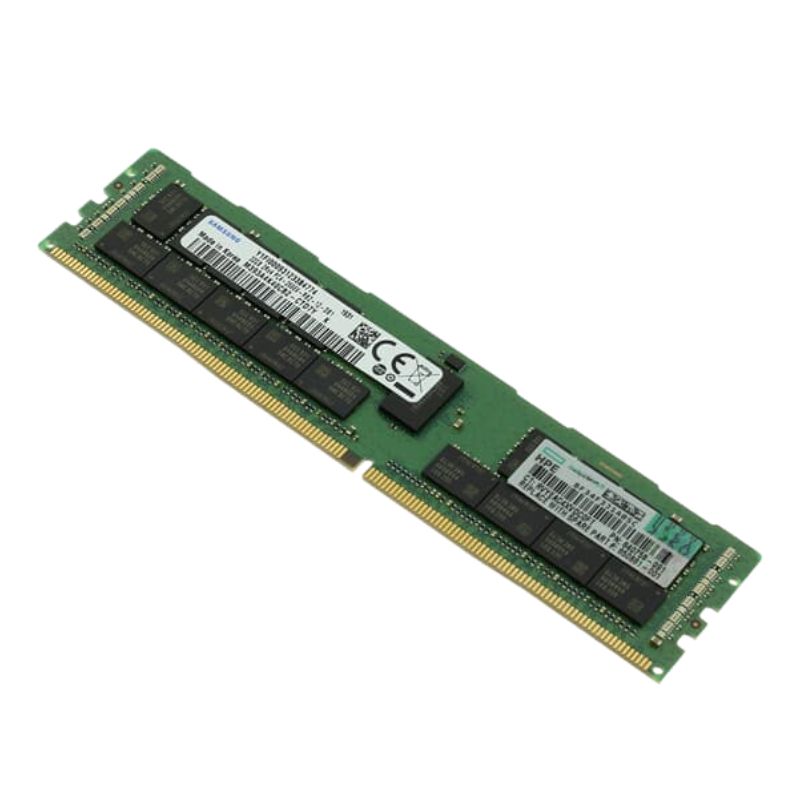


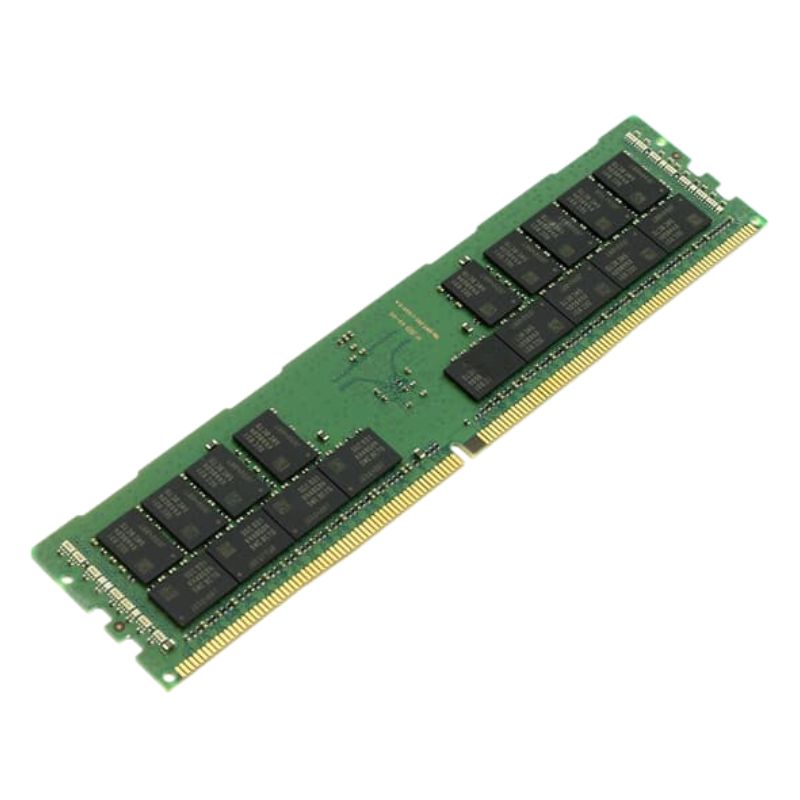
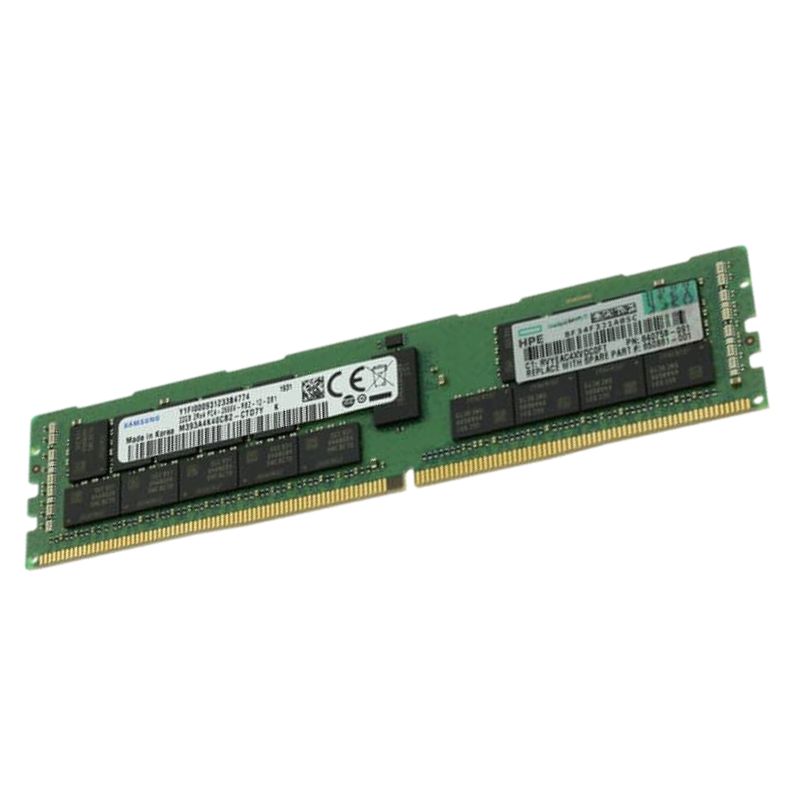
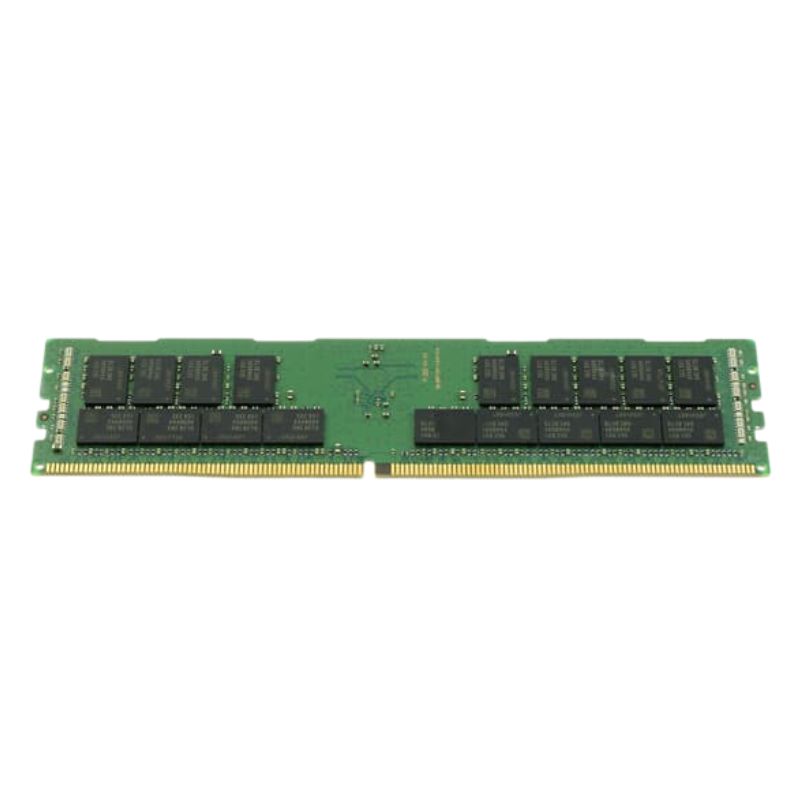
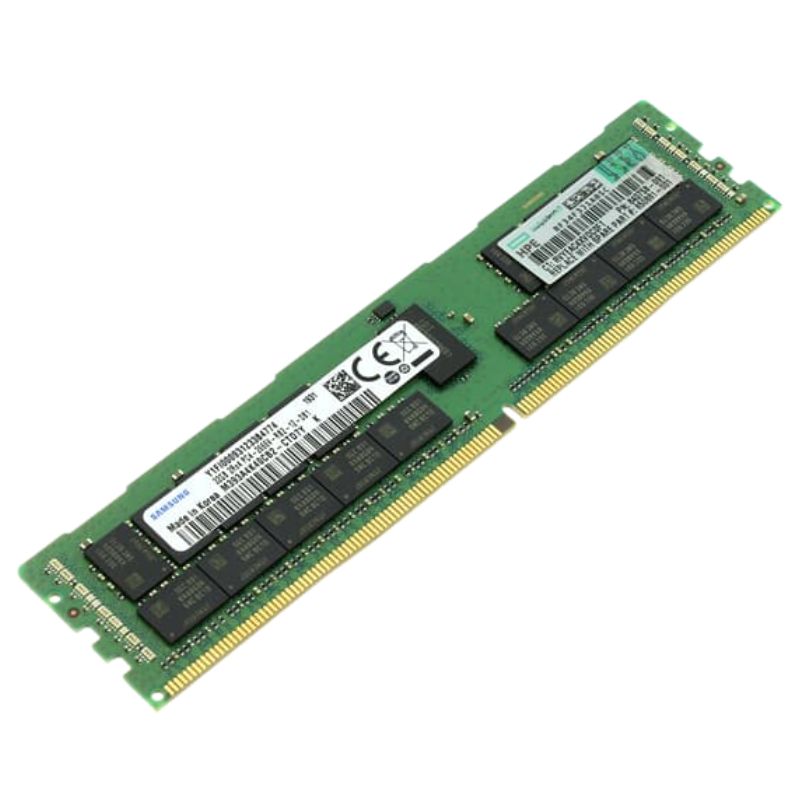
P39383-001 HPE 32GB DDR4-2933MHz PC4-23400 Single Rank Smart Memory Module. New (System) Pull with 1 year replacement warranty
The HPE P39383-001 32GB DDR4-2933MHz Smart Memory Module is designed to enhance the performance and reliability of HPE ProLiant servers. Built with advanced ECC (Error-Correcting Code) technology, this single rank x4 DIMM ensures data integrity while delivering stable, high-speed performance at 2933 MT/s. As part of HPE’s genuine Smart Memory lineup, it maximizes server uptime and provides seamless compatibility with a wide range of ProLiant and Apollo systems.
Additional Notes
Compatibility Across HPE Systems
This 32GB DDR4 Smart Memory is fully certified to work with numerous HPE server families, ensuring effortless scalability and reliable performance.
Overview of P39383-001 HPE 32GB DDR4-2933MHz PC4-23400 Single Rank Smart Memory Module
The P39383-001 HPE 32GB DDR4-2933MHz PC4-23400 Single Rank Smart Memory Module represents a high-performance, server-grade memory option engineered for modern HPE ProLiant and similar enterprise platforms. Optimized for reliability, low-latency data access and sustained throughput, this 32GB DDR4 module operates at a DDR4-2933 frequency (PC4-23400) and is targeted at data centers, virtualization hosts, database servers, and high-availability systems that demand predictable memory behavior.
Designed as a single-rank DIMM, this module balances performance and addressability in memory controllers that prefer single-rank configurations for certain workloads. Below are the essential technical properties technicians, system architects, and procurement specialists often look for:
DDR4-2933 (PC4-23400) — the memory operates at an effective data rate of 2933 MT/s (mega-transfers per second), providing a bandwidth of approximately 23.4 GB/s per module under ideal conditions. This speed class delivers a clear uplift over more common DDR4-2400/2666 parts, especially for memory-bound applications and multi-threaded database or in-memory analytics workloads.
32GB capacity, single-rank — the single-rank design reduces electrical loading on the memory channel versus dual-rank alternatives, which can be advantageous on platforms with many populated channels. A 32GB single-rank stick is commonly used where higher per-DIMM capacity is desired but with minimal impact to channel timing.
This module adheres to standard 288-pin DIMM form factors for DDR4 server memory, compatible with HPE-certified sockets on ProLiant gen servers and many enterprise-grade motherboards that follow JEDEC standards. The physical design ensures correct keying, fitment and thermal profile for server chassis deployment.
Labeled as a "Smart Memory Module" within the HPE ecosystem, the P39383-001 may include firmware-level identification (SPD/serial presence detect enhancements) and compatibility flags that allow HPE management tools and iLO firmware to detect capacity, speed and health parameters. These features improve remote inventory, predictive failure analytics and upgrade planning.
Choosing the P39383-001 32GB DDR4-2933 module yields specific advantages across a broad spectrum of enterprise workloads:
When hosting dozens or hundreds of virtual machines per server, memory capacity and consistent latency matter. A 32GB module running at 2933MHz provides both larger address space per DIMM and higher sustained bandwidth, enabling denser VM consolidation and better guest-perf isolation under memory-heavy scenarios.
Parallel compute workloads that require streaming large datasets or large matrix operations (scientific computing, ML inference, ETL) will see improved memory bandwidth utilization versus lower-frequency modules. Single-rank DIMMs also help in systems where channel population strategy is tuned for predictable interleaving.
Enterprise memory must meet elevated reliability standards. HPE’s Smart Memory line is designed with multiple RAS considerations:
This module supports ECC (Error-Correcting Code) functionality typical for server-grade DDR4 modules. ECC detects and corrects single-bit memory errors and can detect multi-bit errors, which substantially reduces silent data corruption risk — a critical factor for transactional systems and long-running compute jobs.
Built to OEM specifications, the P39383-001 maintains stability across typical server operating temperatures and voltage margins. Heat spreaders, PCB design and component selection are tuned for sustained operation in rack-mounted environments where ambient temperatures and densely packed DIMMs raise thermal stress.
As an HPE-qualified module, the product is validated against specific server firmware, BIOS and management stacks—reducing compatibility surprises. HPE’s iLO and server health monitoring can read module attributes and offer predictive replacement suggestions based on error logging and ECC event frequency.
Compatibility is a core purchasing criterion. The P39383-001 is broadly compatible with HPE ProLiant series and related HPE 2nd- and 3rd-generation server platforms that accept DDR4-2933 memory. Below are high-level compatibility notes and practical considerations:
Many HPE server generations require specific BIOS or firmware levels to support higher-frequency memory modules. Before upgrading, check the server release notes and memory population guidelines to ensure the system can boot and operate at DDR4-2933. If a system cannot natively run at 2933 MT/s, it may default to a lower supported frequency (e.g., 2666 MT/s) depending on CPU and memory controller limitations.
Memory speed is often dependent on the CPU’s integrated memory controller. Some processors only support up to a certain JEDEC speed depending on the number of DIMMs per channel. For optimal results, pair the P39383-001 with CPUs and board configurations that can exploit the module’s full speed — otherwise it will operate at the maximum speed supported by the system.
For best performance, adhere to HPE’s population guidance: populate channels equally and match ranks within channels where recommended. Single-rank modules like the P39383-001 may be mixed with other single-rank modules, but mixing ranks (single and dual) and capacities can affect overall interleave and bandwidth behavior. Plan memory upgrades with a channel-aware approach to preserve interleaving and latency properties.
Understanding where the P39383-001 sits relative to other options helps purchasers choose the right memory mix.
Single-rank modules (like this 32GB stick) provide lower electrical load on channels and can sometimes enable higher sustained frequencies when many DIMMs are populated. Dual- and quad-rank modules can offer better capacity-per-channel, but may change memory controller timing and maximum achievable frequency when used in higher per-channel populations. Choose single-rank modules when you want predictable timing and when platform guidance suggests single-rank benefits.
Vendor-branded HPE Smart Memory often contains SPD values and compatibility metadata specifically optimized for HPE servers; this can unlock management features (inventory, warranty tracking and iLO integration) and reduce the risk of weird incompatibilities. Generic ECC DIMMs may be more cost-effective, but they can lack those integrated management conveniences and sometimes are not listed on HPE’s validated memory matrix.
Purchasing HPE-branded memory carries a premium but reduces support complexity, particularly for enterprise shops that require vendor-backed interoperability and single-source warranty support. Budget-conscious deployments that control firmware and hardware homogeneity tightly might find third-party ECC modules acceptable if validated in-house.
Memory refresh cycles typically occur when servers are upgraded or replaced. Because DDR standards and server platforms evolve, organizations should track part numbers and replacement compatibility for future refresh plans to avoid unexpected incompatibilities as server generations change.
Maintain spares matching the most commonly deployed DIMM type in your fleet. For environments heavily invested in HPE ProLiant servers, stocking a small quantity of P39383-001 modules reduces mean time to recovery in case of failing memory or urgent capacity needs. Use iLO and asset management tools to track module serials and deployment locations.
When decommissioning DIMMs, follow organization policies for secure disposal. Although DRAM typically loses data quickly when power is removed, some high-security environments perform physical destruction or use specialized erasure workflows to mitigate any residual risk.
While DIMMs themselves are not programmable storage in the way SSDs are, SPD firmware contains configuration data. Use only firmware and updates provided by reputable vendors and applied through documented HPE firmware update processes to reduce risk of misconfiguration or undocumented behavior.
When budgeting for memory upgrades, weigh the price-per-GB against validation certainty and long-term support. HPE-branded memory often commands a higher price but reduces support friction. For critical servers, prefer vendor-qualified modules; for non-critical test beds, verified third-party options may reduce capital expense.
Maintain a changelog for the category page and coordinate with product management when new server platforms or memory speeds are introduced. When adding user reviews or Q&A, curate content to surface high-utility, technical answers that reduce pre-sales support requests.


 Contact Us
 Information
 Catalog
 Solid State Drives (SSD)
 Network Switches
 Hard Disk Drives
 HBA & Controllers
 PC & Servers
 PC & Server Memory
 CPU & Processors
 Network Routers
 Power Supplies
 Tape Drives & Libraries
 Network Devices
 Computer & Network Cables