(7% discount is applied at checkout)
Cart is empty
Your go-to destination for cutting-edge server products
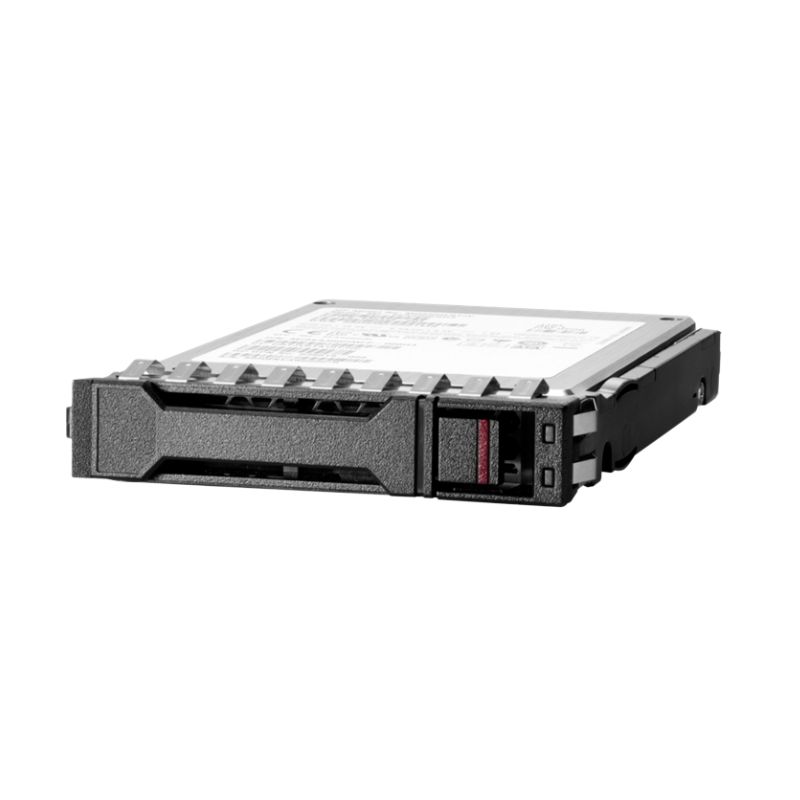


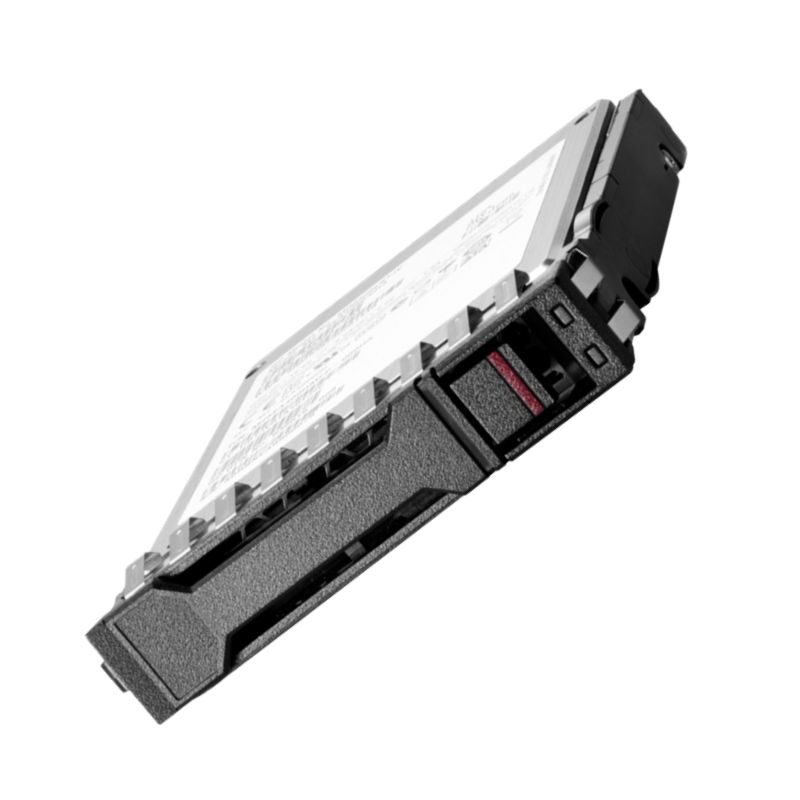
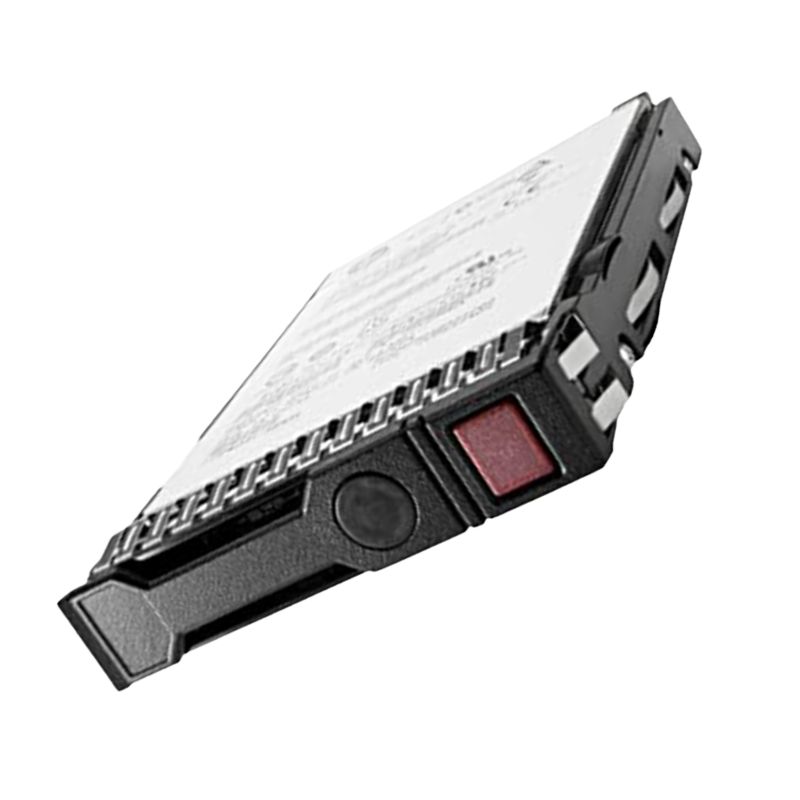
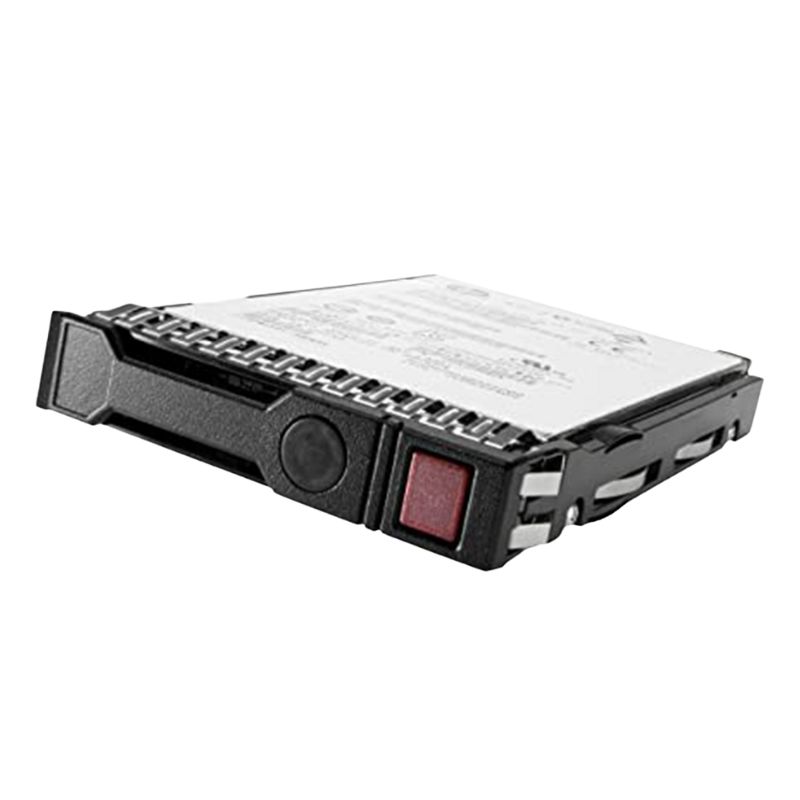
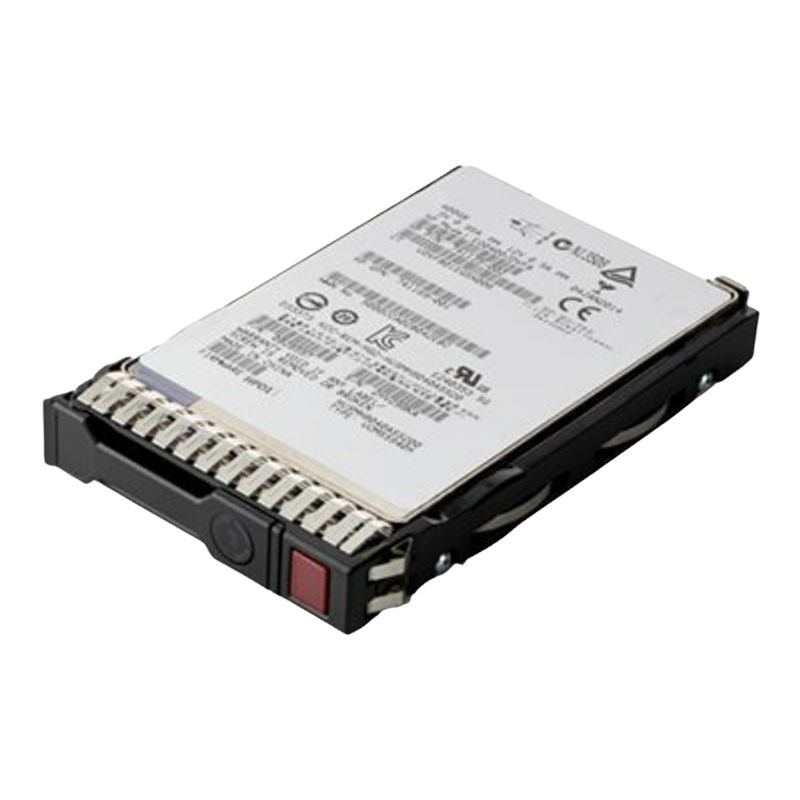
P40566-B21 HPE 3.84TB Read Intensive SFF PM1733 Gen4 Plus SSD. Excellent Refurbished with 1 year replacement warranty
The P40566-B21 HPE 3.84TB Read Intensive SFF PM1733 Gen4 Plus SSD represents a high-performance, enterprise-grade non-volatile storage option engineered for read-dominant workloads in modern data centers. Positioned within the small form factor (SFF) NVMe class, this drive is tailored for applications that require sustained read throughput, low latency access, and consistent quality-of-service under heavy read I/O patterns. As a Gen4 Plus device the PM1733 series leverages PCIe Gen4 bandwidth improvements while focusing firmware and flash management on endurance profiles optimized for read-intensive operation. This makes the drive a natural fit for large-scale virtualization hosts, content delivery platforms, analytics clusters, and other deployments where read performance and deterministic response matter more than extreme write endurance.
At the category level, buyers evaluate storage on several axes: throughput, IOPS, latency, capacity per spindle, energy efficiency, reliability, and manageability. The P40566-B21 category emphasizes a balanced approach—offering multi-terabyte capacity in a 2.5-inch SFF form factor while delivering NVMe-level performance and HPE-validated compatibility. This drive targets operators who want to raise application responsiveness without sacrificing rack density. The combination of 3.84TB usable capacity, Gen4-class interface, and firmware tuned for read-heavy workloads yields measurable improvements in data-center efficiency when compared to legacy SATA or SAS SSDs commonly used in read cache or front-end database tiers.
Throughput is central to the category’s value proposition. Drives in this class are designed to deliver high sequential and random read rates, which translates to faster data retrieval for large file reads, streaming workloads, and heavy metadata operations. The Gen4 Plus NVMe interface increases available bandwidth per lane and reduces congestion for multi-queue, multi-threaded server environments. For architects this means improved headroom for consolidating VMs, handling more simultaneous database queries, or accelerating large-scale search and indexing jobs.
Low and predictable latency is the defining trait for read-optimized enterprise SSDs. The P40566-B21 category emphasizes consistent read response times even under sustained load, enabling SLAs that demand millisecond or sub-millisecond read access. Predictability matters more than micro-benchmarked peak numbers in real-world deployments: predictable latency reduces tail latency spikes, improves user experience for customers of cloud services, and simplifies capacity planning for on-premises infrastructure.
The small form factor (SFF) appeals to server and storage chassis designs where density is prioritized. The P40566-B21 fits into standard 2.5-inch NVMe bays and is compatible with HPE ProLiant and HPE Synergy platforms, as well as a wide range of NVMe-capable servers from other vendors. This compatibility allows IT teams to deploy these drives as front-end storage for application tiers, as read-caching layers in hybrid storage arrays, or as part of converged infrastructure solutions. The SFF PM1733 footprint preserves chassis airflow and hot-swap ergonomics, simplifying maintenance and upgrades.
Enterprise buyers expect storage media to integrate cleanly with server lifecycle workflows. Drives in this category are typically supported by HPE firmware update channels and server management tools, enabling administrators to monitor drive health, apply firmware updates, and collect SMART telemetry centrally. This reduces risk by ensuring firmware compatibility across server generations and minimizing the operational overhead of managing fleet-wide storage updates. Predictable firmware lifecycles and vendor support make these drives easier to certify in regulated or heavily controlled production environments.
Virtual desktop infrastructure and multi-tenant virtualization environments often produce heavy read amplification as multiple virtual machines boot, load applications, and access shared images. Deploying read-optimized NVMe drives in these tiers reduces boot storms and improves perceived performance for users when many sessions are active concurrently. The P40566-B21 category helps administrators scale VDI density per host by offering higher per-drive capacity without compromising read latency.
“Read intensive” is a category designation that indicates firmware, flash selection, and over-provisioning levels are optimized for workloads where read operations vastly outnumber writes. In practical terms this means the drive’s flash management algorithms prioritize read performance, wear-leveling is adapted to expected write rates, and error-correction routines are tuned to maintain data integrity without unnecessary write amplification. For procurement teams, the endurance rating—often expressed as drive writes per day or total terabytes written over warranty—should be compared to the expected write profile of the target workload to ensure longevity and to plan replacement cycles accurately.
Enterprise SSDs in this family include robust error-correcting code, background scrubbing, and physiological monitoring to protect against silent data corruption. These mechanisms operate transparently to maintain data integrity over the device’s life. Administrators should incorporate drive health and SMART analytics into their monitoring stack to catch early warnings and schedule proactive replacements before capacity or performance degrade noticeably.
Security features are important for enterprise storage. While specific security capabilities can vary by SKU, category-level expectations include support for hardware-based encryption, secure erase, and compliance-friendly features that help organizations meet regulatory requirements. When evaluating a particular model in this category, buyers should verify whether the device supports self-encrypting drive (SED) modes or trusted computing group (TCG) standards, and whether it can integrate with key management systems used in their environment. These features reduce the operational cost of physical media disposal and provide stronger data-at-rest protection without impacting read performance.
Workload placement and thermal planning are part of a robust storage deployment. Place read-intensive drives in chassis with verified airflow and use vendor-recommended drive carriers to avoid hot spots. When densifying racks, verify that ambient temperatures remain within specified limits to prevent throttling that could affect latency-sensitive applications.
Before broad deployment, it is prudent to validate expected performance in a test environment that mimics production workloads. Benchmarking read latency under realistic queue depths, measuring throughput for large sequential reads, and running sustained mixed I/O tests will surface any platform-level bottlenecks. Use these results to set QoS targets and refine placement policies so that high-priority workloads receive the intended performance level.
Organizations planning storage upgrades should consider the broader ecosystem and future scalability. The Gen4 Plus interface provides headroom for evolving I/O demands, and the 3.84TB capacity points make it straightforward to migrate existing RAID or erasure-coded volumes to higher-capacity NVMe tiers without major rearchitecting. Where possible, choose platforms and controllers that support NVMe over Fabrics and standardized management interfaces to preserve flexibility for future networked storage topologies.


 Contact Us
 Information
 Catalog
 Solid State Drives (SSD)
 Network Switches
 Hard Disk Drives
 HBA & Controllers
 PC & Servers
 PC & Server Memory
 CPU & Processors
 Network Routers
 Power Supplies
 Tape Drives & Libraries
 Network Devices
 Computer & Network Cables