(7% discount is applied at checkout)
Cart is empty
Your go-to destination for cutting-edge server products
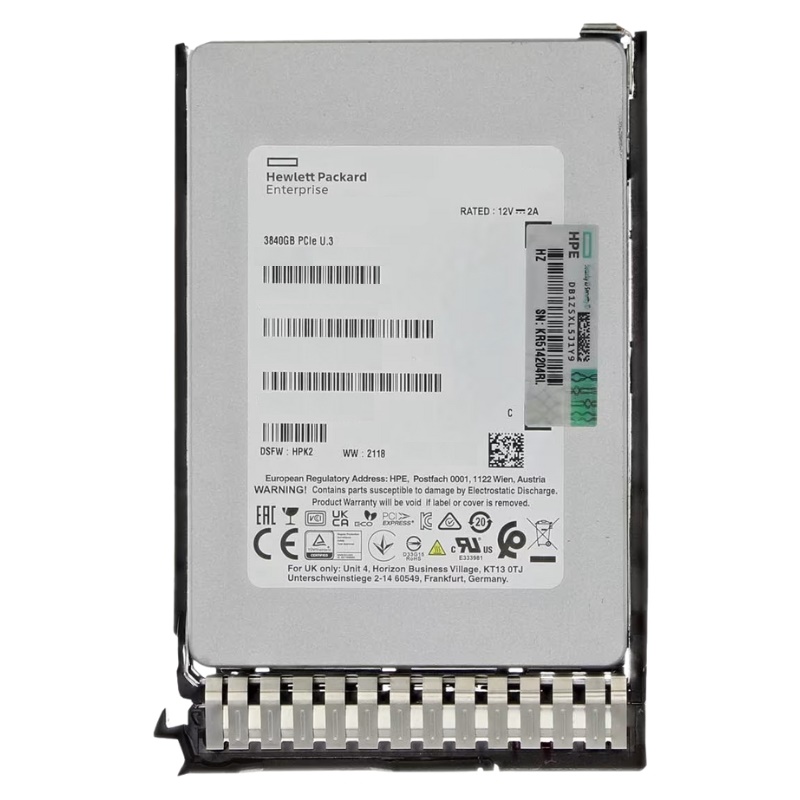


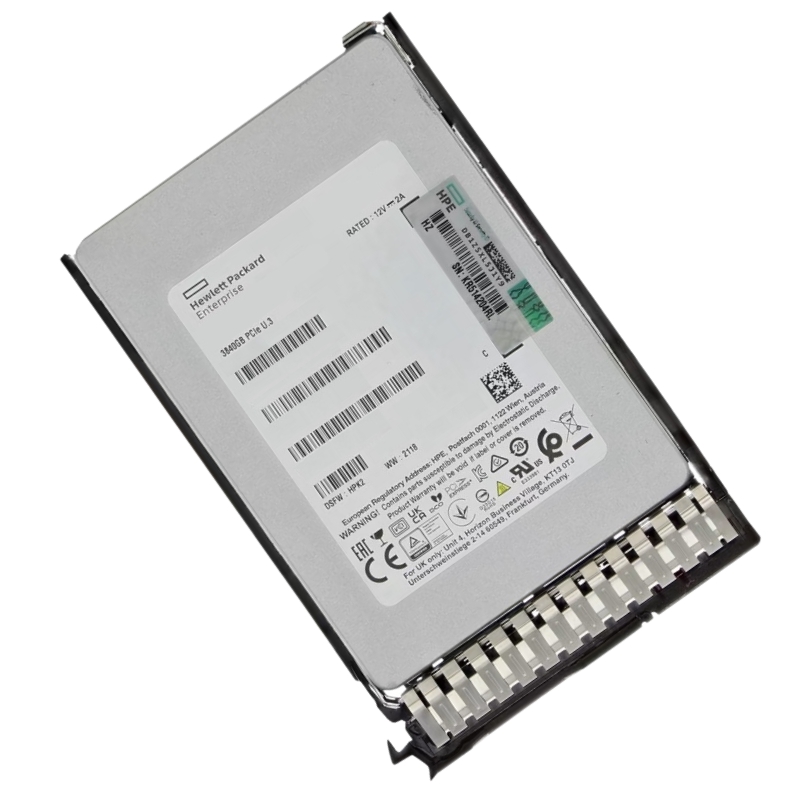
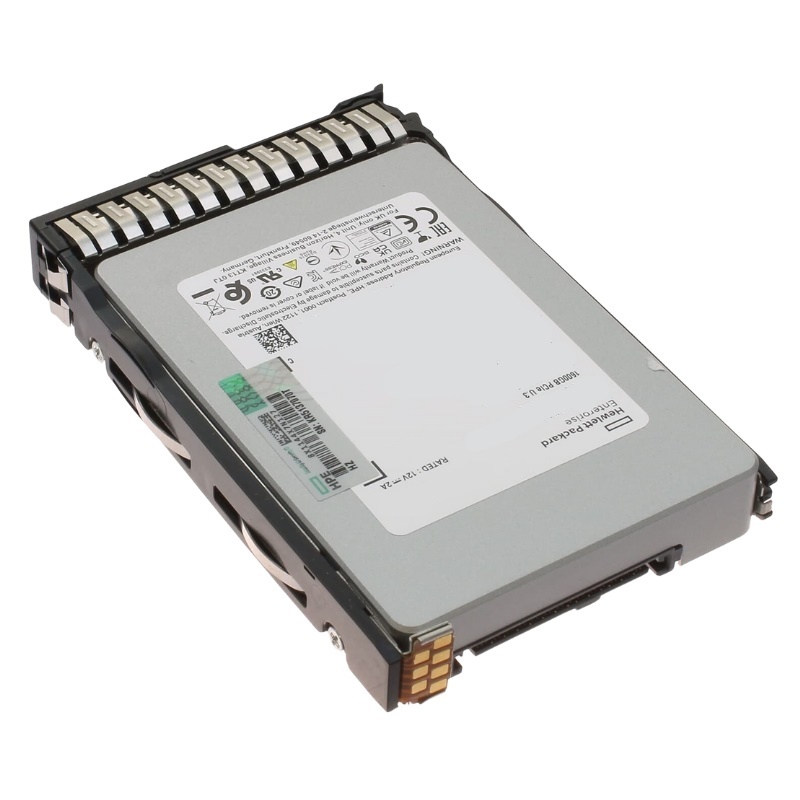
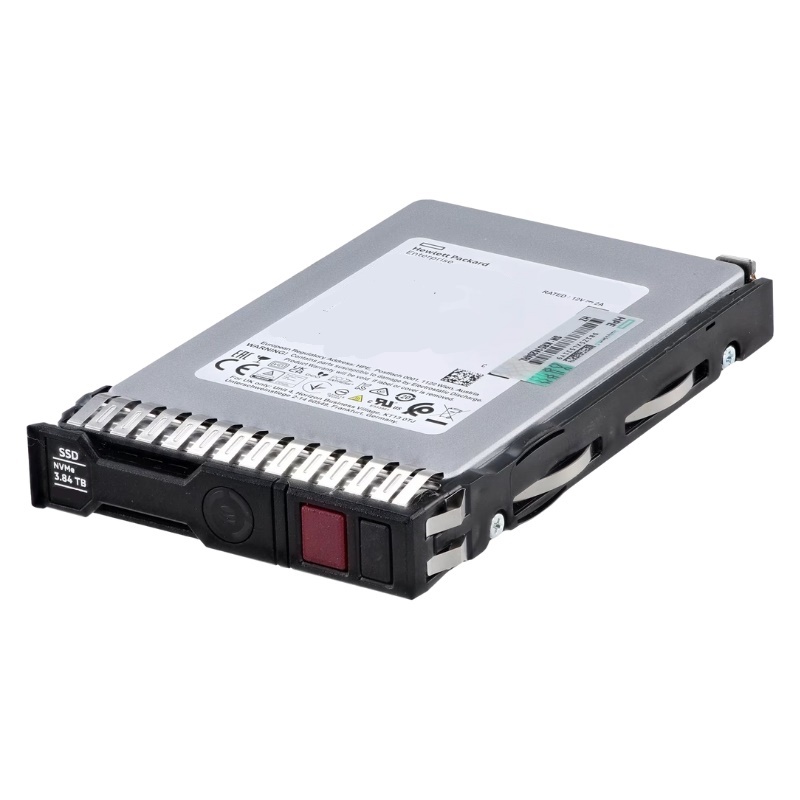
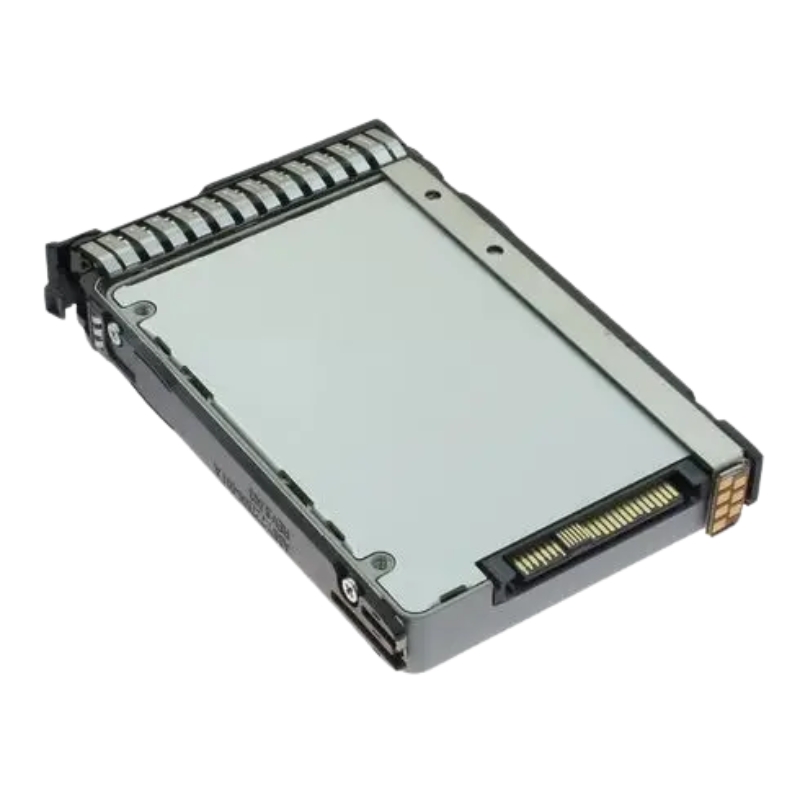
HPE P61028-001 3.84TB NVMe Gen4 High Performance Read Intensive SFF BC U.3 SSD. Factory-Sealed New in Original Box (FSB) with 3 Years Warranty
The HPE P61028-001 3.84TB NVMe Gen4 RI SFF SC U.3 SSD is a high-performance solid-state drive engineered for enterprise workloads. Designed with advanced NVMe technology, it ensures rapid data access, reliability, and scalability for modern IT infrastructures.
The HPE P61028-001 3.84TB NVMe Gen4 High Performance Read Intensive SFF BC U.3 SSD belongs to a specialized enterprise storage category engineered for data centers that demand ultra-low latency, sustained throughput, and predictable performance under read-dominant workloads. This category represents a shift away from legacy SAS and SATA interfaces toward PCIe-based NVMe technology, enabling servers to fully exploit modern multi-core processors, high-speed memory architectures, and advanced virtualization platforms. Within this category, the emphasis is on reliability, consistency, and scalability rather than consumer-oriented burst performance.
Enterprise NVMe Gen4 SSDs are purpose-built to handle intensive parallel I/O operations, making them ideal for transactional databases, real-time analytics, content delivery, and cloud-native applications. The P61028-001 is positioned within HPE’s server-validated ecosystem, ensuring compatibility and optimized operation in ProLiant Gen10 Plus and Gen11 server environments. This category prioritizes firmware maturity, endurance profiles aligned to workload characteristics, and predictable behavior across long operational lifecycles.
Read intensive enterprise SSDs are designed to maximize throughput and minimize latency in environments where read operations significantly outweigh write operations. The HPE P61028-001 exemplifies this category by balancing high-capacity NAND with optimized controller algorithms that prioritize read efficiency. This design approach allows organizations to deploy large datasets that are frequently accessed but infrequently modified, such as data warehouses, reference databases, and digital content libraries.
Within this category, endurance is carefully calibrated to match realistic enterprise usage patterns. Rather than over-provisioning write endurance that remains unused, read intensive SSDs focus on consistent performance over time, lower power consumption, and cost efficiency per terabyte. This makes them an ideal fit for enterprises seeking to scale storage performance without unnecessary expenditure on write-heavy endurance characteristics.
The NVMe Gen4 interface represents a significant leap in storage connectivity, doubling the bandwidth available compared to Gen3 implementations. SSDs in this category, including the HPE P61028-001, leverage PCIe Gen4 lanes to deliver substantially higher data transfer rates, reduced command overhead, and improved queue depth handling. These advantages are especially noticeable in multi-threaded and highly parallel workloads common in enterprise environments.
Gen4 NVMe SSDs reduce storage bottlenecks that can otherwise limit CPU utilization and application responsiveness. By aligning storage throughput with modern processor capabilities, this category enables servers to maintain balanced performance across compute, memory, and storage subsystems. The result is improved application scalability and more efficient use of data center resources.
The U.3 interface standard defines a unified connector capable of supporting NVMe, SAS, and SATA protocols within the same backplane. SSDs in this category, such as the HPE P61028-001, benefit from enhanced deployment flexibility, allowing data centers to standardize on a single backplane architecture while supporting multiple storage technologies. This flexibility simplifies infrastructure planning and reduces long-term upgrade complexity.
U.3 NVMe SSDs are particularly valuable in environments transitioning from legacy storage to all-NVMe architectures. They allow organizations to incrementally adopt high-performance NVMe storage without requiring immediate, large-scale hardware redesigns. This category supports smoother migration paths and protects existing infrastructure investments.
The small form factor, or SFF, design is a defining characteristic of this category, enabling high-density storage configurations within standard server chassis. The HPE P61028-001 utilizes a 2.5-inch SFF form factor, allowing multiple high-capacity NVMe drives to be installed in a single server node. This density is critical for data centers where rack space efficiency and thermal management are top priorities.
SFF enterprise SSDs are engineered with advanced thermal monitoring and power management features to ensure stable operation even in densely populated enclosures. This category emphasizes not only raw performance but also sustained reliability under continuous load, making it suitable for mission-critical deployments that operate around the clock.
The bootable carrier, often abbreviated as BC, is an integral part of this category’s design philosophy. By integrating the SSD into an HPE-certified carrier, the P61028-001 ensures seamless installation, hot-plug capability, and accurate status reporting through HPE management tools. This integration simplifies maintenance procedures and reduces the risk of configuration errors during deployment or replacement.
Bootable carrier designs also enhance serviceability by providing standardized indicators for drive health and activity. This category supports enterprise operational requirements where rapid identification and replacement of components are essential to minimizing downtime and maintaining service-level agreements.
Hot-plug capability is a fundamental expectation within this category, allowing SSDs to be installed or removed without powering down the server. The HPE P61028-001 supports this functionality as part of its SFF BC design, enabling uninterrupted operations in high-availability environments. This feature is especially valuable in clustered systems and large-scale deployments where uptime is critical.
By supporting hot-plug operations, enterprise NVMe SSD categories align with modern data center practices that emphasize continuous availability, rolling upgrades, and non-disruptive maintenance cycles.
The 3.84TB capacity of the HPE P61028-001 places it squarely within a strategic segment of the enterprise storage category that balances density and performance. This capacity tier is well-suited for hosting large datasets that benefit from fast access times, such as virtual machine images, application binaries, and frequently accessed analytics datasets.
Within this category, capacity planning is closely tied to performance objectives. Higher-capacity SSDs often deliver improved parallelism at the NAND level, which can enhance read performance under concurrent workloads. As a result, drives like the P61028-001 are not only about storing more data but also about sustaining performance as workload intensity increases.
Endurance characteristics in this category are optimized for read-heavy usage patterns, typically defined by a lower number of drive writes per day compared to mixed-use or write-intensive SSDs. The HPE P61028-001 is engineered to deliver consistent performance across its lifespan when deployed in appropriate workloads, reducing the total cost of ownership for enterprises with predictable access patterns.
This endurance profiling allows organizations to align storage investments with actual usage requirements, avoiding over-specification while still maintaining enterprise-grade reliability and data integrity.
Enterprise SSD categories place a strong emphasis on firmware quality, reliability features, and data protection mechanisms. The HPE P61028-001 benefits from HPE’s rigorous validation processes, ensuring compatibility with server firmware, operating systems, and management tools. This validation reduces deployment risks and enhances long-term stability.
Advanced error correction, end-to-end data path protection, and power-loss protection mechanisms are standard expectations within this category. These features safeguard data against corruption and loss, even in the event of unexpected power interruptions or hardware faults.
Quality of Service consistency is a critical metric in enterprise environments, and SSDs in this category are designed to minimize latency variation under load. The P61028-001 delivers predictable read response times, which is essential for applications that rely on consistent performance, such as transactional databases and latency-sensitive services.
By maintaining tight latency distributions, this category supports service reliability and helps organizations meet performance-related service-level objectives.
Thermal efficiency and power management are integral to the design of enterprise NVMe SSD categories. The HPE P61028-001 incorporates advanced monitoring and control mechanisms to balance performance with energy efficiency. This ensures stable operation within the thermal envelopes of dense server configurations.
Efficient power usage contributes to lower operational costs and supports sustainability initiatives within modern data centers, making this category attractive for organizations focused on both performance and environmental responsibility.
This category is tightly integrated with HPE ProLiant server platforms, enabling seamless deployment and management. The HPE P61028-001 is designed to work harmoniously with HPE Smart Storage controllers, system firmware, and monitoring tools, providing a cohesive storage solution rather than a standalone component.
Such integration simplifies lifecycle management, from initial deployment through firmware updates and eventual replacement. Enterprises benefit from a unified support model and consistent operational experience across their infrastructure.
Virtualized and cloud-native environments place unique demands on storage systems, including high concurrency, rapid provisioning, and dynamic workload shifts. SSDs in this category are optimized to handle these demands by providing fast access times and scalable performance. The P61028-001 supports dense virtualization deployments by reducing storage-related bottlenecks.
In private and hybrid cloud scenarios, this category enables efficient resource utilization and improved application responsiveness, contributing to better end-user experiences and operational efficiency.
The enterprise NVMe read intensive SSD category serves a wide range of industries, including finance, healthcare, media, and technology. The HPE P61028-001 is well-suited for applications such as online transaction processing, medical imaging repositories, streaming content delivery, and large-scale analytics platforms.
Across these use cases, the common requirement is fast, reliable access to large volumes of data with minimal latency. This category addresses those needs by combining high-speed interfaces, optimized firmware, and enterprise-grade reliability features.
Scalability is a defining characteristic of this category, enabling organizations to expand storage performance and capacity as demands grow. By adopting NVMe Gen4 SSDs like the P61028-001, enterprises position themselves to take advantage of future advancements in server and application architectures without immediate hardware replacement.
This forward-looking approach helps protect investments and ensures that storage infrastructure remains relevant as data volumes and performance expectations continue to increase.


 Contact Us
 Information
 Catalog
 Solid State Drives (SSD)
 Network Switches
 Hard Disk Drives
 HBA & Controllers
 PC & Servers
 PC & Server Memory
 CPU & Processors
 Network Routers
 Power Supplies
 Tape Drives & Libraries
 Network Devices
 Computer & Network Cables