(7% discount is applied at checkout)
Cart is empty
Your go-to destination for cutting-edge server products
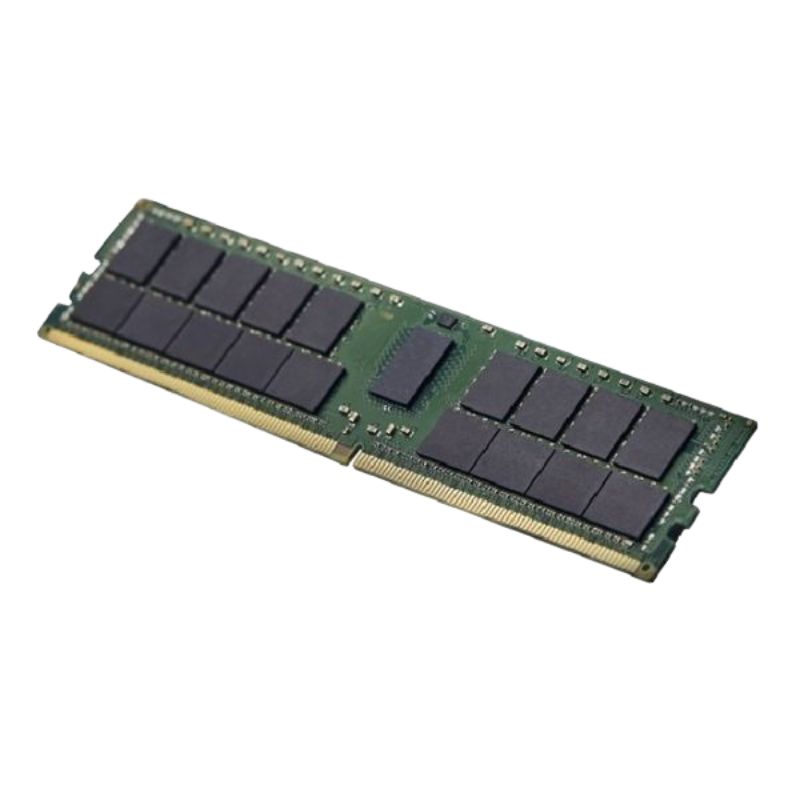


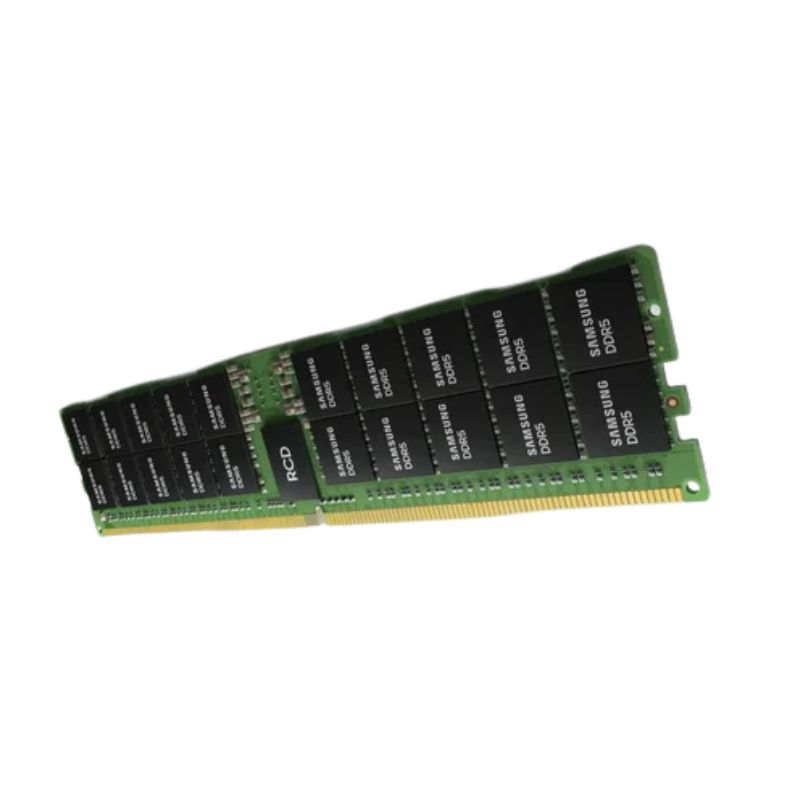
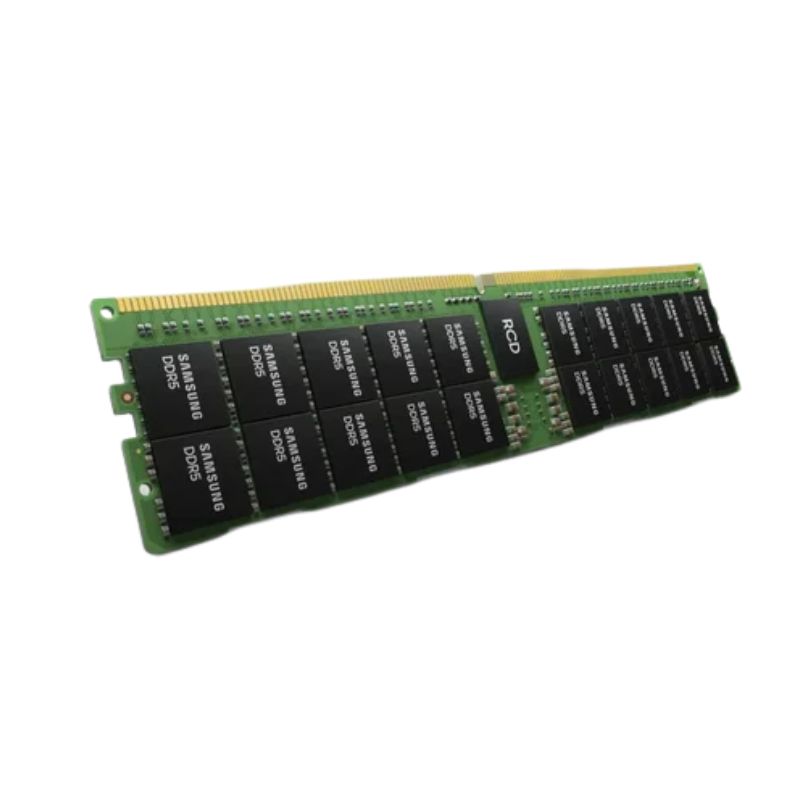
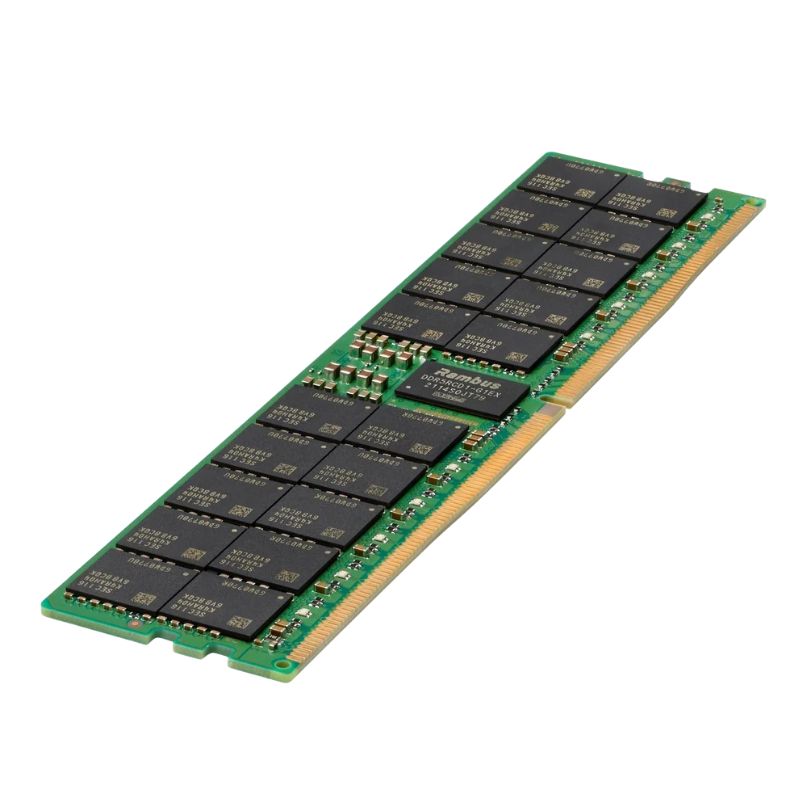
P64705-K21 HPE 16GB DDR5-5600MHz PC5-44800 1Rx8 ECC 288-pin Rdimm Smart Memory Module. New Sealed in Box (NIB) with 3 Year Warranty
The HPE P64705-K21 16GB DDR5 SDRAM Registered DIMM offers advanced performance, reliability, and scalability for enterprise-grade servers. Designed for Gen11 ProLiant platforms, this smart memory kit ensures optimized data throughput, enhanced error correction, and consistent workload efficiency.
Technical Specifications
Detailed specification breakdown
Key technical highlights
The P64705-K21 HPE 16GB DDR5-5600MHz PC5-44800 1Rx8 ECC 288-pin RDIMM Smart Memory Module category targets enterprise-class memory upgrades for HPE ProLiant and compatible server platforms that demand high bandwidth, low latency, and robust error correction. This specialized DDR5 RDIMM family offers 16GB density per module, a data rate of 5600 MT/s (PC5-44800), single-rank (1Rx8) organization, and ECC support for reliability in mission-critical deployments. The content below unpacks technical details, practical benefits, compatibility considerations, performance expectations, installation notes, and buying guidance to help IT managers, system builders, and procurement teams choose the right memory for virtualization, databases, cloud infrastructure, and high-performance computing.
DDR5-5600 increases per-channel bandwidth versus legacy DDR4 modules. That extra bandwidth accelerates memory-bound workloads—large in-memory databases, real-time analytics, big-data processing, and high-density virtualization. For environments running containerized microservices or memory-heavy caching layers, the higher throughput translates to lower response times and improved concurrency.
ECC and registered buffering (RDIMM) contribute to the stability of mission-critical servers. ECC corrects single-bit errors automatically, reducing silent data corruption risks. RDIMM registers help maintain signal integrity across multiple populated DIMM slots and higher memory capacities—critical in multi-socket configurations with heavy DIMM counts.
HPE Smart Memory is validated for HPE ProLiant servers, ensuring compatibility with BIOS/firmware features and allowing access to HPE-specific telemetry, health reporting, and firmware-driven performance optimizations. Using platform-validated modules minimizes troubleshooting and ensures the server leverages vendor tuning for stability and performance.
While the part number indicates high likelihood of compatibility with HPE systems, always verify a few critical points before finalizing a purchase. Memory compatibility is governed by server generation, CPU memory controller, BIOS/firmware versions, and motherboard design. Common compatibility checks include:
Confirm that your HPE ProLiant generation and BIOS support DDR5 RDIMM at 5600 MT/s. Older server families may require a BIOS update or may not support DDR5 at all. Consult HPE's official memory compatibility matrices or the server QuickSpecs for validated DIMM part numbers.
Memory speeds are negotiated between the DIMMs and the CPU's integrated memory controller. Different CPU SKUs (number of channels, supported DDR5 speeds) influence the maximum achievable speeds. For optimal performance, pair modules across all channels symmetrically and follow the server vendor's population rules.
HPE Smart Memory may enable advanced error reporting and health telemetry visible in the server management interface (iLO / HPE One View). Using non-validated third-party modules could disable certain Smart Memory features—an important consideration for managed environments where predictive failure analysis matters.
When planning memory upgrades, balance bandwidth, latency, and capacity against workload profiles. Below are focused considerations:
DDR5-5600 provides significant raw bandwidth increases compared to DDR4-3200 or similar. However, higher data rates can come with slightly different CAS latency numberings; practical application-level latency often improves due to higher overall throughput and improved memory subsystem efficiency. For latency-sensitive applications (real-time trading, certain HPC kernels), benchmark specific workloads.
16GB RDIMMs are ideal for mixed workloads: moderate-density virtualization hosts, database cache layers, and compute nodes requiring a balance of capacity and cost-efficiency. For memory-dense use cases (large in-memory databases, big-data processing), consider higher-density RDIMMs (32GB, 64GB, etc.) or increase module counts per server while respecting the server’s supported maximum.
Mixing DIMM ranks and densities can influence achievable speeds and memory channel balancing. Follow HPE's population guidelines: populate channels symmetrically and avoid mixing registers and load-reduced DIMMs in unsupported configurations. Single-rank 1Rx8 modules often offer broad compatibility and predictable behavior in many server platforms.
The P64705-K21 is optimized for environments where stability, moderate capacity, and higher bandwidth matter. Typical use cases include:
Virtualized hosts benefit from predictable memory behavior and ECC protection. 16GB modules allow flexible VM sizing while maintaining the ability to populate multiple DIMM slots to increase total capacity and memory channels per CPU socket—useful for consolidating many small-to-medium VMs without overspending.
Databases such as PostgreSQL, MySQL, and commercial DB engines that use platform memory caches can see throughput gains from DDR5-5600, especially under high concurrency. In-memory caches also take advantage of increased bandwidth to serve more requests with lower latency.
High-density web backends and containerized microservices require consistent memory performance. ECC and platform-validated RAM improve resiliency for services that cannot tolerate silent data errors.
ECC detects and corrects single-bit errors and reports double-bit errors, often allowing the server to log and handle issues before they escalate to data corruption. In clustered or redundant setups, monitoring tools can schedule proactive maintenance when error rates increase.
HPE Smart Memory modules may surface predictive health metrics via iLO or the HPE OneView platform. These metrics—such as corrected error counts or module temperature statistics—help IT teams preemptively replace failing DIMMs and reduce unscheduled downtime.
Like other firmware-bearing components, ensure platform management and BIOS are kept current. Firmware updates can include memory-related microcode changes that improve timing, stability, and security alongside improved telemetry integration.
Selecting the right DIMM type matters. Below is a concise comparison framed for DDR5 memory planning:
RDIMMs contain a register between the memory chips and the system memory controller, which reduces electrical load when multiple DIMMs are installed. RDIMMs strike a balance between performance and maximum scalable capacity for server environments—making them a common choice for HPE ProLiant deployments.
UDIMMs typically target desktop or entry-level server systems and lack registers. In enterprise DDR5 deployments, UDIMMs are less common due to scalability and signal integrity limitations when many DIMMs are populated.
LRDIMMs use an advanced buffer to reduce electrical load even further than RDIMMs, enabling higher capacities per slot. LRDIMMs are ideal where maximum memory capacity per system is the priority, though they may carry a higher cost and specific compatibility considerations.
Choosing the correct memory SKU requires matching the server platform, desired capacity, and budget. Consider these procurement tips:
Use HPE Quick Specs and memory compatibility lists to confirm the P64705-K21 or equivalent SKU is validated for your exact server model and CPU generation. Cross-reference part numbers against the server’s supported memory matrix.
Where possible, purchase modules as matched kits (same part number, same production batch) to reduce the risk of timing mismatches and to simplify support and warranty claims.
Enterprise memory purchased from HPE or authorized resellers often includes manufacturer warranties and access to support services. Evaluate service-level agreements (SLAs) and RMA policies when procuring in quantity.
While faster modules offer higher throughput, densities and overall platform support determine total system capacity. For many deployments, quantity of DIMMs and channel population are more impactful to total usable memory than single-module peak speed alone.
DDR5 modules include onboard power management improvements, but high-speed RDIMMs still consume measurable power and generate heat. Planning should consider:
For the most reliable results, consult HPE’s official support channels: product Quick Specs, server memory compatibility matrices, and technical whitepapers related to DDR5 implementation on HPE platforms. If working with a solutions partner or reseller, request confirmation that the P64705-K21 SKU is validated for your specific server & processor combination and ask for any recommended firmware versions or population patterns.
When planning future upgrades, track server end-of-life timelines and processor roadmap changes. DDR5 ecosystems will expand over time; consider a phased upgrade strategy where memory can be scaled by adding validated RDIMMs or migrating to higher-density modules when supported.
Before integrating P64705-K21 memory into production environments, perform compatibility checks, update system firmware, and validate with real workload tests. Maintain consistent purchasing practices—use matched modules from trusted vendors and retain spares for rapid replacement. With proper planning, HPE 16GB DDR5-5600 RDIMMs can deliver a strong balance of performance, reliability, and cost-effectiveness for modern data center and enterprise workloads.
For procurement, ask suppliers for the full part number (P64705-K21), manufacturing date codes, and warranty certificates. If you require assistance in selecting the right quantity or assembly for multi-node deployments, request a compatibility report specific to your server model and CPU family. This ensures optimal configuration and reduces the risk of post-deployment surprises.


 Contact Us
 Information
 Catalog
 Solid State Drives (SSD)
 Network Switches
 Hard Disk Drives
 HBA & Controllers
 PC & Servers
 PC & Server Memory
 CPU & Processors
 Network Routers
 Power Supplies
 Tape Drives & Libraries
 Network Devices
 Computer & Network Cables