(7% discount is applied at checkout)
Cart is empty
Your go-to destination for cutting-edge server products
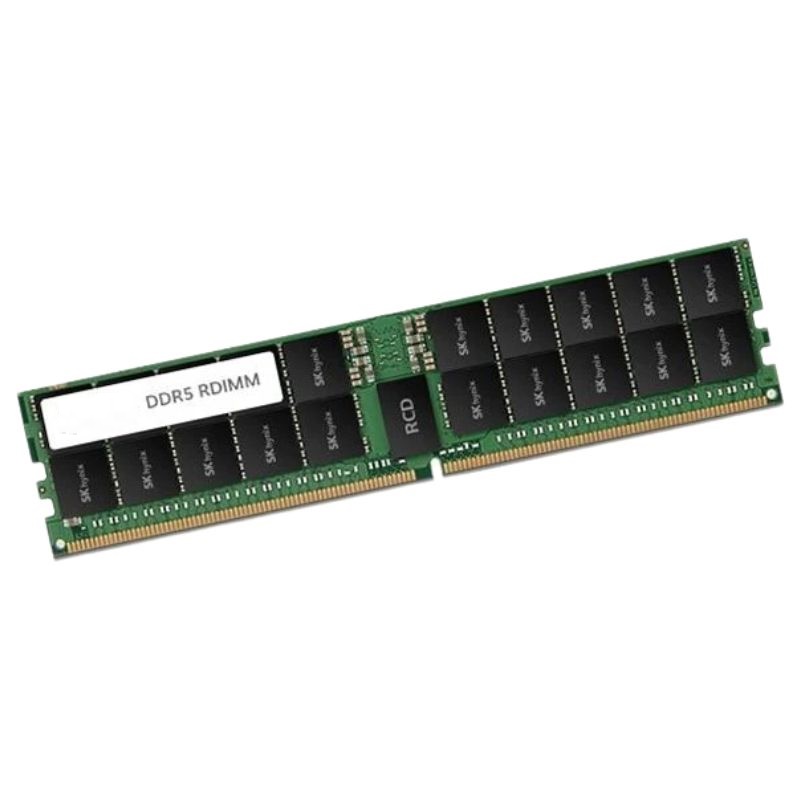


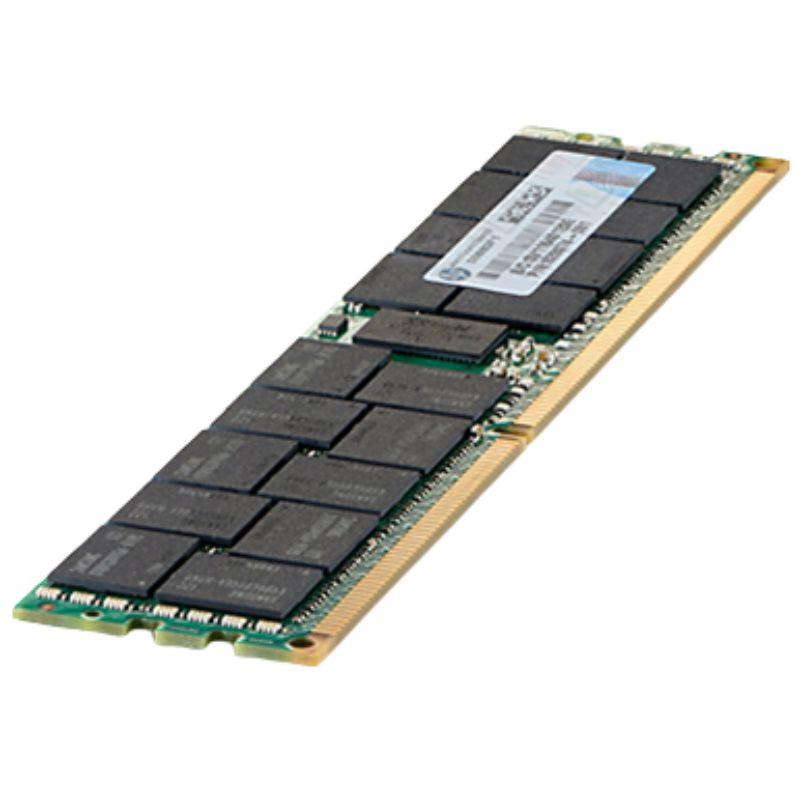
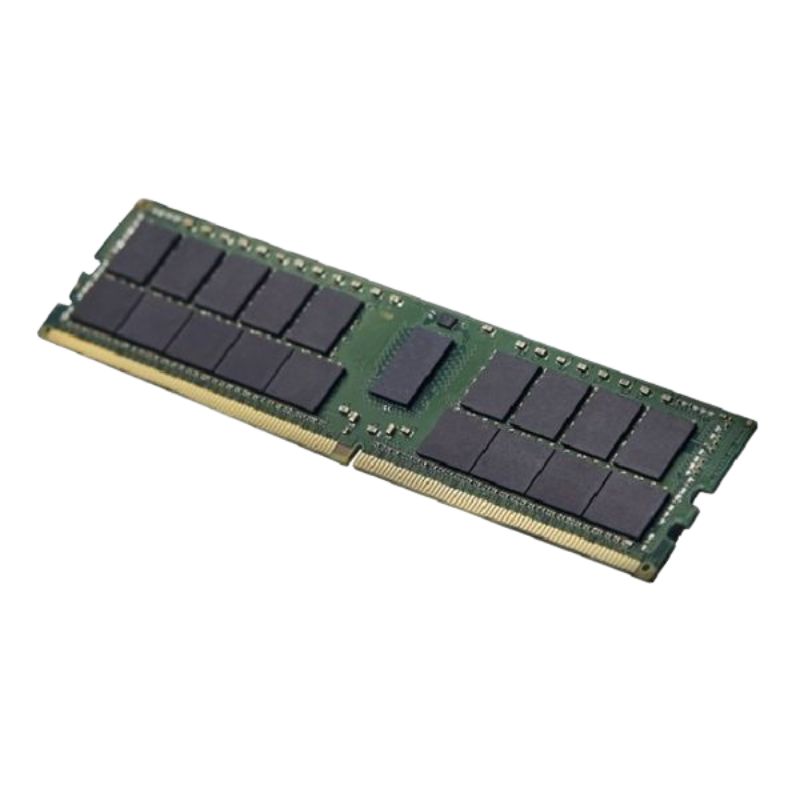
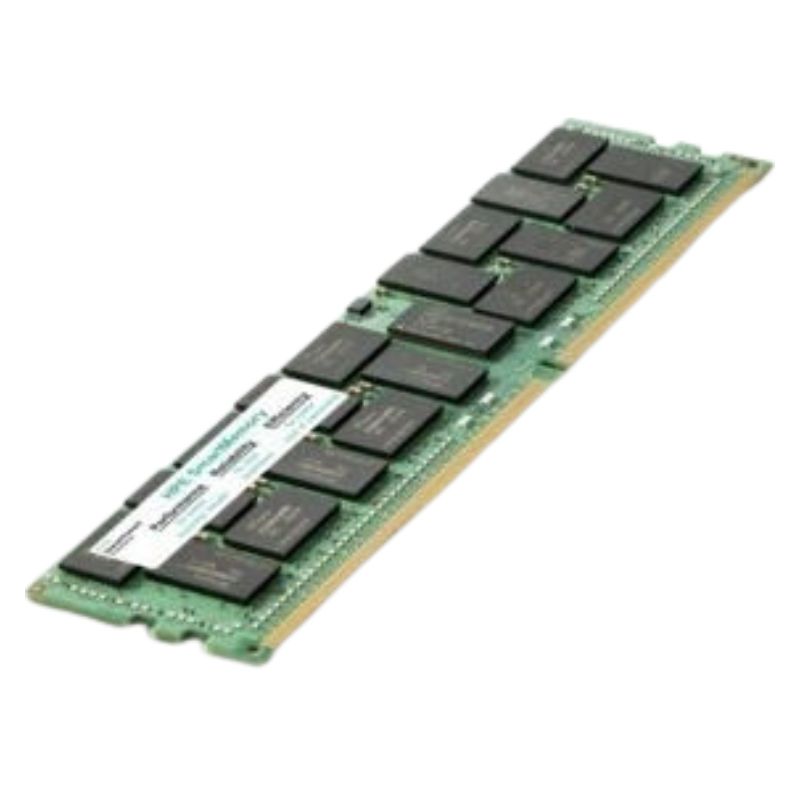
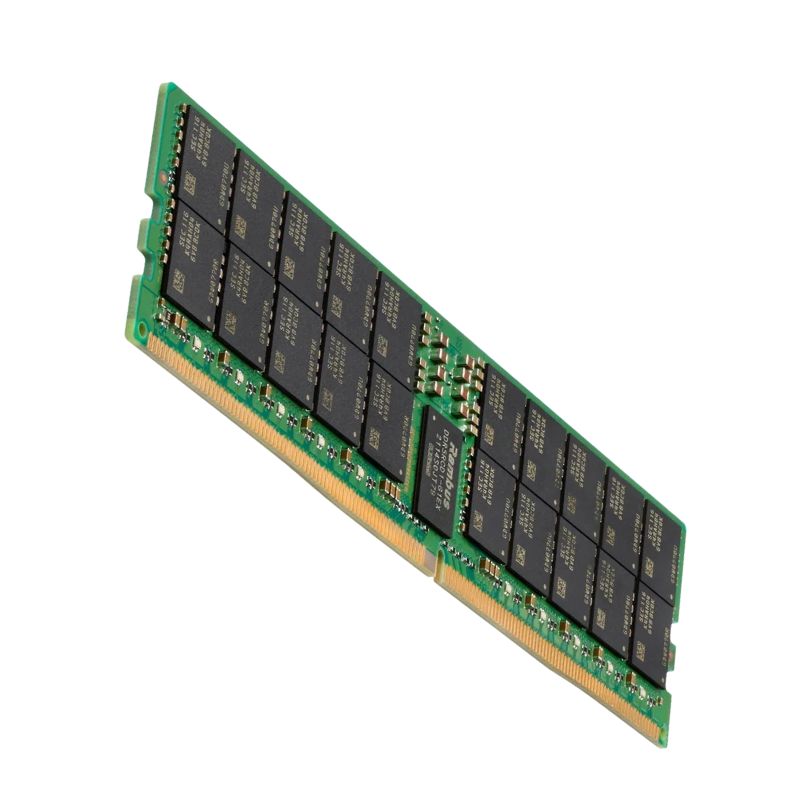
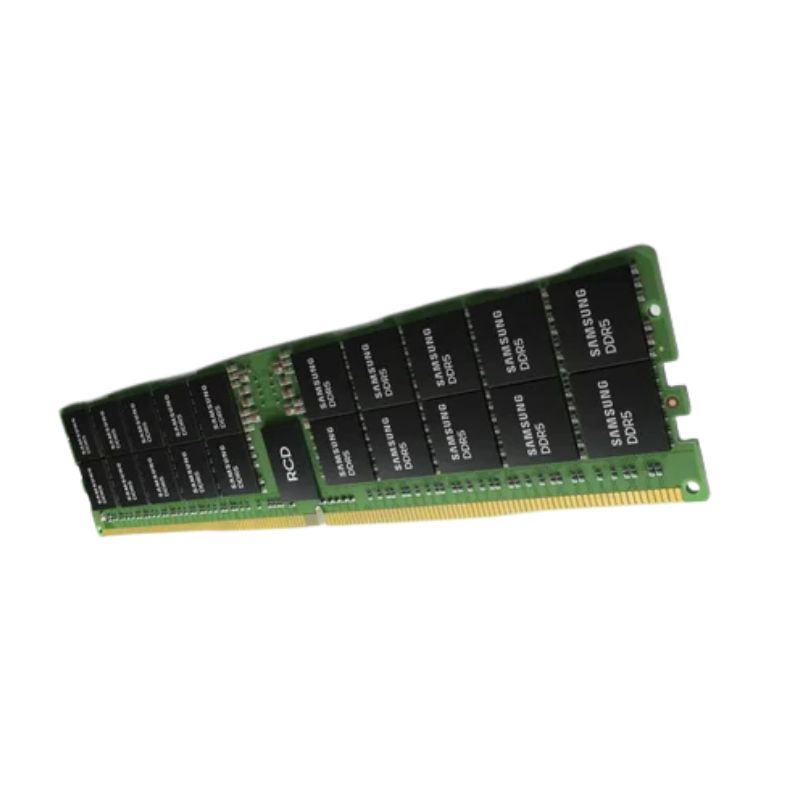
P64988-B21 HPE 128GB DDR5-6400MHz PC5-51200 2RX4 Registered 288-pin Memory Module. New (System) Pull with 1 year replacement warranty
The HPE P64988-B21 128GB DDR5-6400 Registered Smart Memory Kit is designed for demanding enterprise workloads, ensuring reliability, performance, and seamless integration with HPE servers. Built with cutting-edge DDR5 SDRAM technology, it brings faster speeds, lower latency, and greater efficiency than earlier generations of memory.
P64988-B21 HPE 128GB DDR5-6400MHz PC5-51200 2RX4 Registered 288-pin Memory Module
The P64988-B21 HPE 128GB DDR5-6400MHz PC5-51200 2RX4 Registered 288-pin Memory Module is engineered for modern server and datacenter environments where maximum capacity, predictable performance, and platform reliability are essential. This high-density DDR5 registered DIMM (RDIMM) provides a 128GB memory footprint per module and conforms to the PC5-51200 DDR5 speed grade (6400 MT/s), delivering a balance of throughput and scalability for compute-heavy workloads. Built to meet HPE quality and compatibility standards, this module is ideal for consolidation, virtualization, memory-intensive databases, in-memory analytics and any application that benefits from large persistent memory pools with ECC protection and registered signaling.
A single 128GB DIMM lets system designers and administrators maximize memory capacity without occupying as many DIMM slots. For servers with many CPU sockets or limited slot counts, high-capacity modules reduce footprint constraints, enabling:
The DDR5-6400 (PC5-51200) speed grade targets high single-thread and multi-thread throughput. At 6400 MT/s, sustained memory bandwidth is significantly higher than previous DDR4 generations, which helps latency-sensitive and bandwidth-hungry workloads
Higher transfer rates reduce memory bottlenecks, improving overall system responsiveness and enabling better CPU utilization when paired with matching platform support.
This HPE memory module supports error-correcting code (ECC), an essential feature for enterprise systems where data correctness is non-negotiable. ECC detects and corrects single-bit errors and detects multi-bit errors, protecting workloads that cannot tolerate silent data corruption—such as financial systems, medical records, scientific computations and large-scale transaction processing.
The module utilizes the standard 288-pin unbuffered physical interface typical of server DDR5 modules. Ensure your target platform explicitly supports DDR5 288-pin DIMMs and the specified voltage and speed grades to guarantee compatibility and full performance.
“2R” indicates a dual-rank memory organization. Each rank is a set of DRAM chips that the memory controller can access separately. Dual-rank modules present a different electrical profile to the memory controller and in many systems can offer better throughput per DIMM than single-rank modules because the controller can interleave accesses between ranks.
“x4” refers to the internal data bus width of the DRAM chips on the module. x4 chips have narrower internal data width but are commonly used in server memory because they facilitate high-density configurations. Combined with ECC and register buffering, x4 organizations enable larger capacities such as 128GB while maintaining error detection/correction across many DRAM devices.
Although labeled with an HPE part number, it is important to match the P64988-B21 module against your specific server model’s memory compatibility list (QVL). HPE certifies memory combinations for particular server families and BIOS/firmware versions; using modules listed on the vendor’s QVL ensures tested interoperability, correct speed negotiation, and supported configurations for fault tolerance and performance. Always consult HPE documentation or your reseller for validated configurations and supported DIMM slot population rules.
DDR5 introduced advanced on-die features and memory controller training sequences. When deploying high-density 128GB RDIMMs, systems will perform memory training at boot to set timings, voltages, and gear modes. Keep firmware up to date to benefit from memory training improvements and any platform-specific optimizations delivered by HPE.
Mixing RDIMMs of different capacities, ranks, or speed grades is possible in many systems but can lead to the memory operating at the speed of the slowest module or altered channel interleaving. For predictable results and maximum performance, deploy matched sets or follow manufacturer guidance on supported mixed-population configurations.
Virtualized environments (VMware ESXi, Microsoft Hyper-V, KVM, etc.) benefit from larger host memory pools. 128GB modules enable hosts to run more VMs with larger memory allocations per VM, improving consolidation ratios and reducing the number of physical servers needed to deliver the same VM capacity.
Databases designed for in-memory or heavy caching, SAP HANA, in-memory instances of PostgreSQL or MySQL) gain immediate benefit from expanded module capacity. Larger contiguous memory regions allow entire datasets or indexes to reside in RAM, dramatically lowering I/O latency and increasing transaction throughput.
Analytical engines and machine learning workloads that ingest sizable datasets require both bandwidth and capacity. High-capacity RDIMMs let data scientists and engineers keep larger training sets in memory, reduce the need to shard data across nodes and speed up iterative machine learning model development and large-scale simulations.
Mission-critical applications in finance, healthcare, telecommunications and public sector environments require robust memory with ECC and registered buffering for data integrity and uptime. The P64988-B21 module fits into resilience designs that prioritize error detection, correction, and predictable operation under heavy load.
DDR5 modules—especially high-density ones—consume different power profiles than DDR4. When populating multiple 128GB DIMMs in a server, account for increased thermal load within the chassis. Ensure adequate airflow, follow chassis thermal limits, and confirm that system cooling is rated for the intended DIMM population to avoid thermal throttling or shortened component life.
Modern DDR5 DIMMs may implement PMICs (power management ICs) on the module itself. This improves voltage regulation at the DIMM level but shifts some thermal and power planning responsibilities to the module. Check platform documentation for supported voltage ranges and any special considerations for modules with onboard PMICs.
After installation, monitor system logs (ILO or iDRAC equivalents), platform health indicators, and OS-level memory diagnostics for ECC events or predictive failures. HPE management tools often report DIMM presence, size, rank information, and any corrective actions taken by ECC; use these reports for proactive maintenance.
Planning for capacity expansion should account for available DIMM slots, platform maximum certified memory, and expected future workload growth. High-density modules such as 128GB RDIMMs provide a path to extend a server’s usable life by supporting larger memory footprints without adding servers.
EEC and registered buffering contribute to data protection at the memory level. For environments that require compliance with stringent data integrity standards, choose modules that support the platform’s full set of error detection and mitigation features. Combine DIMM-level ECC with OS-level integrity checks and application-level resilience strategies for layered protection.
Purchase through reputable channels to avoid counterfeit components. HPE-branded modules from authorized distributors typically include serial numbers and traceability that simplify warranty claims and support verification. Counterfeit or mismatched modules risk incompatibility, increased failure rates, and potential data integrity issues.
RDIMM uses a register to buffer command and address lines, while LRDIMM further reduces electrical load by buffering both command/address and data lines. LRDIMM can allow higher densities in certain platforms but must be supported by the server. Choose RDIMM (like the P64988-B21) where it is the recommended module type for your platform.
Server memory architecture uses multiple channels and slots to maximize bandwidth and parallelism. Each CPU socket typically exposes several memory channels, each of which supports one or more DIMM slots. When deploying 128GB RDIMMs, administrators should follow the server’s documented population order to preserve dual- or quad-channel interleaving and to achieve the best mix of latency and throughput.
ECC correctable events are often logged and may be categorized by severity. Persistent or increasing correctable errors may precede uncorrectable errors or module failure—monitor logs and set up alerting thresholds. For critical systems, enable vendor-provided monitoring agents that report DIMM health and predictive failure indicators to your central management console.


 Contact Us
 Information
 Catalog
 Solid State Drives (SSD)
 Network Switches
 Hard Disk Drives
 HBA & Controllers
 PC & Servers
 PC & Server Memory
 CPU & Processors
 Network Routers
 Power Supplies
 Tape Drives & Libraries
 Network Devices
 Computer & Network Cables