(7% discount is applied at checkout)
Cart is empty
Your go-to destination for cutting-edge server products
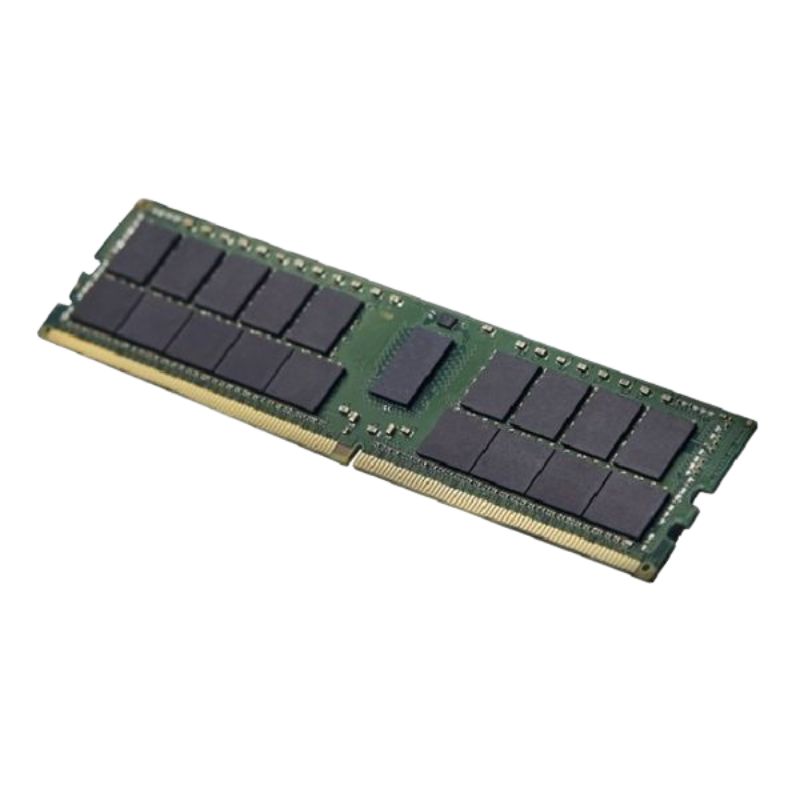


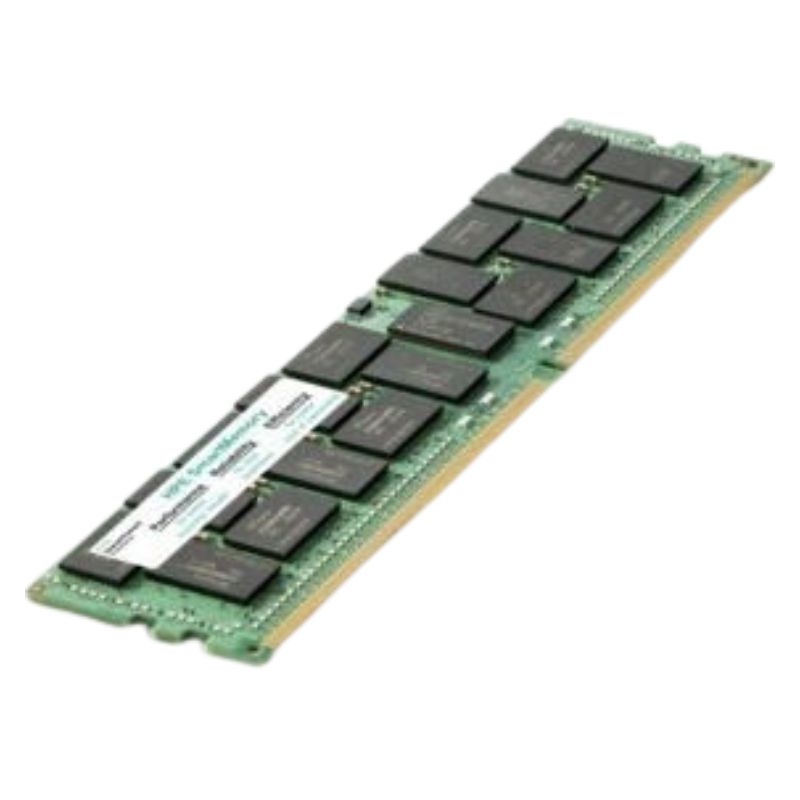
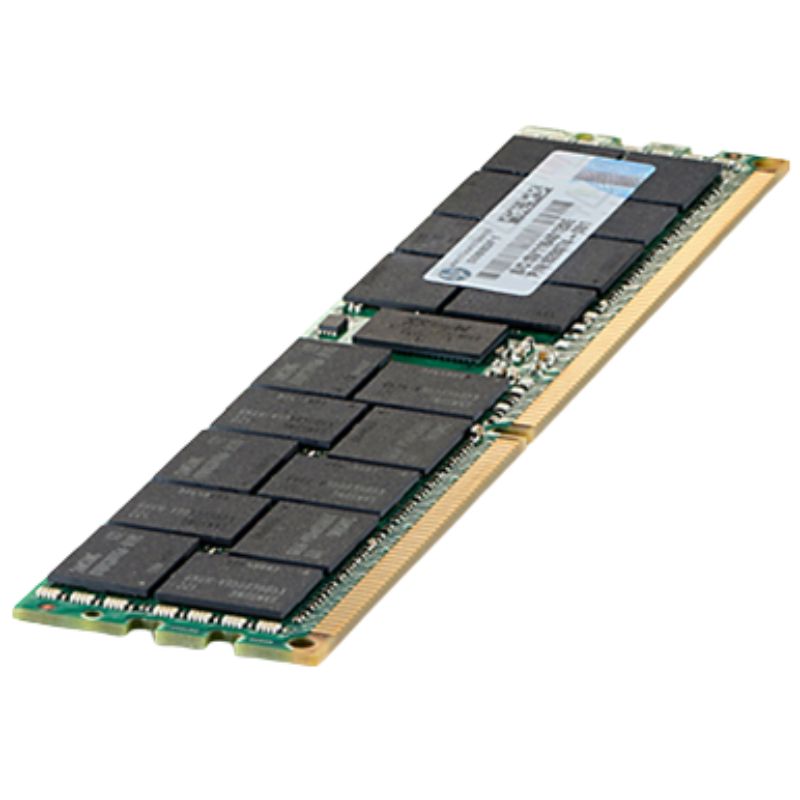
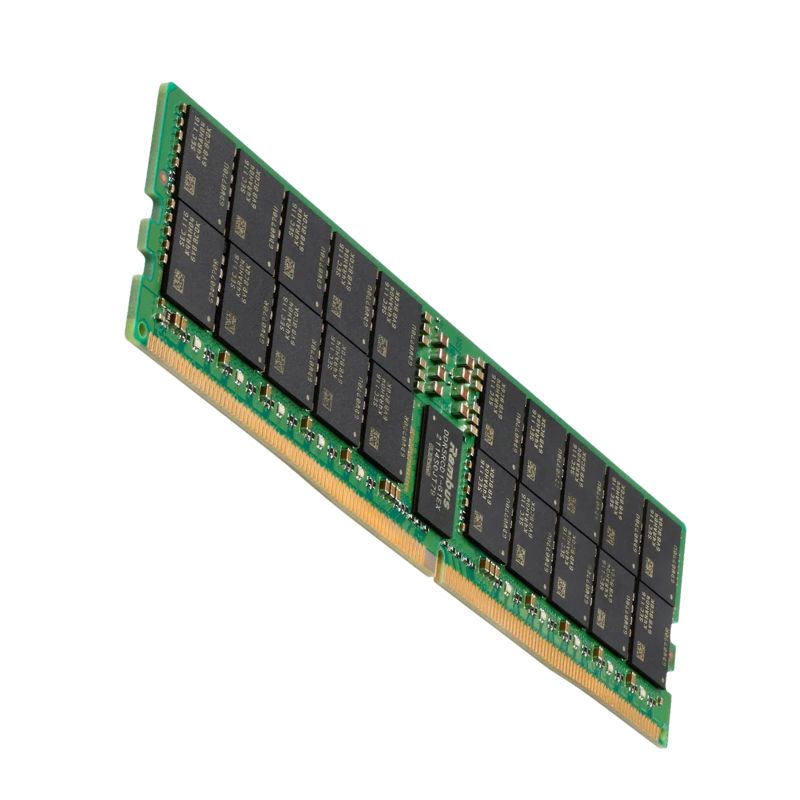
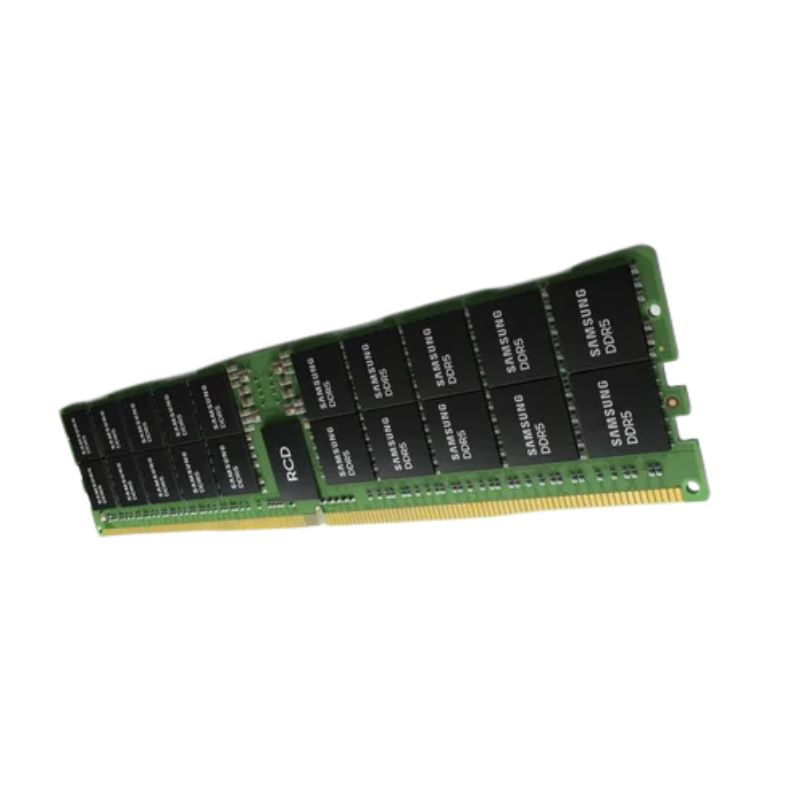
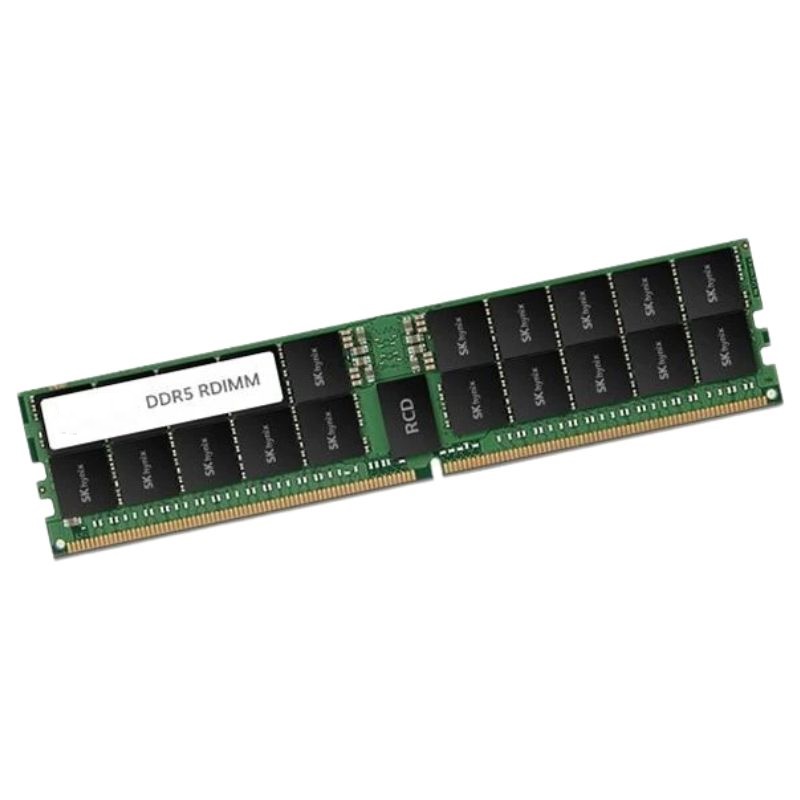
P64988-H21 HPE 128GB PC5-51200 DDR5-6400MHz Registered Dual Rank Smart Memory Module. New (System) Pull with 1 year replacement warranty
The HPE P64988-H21 128GB (1x128GB) DDR5-6400 Registered Dual Rank Smart Memory Module is designed to deliver outstanding speed, reliability, and efficiency for enterprise-grade server environments. This advanced DDR5 module helps businesses improve workload management, accelerate data-intensive tasks, and enhance system responsiveness while maintaining optimal power efficiency at just 1.1V.
The HPE P64988-H21 128GB memory kit is ideal for high-density computing environments. It is particularly well-suited for:
The P64988-H21 HPE 128GB PC5-51200 DDR5-6400MHz Registered Dual Rank Smart Memory Module is a high-capacity, enterprise-grade DRAM component engineered for modern HPE ProLiant servers and mission-critical platforms that demand exceptional bandwidth, robust error correction, and scalable memory density. Designed to meet the needs of virtualization, in-memory databases, analytics, and cloud-native workloads, this module leverages DDR5 technology and HPE Smart Memory capabilities to deliver improved throughput, power efficiency, and system reliability.
A dual-rank module presents two sets of DRAM chips that the memory controller addresses alternately. Compared with single-rank DIMMs, dual-rank modules often provide higher effective memory capacity and sometimes improved rank interleaving, which can increase throughput in multi-threaded and memory-bound workloads.
Registered modules include a register between the DRAM and the memory controller that buffers command and address signals. This buffer reduces electrical loading on the memory bus, enabling systems to populate more DIMMs per channel and support denser memory configurations while improving signal integrity and maintainability—essential qualities for enterprise servers running heavy, concurrent workloads.
ECC (Error-Correcting Code) is a must for server environments. The P64988-H21 supports on-module ECC and integrates with system-level ECC mechanisms to detect and correct single-bit errors and detect multi-bit errors. Coupled with HPE’s proactive health telemetry, this improves uptime and reduces silent data corruption risk.
DDR5-6400 modules offer significantly higher raw bandwidth than prior DDR4 generations. For bandwidth-bound workloads — large database scans, analytical queries, machine learning training, and high-performance I/O tasks — the PC5-51200 throughput translates into measurable improvements. Latency characteristics can vary based on system BIOS settings, memory interleaving, and platform memory topology; nonetheless, many enterprise workloads benefit more from the increased parallelism and throughput than from modest changes in absolute latency.
P64988-H21 is built specifically for HPE server platforms that list DDR5 RDIMM support. Before purchasing, verify system firmware (BIOS/iLO) revision and the server model’s maximum supported memory speed and capacity per slot. HPE Smart Memory improves the likelihood of automatic recognition and optimal operation, but compatibility matrices should always be consulted for complete system-level validation.
For cloud providers and enterprises running dense virtualization stacks, increasing per-node RAM to 128 GB DIMMs enables higher consolidation densities. The cost-per-guest falls and fewer physical hosts are required to support the same workload footprint.
In-memory analytics platforms and modern databases (such as SAP HANA, Redis Enterprise, and large-scale columnar engines) benefit from both high capacity and DDR5 bandwidth. Reducing the need to flush data to disk results in lower query latencies and improved throughput.
Data-parallel models and scientific workloads that transfer large matrices or tensors between CPU and memory can use DDR5-6400’s bandwidth to minimize memory-induced bottlenecks. For mixed CPU/GPU systems, faster host memory may also improve data preprocessing and CPU-bound stages of the pipeline.
P64988-H21 DDR5 introduces architectural power-saving features compared to DDR4, including more efficient on-die voltage regulation and improved refresh schemes. While raw frequency increases power consumption, improvements in per-bit energy efficiency often mean better performance per watt for DDR5-6400 when compared to older memory standards at a system level.
High-speed, high-capacity RDIMMs can run warmer than standard consumer modules. Many enterprise servers use passive airflow designs and thermal management features; still, ensure adequate chassis airflow and follow server manufacturer guidelines for DIMM spacing and cooling optimization.
The 288-pin DIMM form factor is industry-standard for DDR5 server memory. Robust PCB design and lead-free soldering ensure mechanical reliability across thousands of insertion/removal cycles, important for serviceability in enterprise environments.
ECC and HPE Smart Memory telemetry help maintain data integrity and detect failing components early. Error logging integrated with server management (e.g., iLO) allows proactive replacement before catastrophic failures occur — an important consideration for GDPR, HIPAA, and other compliance-related data environments.
For enterprise deployments, purchasing from authorized HPE resellers or verified distributors mitigates counterfeit risks. Ensure modules include proper labeling, serial numbers, and HPE part numbers to facilitate support and warranty claims.
Enterprise memory modules typically comply with international environmental regulations like RoHS (Restriction of Hazardous Substances) and REACH. Confirm compliance statements when procuring for regions with strict environmental regulations.
Although higher-speed DIMMs may draw slightly more power, DDR5’s architectural improvements often yield better performance-per-watt. When planning large-scale rollouts, calculate the incremental power and cooling requirements for the data center to maintain efficiency and capacity planning.
Serial Presence Detect (SPD) profiles on HPE Smart Memory are tuned for HPE platforms and may include multiple timing/voltage profiles, enabling firmware to negotiate optimal operation for stability or performance modes. Advanced administrators can consult HPE platform documentation for tuning options and validated memory speed bins.
Rank interleaving allows the memory controller to schedule transactions across ranks, improving command throughput and reducing stalls. When designing a memory configuration, consider both the number of populated ranks and how ranks are distributed across channels to optimize throughput for your workload profile.
The memory subsystem distinguishes between correctable errors (CEs) and uncorrectable errors (UEs). CEs are typically single-bit errors corrected by ECC; repeated CEs can indicate a degrading module that should be replaced. UEs indicate multi-bit failures and often lead to system alerts or faults. HPE systems can log both and initiate automated health actions when integrated with management tools.
For workloads requiring large single-node memory, populate available DIMM slots with 128GB modules to reach maximum socket capacity with fewer physical modules. This simplifies maintenance and can reduce inter-module interference while delivering maximum in-memory capacity.
When rolling out across many nodes, standardize on a validated part (such as P64988-H21) to simplify inventory, firmware validation, and warranty handling. Bulk procurement through authorized channels also helps secure consistent replacement parts and support SLAs.
For mixed strategies, combine higher-density memory in database-heavy nodes with lower-density, cost-optimized nodes for stateless or edge services. This allows cost-sensitive scaling while preserving high-memory nodes for the most memory-hungry workloads.
A VDI host running hundreds of virtual desktops benefits from 128GB RDIMMs because they let administrators allocate larger VM memory pools and reduce the number of physical servers needed for the same seat count. Combine 128GB DIMMs across channels to maximize user density and responsiveness during peak boot storms.
Prior to full roll-out, validate memory kits in staging environments, run stress tests (memtest variants, vendor diagnostics), and measure workload performance to ensure the upgrade delivers expected benefits without regression in stability or latency-sensitive tasks.
Tag DIMMs with serial numbers in asset management systems, align firmware revisions across server fleets, and retain a small pool of spare validated modules to accelerate recovery from failures and maintain uptime SLAs.


 Contact Us
 Information
 Catalog
 Solid State Drives (SSD)
 Network Switches
 Hard Disk Drives
 HBA & Controllers
 PC & Servers
 PC & Server Memory
 CPU & Processors
 Network Routers
 Power Supplies
 Tape Drives & Libraries
 Network Devices
 Computer & Network Cables