(7% discount is applied at checkout)
Cart is empty
Your go-to destination for cutting-edge server products
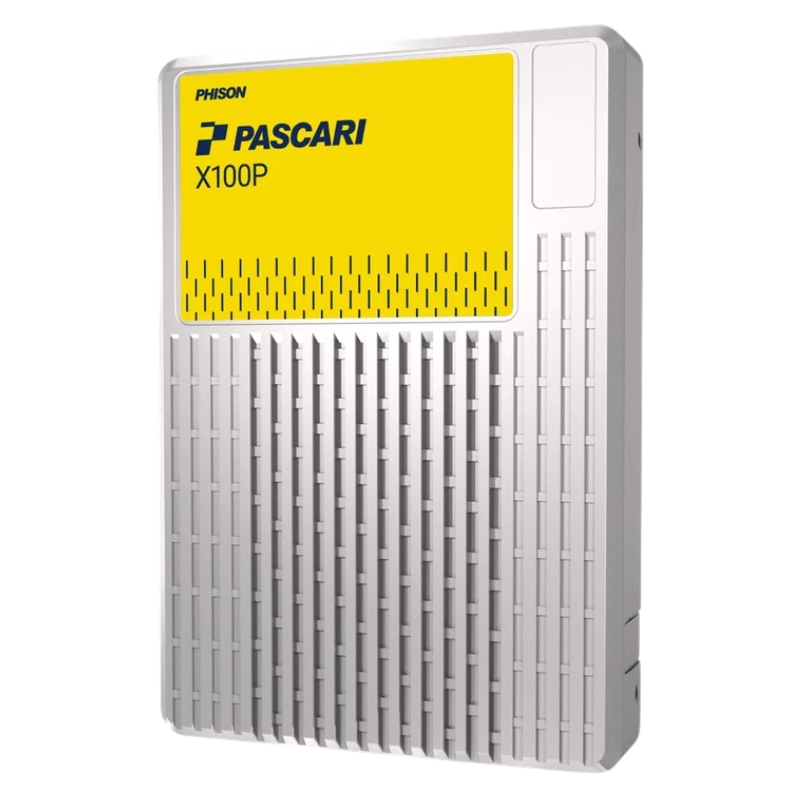


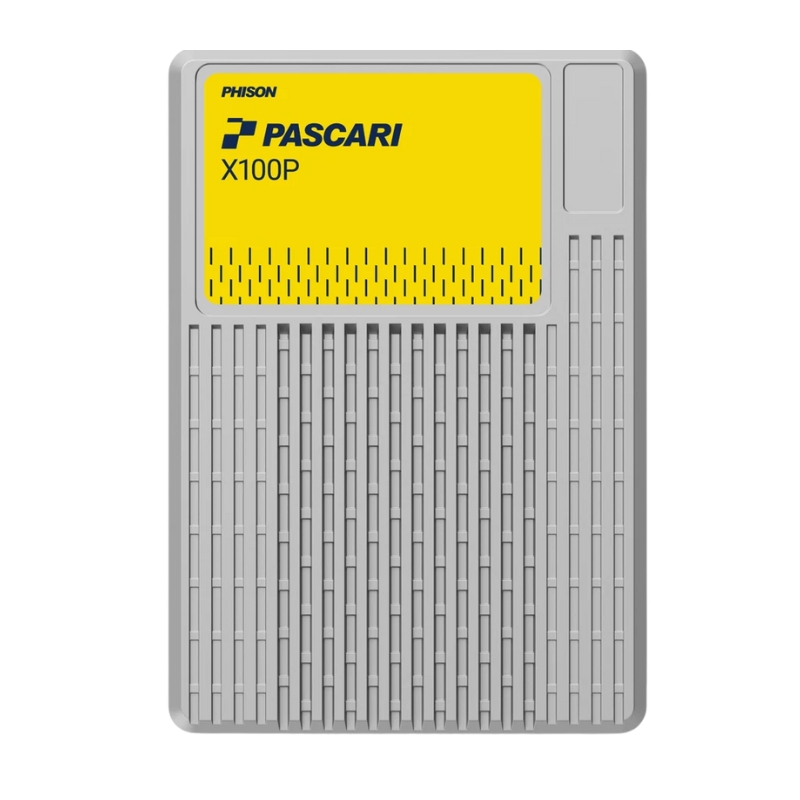
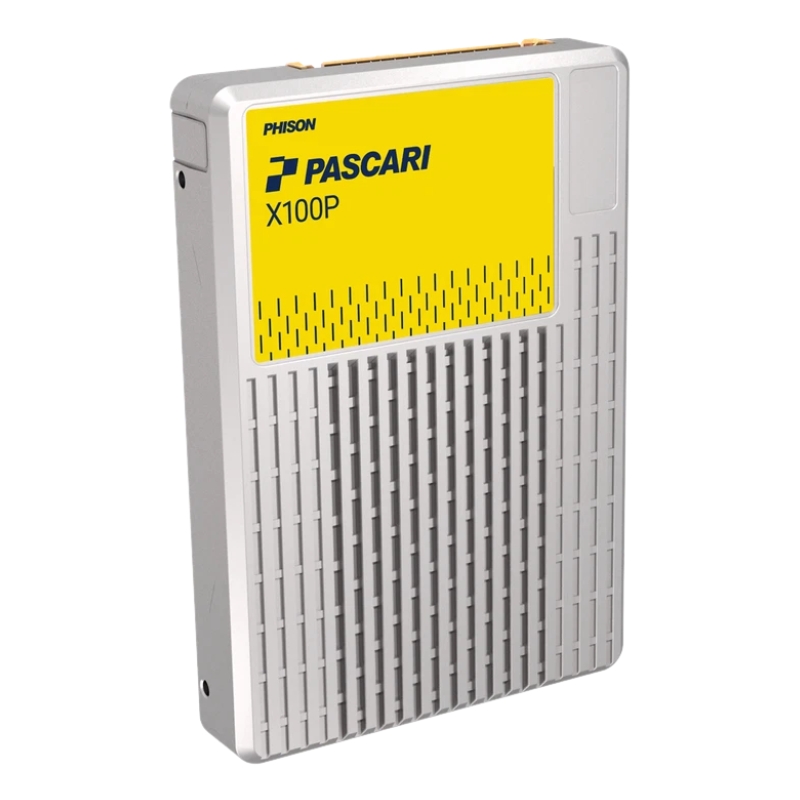
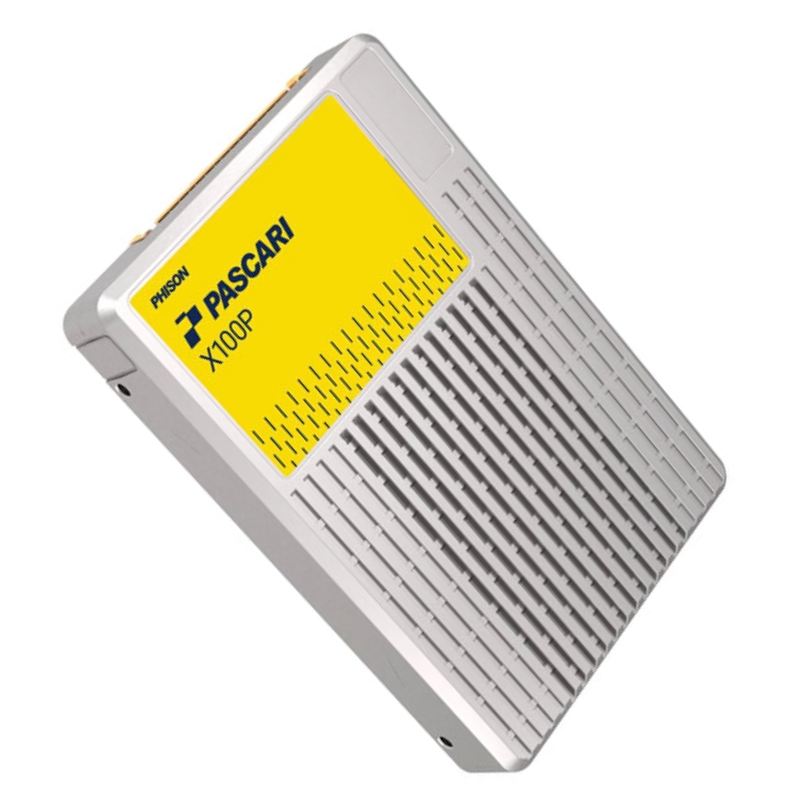
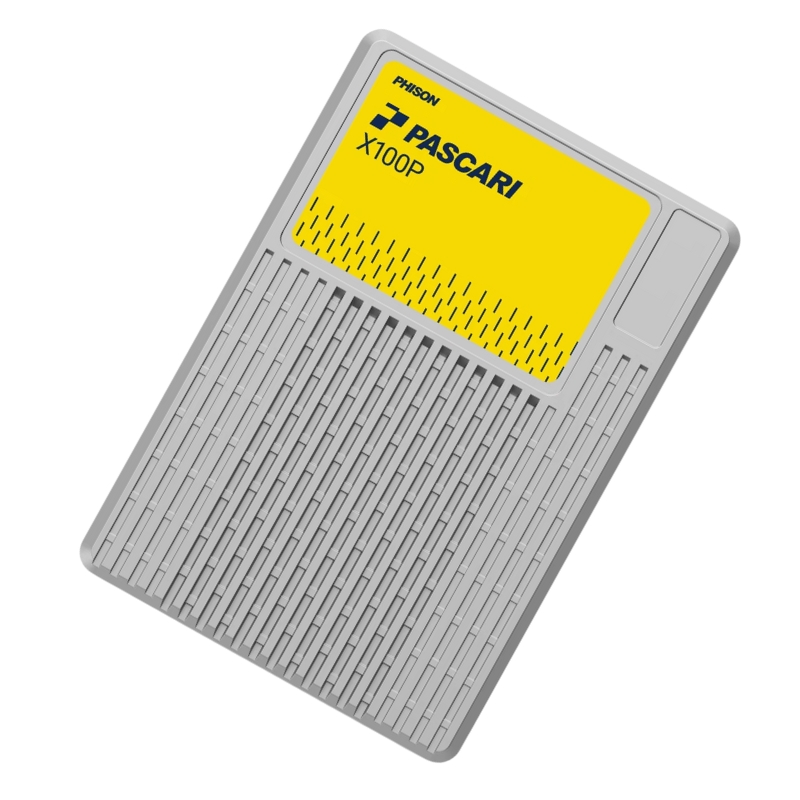
Phison XP106H017T68P028T1900 Pascari X100P 7.68TB PCI-Express 4.0 x4 U.2 Single Port Non-opal Solid State Drive. New Sealed in Box (NIB) with 3 Years Warranty
The Phison Pascari X100P series represents a pinnacle of enterprise solid-state storage, engineered for data centers requiring uncompromising performance, immense capacity, and unwavering reliability. The model XP106H017T68P028T1900, a 7.68TB U.2 form factor drive, is a cornerstone of this lineup. Built around the potent Phison PS5018-E18 controller and leveraging advanced 3D TLC NAND, this SSD delivers sequential read speeds soaring up to 7,000 MB/s and write speeds up to 6,800 MB/s. Designed explicitly for the PCI-Express 4.0 x4 interface, it saturates the bandwidth available to modern servers and storage arrays, dramatically accelerating data-intensive applications from real-time analytics.
In the realm of high-performance data centers, cloud computing, and enterprise storage arrays, the demand for storage that can keep pace with lightning-fast CPUs and expansive memory pools is relentless. The Phison XP106H017T68P028T1900, marketed as the Pascari X100P 7.68TB PCIe 4.0 U.2 SSD, stands as a formidable answer to this challenge. Engineered for maximum throughput and consistent low-latency performance, this solid-state drive represents a critical component for workloads where every microsecond counts and data integrity is paramount. As a U.2 form factor drive leveraging the PCI-Express 4.0 x4 interface, it delivers the high-speed, high-capacity, and robust storage required for the most demanding applications.
The core of the XP106H017T68P028T1900 Pascari X100P's performance capability lies in its adherence to the latest interface standards. This section delves into the technological bedrock that enables its speed and integration.
Doubling the bandwidth of the previous PCIe 3.0 generation, the PCIe 4.0 interface provides a data transfer rate of up to 16 GT/s (Giga Transfers per second) per lane. With four lanes (x4) dedicated to storage communication, the drive enjoys a theoretical maximum bidirectional bandwidth of approximately 8 GB/s. This immense pipeline is essential for saturating the capabilities of modern NAND flash and controller technology, ensuring that the drive is not bottlenecked by its connection to the host system. It allows for faster data ingest, quicker database queries, and reduced times for large-scale data analytics.
The U.2 form factor, defined by the SFF-8639 specification, is a 2.5-inch drive design that supports both SAS and NVMe protocols over a single connector. For the Pascari X100P, it utilizes the NVMe over PCIe pathway. The U.2 design is favored in enterprise and data center environments for several key reasons. It facilitates efficient cooling in dense server configurations, as the 2.5-inch footprint allows for better airflow management compared to add-in cards. Crucially, it supports native hot-swap functionality, meaning the drive can be installed or replaced without powering down the entire server—a non-negotiable feature for maintaining uptime in 24/7 operations.
The drive utilizes a single-port U.2 connector, ensuring a direct, point-to-point connection to the PCIe root complex for optimal performance. Its physical dimensions conform to the standard 2.5-inch form factor, with a thickness of 15mm. This 15mm z-height is common for high-capacity enterprise SSDs, as it accommodates the necessary NAND packages and other components to achieve large storage volumes like 7.68TB.
Beyond the interface, the drive's measurable performance metrics define its place in the storage hierarchy. The Pascari X100P is built for sustained, high-throughput operations.
This drive is optimized for sequential data access patterns common in large file transfers, video streaming, and data warehousing. It delivers exceptional sequential read speeds, capable of reaching up to 7,000 MB/s under optimal conditions. Sequential write performance is equally impressive, designed to handle large, sustained data writes without significant performance degradation. These figures ensure that data-intensive tasks are completed in a fraction of the time required by SATA or PCIe 3.0-based alternatives.
For transactional databases, virtualization, and server boot drives, random input/output operations per second (IOPS) are the critical metric. The Pascari XP106H017T68P028T1900 X100P excels in providing high random IOPS, particularly for read-heavy workloads. With a focus on low queue depth performance, it ensures responsive system behavior even when not under maximum load. The random write IOPS are robust, engineered to maintain consistency under prolonged write stress, a key differentiator for enterprise-grade NAND management and controller firmware.
Enterprise environments require predictable performance. The drive is engineered for consistently low latencies, both in read and write operations. Advanced controller algorithms and high-quality NAND contribute to stable Quality of Service (QoS), minimizing performance variability. This is often quantified by metrics like 99.9% or 99.99% read latency, ensuring that the vast majority of operations complete within a tightly bounded time frame, which is vital for real-time applications and service level agreements (SLAs).
The 7.68TB capacity point is a strategic offering in the enterprise SSD market, balancing density, performance, and endurance.
This capacity is achieved through the use of high-density 3D TLC (Triple-Level Cell) or possibly QLC (Quad-Level Cell) NAND flash memory, though enterprise drives often favor TLC for its superior endurance and sustained performance. The stated 7.68TB is the user-accessible capacity after accounting for any necessary over-provisioning—a portion of NAND set aside and not visible to the host, which is used by the controller for garbage collection, wear leveling, and bad block management. This over-provisioning is a critical factor in maintaining the drive's performance and longevity over its entire lifespan.
The Phison controller employs a suite of advanced NAND management techniques. These include aggressive wear leveling to distribute write cycles evenly across all memory cells, advanced error correction codes (ECC) like LDPC (Low-Density Parity Check) to ensure data integrity at the bit level, and robust bad block management. These technologies work in concert to maximize the reliability and data retention capabilities of the NAND flash, which is especially important at such a high capacity where the amount of data at risk is significant.
The Pascari XP106H017T68P028T1900 X100P 7.68TB model will have a specified Total Bytes Written (TBW) rating, a JEDEC standard measure of endurance. This figure, often in the range of several petabytes written (e.g., 14 PBW or higher), quantifies the total amount of data that can be written to the drive over its lifetime under typical workload conditions. A high TBW rating indicates that the drive is built for write-intensive applications, providing a long service life even in demanding environments.
Enterprise SSDs are characterized by high-reliability metrics. The drive will typically boast a Mean Time Between Failures (MTBF) measured in millions of hours (e.g., 2 million hours). This is complemented by a low Annualized Failure Rate (AFR), often below 0.5%. These statistical projections, based on rigorous stress testing, give data center operators confidence in the drive's long-term reliability and help in planning for maintenance and redundancy.
The "Non-opal" designation in the product name is a crucial specification. It indicates that this drive does not include hardware-based encryption compliant with the Opal Security Subsystem Class (Opal SSC) standard, often managed by the TCG (Trusted Computing Group). In environments where full-disk encryption is mandated by policy or regulation, this drive would not be suitable. However, in trusted or air-gapped data centers, or where encryption is handled at the software/hypervisor level (e.g., BitLocker, dm-crypt), the Non-opal specification can simplify deployment and management, potentially reducing cost compared to Opal-enabled models.
The specific combination of high capacity, PCIe 4.0 speed, and enterprise U.2 form factor makes the Pascari X100P ideal for several key applications.
Training machine learning models and performing real-time analytics on massive datasets requires rapid access to training data and intermediate checkpoint files. The drive's high sequential and random read performance accelerates data loading into GPU or system memory, reducing idle time for compute resources and shortening job completion times.
In cloud infrastructure, this drive can serve as a high-performance tier for hot data—frequently accessed virtual machine images, database files, or active user data. Its capacity allows for a substantial amount of data to reside on this fast tier, improving overall service responsiveness for end-users and tenant applications.
For CDN edge servers or media streaming platforms, the drive's ability to deliver high-speed sequential reads is paramount. It can serve large video files, software packages, or game assets to thousands of concurrent users with minimal latency, ensuring a smooth and buffer-free user experience.
In financial technology, where market advantage is measured in microseconds, the drive's consistent low latency and high IOPS are critical. It can store order books, transaction logs, and real-time risk calculation databases, enabling the fastest possible read/write cycles for algorithmic trading systems.
Data center deployment requires careful consideration of operating conditions and power efficiency.
Enterprise SSDs publish active and idle power consumption figures. While PCIe 4.0 drives can consume more power under full load than prior generations, they also complete tasks faster, often leading to better overall energy efficiency per job. The Pascari X100P is designed with power management states (e.g., PCIe ASPM, L1.2) to minimize energy use during periods of low activity, a vital feature for reducing total data center power expenditure.
Rated for standard commercial operating temperatures (typically 0°C to 70°C), the drive relies on proper server chassis airflow for cooling. The U.2 form factor's metal casing acts as a heat spreader. In dense configurations, monitoring drive temperature via the NVMe SMART interface is recommended to ensure optimal performance and longevity, as excessive heat can trigger thermal throttling.
Successful deployment hinges on compatibility with existing infrastructure.
The drive operates using the NVM Express (NVMe) protocol over PCIe, which is the modern standard designed from the ground up for flash storage. It is supported by native drivers in all major operating systems (Windows Server, Linux distributions, VMware ESXi, etc.), ensuring plug-and-play functionality and low CPU overhead for I/O processing.
Integration requires a server chassis with U.2 (SFF-8639) bays and a motherboard or host bus adapter (HBA) that provides PCIe 4.0 x4 lanes to those bays. It is backward compatible with PCIe 3.0 systems, though performance will be limited to PCIe 3.0 speeds. System administrators must ensure the server's cooling design can handle the thermal load of multiple high-performance drives operating simultaneously.


 Contact Us
 Information
 Catalog
 Solid State Drives (SSD)
 Network Switches
 Hard Disk Drives
 HBA & Controllers
 PC & Servers
 PC & Server Memory
 CPU & Processors
 Network Routers
 Power Supplies
 Tape Drives & Libraries
 Network Devices
 Computer & Network Cables