(7% discount is applied at checkout)
Cart is empty
Your go-to destination for cutting-edge server products
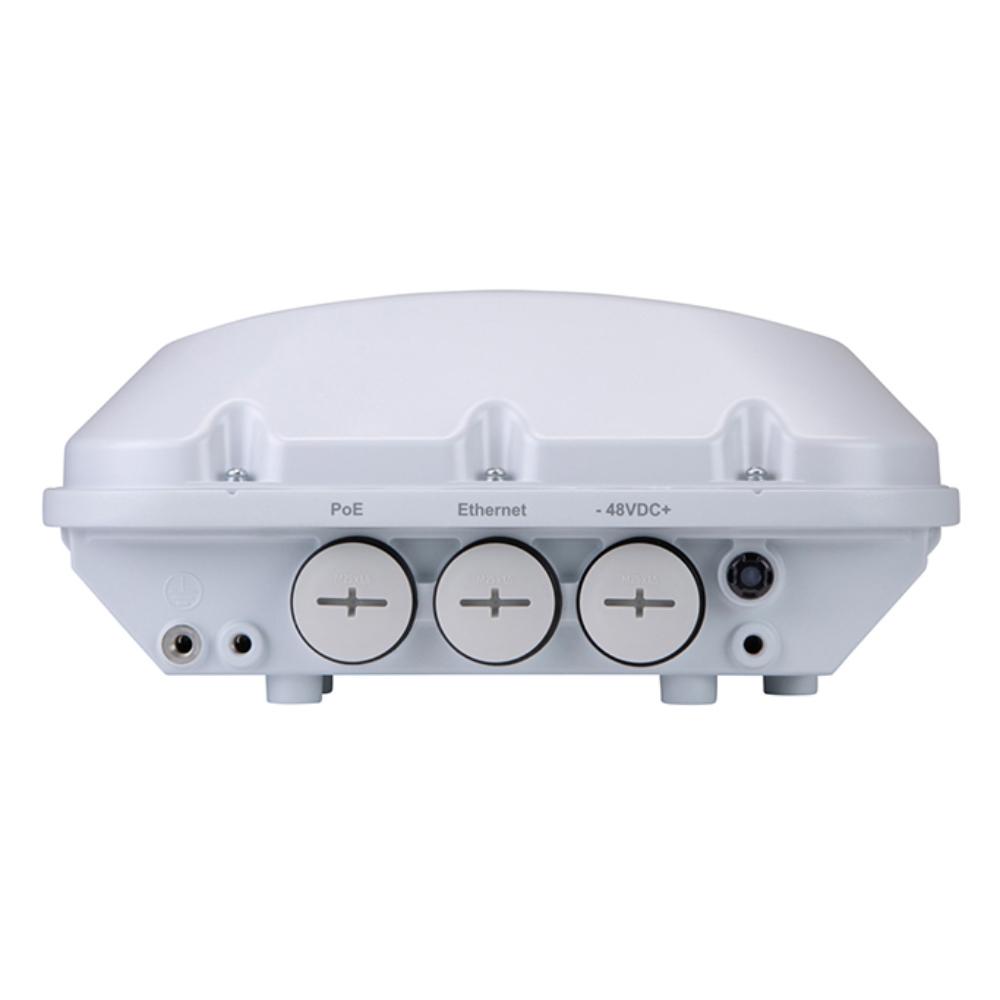


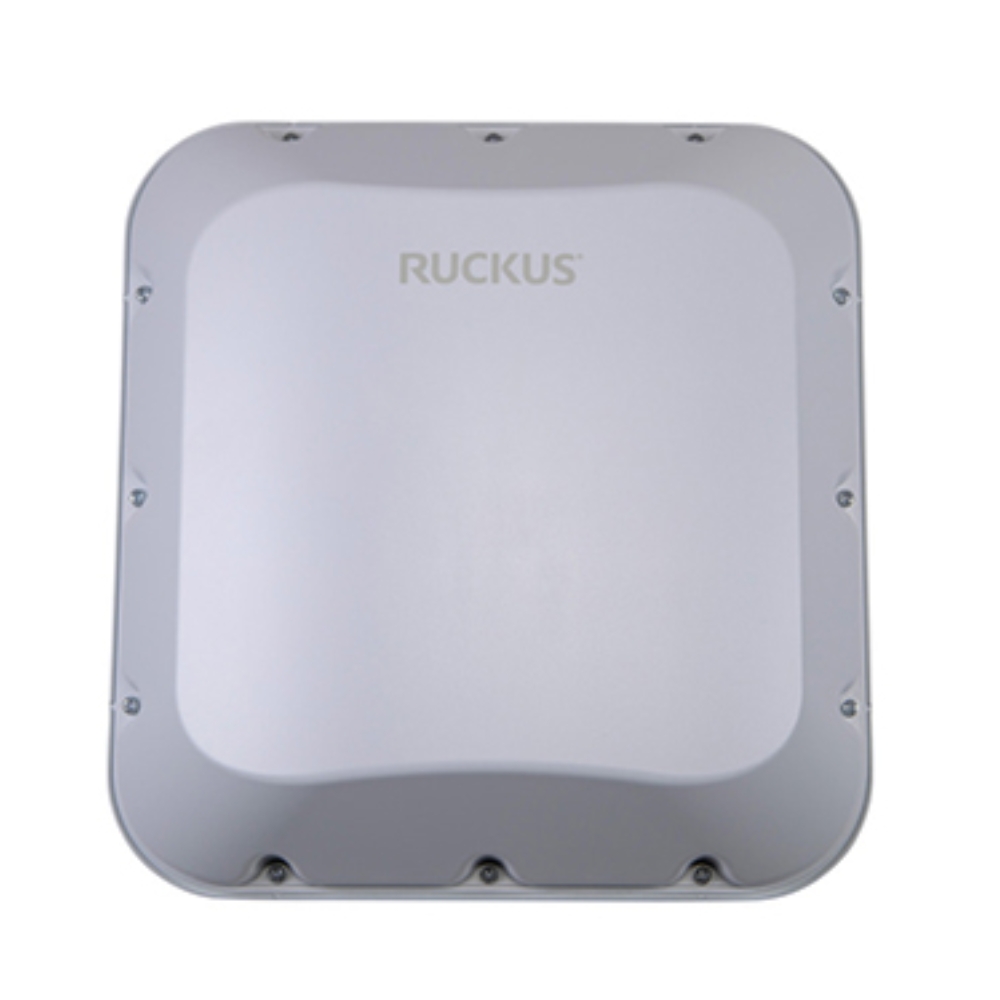
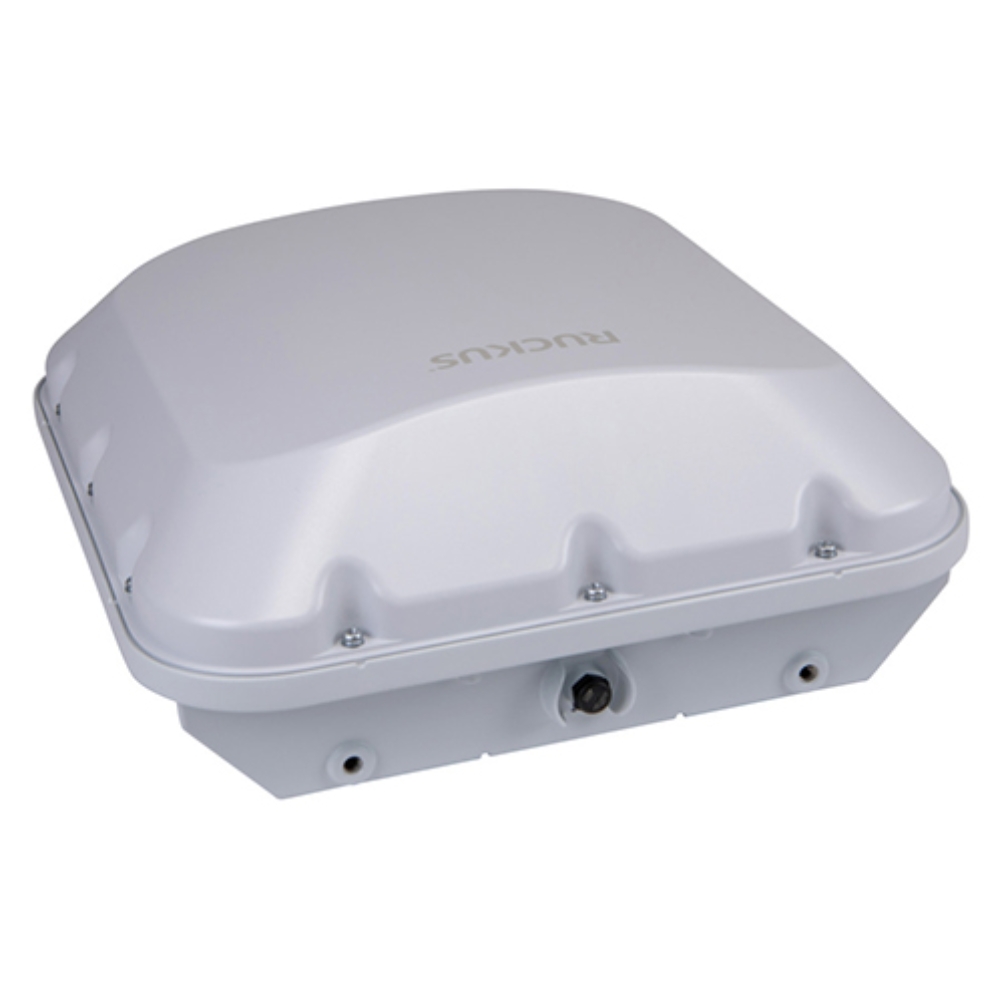
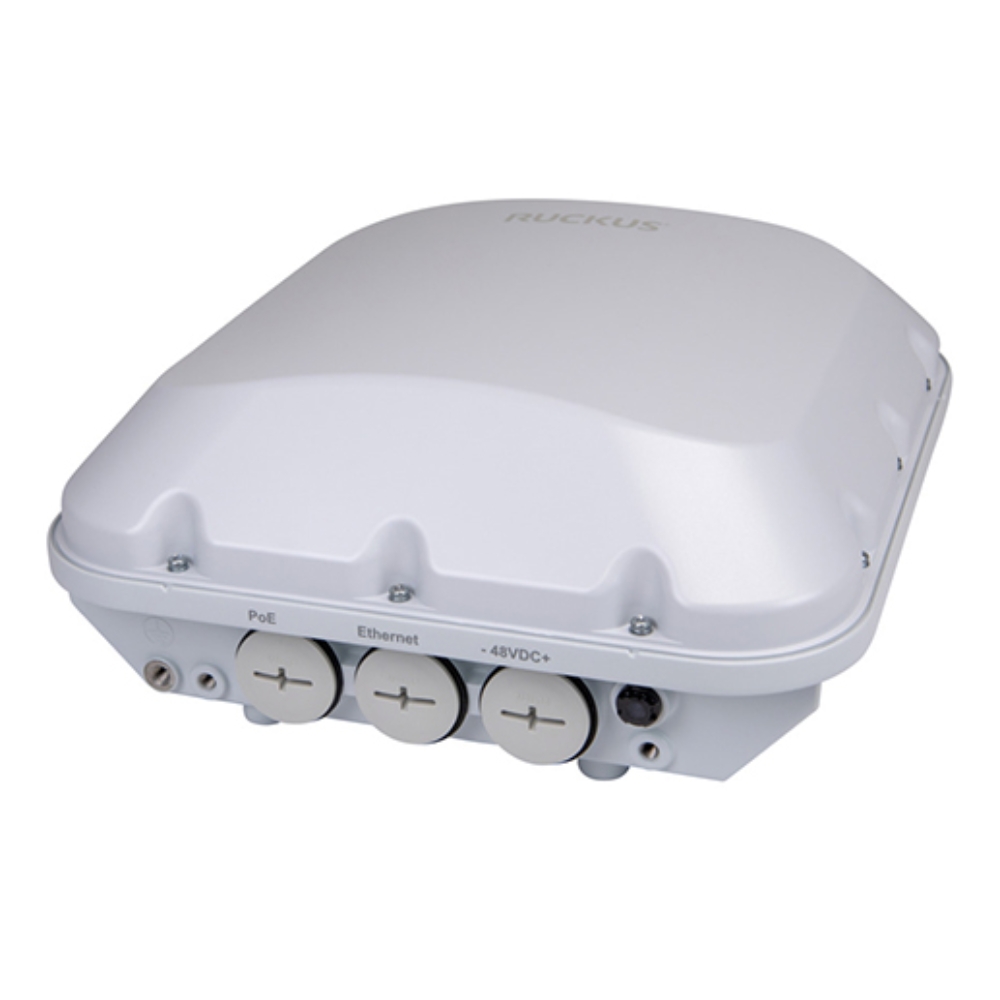
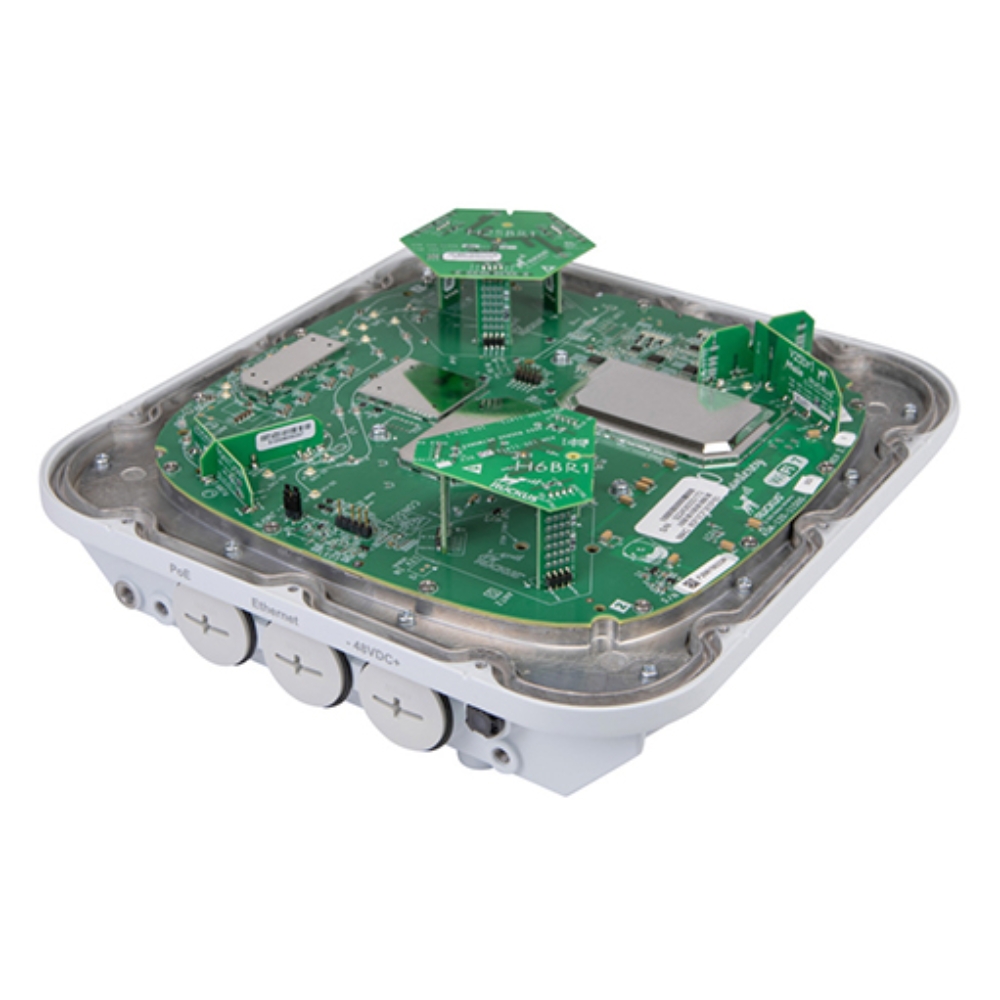
Ruckus 901-T670-US01 T670 RF Tri Band Outdoor Wireless Access Point. Factory-Sealed New in Original Box (FSB) with 3 Years Warranty
The Ruckus T670 Outdoor Wireless Access Point is a next-generation, high-capacity networking solution engineered for demanding outdoor environments. Featuring advanced tri-band RF technology and Wi-Fi 6/6E support, this access point delivers exceptional speed, reliability, and device density for enterprise-grade deployments.
The Ruckus 901-T670-US01 T670 RF Tri Band Outdoor Wireless Access Point belongs to an advanced category of outdoor enterprise-grade wireless infrastructure designed to deliver high-capacity, low-latency, and resilient connectivity in complex outdoor environments. This category represents a significant evolution in outdoor Wi-Fi technology by incorporating tri-band radio architecture, advanced RF intelligence, and ruggedized industrial design to meet the demands of dense client populations and mission-critical applications. It is purpose-built for environments where performance consistency, scalability, and reliability are essential despite environmental and radio-frequency challenges.
The defining characteristic of the Ruckus T670 RF Tri Band Outdoor Wireless Access Point category is its tri-band radio architecture. Unlike traditional dual-band access points that operate only on 2.4 GHz and 5 GHz, this category introduces a third radio that expands available spectrum and improves overall network efficiency. By distributing client traffic across three independent radios, tri-band access points significantly reduce contention and improve throughput in high-density outdoor environments. This tri-band design allows simultaneous operation across multiple frequency ranges, enabling more flexible channel allocation and enhanced load balancing. One band can be optimized for legacy devices, another for high-throughput applications, and the additional band for offloading congestion or supporting specialized use cases such as wireless backhaul or dedicated IoT connectivity.
Multi-radio concurrency is central to the performance advantages of tri-band outdoor access points. By operating multiple radios concurrently, the T670 category can handle a significantly higher number of simultaneous client connections without degradation in performance. This is particularly important in environments such as stadiums, transportation terminals, and urban centers where thousands of devices may connect within a confined geographic area. Capacity scaling through tri-band architecture also improves quality of service by reducing airtime contention. Each radio services a subset of clients, enabling more efficient use of available bandwidth and reducing latency for time-sensitive applications such as voice, video streaming, and real-time analytics.
Outdoor wireless environments often face high levels of interference from neighboring networks, industrial equipment, and environmental factors. The tri-band category enhances channel reuse by providing additional channels that can be dynamically allocated based on interference conditions. Intelligent RF algorithms continuously analyze the spectrum to select optimal channels and adjust transmit parameters in real time. This adaptive channel management minimizes co-channel and adjacent-channel interference, resulting in more stable connections and improved overall network performance. The additional radio provides greater flexibility in avoiding congested frequencies, which is essential in dense urban deployments.
The Ruckus T670 RF Tri Band Outdoor Wireless Access Point category integrates advanced RF intelligence technologies that differentiate it from conventional outdoor wireless solutions. These technologies focus on optimizing signal delivery, mitigating interference, and maintaining consistent performance across varying environmental conditions. At the core of this category is adaptive beamforming technology that dynamically shapes and directs wireless signals toward connected clients. Beamforming enhances signal strength and reliability by focusing energy where it is needed rather than broadcasting uniformly. This targeted approach improves range, reduces packet loss, and enhances throughput, particularly for mobile devices and clients located at the edge of coverage zones.
Adaptive antenna systems within the T670 category continuously adjust antenna patterns based on client location, movement, and signal conditions. This adaptability allows the access point to respond to changes in the environment such as moving crowds, temporary obstructions, or fluctuating interference levels. By dynamically optimizing antenna behavior, the system maintains optimal connectivity without requiring manual intervention. This level of RF intelligence is particularly valuable in outdoor venues where user distribution can change rapidly. The access point automatically recalibrates its signal delivery to ensure consistent performance across the coverage area.
Signal-to-noise ratio is a critical factor in wireless performance, especially outdoors where noise sources are abundant. The Ruckus T670 category employs intelligent noise filtering and signal optimization techniques to improve signal clarity. By analyzing RF conditions in real time, the access point minimizes the impact of background noise and enhances data transmission efficiency.
The Ruckus T670 RF Tri Band Outdoor Wireless Access Point category is engineered with a ruggedized industrial design that ensures reliable operation in harsh outdoor conditions. The enclosure is constructed using weather-resistant materials that protect internal components from environmental stressors such as rain, dust, wind, and UV exposure. This design enables long-term outdoor deployment without compromising performance or reliability. Environmental durability is a critical requirement for outdoor wireless infrastructure, as devices are often installed on poles, rooftops, building exteriors, or other exposed locations. The T670 category is built to withstand temperature extremes, humidity variations, and corrosive environments, making it suitable for deployment across diverse geographic regions.
Outdoor access points in this category are designed with high ingress protection ratings that prevent dust and moisture from entering the enclosure. Sealed connectors and gaskets ensure that internal electronics remain protected even during heavy rain or dust storms. This level of protection reduces maintenance requirements and extends the operational lifespan of the device.
Effective thermal management is essential for maintaining performance in outdoor environments. The T670 category incorporates passive cooling mechanisms and thermal dissipation features that regulate internal temperatures without relying on moving parts. This design reduces points of failure and ensures consistent operation under sustained load and high ambient temperatures.
The physical design of the T670 category supports multiple mounting options, including pole mounts, wall mounts, and custom brackets. These mounting solutions provide structural stability while allowing precise alignment for optimal coverage. The ability to securely mount the access point in various orientations enhances deployment flexibility and coverage planning.
Security is a fundamental aspect of the Ruckus T670 RF Tri Band Outdoor Wireless Access Point category. Outdoor networks often operate in proximity to untrusted environments, making robust security measures essential to protect data, users, and infrastructure. This category supports enterprise-grade security protocols that safeguard wireless communications and enforce access control policies. Advanced encryption standards protect data in transit, while authentication mechanisms ensure that only authorized users and devices can access the network. These security features are designed to meet the requirements of organizations operating in regulated industries or handling sensitive information.
The category supports multiple authentication frameworks that integrate with enterprise identity systems. Secure authentication mechanisms validate users before granting network access, reducing the risk of unauthorized connections. Access control policies can be customized to segment traffic and restrict access based on user roles or device types.
Integrated threat detection capabilities monitor wireless activity for suspicious behavior. The system identifies rogue access points, unauthorized devices, and potential attacks, enabling administrators to respond proactively. Wireless intrusion prevention features enhance network resilience by automatically mitigating detected threats.
The Ruckus T670 RF Tri Band Outdoor Wireless Access Point category is designed to integrate seamlessly into centralized management ecosystems. Administrators can manage multiple access points through unified platforms that provide visibility into network health, performance metrics, and client activity. Centralized management simplifies deployment, configuration, and ongoing maintenance. Cloud-based management options further enhance operational efficiency by enabling remote access to network controls and analytics. These platforms support automation, policy enforcement, and real-time monitoring across geographically distributed deployments.
Scalability is a core attribute of this category, allowing organizations to expand their outdoor wireless infrastructure without increasing administrative complexity. Centralized tools enable consistent configuration across devices and facilitate rapid scaling as coverage requirements grow.
Advanced analytics provide insights into network usage patterns, client behavior, and performance trends. These insights help administrators optimize configurations, plan capacity expansions, and improve user experience. Data-driven decision-making is essential for maintaining high-performance outdoor networks.
The Ruckus T670 RF Tri Band Outdoor Wireless Access Point category is optimized for high-density outdoor deployment scenarios where large numbers of devices connect simultaneously. These environments demand exceptional capacity, low latency, and reliable connectivity to support modern applications and services. Tri-band architecture and advanced RF management enable the category to handle dense client populations without performance degradation. This makes it suitable for venues where user density can fluctuate dramatically throughout the day or during special events.
Large event venues require wireless infrastructure that can support thousands of concurrent users sharing content, accessing applications, and streaming media. The T670 category delivers the capacity and reliability needed to maintain consistent connectivity during peak usage periods.
Transportation hubs such as airports, train stations, and transit centers rely on outdoor wireless networks to support passenger connectivity, operational systems, and digital signage. The robust design and high capacity of the T670 category make it well-suited for these mission-critical environments.
Municipal deployments leverage outdoor access points to support smart city initiatives, public Wi-Fi, and connected infrastructure. The T670 category provides the performance and resilience required to support IoT devices, surveillance systems, and public services across wide geographic areas.
Industrial facilities and utility networks require outdoor wireless solutions that can operate reliably in challenging conditions. The ruggedized design and advanced RF capabilities of the T670 category support industrial automation, monitoring systems, and field operations.
Educational and corporate campuses benefit from seamless outdoor connectivity that complements indoor networks. The T670 category supports continuous coverage across walkways, courtyards, and open spaces, enabling mobility and collaboration across the campus environment.
Effective use of tri-band outdoor access points requires careful performance optimization and capacity planning. The Ruckus T670 RF Tri Band Outdoor Wireless Access Point category supports planning tools and best practices that help organizations design networks capable of meeting current and future demands. Capacity planning involves assessing expected client density, application requirements, and environmental factors to determine optimal access point placement and configuration. Tri-band architecture provides additional flexibility in managing capacity, allowing administrators to distribute traffic efficiently across available radios.
Ongoing monitoring enables proactive identification of performance issues and potential failures. The category supports monitoring tools that track key performance indicators and generate alerts when anomalies are detected. Proactive maintenance helps minimize downtime and ensures consistent network performance.
Regular firmware updates introduce performance improvements, security enhancements, and new features that extend the value of the access point over time. Lifecycle management capabilities help organizations keep deployments current and aligned with evolving standards and requirements.
The Ruckus T670 RF Tri Band Outdoor Wireless Access Point category adheres to industry standards and certifications that ensure interoperability with a wide range of client devices and network components. Compliance with regulatory requirements validates the safety, performance, and reliability of the product in commercial and public deployments. Standards compliance simplifies integration into existing network ecosystems and reduces deployment risk. Organizations can confidently deploy this category knowing it will function seamlessly alongside other standards-based networking equipment.
Outdoor wireless networks must support a diverse array of client devices, including smartphones, tablets, laptops, IoT sensors, and specialized equipment. The T670 category is designed to provide consistent performance across this diverse device landscape, ensuring reliable connectivity for all supported clients.
Future-proofing is a key consideration for enterprise wireless investments. The tri-band architecture, advanced RF intelligence, and scalable management capabilities of the T670 category position it to adapt to future increases in device density, application demands, and wireless standards evolution.
The Ruckus 901-T670-US01 T670 RF Tri Band Outdoor Wireless Access Point category delivers strategic value by combining high-capacity tri-band performance, intelligent RF optimization, rugged outdoor durability, and enterprise-grade security. It provides a powerful foundation for organizations seeking to extend reliable, high-performance wireless connectivity into demanding outdoor environments while maintaining scalability, resilience, and long-term operational efficiency.


 Contact Us
 Information
 Catalog
 Solid State Drives (SSD)
 Network Switches
 Hard Disk Drives
 HBA & Controllers
 PC & Servers
 PC & Server Memory
 CPU & Processors
 Network Routers
 Power Supplies
 Tape Drives & Libraries
 Network Devices
 Computer & Network Cables