(7% discount is applied at checkout)
Cart is empty
Your go-to destination for cutting-edge server products
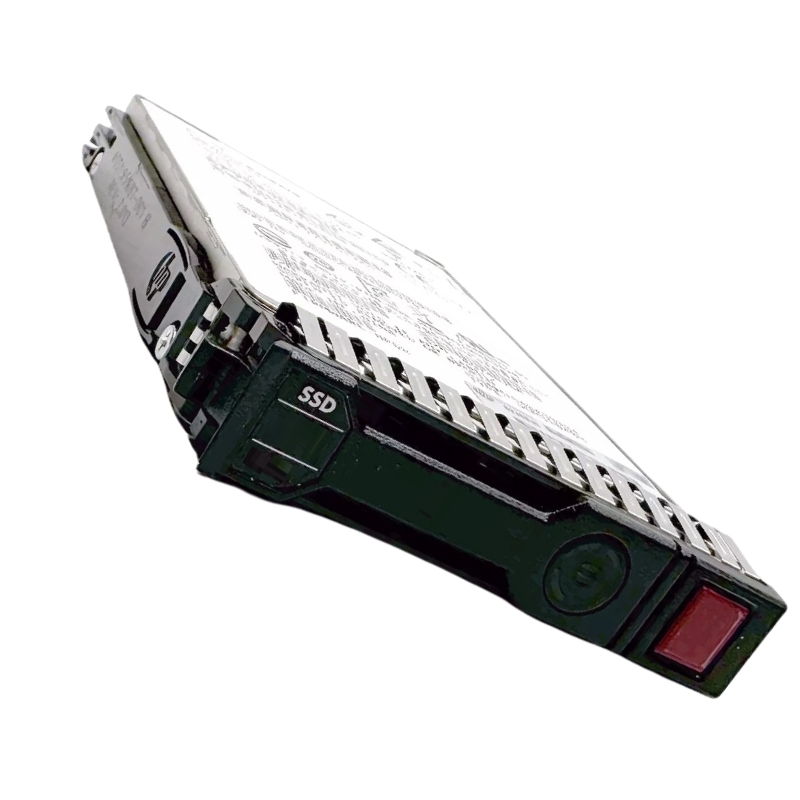


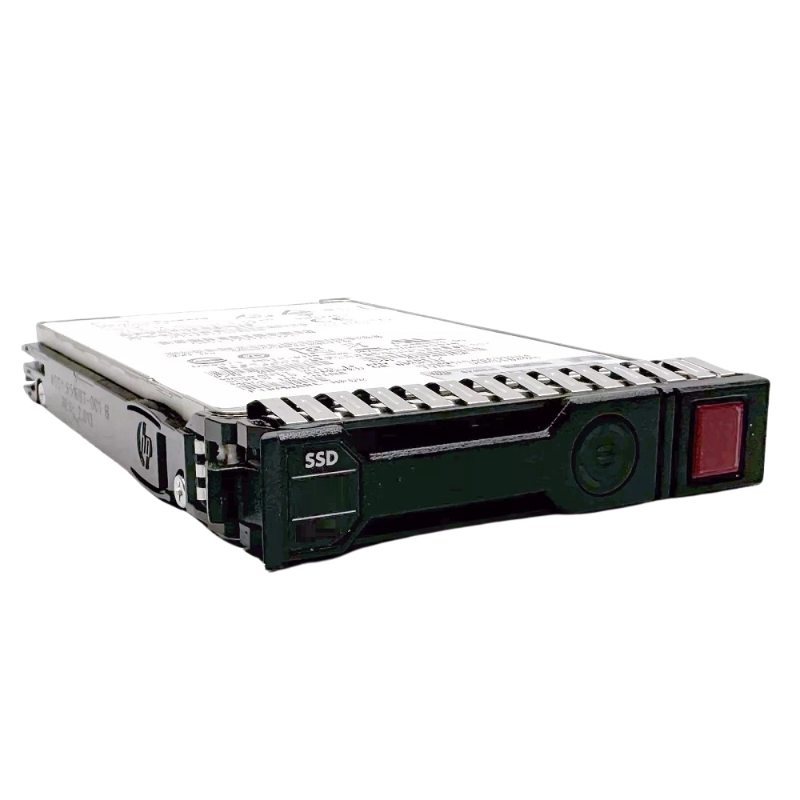
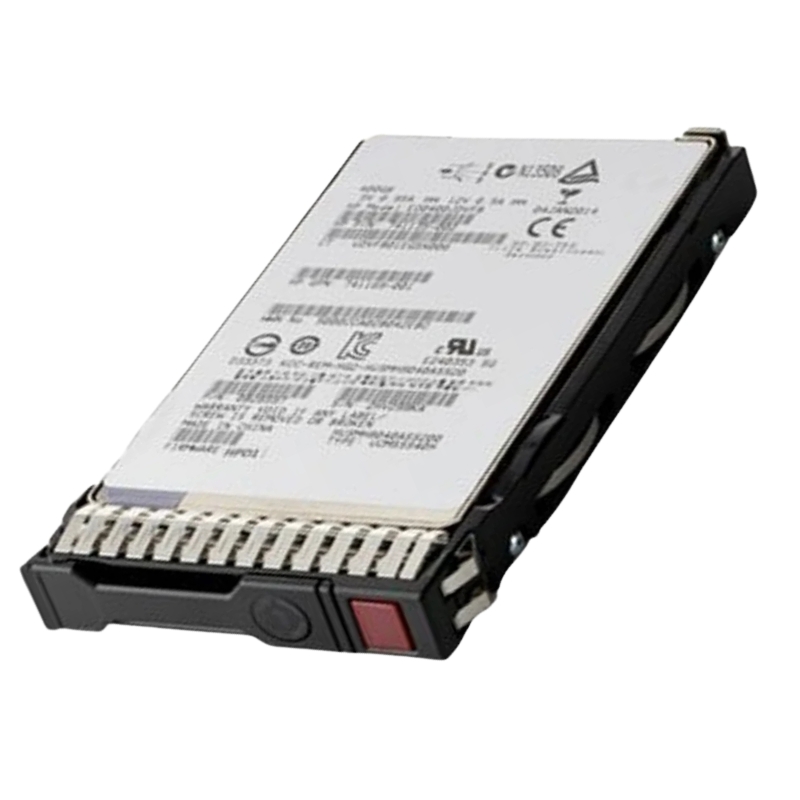
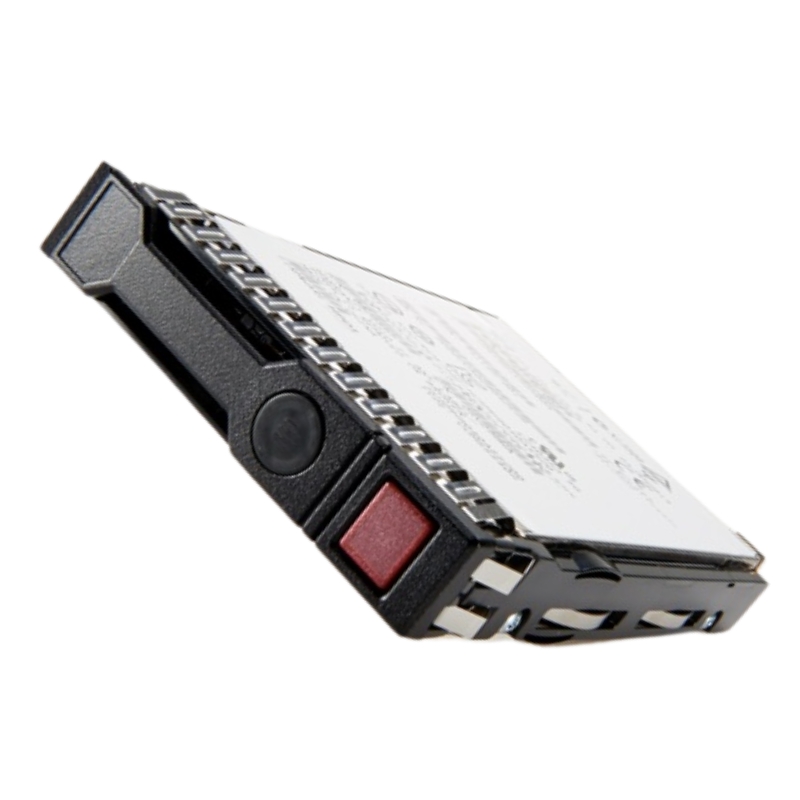
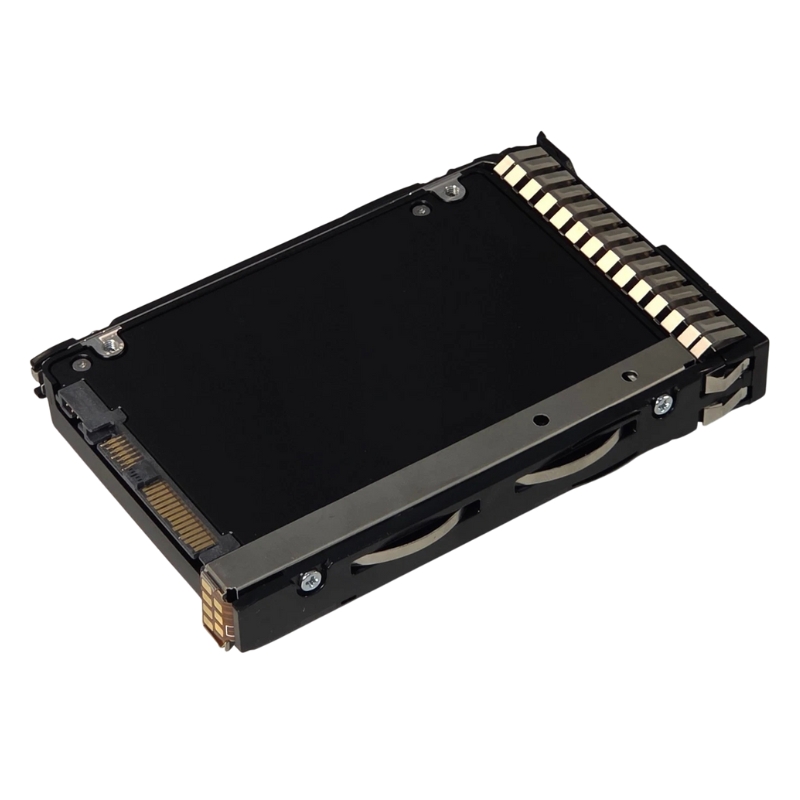
HPE S4R84A MSA 30.72TB SAS 12GBPS Read Intensive 2.5inch M2 FIPS Encrypted SSD. Factory-Sealed New in Original Box (FSB) with 3 Years Warranty
The HPE S4R84A MSA 30.72TB SAS 12Gbps Read Intensive 2.5-inch M2 FIPS Encrypted SSD is a high-capacity enterprise-grade solid-state drive engineered for secure, reliable, and performance-driven storage environments. It is optimized for read-intensive workloads and integrates seamlessly with HPE Modular Smart Array systems.
The category of high-capacity enterprise SAS solid state drives continues to grow rapidly as modern datacenters demand superior performance, dependable endurance, and maximum efficiency. Within this environment, the HPE S4R84A MSA 30.72TB SAS 12Gbps Read Intensive 2.5-inch M2 FIPS Encrypted SSD represents a highly specialized class of storage designed for read-heavy workloads, secure data handling, and scalable infrastructure optimization. As enterprise applications shift toward virtualization, analytics, cloud-based systems, and high-volume transactional platforms, storage devices like this high-capacity read intensive SSD become essential components for ensuring performance consistency, latency reduction, and uninterrupted business processes.
In professional storage ecosystems, read-intensive drives with immense capacities serve a vital role by enabling the rapid access of frequently used data without compromising efficiency. This category of drives aligns with deployment scenarios where predictable read performance, endurance suitable for heavy query loads, and strong encryption are critical. The HPE S4R84A falls into the modern enterprise storage category in which security and capacity coexist, and where storage devices must withstand continuous demand across large datasets, virtual machines, containerized platforms, and performance-sensitive workloads.
The SAS 12Gbps interface has become the standard interconnect for enterprise-grade storage because it delivers robust, full-duplex data throughput and ensures compatibility with a wide range of datacenter architectures. The category of SAS 12Gbps SSDs such as the HPE S4R84A caters to environments requiring heightened reliability, multi-path support, advanced queue management, and stable bandwidth for heavy read-oriented operations. Compared to consumer or entry-level SATA solutions, SAS drives provide enterprise-level signaling, error correction, dual-port functionality, and greater overall durability, making them suitable for mission-critical tasks.
The high-capacity read intensive SAS SSD category is particularly important for large-scale storage arrays like the HPE MSA series. These storage systems rely on consistent performance, distributed access patterns, and the ability to store massive volumes of data with minimal latency degradation. The HPE S4R84A, with its 30.72TB capacity, enhances the long-term scalability of such platforms, allowing businesses to consolidate workloads, eliminate drive sprawl, and improve overall datacenter utilization efficiency. The SAS interface also reduces bottlenecks by utilizing enhanced communication protocols that promote faster access cycles and stronger resilience.
The category of large-capacity read intensive SSDs provides numerous advantages for businesses seeking excellent read performance, cost-effective endurance, and exceptionally dense storage formats. These drives typically emphasize read throughput rather than high write endurance, allowing organizations to store large volumes of reference data, media content, analytical datasets, indexing files, logs, snapshots, and archival material while still benefiting from SSD-class latency improvements. This performance profile makes the HPE S4R84A well-suited for environments where read-centric operations dominate overall workload activity.
Another benefit of this category is power efficiency. Read intensive SSDs consume far less power compared to spinning hard drives, and with the growing trend of sustainability and energy-conscious datacenter design, such devices become even more valuable. When deployed in environments like virtual desktop infrastructure, large repositories of frequently accessed files, business intelligence systems, and backup-to-disk solutions, high-capacity read intensive SAS SSDs help reduce operational overhead while improving system responsiveness.
The 30.72TB capacity of the HPE S4R84A positions it within an elite category of extremely dense enterprise SSDs, making it ideal for datacenters that need substantial volumes of fast storage without expanding physical rack space. As organizations adopt more AI-driven analytics, advanced virtualization, digital transformation initiatives, and large-scale cloud services, the demand for dense storage options continues to rise. This category of high-capacity drives helps eliminate storage bottlenecks by allowing more data to reside on fast media, reducing the need for multi-tiered architectures that add complexity and latency.
High-density SSDs contribute to lower maintenance costs by consolidating storage management into fewer units. The HPE S4R84A supports these trends by offering terabytes of storage in a compact 2.5-inch form factor, enabling simplified deployment in environments such as enterprise SAN arrays, high-performance computing clusters, hyperconverged infrastructure, and content delivery networks. This capacity class supports long-term retention of critical datasets while maintaining the fast read performance enterprises expect from SAS SSDs.
High-capacity drives reduce the need for large numbers of smaller drives, cutting down on complexity, cabling, controller requirements, and overall rack power consumption. Storage administrators often choose drives like the HPE S4R84A as part of a broader move toward storage consolidation. This trend improves space utilization and simplifies device lifecycle management. Organizations with data growth challenges can rely on storage categories featuring extremely high capacity to maintain performance consistency without expanding the physical datacenter footprint.
The read intensive category focuses on maximizing read operations per second rather than handling constant write cycles. This design makes the HPE S4R84A ideal for applications where the majority of data access occurs through reading, querying, retrieving, or analyzing static datasets. Read intensive SSDs deliver excellent throughput without unnecessary cost associated with write-centric endurance levels reserved for other SSD categories.
Enterprises deploying systems like data warehousing, real-time reporting, large reference databases, or multimedia distribution rely heavily on read intensive SSDs. These drives ensure stable performance when responding to repeated data requests and allow multiple user sessions or virtual machines to function without latency spikes. This workload category benefits significantly from the predictable read behavior of such drives, which deliver consistent speed under load, regardless of dataset size.
Read intensive SSDs thrive in environments requiring more read operations than writes. Examples include analytics engines, web portals, file distribution services, sequential data loading applications, and virtual machine clusters that largely perform read tasks. In addition, these drives are frequently used for caching layers, snapshot repositories, and log indexing systems where vast amounts of data must be accessed quickly but not extensively rewritten. These workload categories gain significant performance reliability from devices such as the HPE S4R84A.
The category of encrypted enterprise SSDs has become essential as organizations focus more heavily on cybersecurity, compliance, and data governance. The HPE S4R84A features FIPS encryption, meaning it meets strict government standards for secure data protection. This adds a powerful layer of security to enterprise storage arrays, ensuring that sensitive information remains inaccessible even if drives are removed, reused, or disposed of improperly. In industries such as finance, healthcare, government, and telecommunications, encrypted SSDs help maintain mandated regulatory standards and ensure data privacy.
The FIPS encryption category serves businesses that must protect confidential workloads, client information, intellectual property, and operational data at all stages of storage lifecycle management. When deployed in HPE MSA systems, drives like the S4R84A contribute to strong, hardware-level encryption that does not compromise performance. This combination of security and speed enables organizations to maintain compliance with ease while avoiding the overhead associated with software-based encryption solutions.
As cyber threats continue to grow in complexity, encryption must be embedded directly into storage hardware. The category of hardware-encrypted SSDs ensures that data is secured at rest automatically, eliminating the need for administrators to configure external encryption tools. This approach reduces the risk of human error and ensures that encryption is consistently applied across all sensitive datasets stored on the drive. With the HPE S4R84A, encryption is always active and does not interfere with the drive’s performance, making it an essential component of secure enterprise infrastructure.
The HPE S4R84A belongs to the category of drives specifically engineered for HPE MSA storage arrays. These systems depend on optimized hardware integration to deliver high availability, efficient storage tiering, and dependable multi-host access. Drives designed for this category undergo extensive testing to ensure they meet the performance expectations, reliability standards, and firmware compatibility requirements associated with MSA deployment scenarios. As a result, administrators can deploy the S4R84A with confidence, knowing it will operate seamlessly within MSA arrays.
Compatibility in the enterprise storage category is particularly important because mismatched components can reduce system stability, increase latency, and cause unpredictable behavior. By choosing drives that are built for MSA platforms, organizations ensure cohesive system operation. The category of MSA-approved drives like the S4R84A supports advanced data services such as automated tiering, replication, snapshotting, and efficient storage utilization, enabling businesses to meet evolving operational demands.
HPE provides custom firmware for this category of drives to optimize their behavior within MSA systems. This promotes high consistency during peak workloads and ensures that the drive works harmoniously with HPE controllers, caching algorithms, RAID configurations, and monitoring tools. As firmware plays a significant role in enterprise performance tuning, drives like the HPE S4R84A are uniquely calibrated for exceptional stability. This ensures minimal downtime, low error rates, and predictable performance across long-term deployments.
The 2.5-inch form factor remains one of the most widely adopted standards in enterprise storage due to its small footprint, excellent drive density capabilities, and strong compatibility across rack-mounted systems. High-capacity drives in this category deliver immense storage without requiring larger chassis designs or high-profile configurations. By integrating 30.72TB of storage into a compact 2.5-inch housing, the HPE S4R84A enables datacenters to dramatically increase capacity without modifying their existing rack architecture.
This form factor also facilitates flexible scaling, allowing organizations to expand storage gradually by adding drives as needed while maintaining a uniform layout. Drives in the 2.5-inch enterprise category withstand the demanding thermal environments of datacenters and promote efficient airflow, supporting long-term reliability. The compact design also allows higher drive counts per enclosure, contributing to better overall performance in multi-drive MSA configurations.
2.5-inch SSDs are engineered for durability and optimized space efficiency. For enterprises aiming to balance performance, capacity, and rack density, this category becomes indispensable. Whether used in high-performance SANs, virtualization clusters, backup infrastructures, or cloud services, drives like the HPE S4R84A deliver scalable capacity while preserving valuable rack units. This contributes to lower datacenter operating expenses and improved long-term infrastructure management.
The category of read intensive SSDs provides higher energy efficiency compared to both traditional hard drives and many write-intensive SSD types. The HPE S4R84A operates under optimized power consumption parameters to reduce heat output, improve reliability, and support sustainable datacenter operations. This energy-efficient behavior becomes particularly valuable in multi-drive MSA storage arrays that may contain dozens of SSDs operating simultaneously. Lower power consumption translates to reduced cooling requirements and improved total cost of ownership over the device’s lifecycle.
Thermal stability is a defining feature of enterprise SSD categories. Drives must maintain predictable performance even when exposed to sustained workloads and elevated temperatures. The HPE S4R84A is built to dissipate heat effectively, minimizing thermal throttling and performance interruptions. In high-density storage arrays, this contributes to extended device longevity and smoother system operation, even as read-intensive queries increase during peak usage periods.
Read intensive SSD endurance ratings differ from mixed-use or write-intensive SSD categories. While write-focused drives handle heavier write workloads, read intensive devices distribute their endurance more efficiently by focusing on read operations. This optimized profile ensures the HPE S4R84A can support business applications needing repetitive data access without the higher cost associated with write-intensive designs. It also enhances durability by preventing unnecessary wear during typical enterprise read performance cycles.
Virtualized environments benefit greatly from read intensive SSD categories because virtual machines frequently generate repetitive read requests as users access shared datasets, boot OS images, load software, and perform application operations. The HPE S4R84A’s read optimized design ensures fast application responsiveness, quick VM startup times, and reduced latency across multi-session workloads. This enables organizations to deploy more VMs per host without sacrificing responsiveness.
Hybrid cloud environments also benefit from this category of drive, as they rely on local storage performance to maintain responsiveness for containerized applications, orchestration layers, and cloud-native workloads. The high capacity and predictable read performance ensure smooth interactions between local and cloud systems, allowing organizations to mix on-premise storage with remote workloads effectively.
The HPE S4R84A excels in storage categories requiring high availability and redundancy. MSA arrays commonly utilize RAID configurations to protect data integrity even if one or more drives experience issues. High-capacity read intensive SSDs like this one integrate seamlessly into these redundancy structures, supporting rapid rebuild times thanks to SSD-class throughput and lower probability of mechanical failure. This enhances overall system resilience and ensures uninterrupted business continuity.
Redundancy in this category also supports critical operations where fast recovery is mandatory, such as financial systems, healthcare databases, e-commerce platforms, and cloud service nodes. By integrating drives built for enterprise resilience, organizations safeguard valuable information and maintain consistent application uptime.
Modern database platforms depend on strong read performance to deliver rapid query responses and maintain application responsiveness. The category of enterprise read intensive SAS SSDs provides low latency access to large indexes, metadata structures, and primary datasets. With its high capacity, the HPE S4R84A allows businesses to store large databases in fast storage tiers, improving analytics, customer queries, and operational reporting processes.
In addition to boosting performance, this category also supports database reliability by reducing the risk of unexpected drive failures and ensuring that essential data remains accessible at all times.
Choosing storage from the correct category is vital to maintaining performance, security, and long-term cost efficiency. Enterprise read intensive SSDs like the HPE S4R84A are engineered specifically for professional workloads, unlike consumer solid state drives that lack endurance levels, thermal tolerance, advanced firmware, and SAS dual-port capabilities. This makes enterprise-grade solutions far more reliable across heavy operational cycles and ensures that organizations avoid performance deterioration under demanding conditions.
Datacenter-grade SSD categories undergo stringent quality assurance processes, ensuring consistent performance across millions of read operations. This reliability is crucial in high-availability infrastructures where downtime is unacceptable and recovery windows must remain minimal.


 Contact Us
 Information
 Catalog
 Solid State Drives (SSD)
 Network Switches
 Hard Disk Drives
 HBA & Controllers
 PC & Servers
 PC & Server Memory
 CPU & Processors
 Network Routers
 Power Supplies
 Tape Drives & Libraries
 Network Devices
 Computer & Network Cables