(7% discount is applied at checkout)
Cart is empty
Your go-to destination for cutting-edge server products
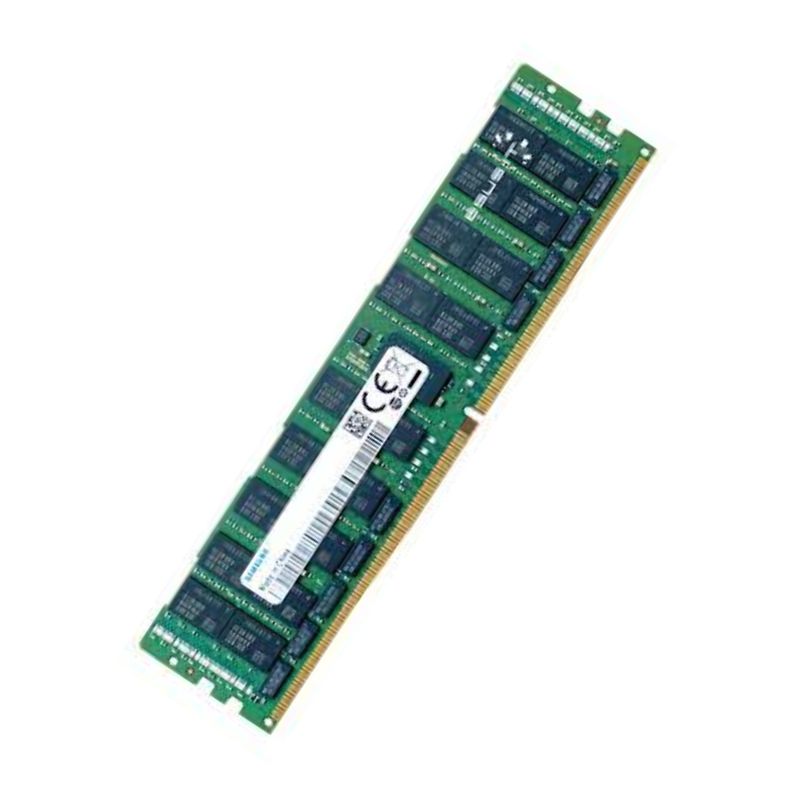


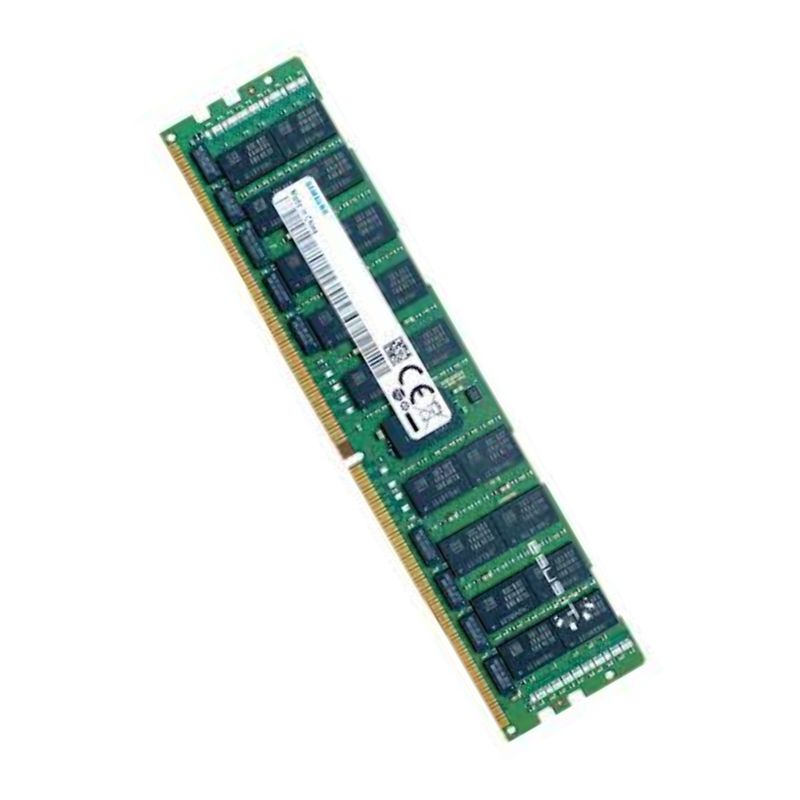
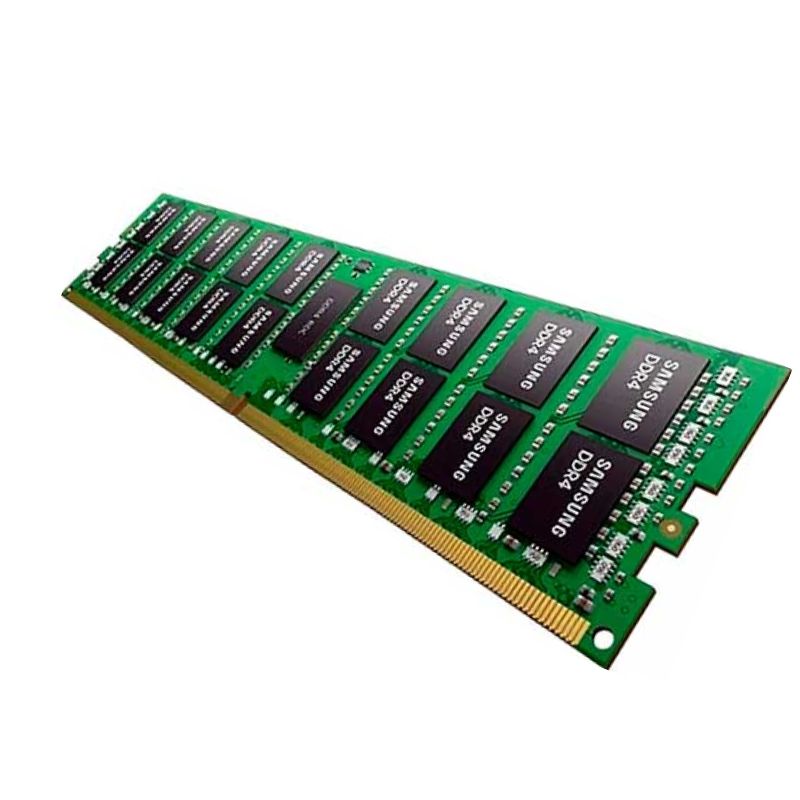
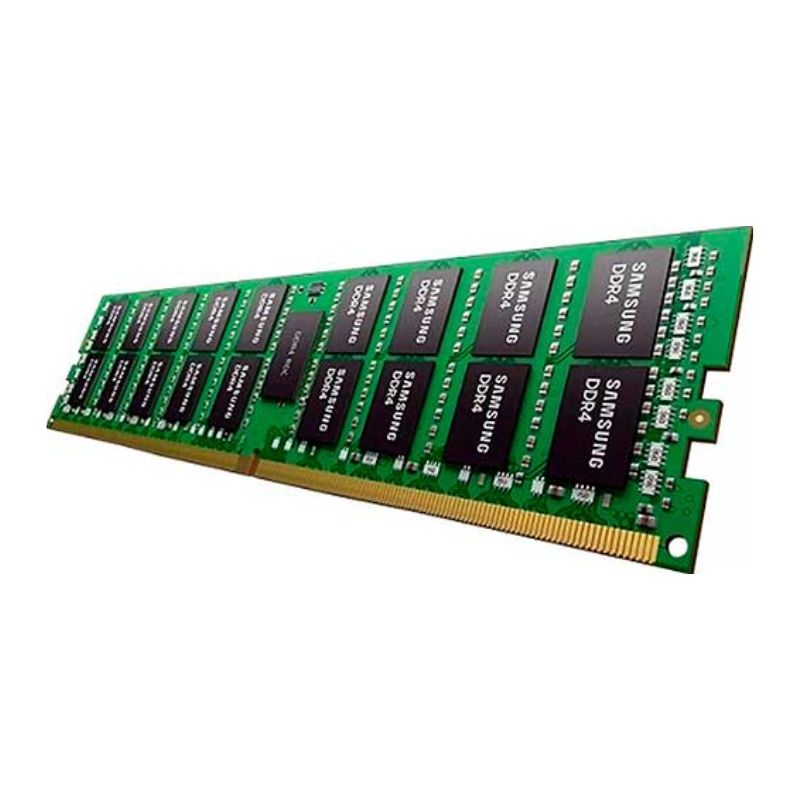
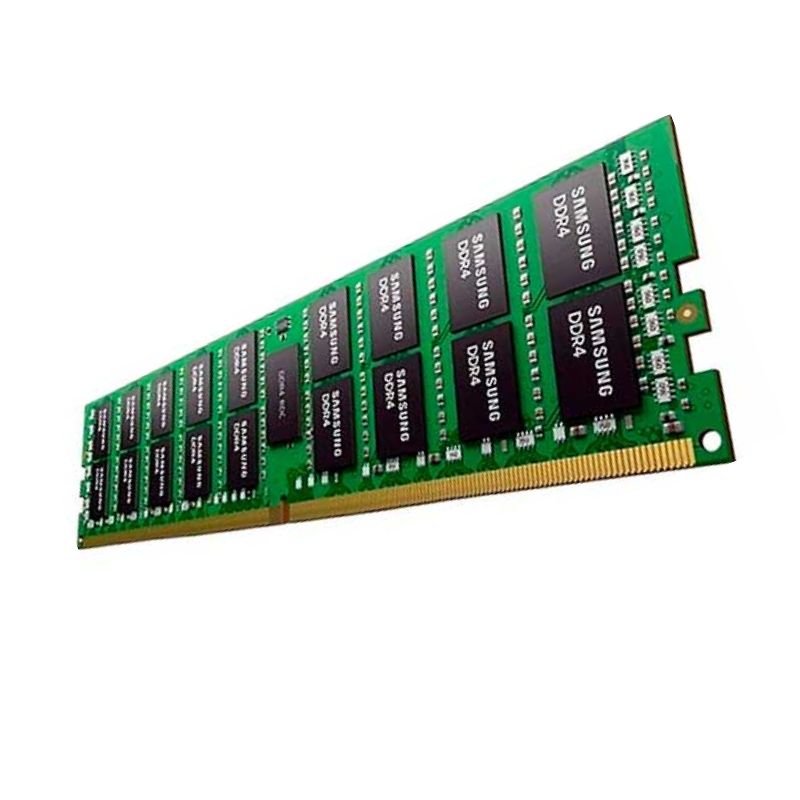
Samsung M393A2K40EB3-CWEBY 16GB 3200MHz PC4-25600 CL24 ECC Registered Single DDR4 SDRAM 288-Pin for Server Memory. New Sealed in Box (NIB) with 3 Years Warranty
The Samsung M393A2K40EB3-CWEBY delivers reliable performance with advanced DDR4 SDRAM technology, designed for enterprise-grade systems requiring stability and speed.
The Samsung M393A2K40EB3-CWEBY 16GB DDR4 RDIMM server memory module represents a specialized category of enterprise-grade memory engineered for modern data center and server environments that demand stability, predictability, and sustained performance under continuous workloads. This category focuses on registered dual in-line memory modules designed to operate in multi-socket server platforms, where memory integrity, signal reliability, and scalability are far more critical than raw consumer-grade speed metrics. DDR4 RDIMM technology introduces architectural refinements that reduce electrical load on the memory controller, enabling higher capacities per channel and consistent operation across densely populated memory slots. Within this category, Samsung’s engineering emphasizes long-term reliability, validated compatibility with leading server CPUs, and compliance with stringent JEDEC standards. Server memory modules in this classification are not simply defined by capacity or frequency but by their ability to function flawlessly in mission-critical environments. The Samsung M393A2K40EB3-CWEBY belongs to a generation of DDR4 server memory that balances bandwidth efficiency with controlled latency characteristics, ensuring predictable response times for virtualization platforms, database engines, enterprise resource planning systems, and cloud-native workloads. By integrating ECC functionality and registered buffering, this category addresses the fundamental need for data accuracy and operational continuity, particularly in environments where even a single bit error can have cascading consequences.
DDR4 SDRAM represents a significant evolution over previous DDR generations, introducing higher data transfer rates, improved power efficiency, and enhanced signal integrity. In the context of server memory categories, DDR4 is not merely about faster speeds but about enabling higher memory densities while maintaining stable operation across extended uptime cycles. The Samsung M393A2K40EB3-CWEBY module operates at 3200MHz, aligning with the upper performance tiers of DDR4 server memory and supporting modern server processors that rely on high memory bandwidth to feed multi-core and multi-threaded architectures. This category of DDR4 server memory leverages an optimized prefetch architecture and refined timing parameters to deliver efficient data access patterns. While consumer DDR4 often prioritizes aggressive timings for short bursts of performance, server-focused DDR4 such as this module emphasizes sustained throughput and thermal stability. The PC4-25600 classification indicates a theoretical bandwidth that supports demanding workloads without saturating the memory subsystem, ensuring that CPUs remain efficiently utilized even under peak operational conditions.
The RDIMM architecture is a defining characteristic of this memory category. Registered DIMMs incorporate a register, or buffer, between the memory controller and the DRAM chips, which re-drives control and address signals. This design reduces electrical loading on the memory controller, enabling the use of higher-capacity modules and more populated memory channels. The Samsung M393A2K40EB3-CWEBY exemplifies this approach, making it suitable for servers with multiple DIMMs per channel where unbuffered memory would struggle to maintain signal integrity. In enterprise deployments, signal stability directly translates to uptime and reliability. RDIMM-based server memory categories are therefore preferred in data centers, virtualization clusters, and high-availability systems. The buffering mechanism ensures that signal timing remains consistent across all installed modules, even when the system is operating at full memory bandwidth. This stability is particularly important for 3200MHz operation, where tighter timing margins demand precise signal control.
ECC functionality is central to the identity of this server memory category. Error Correction Code memory detects and corrects single-bit memory errors while identifying multi-bit errors, preventing silent data corruption. The Samsung M393A2K40EB3-CWEBY integrates ECC at the hardware level, providing continuous protection for data stored in memory. This capability is indispensable in enterprise environments where data integrity is paramount, such as financial systems, healthcare databases, scientific simulations, and virtualization infrastructures. Within this category, ECC memory is not an optional enhancement but a foundational requirement. Modern operating systems and hypervisors are designed to take advantage of ECC reporting, allowing administrators to monitor memory health and proactively address potential issues. By incorporating ECC into a single-rank x4 configuration, this module aligns with server platform requirements that optimize error detection granularity and correction efficiency.
The single-rank x4 organization of the Samsung M393A2K40EB3-CWEBY defines how memory chips are arranged and accessed. Single-rank modules present one set of memory banks to the controller at a time, which can simplify access patterns and reduce latency variability. The x4 data width per DRAM chip enhances ECC effectiveness, as it allows the memory controller to isolate and correct errors more precisely compared to wider chip organizations. This configuration is widely adopted in enterprise server memory categories because it strikes a balance between capacity density, performance predictability, and error correction efficiency. While multi-rank modules can offer higher capacities, single-rank RDIMMs often provide more consistent performance under heavy parallel workloads, particularly in systems with numerous memory channels and high DIMM population.
Latency characteristics play a crucial role in defining server memory categories, especially for workloads sensitive to response times. The CL24 latency rating of this module reflects a conservative and stability-oriented timing profile designed for enterprise reliability rather than aggressive consumer benchmarks. In server environments, predictable latency under sustained load is often more valuable than marginally lower timings that may compromise stability. The Samsung M393A2K40EB3-CWEBY is engineered to maintain its timing characteristics across a wide range of operating conditions, including elevated temperatures and continuous high utilization. This consistency ensures that applications relying on memory-intensive operations, such as in-memory databases or large-scale virtualization platforms, experience uniform performance without unexpected latency spikes.
Operating at 3200MHz, this server memory category supports the maximum officially supported memory speeds of many contemporary server processors. High-frequency operation enables greater data throughput per memory channel, which is critical for feeding multi-core CPUs with dozens of concurrent threads. In environments where memory bandwidth is a limiting factor, such as analytics workloads or virtual desktop infrastructure, the benefits of 3200MHz RDIMM memory are immediately apparent. Despite the high frequency, the module maintains a 1.2V operating voltage, reflecting DDR4’s emphasis on power efficiency.
Power efficiency is a defining attribute of modern server memory categories. The Samsung M393A2K40EB3-CWEBY operates at 1.2V, significantly lower than earlier DDR generations, enabling servers to scale memory capacity without proportionally increasing power draw. In dense server environments, where hundreds or thousands of modules may be deployed, these efficiency gains translate into substantial reductions in energy consumption and cooling requirements. Thermal stability is equally important, as memory modules are often installed in close proximity with limited airflow.
Server memory categories must prioritize compatibility with a wide range of platforms, chipsets, and processors. The Samsung M393A2K40EB3-CWEBY is designed to meet JEDEC standards, ensuring broad compatibility with major server vendors and CPU architectures. This compliance simplifies deployment and reduces the risk of interoperability issues that can arise from non-standard memory modules.
The Samsung M393A2K40EB3-CWEBY is representative of a server memory category designed for a broad spectrum of professional applications. In database servers, the combination of ECC protection and high bandwidth supports transactional integrity and query performance. In application servers, reliable memory operation ensures consistent service delivery under variable load conditions. High-performance computing workloads also benefit from this category of memory, as scientific simulations and data analysis tasks often rely on large memory footprints and sustained throughput.
Beyond compute-centric workloads, server memory plays a vital role in storage and networking systems. Software-defined storage platforms leverage system memory for caching and metadata management, making ECC-protected RDIMM memory essential for data integrity. Networking appliances and virtualized network functions similarly depend on reliable memory to maintain packet processing accuracy and uptime.
Scalability is a core consideration in server memory categories, and the Samsung M393A2K40EB3-CWEBY supports incremental growth strategies. By enabling higher memory capacities per system without compromising stability, this category allows organizations to adapt their infrastructure to evolving workload requirements. The use of standardized DDR4 RDIMM technology ensures compatibility with existing platforms while providing a clear upgrade path.


 Contact Us
 Information
 Catalog
 Solid State Drives (SSD)
 Network Switches
 Hard Disk Drives
 HBA & Controllers
 PC & Servers
 PC & Server Memory
 CPU & Processors
 Network Routers
 Power Supplies
 Tape Drives & Libraries
 Network Devices
 Computer & Network Cables