(7% discount is applied at checkout)
Cart is empty
Your go-to destination for cutting-edge server products
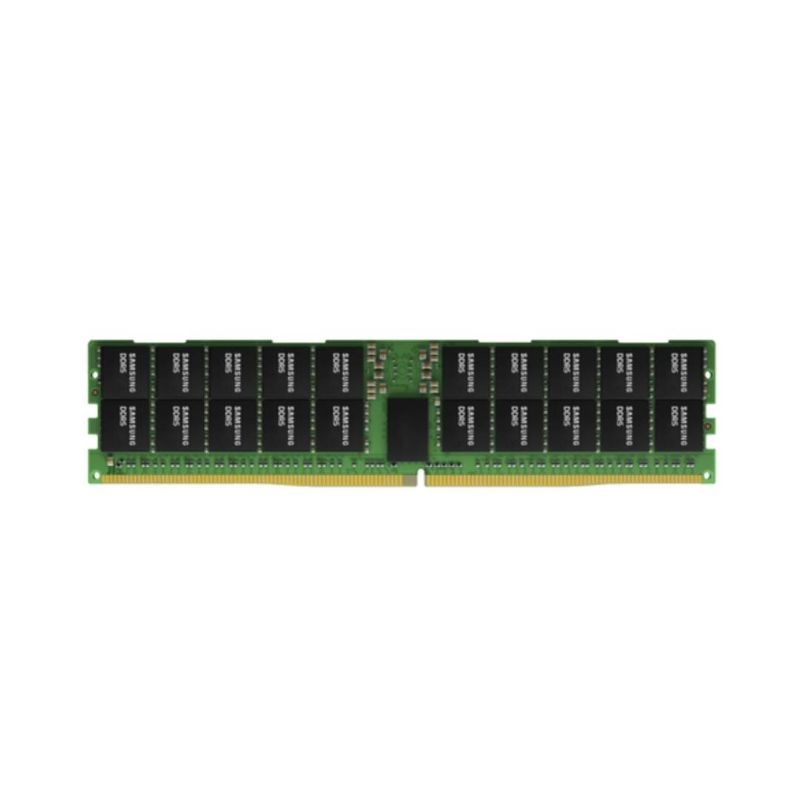


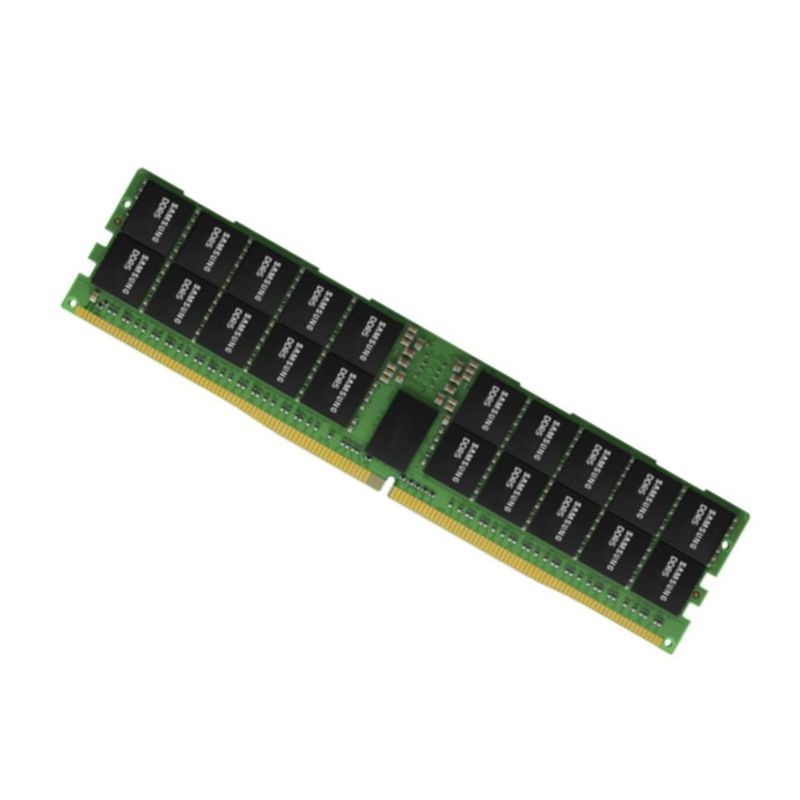
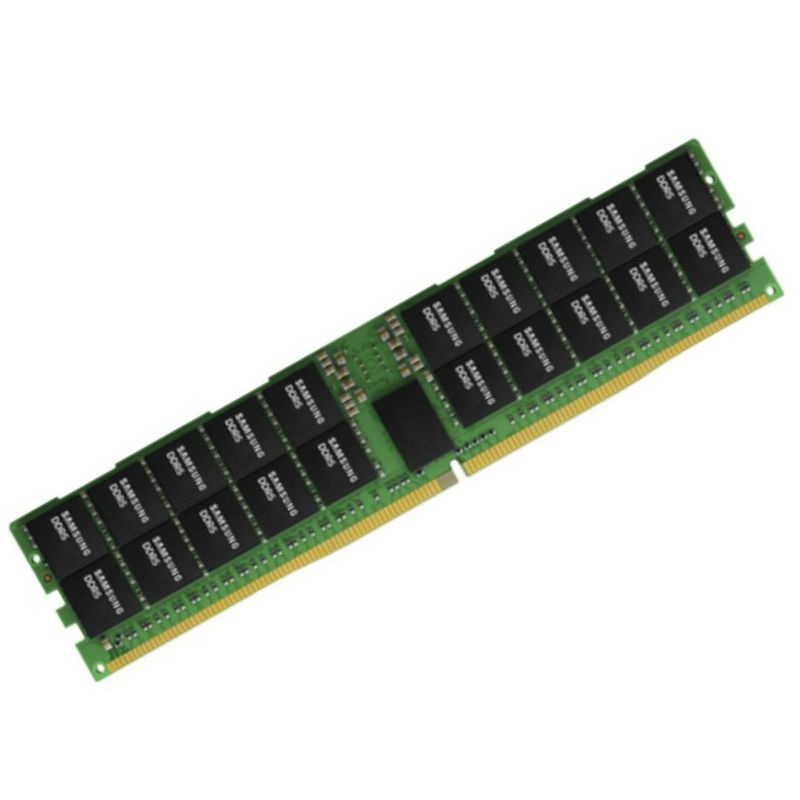
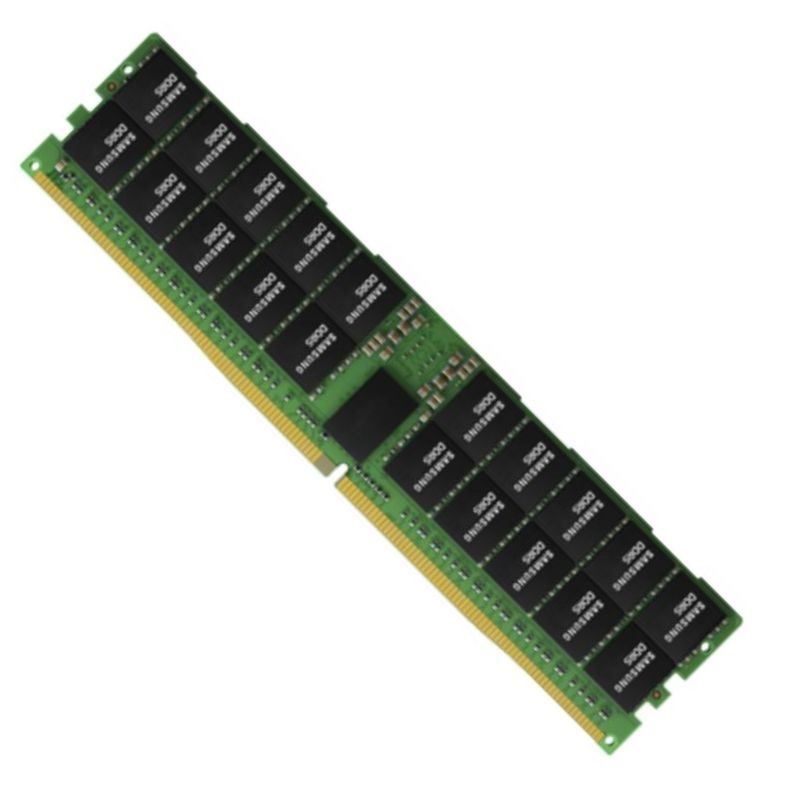
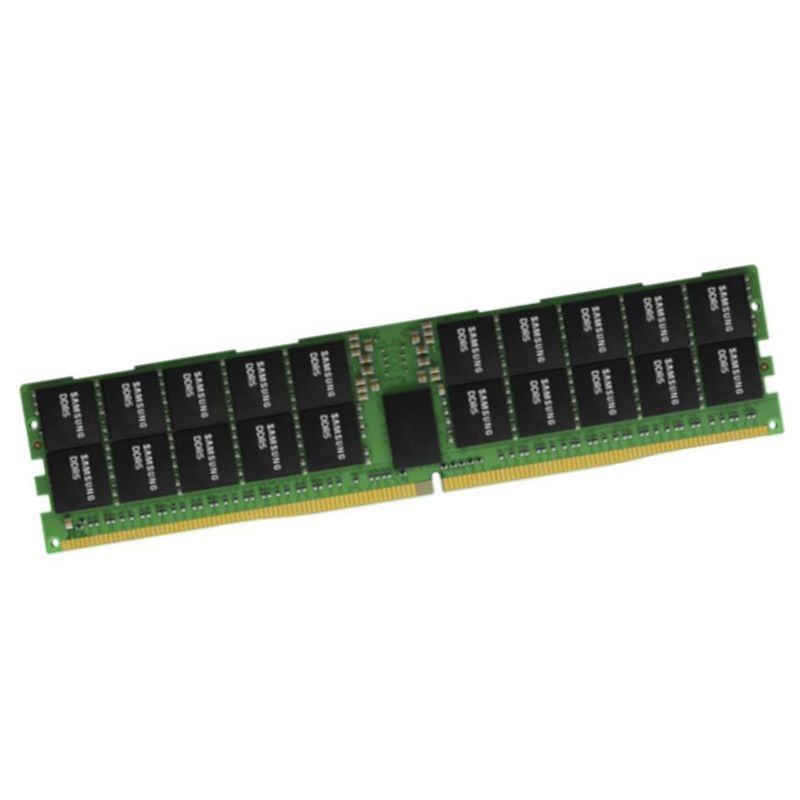
Samsung M321R2GA3BB0-CQKDG 16GB DDR5 RDIMM PC5-38400 Memory Module. New (System) Pull with 1 year replacement warranty
The Samsung M321R2GA3BB0-CQKDG 16GB DDR5 RDIMM PC5-38400 Memory delivers advanced performance, reliability, and efficiency for modern computing systems.
The Samsung M321R2GA3BB0-CQKDG 16GB DDR5 4800Mbps PC5-38400 1Rx8 ECC Registered 1.1V CL40 SDRAM 288-pin RDIMM Memory Module represents a significant step forward in server-grade memory architecture. Designed for next-generation data centers, workstation environments, virtualization infrastructures, and high-efficiency compute clusters, this DDR5 RDIMM module enhances speed, stability, and bandwidth density far beyond its DDR4 predecessors. Its advanced engineering improves multitasking capabilities, data throughput, and sustained performance in resource-intensive workloads. The module integrates error-correcting functionalities, power-efficient voltage controls, refined timing structures, and an optimized PCB layout that ensures consistent data handling and reduced latency under extreme computational pressure. Its compatibility profile positions it as a reliable upgrade for IT administrators seeking better performance and long-term system reliability.
With a frequency rating of 4800Mbps, the Samsung M321R2GA3BB0-CQKDG memory module delivers remarkable performance improvements compared to DDR4 memory technologies that typically peak at lower bandwidth ceilings. The PC5-38400 classification indicates that the memory can support vast data transfer capacities, enabling systems to process applications that demand high-speed access such as large-scale simulations, machine learning models, cloud-native operations, and real-time analytic frameworks. This significant improvement is achieved through advanced signaling technology, optimized memory channels, and refined architecture that controls electromagnetic interference more effectively to maintain stable throughput across all workloads. As enterprises continue to scale their computing environments, the memory’s ability to deliver high-speed responsiveness becomes a crucial backbone for both traditional business-critical tasks and modern data-centric operations.
The Samsung DDR5 RDIMM series introduces a redesigned memory architecture that doubles the burst length and enhances prefetch capabilities, allowing systems to handle larger data blocks more efficiently. This advancement is not merely incremental; it fundamentally transforms the flow of data within enterprise servers by minimizing delays and accelerating memory access cycles. DDR5 introduces dual independent 32-bit subchannels, offering improved command efficiency and parallelism that reduces data contention during peak operations. These refinements significantly benefit multi-threaded processing, database indexing, virtualization stacking, and distributed workloads. The increased performance ceiling ensures that systems can sustain more concurrent operations without experiencing bottlenecks or output distortions, especially under computationally heavy workloads common in modern IT infrastructures.
The ECC Registered design of the Samsung M321R2GA3BB0-CQKDG ensures that memory errors are automatically detected and corrected, maintaining consistent uptime and preventing data corruption in mission-critical environments. By implementing error correction at the hardware layer, the memory module protects system processes from common issues such as bit flips and electrical interference disturbances. Registered DIMM technology further stabilizes data handling by buffering control signals, reducing electrical load on the memory controller, and supporting larger memory configurations. As servers scale upward with multiple populated slots, this buffering mechanism becomes essential for maintaining predictable system behavior. The enhanced stability is particularly important for enterprise-grade servers that host ERP systems, database clusters, virtualization hypervisors, and high-availability application environments.
Operating at 1.1V, the Samsung M321R2GA3BB0-CQKDG memory module improves power consumption efficiency while reducing thermal output. This lower voltage requirement supports data centers that prioritize energy-saving objectives and thermal management strategies, especially in environments with dense rack implementations or extended operational cycles. DDR5’s power management architecture moves voltage regulation modules directly onto the DIMM, improving voltage accuracy and minimizing unnecessary power fluctuations. This localized control enables more consistent performance under heavy workloads while reducing wasteful power draw. Improved efficiency also enhances long-term component longevity, contributing to a more environmentally conscious and cost-effective memory solution for businesses scaling their compute environments.
As memory modules become faster and more densely packed, managing heat output becomes increasingly important. Samsung incorporates advanced thermal design techniques into the M321R2GA3BB0-CQKDG module, including optimized IC placement, improved heat dissipation pathways, and high-quality materials that support sustained throughput without thermal throttling. These innovations ensure that server infrastructures can maintain high performance even during demanding operations such as data analytics processing, AI model training, virtualization stacking, and simultaneous multi-application workloads. By stabilizing heat distribution, the memory module protects itself from premature wear, minimizes risk of thermal-induced errors, and contributes to overall system efficiency.
The 1Rx8 configuration utilized by the Samsung M321R2GA3BB0-CQKDG provides several performance advantages in server environments, including improved signal integrity and faster communication between the memory controller and the module. The single-rank layout allows for quicker access to stored data, ensuring responsive system behavior during sequential processing tasks. This is particularly beneficial in virtualization setups where memory responsiveness determines the performance of hosted virtual machines, containers, and application microservices. The x8 data width enhances efficiency by distributing data across memory banks more evenly, reducing bottlenecks and improving parallel operational capabilities during multi-threaded workloads.
The CL40 latency rating of the Samsung DDR5 RDIMM module balances high-speed performance with predictable data access timing. As DDR5 technology increases bandwidth and introduces new architectural elements, maintaining latency integrity becomes essential for workload stability. The CL40 timing ensures that systems can access frequently used data quickly while also managing high volumes of information being transferred simultaneously. For applications relying on consistent read and write cycles, such as real-time processing, data analytics streaming, and high-frequency transaction systems, predictable latency levels help maintain application performance and prevent performance degradation.
The SDRAM foundation of the Samsung M321R2GA3BB0-CQKDG employs synchronized clocking signals and advanced memory cell structures to optimize data transfers. These enhancements allow the module to operate effectively in environments with rapid command sequences and heavy processing requirements. With synchronized operations, the module reduces timing conflicts and ensures that data flows remain uninterrupted during burst operations. This level of synchronization is critical for enterprise systems that require precise timing coordination, such as AI inference pipelines, multi-layered security processes, and database replication cycles.
The 288-pin RDIMM interface enables large-scale data throughput and strong signal stability. As DDR5 increases data channel density and speed, the interface becomes an essential bridge between the memory module and the server’s motherboard. Samsung engineers this interface to enhance electrical conduction, reduce signal noise, and maintain consistent connectivity between components. The 288-pin layout facilitates broad compatibility with modern server platforms and ensures that systems can leverage the performance capabilities of the module without requiring extensive modifications or specialized components.
Precision engineering of the RDIMM’s pin structure ensures optimal alignment with server sockets, minimizing insertion issues and improving long-term contact reliability. Over extended periods of use, especially in systems that operate 24/7, secure contact points prevent data transfer interruptions and hardware malfunctions. The durability of these contact points contributes to the memory module’s resilience in high-turnover IT environments where systems undergo regular maintenance cycles, testing routines, and software updates.
The Samsung M321R2GA3BB0-CQKDG memory module is built to handle a wide variety of server applications, ranging from general-purpose computing to advanced computational workloads. Its performance profile makes it suitable for enterprise servers, cloud infrastructure nodes, high-performance computing clusters, scientific research servers, and data engineering hubs. The improved bandwidth and error correction capabilities support environments that require near-perfect reliability and consistent performance under fluctuating workloads. As organizations transition to hybrid and multi-cloud models, the memory module’s ability to scale gracefully with increasing compute demands becomes a critical asset.
Modern cloud environments depend heavily on memory performance to maintain the responsiveness and reliability of virtualized systems. The Samsung DDR5 RDIMM module enhances virtual machine density, supports smoother migration operations, and reduces latency across containerized workflows. As workloads shift dynamically between nodes, memory responsiveness ensures that applications continue operating seamlessly. The added capacity for error correction protects multi-tenant environments from disruptions and data mismatches that could otherwise compromise performance or stability.
High-speed DDR5 memory plays a vital role in modern database and analytics engines that require constant read and write operations. The Samsung M321R2GA3BB0-CQKDG module allows database engines to perform indexing, querying, caching, and transaction processes more efficiently. It improves the performance of analytic workloads such as data mining, predictive modeling, and real-time dashboards. In-memory databases benefit significantly from the enhanced bandwidth and lower latency characteristics, enabling faster data retrieval and improved analytics throughput.
Samsung engineers this memory module to meet strict industry standards for durability and long-term performance. Each module undergoes intensive quality testing, including temperature cycling, voltage tolerance checks, stress testing, and signal integrity analysis. These processes ensure that the memory module can operate reliably in mission-critical environments, even under heavy workloads or challenging thermal conditions. The use of premium materials, stable power regulation, and optimized circuit pathways enhances the module’s resilience against physical wear, electrical inconsistencies, and environmental fluctuations.
Samsung’s manufacturing procedures follow rigorous certification standards to guarantee consistent performance across all modules. Each memory chip is selected through a binning process that ensures optimal speed, voltage stability, and error tolerance. This detailed selection process ensures that the module functions flawlessly within large-scale deployments, protecting businesses from unexpected failures or downtime. The reliability built into each module reduces maintenance requirements and operational risks associated with hardware-level failures.
The Samsung M321R2GA3BB0-CQKDG 16GB DDR5 RDIMM module is designed for broad compatibility across new-generation server motherboards and platforms. Its DDR5 architecture aligns with the memory standards used in modern Xeon, EPYC, and other high-performance server processors. System integrators can deploy the module in configurations ranging from single-DIMM setups to multi-channel, heavily populated memory banks. The module’s design ensures that even in large deployments, system performance remains balanced, optimized, and stable. This versatility makes it a suitable choice for organizations scaling their hardware infrastructure to accommodate growing computational needs.
The memory module supports advanced BIOS-level optimization features that allow system administrators to configure memory timing, voltage control, and channel mapping efficiently. These capabilities enable IT teams to fine-tune system performance for specific workloads, whether they require high bandwidth, low latency, or balanced processing. The module’s DDR5-specific features integrate smoothly with modern firmware structures, improving system startup times, enhancing diagnostic accuracy, and providing better overall system monitoring.
As organizations expand their server deployments, memory scalability becomes a critical factor in achieving maximum system efficiency. The Samsung M321R2GA3BB0-CQKDG module performs consistently across multi-DIMM layouts, providing stable operation even in dense memory configurations. Registered buffering plays an essential role in maintaining signal integrity and reducing strain on the memory controller. This ensures that performance remains consistent as capacity increases, allowing enterprises to scale their compute capabilities without sacrificing reliability or throughput.
In today’s data-driven world, server memory performance significantly impacts overall system behavior. The Samsung DDR5 4800Mbps PC5-38400 RDIMM module contributes strategically to IT infrastructures that depend on high uptime, strong data integrity, and predictable performance. Whether supporting traditional enterprise applications or advanced computational workloads, the memory module plays a central role in maintaining seamless digital operations. Its advanced performance capabilities, robust durability, and enhanced energy efficiency ensure that it remains a dependable component for modern enterprise environments.
Hybrid cloud environments rely on flexible and efficient hardware components to maintain operational consistency across distributed platforms. The Samsung DDR5 RDIMM module supports these environments by offering strong performance scalability, rapid data processing, and stable memory behavior. These strengths enable distributed infrastructure to keep pace with the rapid expansion of cloud-native applications, containerized environments, and microservices that require precise memory performance parameters.


 Contact Us
 Information
 Catalog
 Solid State Drives (SSD)
 Network Switches
 Hard Disk Drives
 HBA & Controllers
 PC & Servers
 PC & Server Memory
 CPU & Processors
 Network Routers
 Power Supplies
 Tape Drives & Libraries
 Network Devices
 Computer & Network Cables