(7% discount is applied at checkout)
Cart is empty
Your go-to destination for cutting-edge server products
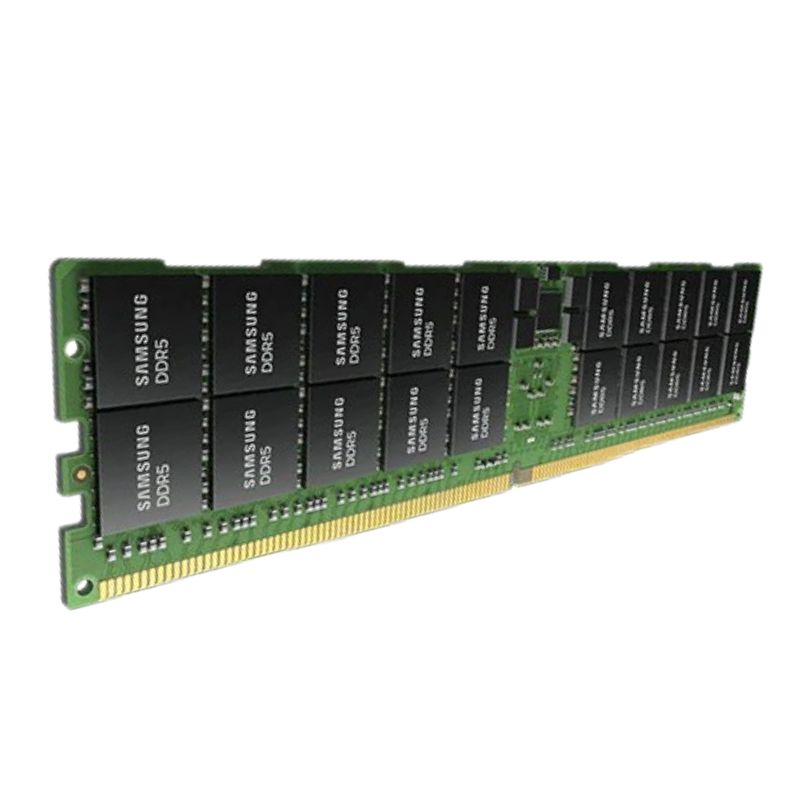


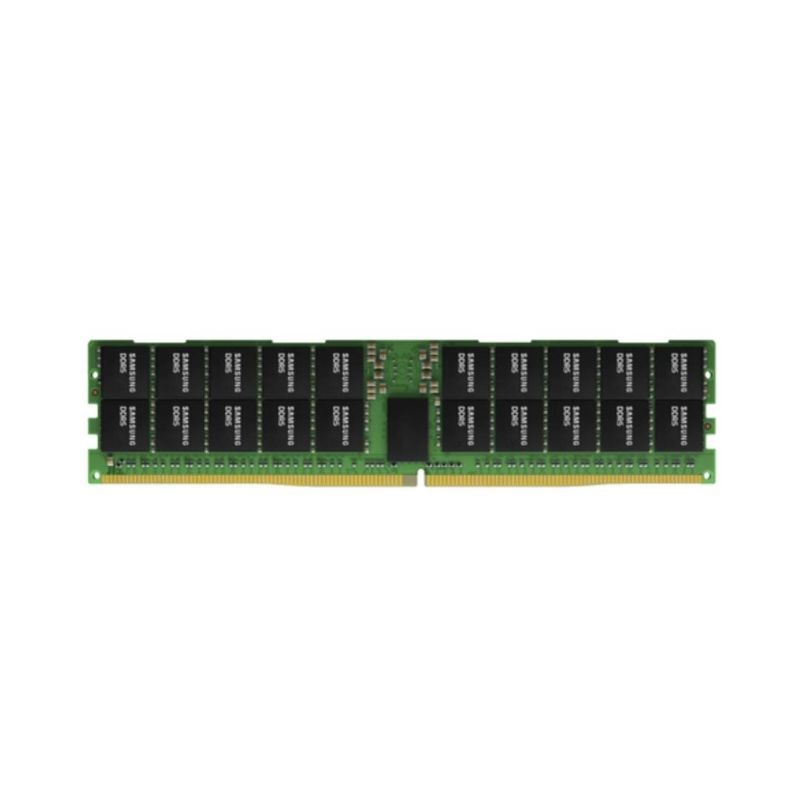
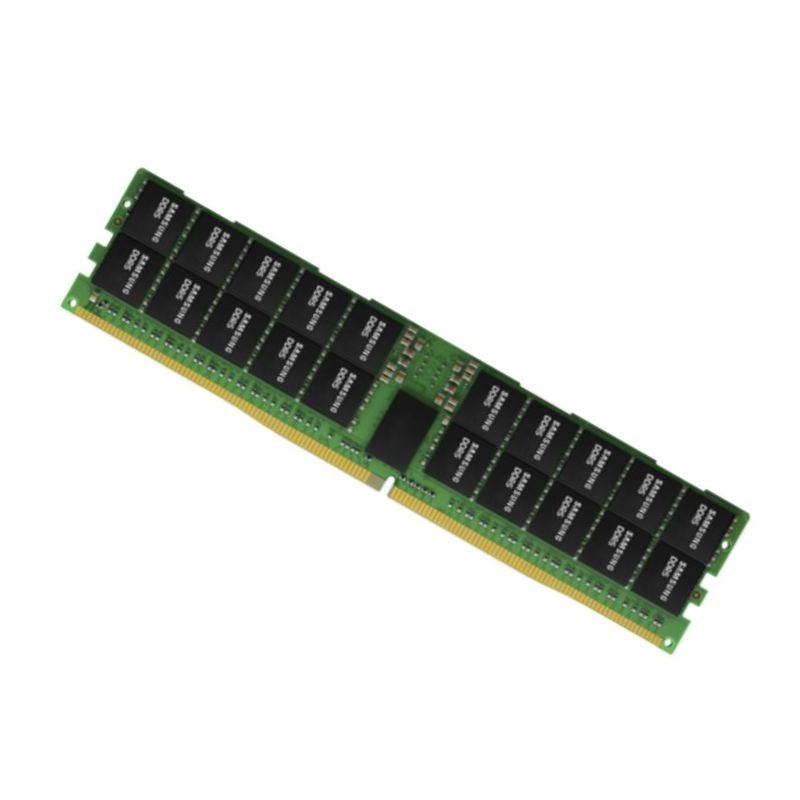
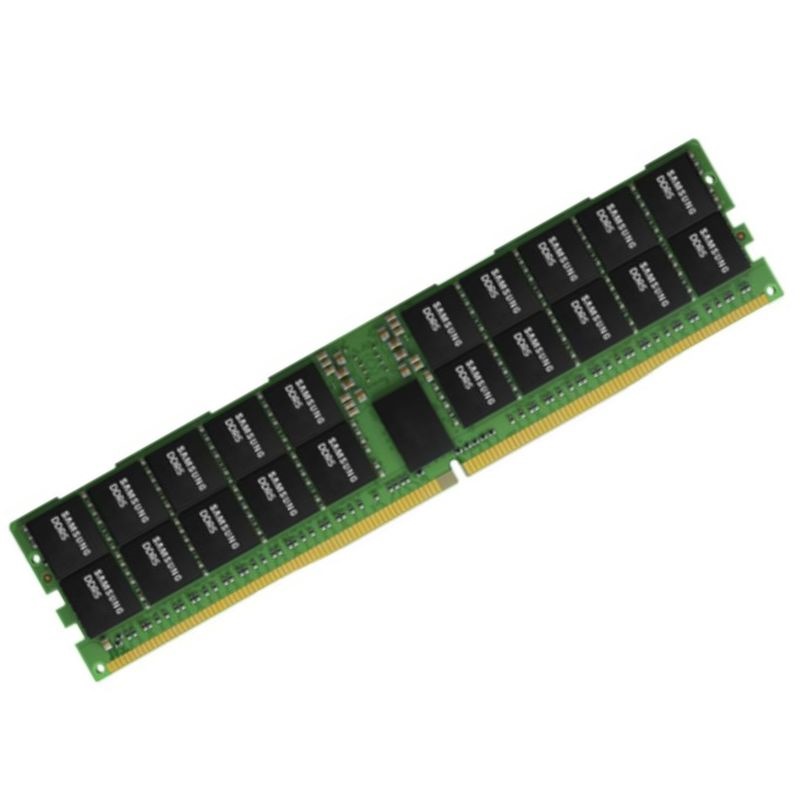
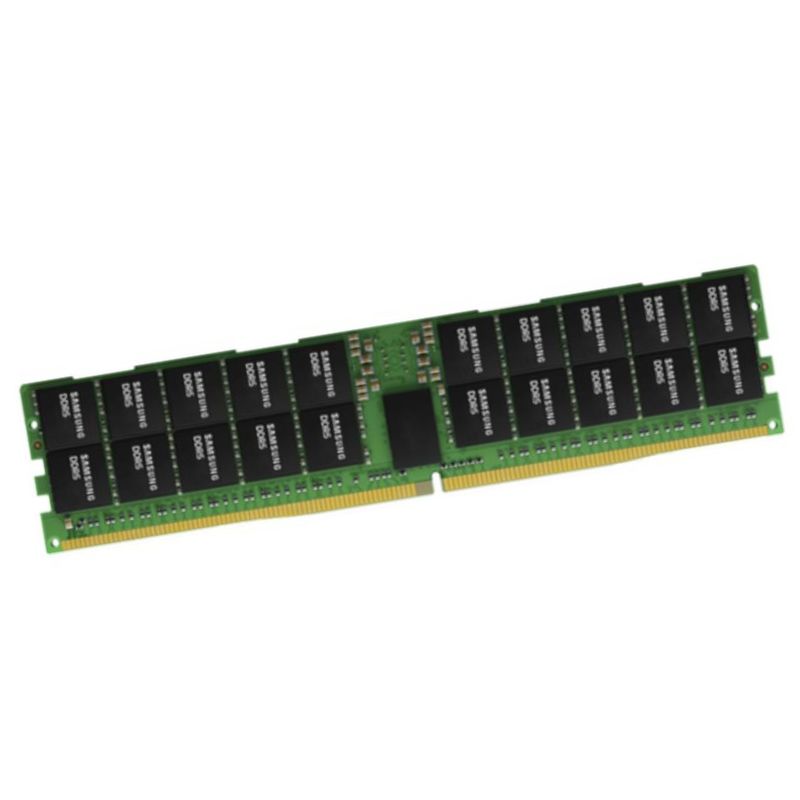
The Samsung M321R2GA3BB0-CQKMG 16GB DDR5 RDIMM PC5-38400 Memory delivers advanced performance, reliability, and efficiency for modern computing systems.
The Samsung M321R2GA3BB0-CQKMG 16GB DDR5 4800mbps PC5-38400 1Rx8 ECC Registered 1.1v CL40 SDRAM 288-pin RDIMM memory module stands within an advanced class of next-generation server memory solutions engineered to elevate data-center performance, consistency, and scalability. This category of DDR5 RDIMM modules marks a significant leap over previous memory standards by offering considerably higher transfer rates, improved power regulation, and superior system reliability supported through integrated error correction capabilities and refined architectural designs. Enterprises that deploy high-volume applications, virtualization platforms, cloud infrastructure, artificial intelligence workloads, and computationally intensive databases rely heavily on such advanced memory technologies to maintain real-time responsiveness and effective throughput across complex server nodes.
Modern servers operate in an environment where large datasets move across the memory bus at extraordinary speeds. DDR5 memory modules such as the Samsung M321R2GA3BB0-CQKMG are tailored to meet these increasing bandwidth requirements through higher data transfer frequencies and more efficient handling of multi-threaded software operations. The transition from DDR4 to DDR5 delivers substantial bandwidth gains driven by dual-channel DIMM architecture within individual modules, enhanced on-die error correction, expanded memory bank groups, and reduced latency interruptions during parallel operations. These characteristics support sustained heavy workloads in data-driven industries where predictable performance is essential for mission-critical tasks.
The category of DDR5 Registered DIMMs introduces signaling refinements such as Decision Feedback Equalization, improved reference voltage stability, and more resilient channel communication. These enhancements mitigate noise and signal losses that commonly surface in high-speed environments. Consequently, memory modules maintain more consistent signal integrity, allowing servers to process uninterrupted streams of information with minimal risk of errors or system interruptions. The Samsung M321R2GA3BB0-CQKMG utilizes these DDR5-specific improvements to achieve 4800mbps transfer capability while sustaining maximum compatibility with enterprise-grade motherboard platforms that support PC5-38400 memory configurations.
DDR5 technology incorporates additional memory banks and bank groups to increase concurrency. These attributes result in smoother command execution across distributed memory blocks, enabling servers to process multiple requests simultaneously without stalling the system's data pipeline. For applications requiring rapid-access cycles such as virtualization layers, distributed cloud platforms, and real-time analytics software, these architectural enhancements dramatically improve overall throughput and contribute to reducing system bottlenecks that have traditionally limited multi-user environments.
Error-Correcting Code Registered DIMMs form a specialized category of memory intended for enterprise-class machines, blade servers, tower servers, high-performance computing units, and mission-critical IT environments. The Samsung M321R2GA3BB0-CQKMG implements ECC technology that automatically identifies and corrects error bits during data transmission, allowing servers to uphold stability even when operating under pressure from sustained computational tasks. ECC stands as a fundamental requirement in environments where data accuracy is non-negotiable, such as government systems, healthcare platforms, financial institutions, and cloud storage networks.
The inclusion of a register buffer in RDIMM modules serves a crucial function in maintaining electrical stability across the memory bus. As server motherboards scale to higher DIMM counts, the buffering mechanism ensures that system memory controllers can reliably communicate with installed memory modules with reduced electrical loading. This feature allows businesses to expand server memory configurations without compromising reliability or encountering transmission errors. The Samsung module operates with a well-integrated registered buffer to maintain efficient signaling, making it a strong option for large-scale deployments where multiple DIMMs per channel are used to increase overall system memory capacity.
The reduction to a 1.1v operating voltage contributes significantly to energy conservation in data centers. Legacy standards consumed greater power and generated more heat, requiring additional cooling resources and leading to higher operational costs. DDR5 modules, including the Samsung M321R2GA3BB0-CQKMG, incorporate an on-module Power Management IC that regulates power distribution more efficiently. Unlike DDR4 modules, which received voltage regulation directly from the motherboard, the DDR5 PMIC ensures optimized and stable power delivery at the module level, reducing conversion losses and voltage fluctuations. The shift in power management contributes to energy savings across multiple memory channels and assists in maintaining steady thermal output within dense rack-mounted server infrastructures.
Continuous server operation places significant stress on internal components. DDR5 RDIMM modules benefit from efficient thermal designs that distribute heat more uniformly across the PCB surface. This contributes to sustained performance levels and mitigates the risk of thermal throttling during prolonged workloads. The Samsung memory module’s construction emphasizes durability and reliable heat dissipation, enabling IT departments to rely on consistent operational performance even when server clusters are processing hundreds of parallel virtual instances or large data models for analytical computations.
The Samsung M321R2GA3BB0-CQKMG is engineered for seamless integration with server architectures supporting DDR5 RDIMM technology, particularly those that require ECC and Registered buffering. Compatibility with systems that support 288-pin DDR5 registered modules ensures that enterprises can deploy the memory within next-generation server platforms based on advanced processing architectures. These systems often feature multi-core CPUs capable of handling vast parallel workloads, making the integration of high-throughput memory modules critical for maximizing performance capabilities. The module’s form factor, timing standards, and operational frequency align with industry specifications for efficient interoperability.
The single-rank 1Rx8 configuration optimizes access times by simplifying the command processing structure. In multi-rank modules, additional switching delays may accumulate, leading to marginally increased latency. A 1Rx8 layout reduces these delays and enhances stability during high-frequency operations. For database handling, virtualization, and compute-heavy workloads, such streamlined access patterns result in smoother task execution and fewer latency spikes across extended operational periods. Enterprises benefit from predictable performance patterns, especially when executing real-time data queries or balancing workloads across multiple virtual environments.
The CL40 timing designation reflects the latency interval necessary for completing command cycles in DDR5-4800 modules. While the numerical value is higher compared to DDR4 modules due to the new architecture, the overall effective latency is reduced because of the significantly increased data throughput and heightened bandwidth capacity. The Samsung module optimizes the balance between timing and transfer rate to sustain consistent multi-core CPU performance. Applications depending on rapid information retrieval and processing, particularly container-based workloads and distributed computing environments, experience smoother performance with optimized memory timing specifications.
Server platforms designed for DDR5 technology often incorporate firmware enhancements that improve memory mapping, timing adjustments, and overall subsystem coordination. With the Samsung M321R2GA3BB0-CQKMG installed, servers may perform automatic calibration during boot sequences, adjusting operational parameters to match optimal DDR5 configuration settings. These firmware interactions ensure stability, reduce error rates, and enhance efficiency across multi-socket systems. Proper firmware alignment contributes to preventing bottlenecks that could otherwise occur due to mismatched memory timings or improper controller configuration.
DDR5 RDIMM memory solutions are essential in industries that require uninterrupted data processing capabilities. The Samsung M321R2GA3BB0-CQKMG supports the acceleration of workloads across numerous sectors by providing consistent high-speed performance coupled with robust error-correction mechanisms. Data centers, cloud computing infrastructures, academic research institutions, engineering simulation environments, and artificial intelligence model training platforms all rely on memory solutions capable of sustained throughput. The transition to DDR5 is driven by the need for immense computational support as data volumes continue to grow.
Virtualized machines, container services, and hyperconverged infrastructure platforms depend heavily on memory scalability. The Samsung M321R2GA3BB0-CQKMG provides the necessary performance characteristics to deploy multiple virtual machines within a single server node while ensuring data integrity and balanced resource allocation. With higher data rates and enhanced memory banking, DDR5 RDIMM modules reduce the likelihood of memory constraints during peak usage sessions. As a result, cloud administrators gain the flexibility to expand user loads, deploy additional instances, and maintain reliable performance without compromising server responsiveness.
Artificial intelligence development environments demand extremely high bandwidth to move large datasets between system memory and CPU cores. DDR5 RDIMM modules with high transfer speeds enable AI workloads to run more efficiently by minimizing memory bottlenecks. The Samsung memory module supports the rapid batch processing operations necessary for machine learning and neural network training. Enhanced concurrency within DDR5 architecture allows model layers to be processed more quickly, contributing to shorter training cycles and improved inference testing performance.
Laboratories, universities, and engineering firms rely on high-performance computing servers that execute complex mathematical simulations, fluid dynamics modeling, molecular calculations, and environmental predictions. These workloads require deterministic memory throughput and reliability, as even minor computational discrepancies can lead to flawed analysis. ECC Registered DDR5 modules ensure accurate calculations through advanced error correction and stable power regulation. The Samsung M321R2GA3BB0-CQKMG is therefore positioned as a dependable component for long-duration computational workloads where accuracy and stability are essential.
DDR5 memory introduces various architectural adjustments intended to advance performance beyond DDR4 standards. These changes affect internal structure, data queue handling, command distribution patterns, and onboard regulation systems. The Samsung M321R2GA3BB0-CQKMG memory module embodies this redesigned architecture, benefiting from increased number of memory banks, refined channel segmentation, and enhanced data-burst capabilities. These elements collectively contribute to efficient transaction management and consistent throughput for servers running modern applications.
DDR5 modules operate with two independent 32-bit channels rather than a single 64-bit channel. This structural change allows commands and data transfers to occur more efficiently by reducing bus contention and improving channel parallelization. The dual-channel arrangement supports more balanced workload distribution, helping servers sustain continuous operations during heavy read-and-write tasks. With this architectural feature, the Samsung module supports predictable memory output even when processing simultaneous data streams essential for multi-user server environments.
DDR5 technology features an increased burst length, allowing more data to be moved in a single transaction. Prefetching capabilities are also enhanced, ensuring that memory modules can prepare larger blocks of data before they are needed. These advancements assist processors in maintaining fluid task execution. When servers perform operations that require repetitive access patterns, such as data indexing or parallel computing workloads, enhanced burst handling ensures that data is readily accessible and reduces waiting cycles.
On-die error correction improves internal reliability by identifying and correcting bit-level issues before data leaves the memory chips. This internal correction mechanism operates independently of system-level ECC, giving DDR5 memory an added layer of protection against transient electrical errors. The combination of on-die ECC and server-level ECC broadens the system’s capability to maintain accurate memory operations. As a result, servers equipped with the Samsung M321R2GA3BB0-CQKMG maintain data integrity even under intense workloads or in electrically noisy environments.


 Contact Us
 Information
 Catalog
 Solid State Drives (SSD)
 Network Switches
 Hard Disk Drives
 HBA & Controllers
 PC & Servers
 PC & Server Memory
 CPU & Processors
 Network Routers
 Power Supplies
 Tape Drives & Libraries
 Network Devices
 Computer & Network Cables