Your go-to destination for cutting-edge server products
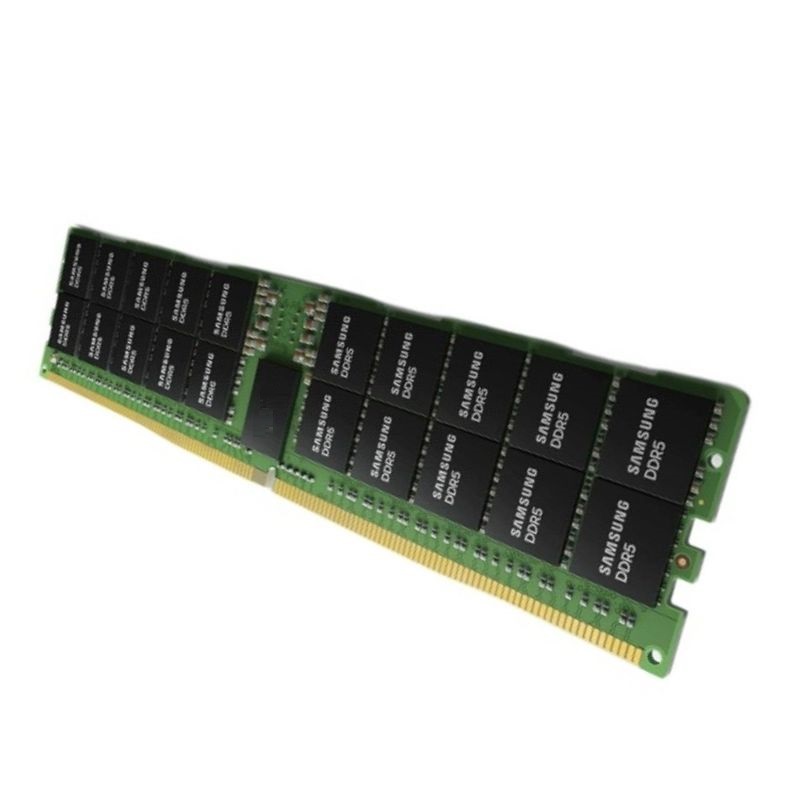
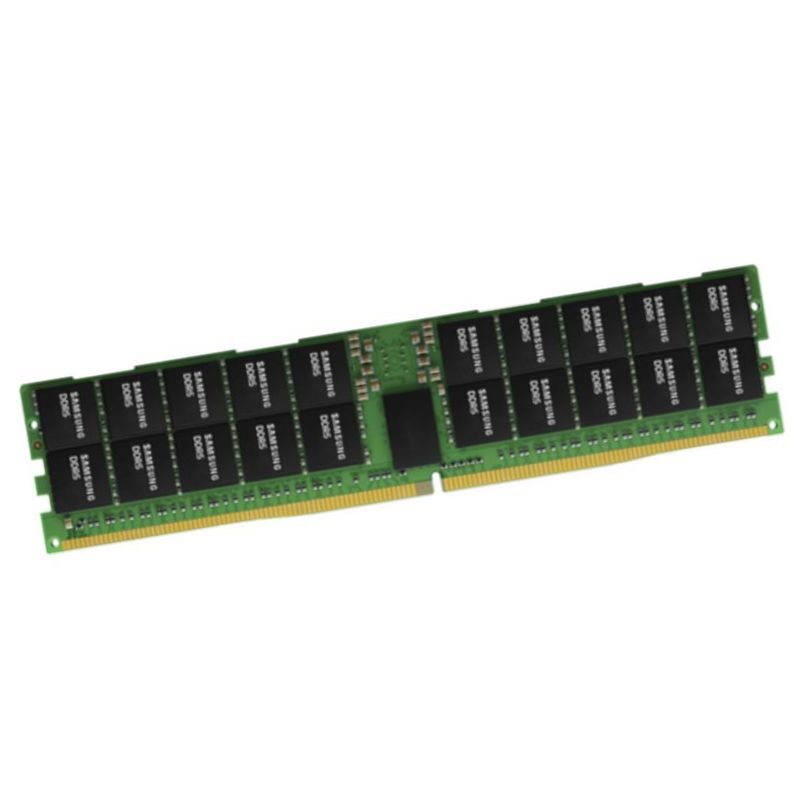
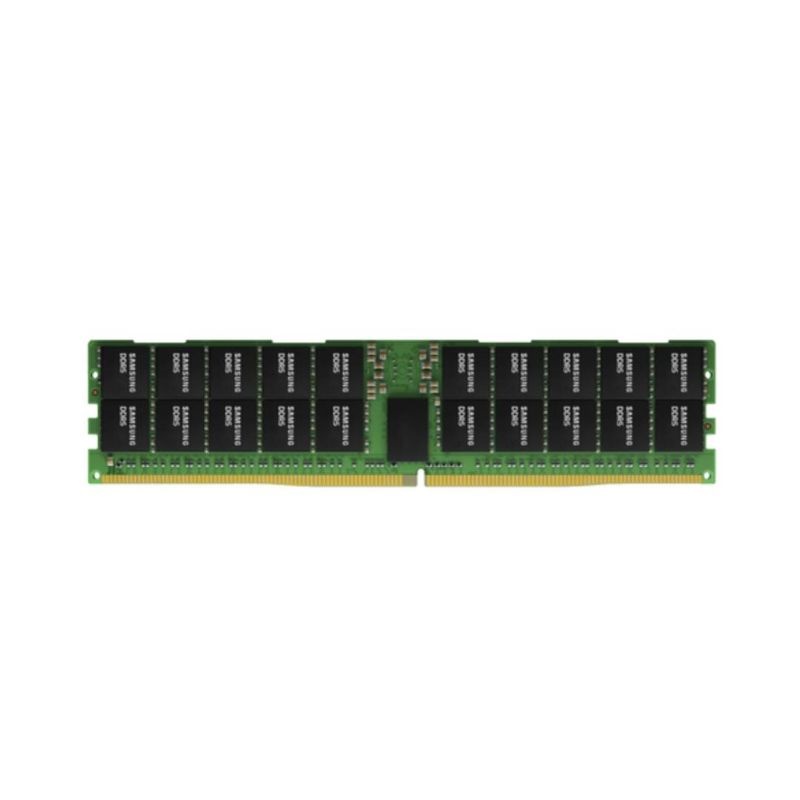
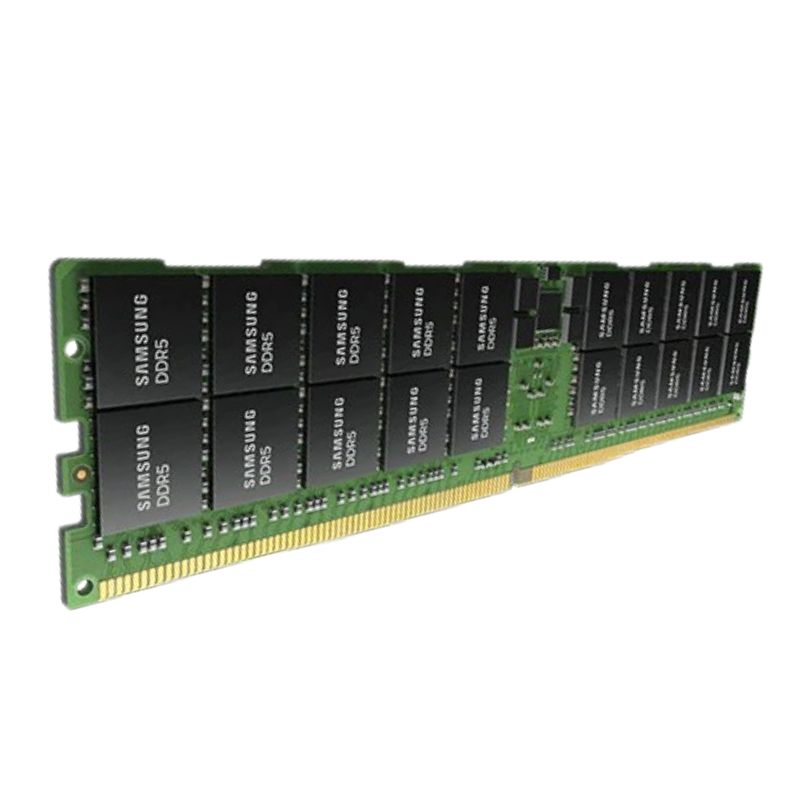
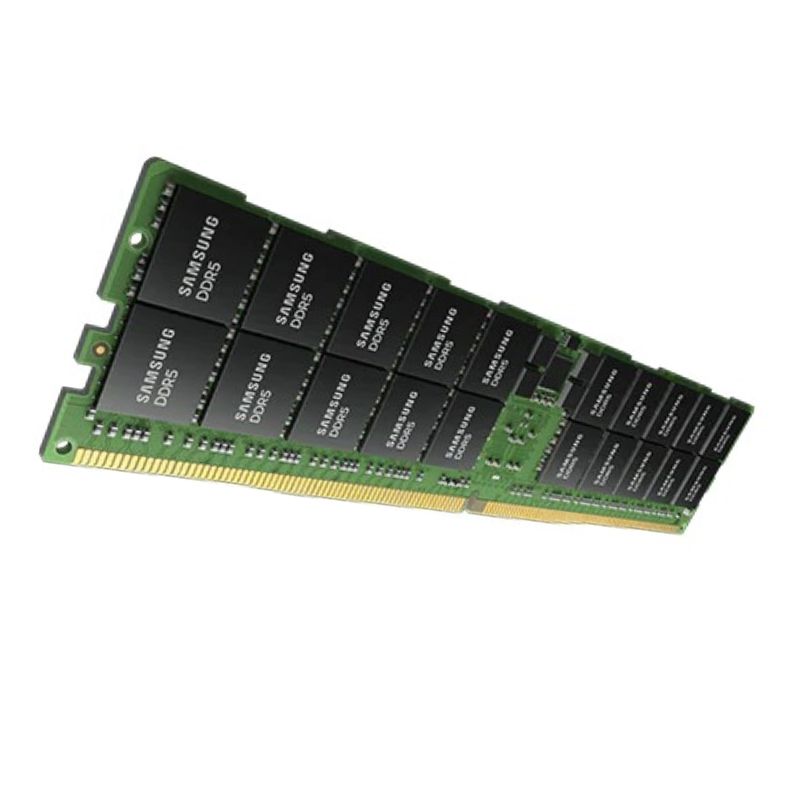
Samsung M321R2GA3BB0-CWMQH 16GB SDRAM PC5-44800 288-pin Memory

M321R2GA3BB0-CWMQH
* Product may have slight variations vs. image
Hover on image to enlarge

Brief Overview of M321R2GA3BB0-CWMQH

Samsung M321R2GA3BB0-CWMQH 16GB SDRAM ECC Registered 288-pin DDR5 PC5-44800 Memory. New (System) Pull with 1 year replacement warranty

$314.55
$233.00
You save: $81.55 (26%)
Ask a question
Price in points: 233 points
+
Quote
Additional 7% discount at checkout
SKU/MPNM321R2GA3BB0-CWMQHAvailability✅ In StockProcessing TimeUsually ships same day ManufacturerSamsung Manufacturer WarrantyNone Product/Item ConditionNew (System) Pull with 6-Months Replacement Warranty ServerOrbit Replacement Warranty1 Year Warranty
Google Top Quality Store Customer Reviews
Our Advantages
Payment Options
  • — Visa, MasterCard, Discover, and Amex
  • — JCB, Diners Club, UnionPay
  • — PayPal, ACH/Bank Transfer (11% Off)
  • — Apple Pay, Amazon Pay, Google Pay
  • — Buy Now, Pay Later - Affirm, Afterpay
  • — GOV/EDU/Institutions PO's Accepted 
  • — Invoices
Delivery
  • — Deliver Anywhere
  • — Express Delivery in the USA and Worldwide
  • — Ship to -APO -FPO
  • For USA - Free Ground Shipping
  • — Worldwide - from $30
Description

Samsung M321R2GA3BB0-CWMQH DDR5 ECC Registered Server Memory

The Samsung M321R2GA3BB0-CWMQH 16GB DDR5 SDRAM Registered DIMM module is engineered to deliver high bandwidth, exceptional reliability, and outstanding data processing performance for enterprise-grade servers and data center systems. Designed for demanding workloads, it offers advanced error correction, faster transfer speeds, and enhanced stability, making it a vital upgrade for IT infrastructure that requires efficiency and dependability.

Key Information 

  • Brand: Samsung
  • Part Number: M321R2GA3BB0-CWMQH
  • Product Type: SDRAM DDR5 Memory Module

Key Highlights of Samsung 16GB DDR5 5600MHz RDIMM

  • Memory Capacity: 16GB single module (1x16GB)
  • High-Speed Data Rate: DDR5-5600 / PC5-44800
  • Error Correction: ECC functionality for data integrity
  • Registered DIMM (RDIMM) design for stable multi-module configurations
  • CAS Latency: CL46 for reduced delays in data access
  • Rank Layout: 1Rx8 for efficient channel utilization
  • Voltage: Optimized at 1.1V for improved energy efficiency
  • Form Factor: 288-pin RDIMM for server compatibility

Enhanced Server Performance and Reliability

This Samsung DDR5 ECC Registered memory module is crafted for mission-critical computing. With ECC support, it ensures accurate data transmission by detecting and correcting memory errors. Its registered buffer stabilizes signal integrity, allowing servers to scale with multiple DIMMs while maintaining consistent performance under heavy workloads.

ECC Registered Memory Matters

ECC (Error-Correcting Code) technology plays a crucial role in minimizing system crashes and preventing corrupted data, making it indispensable for industries where precision is vital, such as:

  • Cloud computing and virtualization environments
  • High-performance computing (HPC) clusters
  • Enterprise databases and transaction-heavy workloads
  • AI, machine learning, and big data processing

DDR5 Technology Advantages

The leap from DDR4 to DDR5 introduces significantly faster speeds and greater bandwidth, which improves multitasking and parallel processing for servers. Samsung’s DDR5 RDIMM ensures:

  • Higher data transfer rates compared to DDR4
  • Improved system responsiveness for critical tasks
  • Optimized energy usage with lower operating voltage
  • Support for advanced workloads requiring greater memory capacity per channel

Bus Speed and Latency Performance

With a bus speed of 5600 MT/s and CAS latency of CL46, this module ensures quick data retrieval and smooth performance even during peak operational loads. The balance between high frequency and stable latency optimizes both real-time and long-term computing operations.

Physical Specifications and Compatibility

  • Form Factor: Standard 288-pin Registered DIMM
  • Module Height: 1.00 inch
  • Depth: 6.75 inches
  • Durable construction for long-lasting use

The 288-pin RDIMM layout guarantees full compatibility with a wide range of modern enterprise server platforms. It integrates seamlessly into rack-mounted systems and blade servers designed for DDR5 support.

Optimized for Modern Data Centers

Samsung’s memory solutions are tailored for scalable environments. This module is designed to handle:

  • Virtualized infrastructure running multiple VMs
  • Large-scale cloud storage and database servers
  • AI-driven analytics requiring low latency and high throughput
  • Financial modeling and scientific simulations

Energy-Efficient Server Memory

Operating at just 1.1V, this DDR5 RDIMM lowers power consumption while delivering faster speeds. Energy efficiency translates into reduced operating costs for enterprises and greener data centers.

Key Benefits of Low-Power DDR5

  • Minimized heat generation for better thermal management
  • Reduced overall power draw in high-density server racks
  • Extended server lifespan due to stable voltage regulation

Samsung Reliability and Build Quality

As one of the world’s leading semiconductor manufacturers, Samsung ensures its server memory modules are rigorously tested for performance, endurance, and stability. This guarantees reliable uptime and data integrity even in 24/7 server operations.

Industry Use Cases

  • Enterprise IT systems requiring consistent availability
  • Mission-critical environments such as healthcare and finance
  • Research institutions running data-intensive simulations
  • Telecommunications infrastructure demanding low latency
Reason of Choose Samsung DDR5 Server Memory

Samsung DDR5 Registered DIMMs deliver a combination of speed, efficiency, and reliability that sets a new standard in enterprise computing. With its balance of high-speed bandwidth and advanced ECC support, the Samsung M321R2GA3BB0-CWMQH module provides long-term scalability for organizations seeking next-generation server performance.

Overview of Samsung M321R2GA3BB0-CWMQH 16GB DDR5 ECC Registered Memory

The Samsung M321R2GA3BB0-CWMQH is a 16GB DDR5 ECC Registered (RDIMM) module designed for modern servers and high-performance workstations that demand stability, bandwidth, and predictable latency under sustained load. Built on Samsung’s proven DRAM process technology, this 288-pin PC5-44800 module targets enterprises, research labs, cloud platforms, and creative production environments seeking dependable memory infrastructure. As a Registered DIMM with on-DIMM register and ECC (Error-Correcting Code), it reduces electrical loading on the memory bus, supports larger total capacities per system, and actively detects and corrects common single-bit errors to enhance uptime and data integrity.

Classified as PC5-44800, this module aligns with DDR5-5600 effective data rate capability (when platform-qualified), delivering up to 44.8 GB/s per module in ideal conditions. While peak speed depends on CPU generation, motherboard topology, and populated DIMM count, DDR5 architecture introduces dual 32-bit subchannels per DIMM, on-module PMIC (Power Management IC), and fine-grained burst operations. Together, these innovations help servers scale core counts and thread throughput without memory bandwidth becoming a bottleneck. The M321R2GA3BB0-CWMQH sits squarely in the category of 16GB RDIMMs, a versatile capacity point that balances cost and density across 8-slot, 12-slot, or 16-slot server boards.

 Serves This Category 

Memory modules in the DDR5 ECC Registered 16GB category serve organizations that need reliable performance, tight error control, and easy capacity planning. Typical customers include:

  • Virtualization hosts: Hypervisors running dense VM clusters benefit from ECC and registered signaling for stability during memory-intensive consolidation.
  • Database servers: OLTP and OLAP engines, in-memory analytics, caching layers, and column stores require high bandwidth and low error rates to maintain ACID properties and query predictability.
  • HPC & scientific computing: Simulation, modeling, and bioinformatics pipelines depend on large memory footprints with robust integrity to avoid silent data corruption.
  • Media & post-production: Real-time compositing, 8K color grading, and VFX rendering often need fast buffers and reliable caches during lengthy renders.
  • Edge & telecom: MEC nodes and 5G core infrastructure rely on uptime; ECC RDIMM reduces mission-critical risk from transient errors.

Core Specifications and Terminology

Form Factor and Pinout

The M321R2GA3BB0-CWMQH uses the standard 288-pin RDIMM form factor for DDR5 servers. While the pin count matches DDR4 mechanically, the key notch position and electrical design differ; DDR5 RDIMMs are not backward-compatible with DDR4 sockets.

Capacity and Organization

16GB capacity offers a flexible building block for scaling to typical server footprints: 64GB, 128GB, 256GB, 512GB or higher, depending on slot count. Internally, DDR5 utilizes two independent 32-bit subchannels per DIMM (plus ECC), which improves parallelism and efficiency versus DDR4’s single 64-bit channel per DIMM.

Speed Grade and Bandwidth

Labeled PC5-44800, the module aligns with data rates up to 5600 MT/s on supported platforms. Theoretical peak bandwidth per module is approximately 44.8 GB/s. Real-world throughput depends on memory controllers, ranks per channel, and BIOS settings, but DDR5’s dual-subchannel architecture enhances sustained performance in multi-threaded workloads.

ECC and Registered (Buffered) Design

ECC adds parity bits to detect and correct single-bit errors and detect multi-bit faults, reducing crash risk and silent data corruption. Registered (buffered) signaling places a register between the memory controller and DRAM chips to reduce electrical load, enabling higher capacities and improved signal integrity across multi-DIMM channels.

On-DIMM Power Management

DDR5 introduces an integrated PMIC on the DIMM, moving voltage regulation closer to the memory chips. This enhances power delivery precision, potentially improving efficiency and stability under heavy workloads and varying thermal conditions.

Compatibility and Platform Guidance

As a DDR5 RDIMM, the Samsung M321R2GA3BB0-CWMQH targets server-class platforms that explicitly support ECC Registered memory. Typical compatible environments include current-generation server CPUs and workstation boards with server chipsets. Always consult the motherboard’s Qualified Vendor List (QVL) or server manual to confirm supported speeds and maximum DIMM population rules.

Common Compatibility Considerations

  • CPU and chipset: Ensure the processor’s memory controller supports DDR5 RDIMM and the rated speed tier. Speed may downshift when all channels are fully populated.
  • DIMM rank and population: Observe vendor guidelines for mixing capacities, ranks, and speeds. Balanced population typically yields the best performance.
  • Thermal envelope: Server chassis airflow and proper placement of fans and baffles help keep DIMM temperatures within spec, preserving reliability.
  • BIOS/UEFI settings: Update to the latest firmware to gain optimized DDR5 training, stability fixes, and microcode improvements.

Mixing With Other DDR5 RDIMM Modules

For predictable behavior, use identical modules across channels. Mixing different capacities or speed grades is often supported but can reduce overall speed to the lowest common denominator. ECC and registered attributes must match (RDIMM with RDIMM; do not mix with UDIMM or SO-DIMM types).

Performance Characteristics for Real-World Workloads

In production servers, the benefit of PC5-44800 DDR5 RDIMMs manifests as improved transaction throughput, shorter job completion times, and higher VM density. The dual-subchannel DDR5 layout can reduce contention when multiple threads access memory concurrently, especially in NUMA-aware applications.

Latency vs. Bandwidth

DDR5 is engineered to increase bandwidth per DIMM while keeping latency competitive. Workloads sensitive to latency (e.g., certain HFT or microservice patterns) still profit from the architecture’s subchannels and improved prefetching, while bandwidth-bound workloads (scientific compute, rendering, large-scale ETL) see even greater gains.

Scaling Strategy

  • Channel saturation: Populate all memory channels before adding second or third DIMMs per channel. This approach maximizes parallel bandwidth.
  • NUMA alignment: On dual-socket or multi-socket boards, balance DIMMs across memory controllers for each CPU to minimize remote memory access penalties.
  • Rank interleaving: Use BIOS options (where available) to enable interleaving for smoother throughput and reduced hot spots.

Reliability, Availability, and Serviceability (RAS)

ECC RDIMMs like the M321R2GA3BB0-CWMQH are fundamental to enterprise RAS strategies. By correcting single-bit errors and detecting more severe faults, they guard against random soft errors caused by cosmic radiation, electrical noise, or marginal signal integrity. When errors do occur, server logs can report correctable error counts, guiding proactive maintenance and DIMM replacement before escalation.

Error Detection and Correction Pathways

  • Single-bit correction: Corrects common transient faults automatically without interrupting workloads.
  • Multi-bit detection: Flags uncorrectable conditions for OS/firmware handling, preventing undetected data corruption.
  • Patrol scrubbing: Many servers implement periodic background checks to remediate soft errors preemptively.

Thermal and Power Considerations

DDR5’s PMIC improves regulation efficiency, yet proper airflow remains essential. In dense 1U or 2U servers, ensure DIMM banks receive direct airflow from front intake fans. Monitor temperatures via BMC/IPMI or vendor tools, especially in fully populated configurations. Lower operating temperatures generally correlate with reduced error rates and extended component longevity.

Use Cases by Industry

Cloud and Hosting Providers

Providers standardize on 16GB RDIMMs to craft flexible node templates. Mix-and-match population enables 128–512GB per node cost-effectively, tailoring instances from memory-optimized to compute-optimized profiles without inventory complexity.

Financial Services

Risk models and Monte Carlo simulations thrive on bandwidth and integrity. ECC reduces the probability of spurious outliers caused by memory faults, safeguarding model validation and audit trails.

Healthcare and Life Sciences

Genome assembly, molecular dynamics, and medical imaging pipelines demand large, trustworthy working sets. DDR5 PC5-44800 modules accelerate alignment and reconstruction steps while preserving data fidelity subject to regulatory scrutiny.

Media, Entertainment, and Design

Real-time engines and render farms handle massive textures and caches. DDR5’s throughput shortens iteration cycles, and ECC helps avoid silent errors that can compromise frames deep into a long render.

Manufacturing and CAD/CAE

Finite element analysis (FEA) and computational fluid dynamics (CFD) benefit from increased per-node bandwidth, improving solver performance and enabling finer meshes within the same time window.

Capacity Planning With 16GB RDIMMs

16GB modules provide excellent granularity for diverse workloads. Consider per-core memory sizing (e.g., 2–6 GB per vCPU) as a starting point, then refine based on application telemetry. For databases, measure buffer hit ratios and page faults; for VMs, review ballooning and swapping metrics; for HPC, benchmark solver scaling with varying node memory.

Example Configurations

  • Virtualization node (balanced): 8 slots × 16GB = 128GB for mixed VM roles.
  • Database node (moderate memory): 12 slots × 16GB = 192GB for mid-size OLTP.
  • Compute node (dense bandwidth): 16 slots × 16GB = 256GB while saturating all channels.

Samsung for DDR5 RDIMM

Samsung is a vertically integrated DRAM manufacturer known for process maturity, yield quality, and long-term component availability. For IT planners, supply chain reliability matters as much as speed. The M321R2GA3BB0-CWMQH leverages these advantages with consistent binning, thermal design, and signal integrity.

Key Advantages

  • Consistency: Tight quality control across lots contributes to predictable deployment outcomes.
  • Ecosystem validation: Broad testing with server OEMs and board vendors helps reduce integration risk.
  • Energy considerations: DDR5 PMIC and refined DRAM processes can offer better performance per watt versus prior generations.

Security, Compliance, and Data Integrity

While memory modules do not directly encrypt data, they play an essential role in secure architectures. ECC reduces risk of bit flips affecting sensitive calculations or keys in RAM, complementing technologies such as Secure Boot, TPM-based attestation, and OS-level memory encryption where supported by CPUs.

Audit and Logging Practices

  • Monitor correctable error rates: Use IPMI/BMC logs and OS telemetry; rising counts may indicate DIMM aging or thermal issues.
  • Lifecycle management: Track installation date, slot location, and firmware revisions to expedite replacement if needed.
  • Change control: Document BIOS settings related to memory speed, interleaving, and RAS features.

Comparisons Within the Category

16GB vs 32GB RDIMM

16GB RDIMM modules excel at fine-grained scaling and cost efficiency, especially when you need to populate all channels first. 32GB RDIMM modules reduce the number of physical DIMMs required for higher totals, which can simplify airflow and sometimes preserve higher speeds under heavy population, albeit at a higher unit cost.

DDR5 PC5-44800 vs Lower Tiers

Compared to lower speed grades, PC5-44800 offers more headroom for bandwidth-bound workloads. However, real benefits depend on your CPU’s memory controller and channel utilization. In heavily populated systems, the attainable speed may equalize across modules, making channel population strategy as important as the module’s rated speed.

RDIMM vs UDIMM

RDIMM targets servers with higher capacity and stability requirements, while UDIMM (unbuffered) is common in desktop or entry workstation platforms. RDIMM’s register allows more DIMMs per channel and better signal integrity; ECC UDIMM may exist on certain platforms, but compatibility and capacity ceilings differ substantially.

Detailed Feature Breakdown

Dual 32-Bit Subchannels

Each DDR5 RDIMM exposes two independent subchannels. This reduces bank conflicts and improves parallel read/write concurrency. Applications with mixed small and large memory transactions benefit from smoother throughput compared to single-channel DIMMs.

On-Die ECC (DRAM internal) and Module-Level ECC

Beyond traditional module-level ECC visible to the system, DDR5 DRAM devices incorporate internal correction mechanisms that help maintain stable operation under high frequency, further reducing the likelihood of data access anomalies.

Improved Refresh Schemes

DDR5 refines refresh operations with fine-granularity options that help mitigate pause overhead on large arrays. The result is better effective bandwidth, particularly under sustained, random access workloads common to databases and cache layers.

Planning for Mixed Workloads

Modern servers frequently juggle containerized services, batch jobs, real-time APIs, and analytics sidecars. To avoid resource contention:

  • Allocate memory reservations and limits per container or VM to prevent noisy-neighbor effects.
  • Spread DIMMs across channels evenly for symmetrical bandwidth.
  • Use telemetry (Prometheus, CloudWatch, vCenter, etc.) to monitor memory pressure and page fault rates.

NUMA-Aware Deployment

In dual-socket servers, pin workloads to the CPU whose memory they primarily consume. NUMA alignment reduces remote memory access latency and better exploits the bandwidth available from fully populated channels with 16GB RDIMMs like the M321R2GA3BB0-CWMQH.

Deployment Patterns and Best-Value Builds

For balanced value, many admins start with one 16GB RDIMM per channel to maximize bandwidth, then scale capacity by adding a second DIMM per channel. This approach leverages the module’s price point while tapping DDR5’s parallelism. In environments where licensing or per-core economics dominate, prioritize channel fill for performance, then add capacity to hit target memory-per-core ratios.

Illustrative Memory Maps

  • 8-Channel CPU: 8 × 16GB = 128GB baseline; expand to 256GB with 16 modules.
  • 12-Channel dual-socket: 12 × 16GB = 192GB baseline; expand to 384GB with 24 modules.
  • 16-Channel dual-socket: 16 × 16GB = 256GB baseline; expand to 512GB with 32 modules.

Thermal Design and Data Center Layout

Memory sits directly in the chassis airflow path. When adding many 16GB RDIMMs, review fan profiles and air shrouds. Keep inlet temperatures within recommended ranges and ensure even pressure across banks. Hot spots often occur near CPU sockets; reposition high-draw PCIe cards if they obstruct flow.

Future-Proofing Considerations

As CPU generations advance, validated memory speeds may increase and channel counts can grow. Investing in DDR5 RDIMMs like the M321R2GA3BB0-CWMQH positions your infrastructure for in-place CPU upgrades where platform roadmaps permit. The 16GB capacity remains useful as a baseline building block even as higher densities become cost-effective.

Scalability Paths

  • Start with one DIMM per channel; scale to two per channel as demand rises.
  • Mix in higher-capacity RDIMMs in later phases if platform allows, following vendor guidance.
  • Leverage NUMA-aware orchestrators to keep workloads near their memory.

PC5-44800 (DDR5-5600) Server Memory

Speed-focused sub-categories should highlight the performance story: bandwidth per core, dual-subchannel concurrency, and benefits for analytics and compute. Include cautionary notes about speed scaling under full population and the importance of firmware currency.

Samsung Enterprise DRAM

Brand-specific sub-pages benefit from trust messaging: longevity of support, lot consistency, and cross-OEM validation. Provide links or references to platform QVLs and typical server OEM compatibility statements.

Editorial Copy for Search Relevance

If you’re indexing the Samsung M321R2GA3BB0-CWMQH 16GB DDR5 ECC Registered 288-pin PC5-44800 Memory under an enterprise memory category, incorporate related keyphrases users naturally search for, such as server RAM DDR5 RDIMM 16GB ECC, data center memory 288-pin PC5-44800, and DDR5 registered DIMM for servers. Keep language clear and technical, avoiding ambiguity with consumer UDIMM products.

Real-World Outcomes and Metrics

Organizations upgrading from DDR4 often report improvements in parallel task throughput, reduced job runtimes, and better VM consolidation as memory ceases to be the principal bottleneck. DDR5’s architectural changes—especially dual subchannels and refined refresh—translate to more consistent latency distribution under pressure. ECC Registered design further ensures that performance gains don’t come at the cost of reliability.

Measure Post-Deployment

  • Per-node memory bandwidth during stress tests compared to prior generation.
  • VM density and oversubscription ratios at acceptable performance levels.
  • Error rates and thermal stability across seasons.
  • Job completion time for representative analytics or rendering workloads.
Features
Manufacturer Warranty:
None
Product/Item Condition:
New (System) Pull with 6-Months Replacement Warranty
ServerOrbit Replacement Warranty:
1 Year Warranty