(7% discount is applied at checkout)
Cart is empty
Your go-to destination for cutting-edge server products
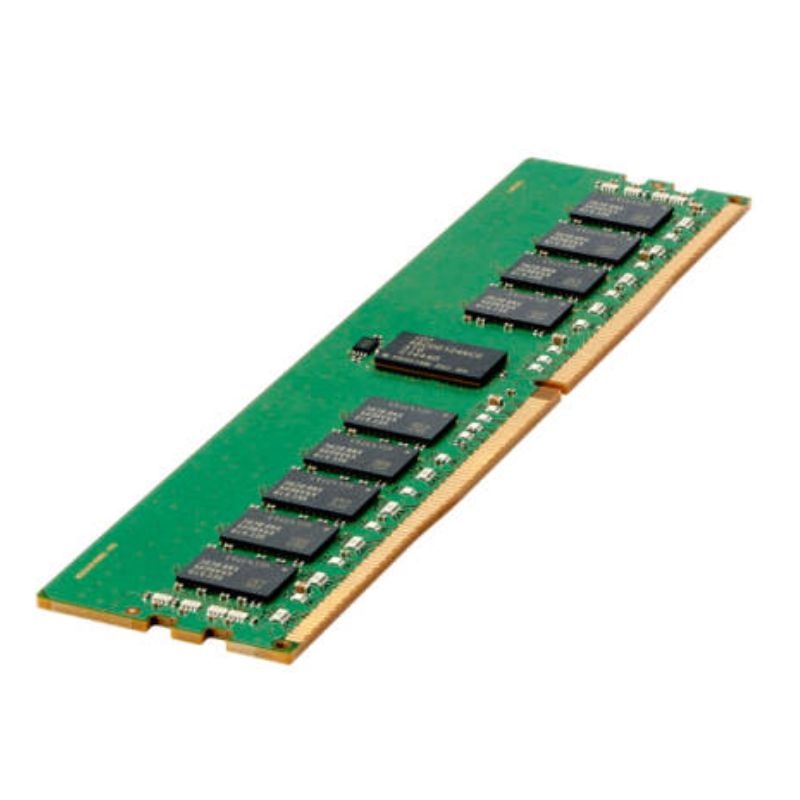


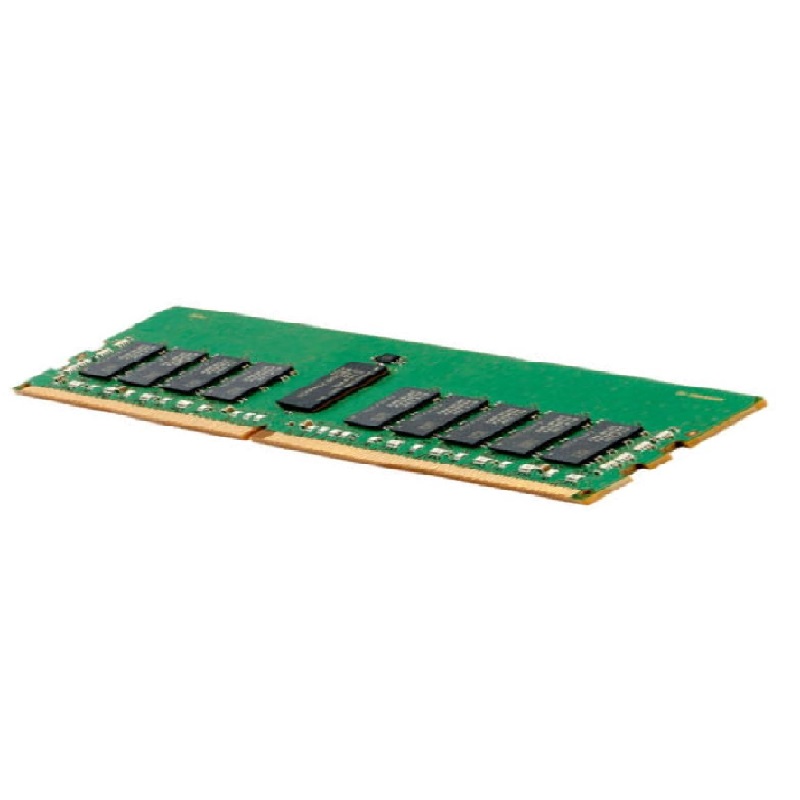
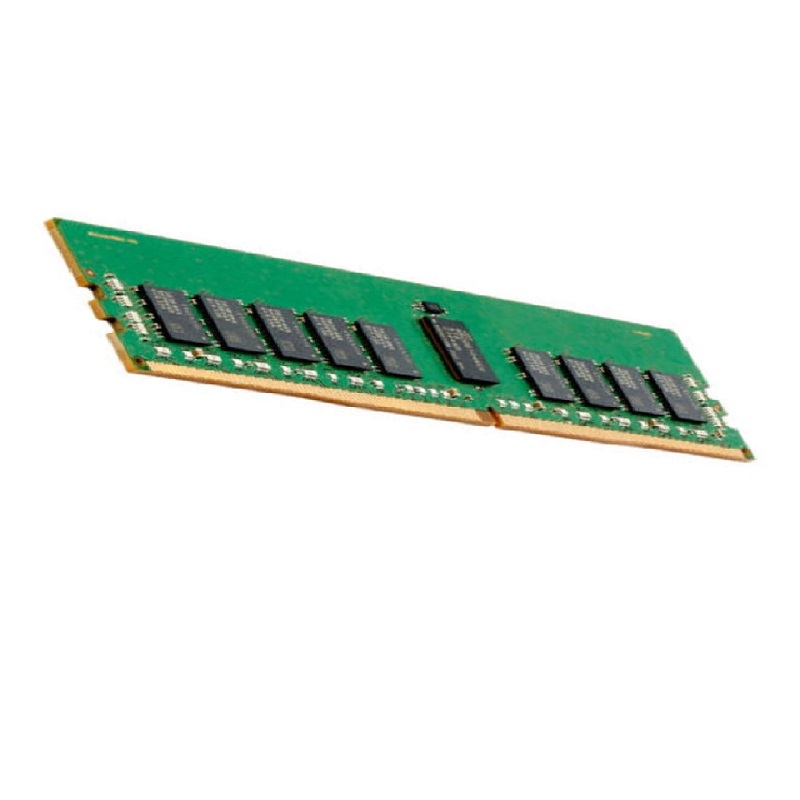
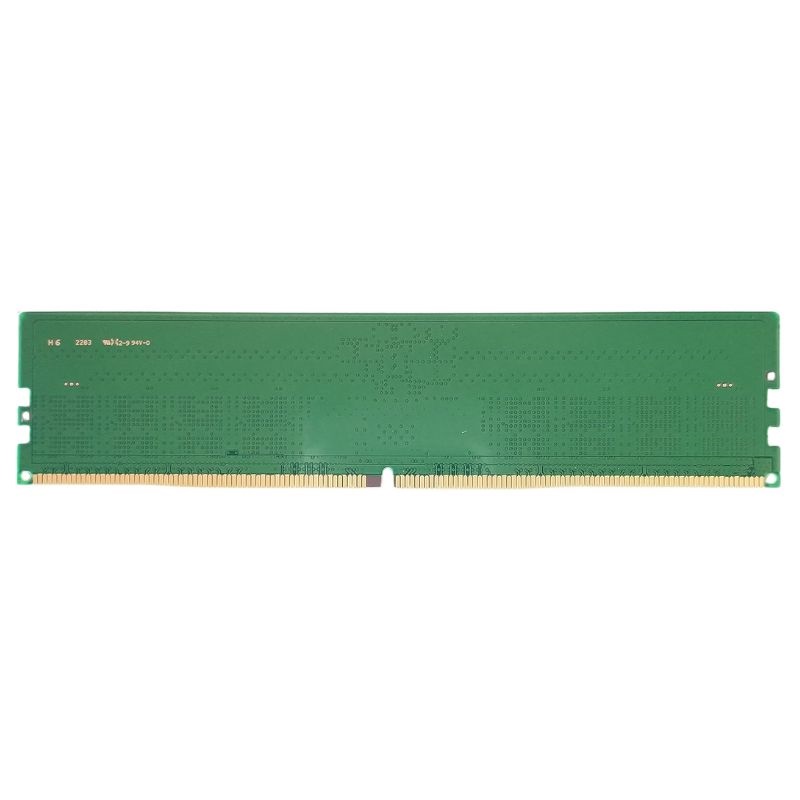
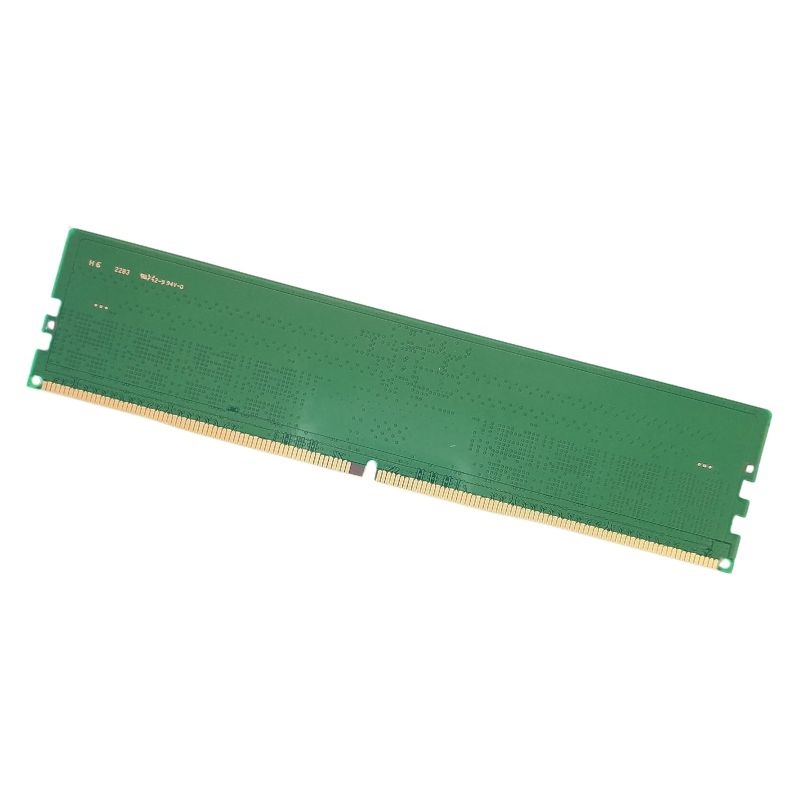
Samsung M321R4GA0EB2-CCP 32GB PC5-51200 1RX4 288P RDIMM ECC REG DDR5-6400MHz Memory Module. New (System) Pull with 1 Year Replacement Warranty
| SKU/MPN | Warranty | Price | Condition | You save |
|---|---|---|---|---|
| M321R4GA0EB2-CCP | 1 Year Warranty | $2,208.00 | New Sealed in Box (NIB) | You save: $772.80 (26%) |
| M321R4GA0EB2-CCP | 1 Year Warranty | $1,920.00 | New (System) Pull | You save: $672.00 (26%) |
The Samsung M321R4GA0EB2-CCP represents a significant leap forward in server memory technology, engineered to meet the escalating demands of modern data centers, cloud infrastructure, and enterprise computing. This 32GB DDR5 Registered ECC RDIMM (RDIMM) module is not merely an upgrade from DDR4; it is a foundational component designed to unlock new levels of bandwidth, efficiency, and reliability for mission-critical server platforms.
The Samsung M321R4GA0EB2-CCP represents a pinnacle of performance and reliability in server memory technology. This specific module is a 32GB DDR5 RDIMM engineered for next-generation data center servers, enterprise computing platforms, and high-performance workstations requiring uncompromising data integrity and throughput. As servers evolve to handle increasingly dense virtualization, artificial intelligence workloads, and real-time data analytics, memory like this becomes the critical backbone, ensuring smooth data flow between the CPU and storage hierarchies.
At its heart, this module is defined by a set of rigorous technical parameters that dictate its compatibility and performance envelope. Understanding these specifications is crucial for system integrators, IT administrators, and procurement specialists.
The module offers a single 32-gigabyte (GB) capacity. This density is ideal for balancing system population and total memory footprint. In a typical dual-processor server with 16 memory slots per CPU, using 32GB modules allows for a substantial 512GB per CPU (1TB total) configuration, which suits a vast array of enterprise applications from large databases to in-memory computing.
While one module provides 32GB, modern server platforms typically support eight or twelve channels per CPU, with multiple slots per channel. Populating these with 32GB modules allows for balanced, high-capacity builds that maximize the bandwidth advantages of DDR5's dual sub-channel architecture without overburdening the memory controller.
Beyond traditional side-band ECC, DDR5 incorporates On-Die ECC. This feature works inside each DRAM chip to correct internal errors before data is sent to the system ECC. This two-tiered approach (ODECC + traditional ECC) significantly improves chip reliability and longevity, a vital factor for data center and uptime.
The "1Rx4" designation indicates a single-rank module with a x4 data width. This is a key architectural detail. A "rank" is a set of DRAM chips that work together to service a memory request. A single-rank module places less electrical load on the memory controller compared to dual-rank (2Rx4) modules of the same capacity. This can allow for higher operating frequencies or more modules per channel, optimizing for speed and bandwidth.
The module operates at a blistering data rate of 6400 Megatransfers per second (MT/s), often marketed as 6400Mbps. This is the raw speed at which data packets move across the memory interface. Compared to previous-generation DDR4 modules, which commonly topped out at 3200 MT/s, this represents a doubling of peak theoretical bandwidth, significantly reducing data transfer bottlenecks.
The "PC5-51200" is the module's classification under JEDEC standards. The "5" denotes DDR5, and "51200" refers to the peak bandwidth in megabytes per second (MB/s) for the module. A single 6400 MT/s module provides 51.2 GB/s of bandwidth. The CAS Latency (CL52) is the number of clock cycles between a read command and the moment data is available. While DDR5 latencies are numerically higher than DDR4 due to the much faster clock speeds, the actual time in nanoseconds is competitive or better, ensuring responsive performance even at high bandwidths.
This Samsung module leverages the fundamental architectural leaps of DDR5 SDRAM, which go far beyond just speed increases.
Operating at a nominal 1.1 volts, DDR5 is more power-efficient than DDR4 (typically 1.2V). This reduction directly translates to lower power consumption and reduced heat output at the module level. In a data center with thousands of servers, this efficiency gain contributes substantially to lower operational expenses (OPEX) and a reduced carbon footprint, aligning with modern green IT initiatives.
A revolutionary change in DDR5 is the migration of power management from the motherboard to the memory module itself. Each Samsung M321R4GA0EB2-CCP module features an onboard PMIC. This allows for more stable and granular power delivery, improving signal integrity and enabling better overclocking margins. It also distributes the power load and thermal profile more effectively across the server system.
While the module features ECC, it's important to distinguish between on-die ECC and the module-level ECC provided by the "Registered" buffer. DDR5 chips incorporate on-die ECC to correct bit errors within the DRAM chip itself before data is sent to the CPU. This handles smaller, internal errors, improving the raw reliability of the silicon and allowing for higher densities.
This is a key feature for achieving high data rates like 6400 MT/s. DFE allows the memory receiver to better interpret signals by accounting for and canceling out signal interference (ISI) on the channel. This results in cleaner data transmission, enabling stable operation at the high frequencies demanded by performance-critical servers.
The "ECC Registered" designation is what firmly places this module in the realm of enterprise servers and mission-critical systems, as opposed to consumer-grade UDIMMs.
The module includes a register (or buffer) located between the server's memory controller and the DRAM chips. This register buffers the command, address, and clock signals, reducing the electrical load on the memory controller. This stabilization is crucial for supporting high-density configurations with many memory modules per system. It allows servers to be fully populated with high-capacity sticks like the 32GB module without risking system instability.
In addition to the on-die ECC within the DDR5 chips, the module supports standard ECC at the system level. ECC memory can detect and correct single-bit data errors and detect (but not correct) multi-bit errors on the fly. This is non-negotiable for servers where data corruption can lead to catastrophic financial, scientific, or operational consequences. It ensures data accuracy in RAM, protecting against silent data corruption.
The module is built to strict industry standards to ensure broad compatibility within its intended ecosystem.
This Samsung module utilizes a 288-pin edge connector, which is the standard for DDR5. However, the key notch position is different from DDR4's 288-pin design, preventing accidental insertion into an incompatible motherboard slot. It is physically designed as a Registered DIMM (RDIMM), meaning it will only fit and operate correctly in server motherboards that explicitly support DDR5 RDIMMs.
The Samsung M321R4GA0EB2-CCP is not a general-purpose memory stick; it is engineered for specific, demanding computing environments.
In hyper-scale cloud environments and enterprise data centers, this memory is deployed in rackmount servers handling virtualization (VMware, Hyper-V, KVM), large-scale containerization (Kubernetes), and big data platforms like Hadoop or Spark. The combination of high bandwidth (6400Mbps) and high capacity (32GB) allows each physical server to host more virtual machines or process larger datasets in memory, improving server consolidation ratios and overall efficiency.
The module's 51.2 GB/s bandwidth helps feed data-hungry CPUs (like AMD EPYC or Intel Xeon Scalable processors) faster, reducing compute cycle wait times and accelerating time-to-solution for complex simulations and models.
Relational database management systems (RDBMS) such as Oracle Database, Microsoft SQL Server, and SAP HANA, as well as Enterprise Resource Planning (ERP) software, rely on ECC RDIMM memory for stability. The ECC protection safeguards critical financial and transactional data, while the registered design ensures system stability in fully populated memory configurations, maximizing uptime for business-critical applications.


 Contact Us
 Information
 Catalog
 Solid State Drives (SSD)
 Network Switches
 Hard Disk Drives
 HBA & Controllers
 PC & Servers
 PC & Server Memory
 CPU & Processors
 Network Routers
 Power Supplies
 Tape Drives & Libraries
 Network Devices
 Computer & Network Cables