(7% discount is applied at checkout)
Cart is empty
Your go-to destination for cutting-edge server products
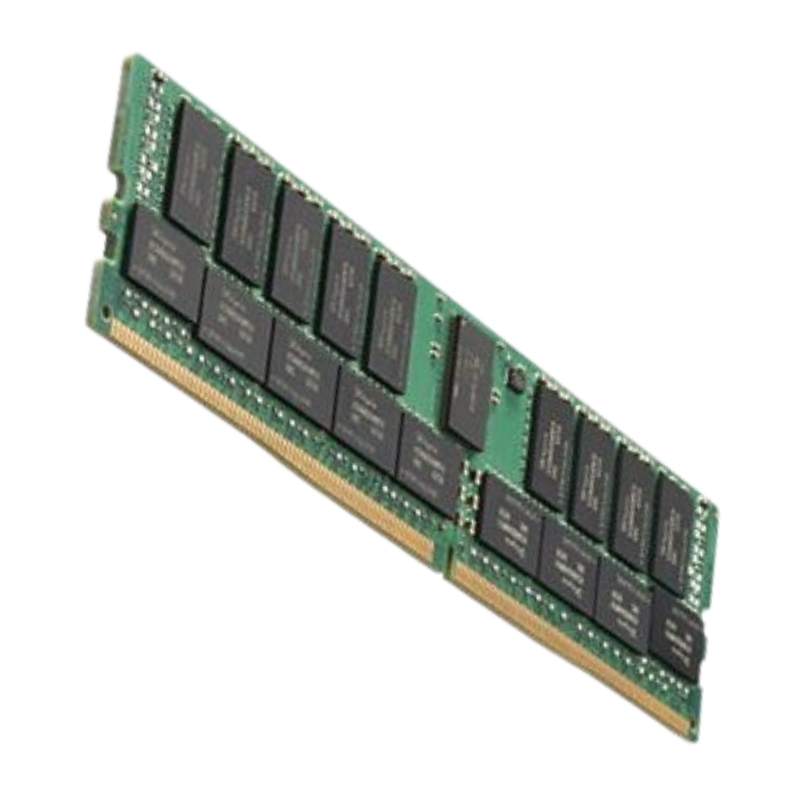


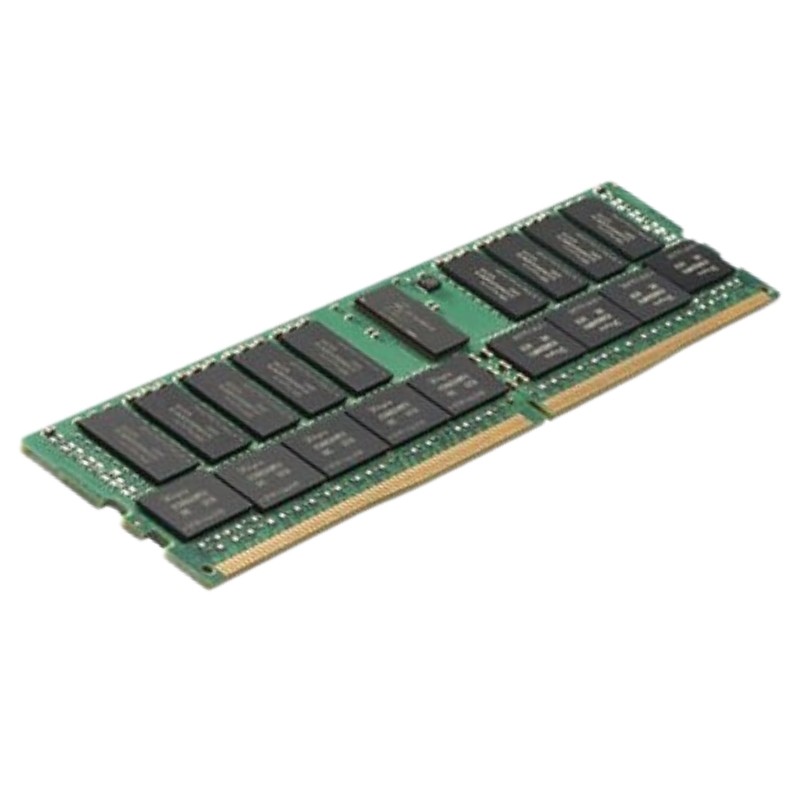
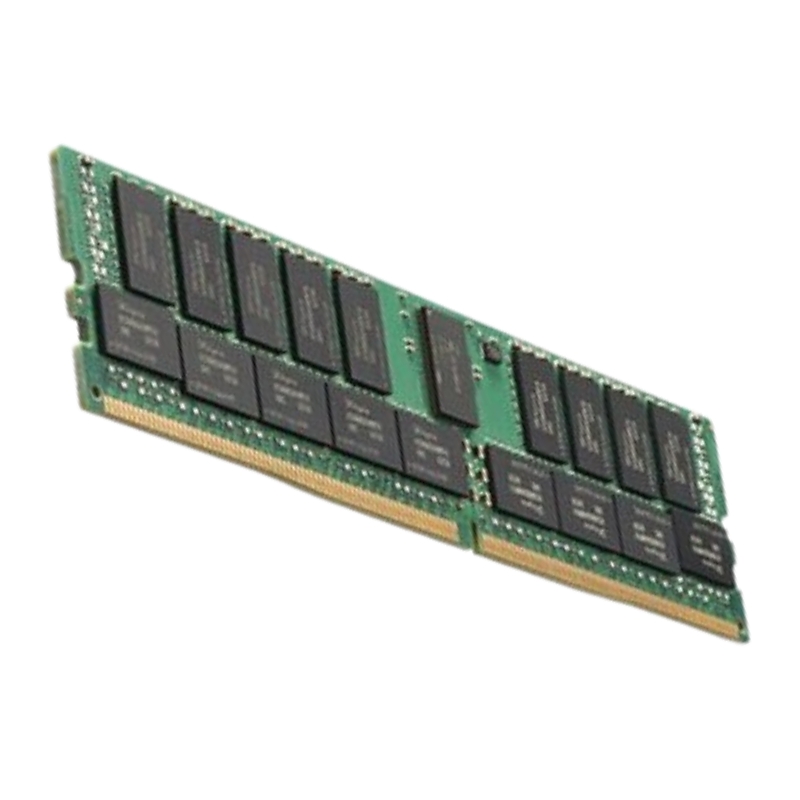
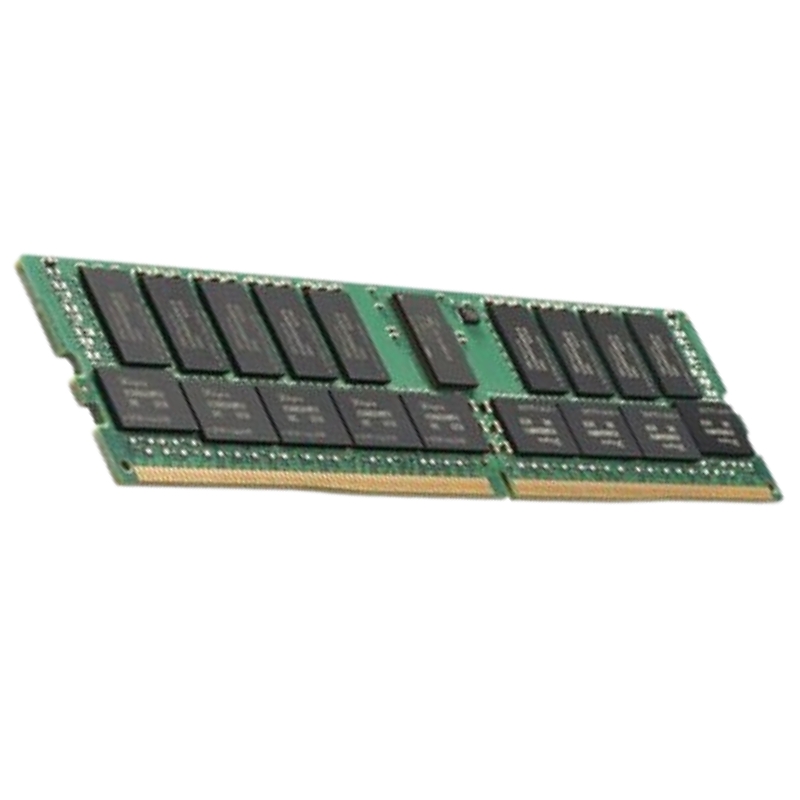
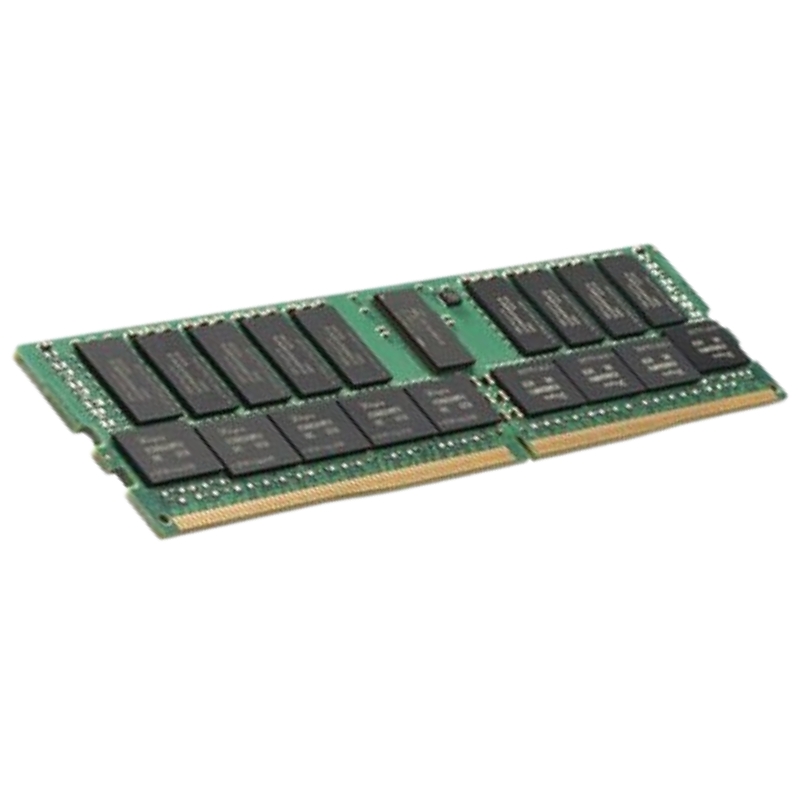
Samsung M321R8GA0EB0-CWMCH 64GB DDR5 5600MBPS PC5-44800 2rx4 Ecc Registered 1.1v CL46 SDRAM 288-Pin RDIMM Memory Kit. New Sealed in Box (NIB) with 3 Year Warranty
The Samsung M321R8GA0EB0-CWMCH is a high-capacity 64GB DDR5 SDRAM memory module designed for enterprise servers and professional workstations. Built with advanced DDR5 technology, this registered ECC RDIMM delivers improved bandwidth, enhanced reliability, and lower power consumption for demanding computing environments.
The Samsung M321R8GA0EB0-CWMCH 64GB DDR5 RDIMM is compatible with systems that explicitly support DDR5 registered ECC memory modules.
DDR5 registered memory modules represent a major evolution in enterprise and data center memory technology. Products within this category, including high-capacity 64GB DDR5 RDIMM modules such as the Samsung M321R8GA0EB0-CWMCH, are engineered to meet the demanding requirements of modern servers, workstations, cloud infrastructure, virtualization environments, and mission-critical applications. These memory modules are designed to deliver higher bandwidth, improved power efficiency, enhanced signal integrity, and greater scalability compared to previous DDR4 generations.
This category focuses on DDR5 ECC Registered DIMM (RDIMM) memory solutions operating at speeds up to 5600MT/s (PC5-44800), utilizing advanced architectures such as 2Rx4 rank organization, lower operating voltages, and on-die error correction. These features make them ideal for enterprise workloads where data accuracy, system stability, and consistent performance are essential.
DDR5 memory introduces a significant leap in memory bandwidth compared to DDR4. Operating at 5600MT/s, DDR5 RDIMM modules in this category provide substantially higher data transfer rates, allowing servers to process larger datasets more efficiently. This increased throughput is critical for applications such as in-memory databases, real-time analytics, artificial intelligence workloads, and high-performance computing clusters.
The PC5-44800 specification indicates a theoretical bandwidth of up to 44.8GB/s per module, enabling multi-channel server architectures to scale memory performance linearly. This makes DDR5 RDIMM memory a foundational component for next-generation CPUs from leading server platform vendors.
Unlike DDR4, which uses a single 64-bit channel per DIMM, DDR5 memory modules employ a dual 32-bit subchannel design. This architectural enhancement improves memory efficiency by allowing the memory controller to access smaller chunks of data independently, reducing latency and improving parallelism.
For enterprise servers running mixed workloads, this dual subchannel approach enhances responsiveness and ensures smoother handling of concurrent memory requests, particularly in virtualized and containerized environments.
ECC (Error-Correcting Code) registered memory is a cornerstone of enterprise-grade computing. DDR5 RDIMM modules in this category include advanced ECC functionality that can detect and correct single-bit memory errors and detect multi-bit errors, preventing data corruption and system crashes.
Registered DIMMs utilize a register (or buffer) between the memory controller and the DRAM chips. This register reduces electrical load on the memory controller, enabling higher memory capacities and improved signal stability, especially in systems populated with multiple DIMMs.
64GB DDR5 RDIMM modules allow servers to achieve high memory capacities with fewer slots populated. This is essential for modern data centers where maximizing memory per CPU socket is a key design goal. Using fewer DIMMs reduces power consumption, simplifies cooling, and improves overall system reliability.
In multi-socket server systems, these high-capacity modules enable configurations exceeding terabytes of system memory, supporting large-scale virtualization, big data analytics, and memory-intensive enterprise applications.
The 2Rx4 configuration refers to dual-rank memory with x4 DRAM chips. This organization is commonly preferred in enterprise environments due to its balance of performance, reliability, and compatibility with server memory controllers.
x4 DRAM devices are often recommended for mission-critical systems because they work more effectively with ECC, offering enhanced fault detection and correction capabilities compared to x8 configurations.
CAS latency (CL) represents the delay between a memory request and the time data becomes available. DDR5 RDIMM modules operating at CL46 are optimized for high-frequency operation, where increased bandwidth compensates for higher latency values.
In server environments, overall throughput and concurrency are often more important than raw latency. The combination of high transfer rates, multi-channel memory controllers, and advanced caching mechanisms ensures excellent real-world performance.
Memory in this category is designed to deliver consistent performance across a wide range of enterprise workloads. Whether handling transactional databases, virtual machine hosting, or parallel computing tasks, DDR5 RDIMM modules provide predictable behavior and minimal performance degradation under load.
The 288-pin RDIMM form factor is the industry standard for modern server memory. DDR5 RDIMM modules are physically compatible with DDR5 server memory slots and are keyed to prevent incorrect installation in incompatible systems.
This category of memory is intended exclusively for servers and enterprise workstations that support DDR5 RDIMM technology. It is not compatible with consumer desktops or systems designed for unbuffered DIMMs (UDIMM).
DDR5 RDIMM memory modules are designed to work with the latest generation of server processors and chipsets. Compatibility depends on motherboard support, BIOS firmware, and CPU memory controller capabilities.
Enterprise system integrators often qualify specific memory modules to ensure maximum stability, making branded DDR5 RDIMM solutions a preferred choice for certified server builds.
High-capacity DDR5 RDIMM memory is essential for virtualization platforms such as VMware, Hyper-V, and KVM. With large memory pools, servers can host more virtual machines per node while maintaining performance isolation and stability.
Cloud service providers benefit from the scalability and efficiency of DDR5 memory, enabling higher density deployments and improved cost efficiency per workload.
Enterprise databases, including relational and NoSQL systems, rely heavily on fast and reliable memory. DDR5 RDIMM modules provide the bandwidth and capacity required for in-memory processing, caching, and real-time analytics.
Applications such as SAP HANA, Oracle Database, and large-scale data warehousing platforms benefit directly from increased memory performance and capacity.


 Contact Us
 Information
 Catalog
 Solid State Drives (SSD)
 Network Switches
 Hard Disk Drives
 HBA & Controllers
 PC & Servers
 PC & Server Memory
 CPU & Processors
 Network Routers
 Power Supplies
 Tape Drives & Libraries
 Network Devices
 Computer & Network Cables