(7% discount is applied at checkout)
Cart is empty
Your go-to destination for cutting-edge server products
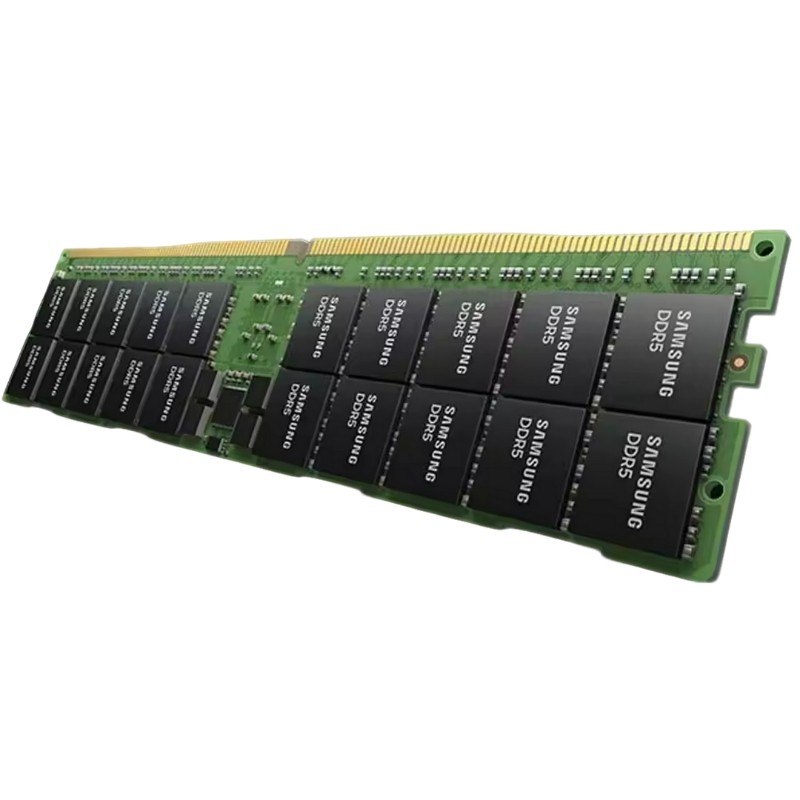


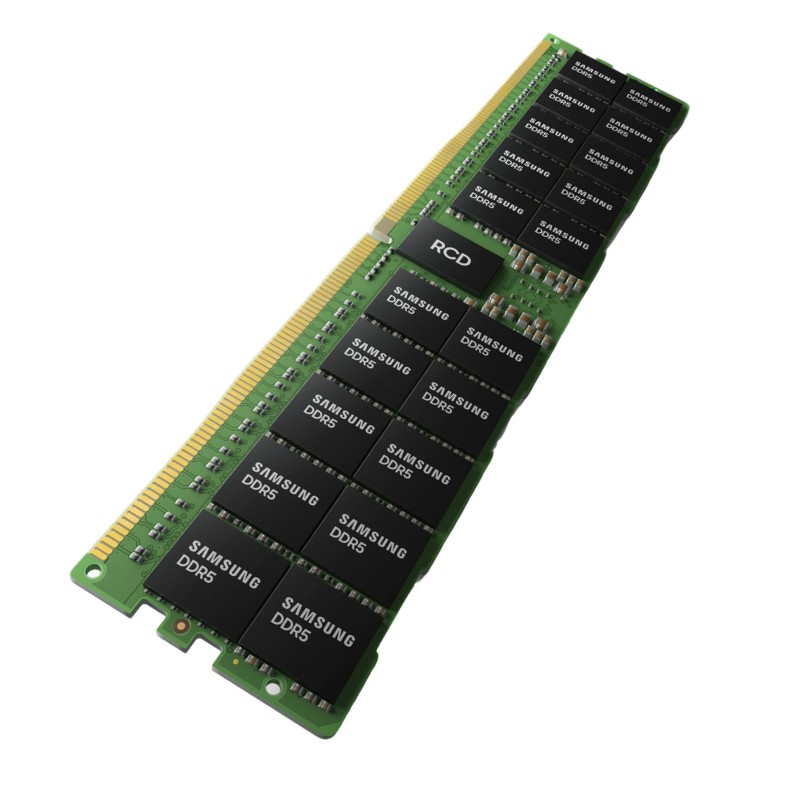
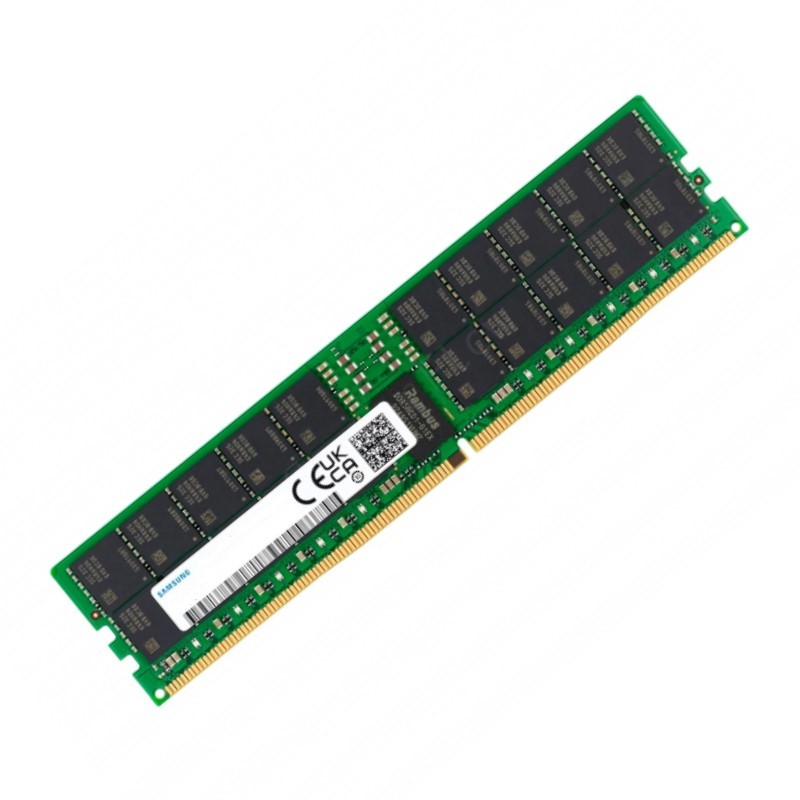
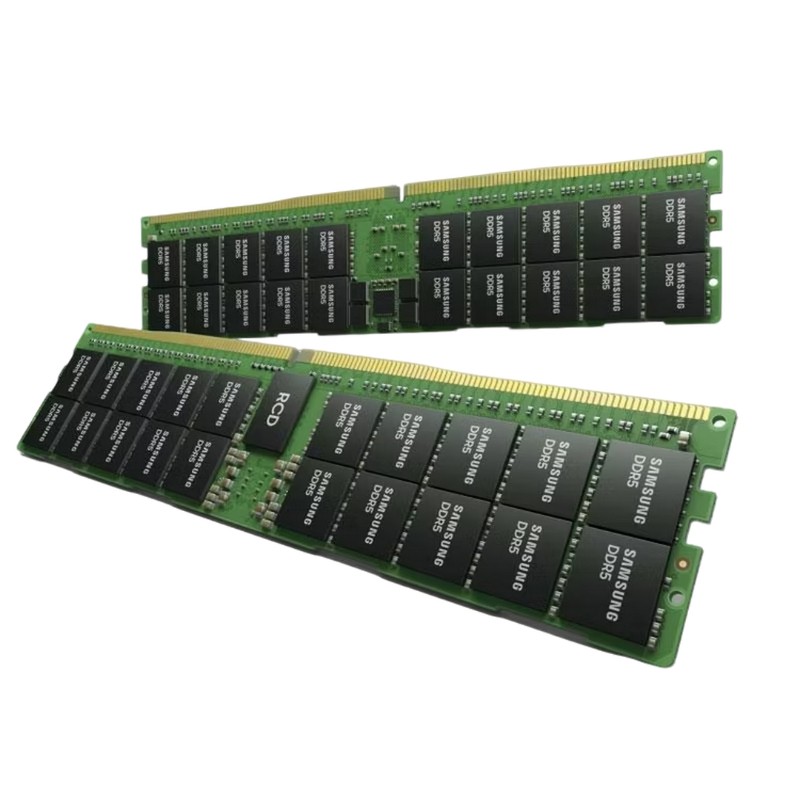
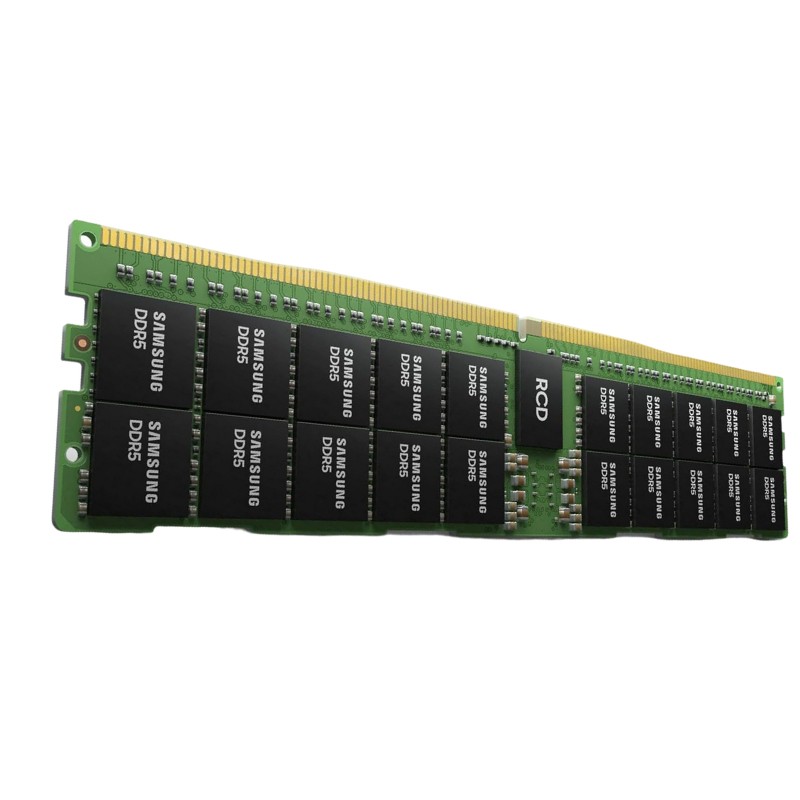
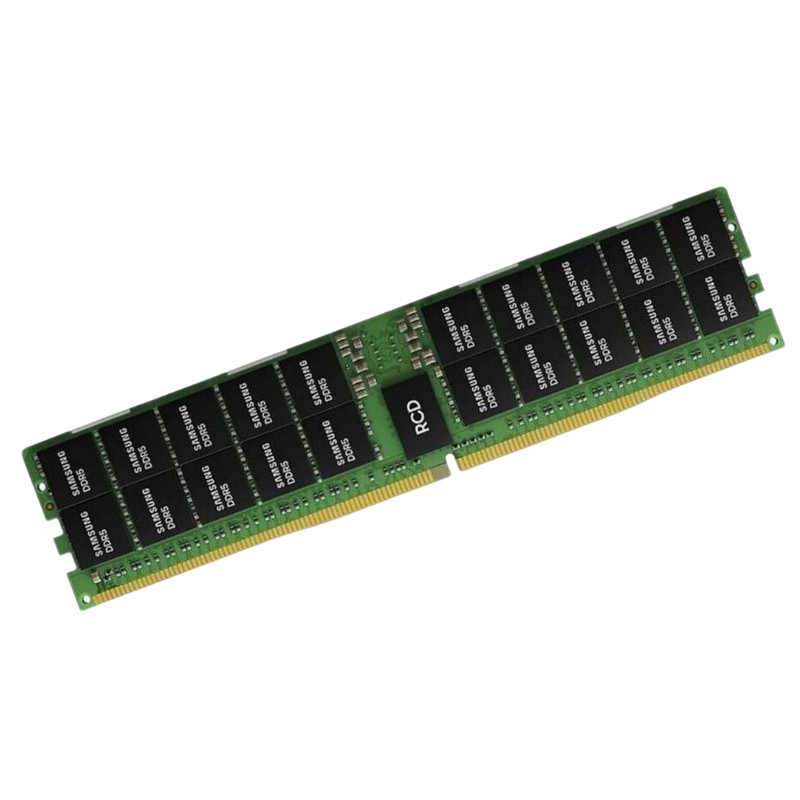
Samsung M321RBJA0M22-CLPIL 256GB DDR5 6400MBPS Pc5-51200 ECC Registered 1.1v CL40 SDRAM 288-pin RDIMM Memory Kit. New (System) Pull with 1 year replacement warranty. Call
This module represents a significant leap in server memory technology, engineered for high-demand computational environments. It delivers exceptional bandwidth and unwavering data integrity for critical applications.
Designed For modern enterprise-class servers and high-density compute platforms, the M321RBJA0M22-CLPIL Samsung 256GB DDR5 6400MBps Pc5-51200 ECC Registered 1.1v CL40 SDRAM 288-pin RDIMM Memory Kit delivers a balance of raw bandwidth, reliability, and power efficiency. Built To meet rigorous datacenter demands, this memory kit provides error correction, register-based stability and next-generation DDR5 improvements that support multi-socket server environments, virtualization hosts, and memory-intensive databases.
Engineered Around a DDR5-6400 data rate (PC5-51200), the module offers sustained high throughput for parallel workloads and large memory windows. Combining 6400 MT/s signaling with DDR5 architectural enhancements, this Samsung RDIMM kit reduces latency impact during large sequential transfers and improves overall system responsiveness when running throughput-sensitive applications such as in-memory databases, real-time analytics, and high-performance computing tasks.
Declared With a CL40 timing at the specified voltage of 1.1V, the kit balances frequency and CAS latency to achieve optimal real-world performance. While raw latency numbers are higher than lower-clocked DDR4 modules, the significantly higher transfer rate compensates in bandwidth-bound scenarios. Administrators Should consider the interplay between memory speed, CPU memory controller characteristics, and platform BIOS settings when tuning for lowest effective latency.
Built As an ECC Registered DIMM, the M321RBJA0M22-CLPIL supports single-bit error correction and multi-bit error detection, a critical capability for server environments where data integrity is non-negotiable. The registered buffer isolates electrical loading and improves signal integrity on motherboards populated with high memory counts. Together these features make the kit suitable for mission-critical workloads, minimizing the risk of silent data corruption and improving system uptime.
Ideal For large virtualization clusters, memory-scaling database servers and advanced analytics nodes, this Samsung 256GB DDR5 kit allows system architects to scale memory capacity per socket while retaining ECC protection. Use Cases Include multi-tenant virtual machines, in-memory caching layers, large-scale columnar databases, and enterprise-grade AI inference nodes where both capacity and bandwidth drive performance.
When Deployed In virtualized infrastructures, the M321RBJA0M22-CLPIL high capacity and throughput reduce memory contention among guests and containers. Fewer physical DIMMs Are required for equivalent aggregate memory, which simplifies capacity planning and can reduce overall system power consumption per GB. Hyperconverged systems also benefit from denser memory footprints by enabling more VMs per host without sacrificing reliability.
Compatibility With modern server platforms depends on chipset and BIOS support for DDR5 RDIMMs and the specific memory speed. System Builders Should verify motherboard QVLs (Qualified Vendor Lists) and firmware revisions to ensure the platform supports PC5-51200 modules and registered operation at the intended speeds. BIOS upgrades May be necessary to enable optimal XMP-like profiles or platform-specific tuning that unlocks full 6400 MT/s performance.
Operating At 1.1V, the M321RBJA0M22-CLPIL Samsung DDR5 RDIMM kit benefits from the lower operating voltage of DDR5 standards compared to some older generations. Reduced Voltage Translates Into lower power draw per module, which is meaningful at datacenter scale. Thermal Characteristics of these high-density RDIMMs should be reviewed in the context of chassis airflow and rack-level cooling; while DDR5 introduces on-die power management features, administrators must ensure adequate ventilation to avoid thermal throttling in densely populated systems.
DDR5 Introduces Integrated On-Die ECC In Many Implementations which augments system-level ECC to provide additional protection against certain types of memory errors. This on-die capability, combined with module-level ECC, enhances resilience for workloads requiring uncompromising data correctness. Memory Subsystem Management Improvements also include improved refresh management and power-down modes, which reduce idle energy consumption while retaining data integrity.
Samsung Is Renowned For High-Quality Memory Manufacturing, and the M321RBJA0M22-CLPIL follows this legacy with strict component selection, PCB layout optimization and rigorous validation. The 288-Pin RDIMM Form Factor adheres to industry mechanical and electrical standards, enabling broad interchangeability across enterprise vendors. Manufacturing Controls And Traceability often translate into longer lifecycle support and reliable warranty fulfilment for enterprise customers.
At 256GB Per Kit, the module uses high-density DRAM packages that maximize capacity per DIMM. This density is particularly advantageous in memory-bound applications where adding additional DIMMs is restricted by available slots. Module Topology, including rank count and DRAM organization, affects compatibility and supported operating speeds; knowledgeable system integrators will verify rank and channel constraints against the target server platform documentation.
Administrators Seeking To Extract Maximum Performance Should Start With Firmware And BIOS Updates, followed by correct slot population and memory interleaving configuration. Where Supported, enabling platform memory profiles that match the memory kit's specifications will help achieve stable 6400 MT/s operation. For workload-specific tuning, adjusting refresh rates, command rate, and interleaving settings can yield measurable benefits in real-world benchmarks.
Thorough Validation Includes Stress Testing Under Realistic Loads, running memory diagnostics and long-duration error-checking utilities. Checklist Items Should Include ECC Validation Runs, RAS (Reliability, Availability, Serviceability) Tests and burn-in cycles to detect potential early-life failures. For larger deployments, pilot clusters help identify platform-level idiosyncrasies before full-scale rollout.
Because Memory Is The First Line Of Volatile Data Storage, ensuring its integrity aligns with many regulatory frameworks that require data traceability and error-resilient computing. ECC Registered DIMMs Reduce The Likelihood Of Silent Data Corruption and can be a compliance differentiator for industries such as finance, healthcare and government that handle sensitive workloads.
Databases Such As Columnar Stores And OLAP Systems Benefit From High Bandwidth And Large Memory Pages; the extra throughput accelerates scan-heavy queries and reduces I/O dependence. For AI Inference Workloads, dense memory allows larger model parameter storage close to the CPU, reducing latency for served models. High-Performance Computing Also Sees Gains In Memory-Bound Kernels where data movement dominates compute time.
Deploying High-Capacity RDIMMs Supports Future Growth Without Immediate Hardware Replacement. By selecting 256GB Modules, organizations can provision fewer DIMM slots per server while achieving larger overall capacities, leaving room for future expansion and easing the path for dual-socket or multi-socket scaling. Future-Proofing Also Means Choosing Memory That Aligns With Roadmaps For DDR5 Enhancements And Server Platform Evolution.
Compared To Consumer DDR5 Modules, Server-Grade ECC Registered DIMMs Provide Robustness And A Feature Set Tailored To Enterprise Needs. When Weighing Alternatives, evaluate raw bandwidth, supported capacities per module, ECC features, and voltage/thermal profiles. For Some Workloads, Lower-Speed But Lower-Latency Modules May Offer Better Latency-Sensitive Performance, whereas the Samsung 256GB DDR5-6400 RDIMM excels in bandwidth-centric scenarios.
The RDIMM form factor incorporates a register between the memory controller and DRAM chips, which stabilizes command and address signals for enhanced signal integrity when deploying multiple modules in a system. Built-in Error Correcting Code (ECC) detects and corrects single-bit errors and detects multi-bit errors, providing an essential safeguard for data integrity in mission-critical environments. These features reduce the likelihood of silent data corruption and improve overall system uptime, which is crucial for database servers, virtualization hosts, and HPC nodes.
The 288-pin RDIMM mechanical layout adheres to industry standards, making the modules physically compatible with motherboards and server platforms that accept DDR5 registered memory. Before deployment, verify system vendor specifications and firmware compatibility—particularly BIOS/UEFI support and qualified vendor lists (QVL)—to ensure the server or workstation fully supports 256GB RDIMM modules and the 6400MT/s speed grade. Some platforms may require BIOS updates or platform-specific configuration to enable higher speed profiles or to support large capacity DIMMs.


 Contact Us
 Information
 Catalog
 Solid State Drives (SSD)
 Network Switches
 Hard Disk Drives
 HBA & Controllers
 PC & Servers
 PC & Server Memory
 CPU & Processors
 Network Routers
 Power Supplies
 Tape Drives & Libraries
 Network Devices
 Computer & Network Cables