(7% discount is applied at checkout)
Cart is empty
Your go-to destination for cutting-edge server products
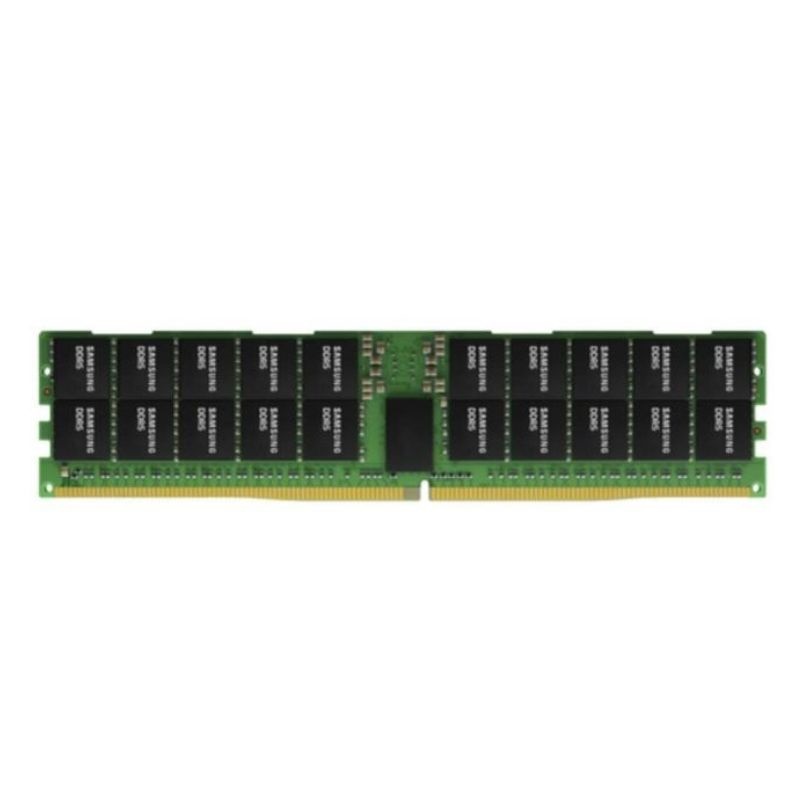


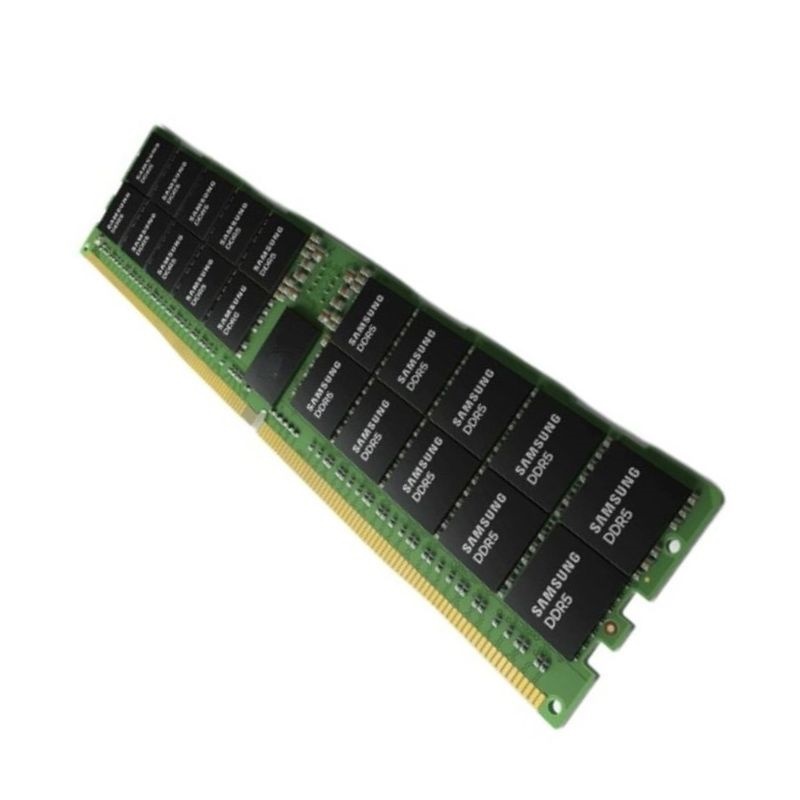
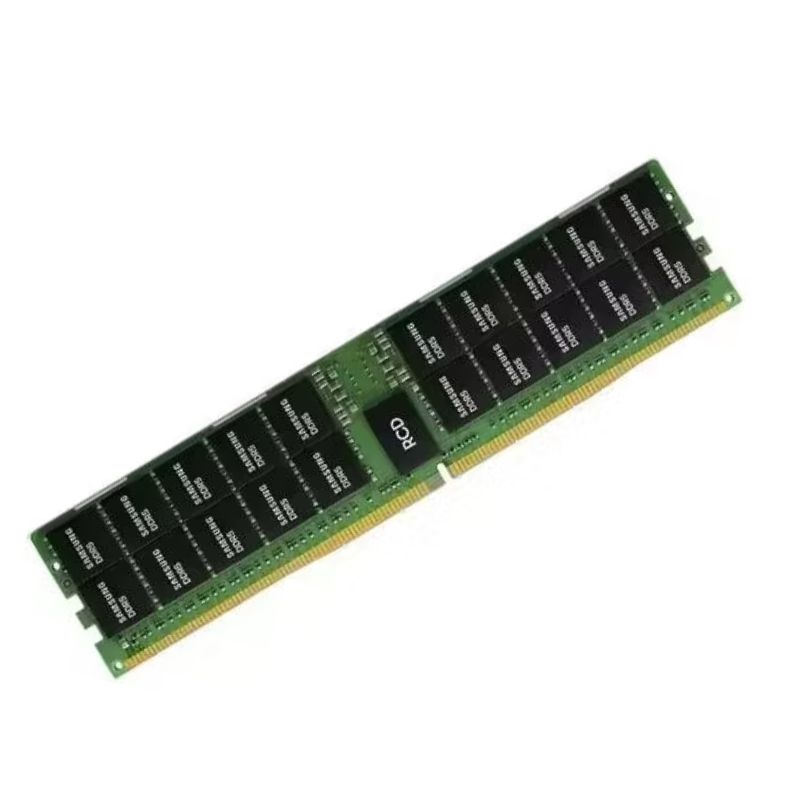
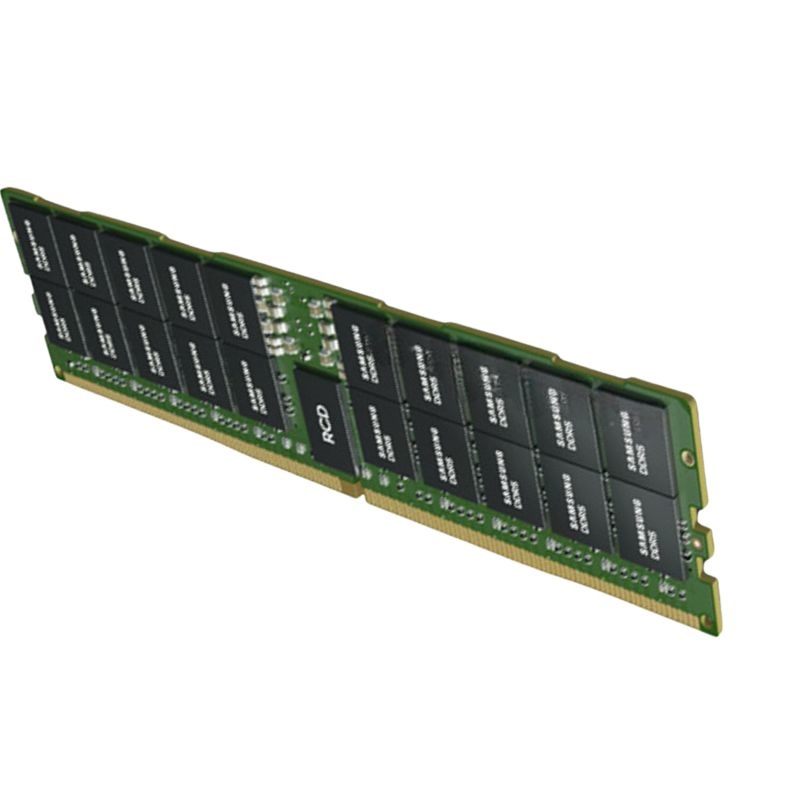
Samsung M321RYGA0PB2-CCPWF 96GB SDRAM 288-pin RDIMM PC5-51200 DDR5-6400MMHz 2Rx4 ECC REG Memory Module. New Sealed in Box (NIB) with 3 Years Warranty
Samsung M321RYGA0PB2-CCPWF 96GB DDR5 RDIMM
The Samsung M321RYGA0PB2-CCPWF 96GB DDR5 SDRAM RDIMM is a premium server-grade memory module engineered for cutting-edge performance and reliability. With blazing 6400Mbps transfer speeds, ECC error correction, and a 288-pin registered design, this dual-rank memory delivers exceptional efficiency for data-intensive computing environments.
This module comes with 96GB of DDR5 SDRAM, delivering next-level speed at 6400 MT/s. Whether deployed in data centers, enterprise servers, or high-performance computing clusters, it ensures seamless workload management.
Samsung’s DDR5 Registered DIMMs represent the latest evolution in memory architecture, designed to meet the demands of mission-critical applications. Offering enhanced throughput, lower power consumption, and superior reliability, this 96GB RDIMM ensures long-term stability for businesses handling heavy computational workloads.
The Samsung 96GB DDR5 RDIMM is tailored for enterprise IT infrastructure. From advanced AI workloads and machine learning to large-scale virtualization and database management, this module ensures uncompromising stability.
By deploying Samsung’s DDR5 ECC RDIMMs, IT professionals can ensure reduced downtime, improved memory efficiency, and superior scalability. The 96GB density per module minimizes the number of slots needed, maximizing server expandability.
Built with ECC error correction and advanced registered signal processing, this module significantly reduces system crashes caused by memory faults. Businesses relying on mission-critical performance benefit from consistent reliability in high-load environments.
The Samsung M321RYGA0PB2-CCPWF is a high-density server-grade memory module identified as a 96GB RDIMM PC5-51200 DDR5-6400 288-pin module with 2Rx4 ECC Registered architecture. This category page focuses on continuous product descriptions, technical breakdowns, compatibility guidance, and practical deployment information for system integrators, datacenter engineers, IT procurement specialists, and performance-oriented workstation users. The content below drills into the module's defining characteristics, performance benefits, reliability features, and deployment best practices—designed for both human readers and search-engine indexing.
Selecting a module such as the Samsung M321RYGA0PB2-CCPWF is driven by density, reliability, and performance needs:
Successful deployment depends on matching the memory module characteristics with the system platform’s supported memory types. When assessing compatibility for Samsung M321RYGA0PB2-CCPWF modules, evaluate the following:
Confirm the server or motherboard's CPU and memory controller support DDR5 RDIMM and the targeted frequency (6400 MT/s). Some platforms accept DDR5 but may limit maximum speed to DDR5-5600 or DDR5-4800 depending on CPU SKU, firmware, and memory population. Always consult the motherboard/server vendor’s validated memory support list.
Modern platforms rely on firmware to correctly initialize JEDEC SPD or vendor-specific training sequences. Ensure the latest BIOS/UEFI from your hardware vendor is applied—particularly when mixing newer DDR5 modules with older platform firmware.
Several performance vectors are important for DDR5 RDIMM modules: raw bandwidth (MT/s), latency (CAS and command timings), and real-world throughput in application workloads. Samsung’s 96GB DDR5-6400 modules are optimized for throughput-centric applications.
DDR5 increases peak bandwidth but latency figures (CAS latency cycles) may be higher in absolute terms compared to lower frequency DDR generations. However, the net effect for memory-bound workloads typically favors higher-frequency DDR5 devices due to increased data delivery per unit time. For latency-sensitive duties, platform tuning of command rates and interleaving can mitigate latency penalties.
High-speed DDR5 RDIMMs consume more power than lower-frequency modules and may require thoughtful airflow and thermal design in dense server racks. Samsung modules often include thermal-friendly designs and labels for safe installation.
Check manufacturer datasheets for the operating temperature range and nominal voltage. DDR5 typically operates at a nominal 1.1–1.25V range depending on JEDEC bins and module design; higher frequency bins may operate at slightly higher voltages or tighter tolerances when launched by vendors. Proper chassis airflow, monitoring, and telemetry are advised for heavy-load deployments.
ECC with Registered buffering increases overall platform MTBF (Mean Time Between Failures) by reducing silent data corruption and enabling correctable human-error-level incidents to be resolved without system restart. For mission-critical environments, pairing ECC RDIMM modules with hardware and software monitoring yields resilience.
When evaluating upgrades or new purchases, it's useful to understand how DDR5-6400 RDIMM modules differ from older DDR4 generations and alternative buffering approaches like LRDIMM.
RDIMMs and LRDIMMs use different buffering to manage higher densities. LRDIMMs reduce electrical loading on memory channels allowing higher DIMM counts at the expense of different latency and power characteristics. Choose RDIMM modules like the Samsung M321RYGA0PB2-CCPWF when the platform specifically lists RDIMM support and when ECC registered buffering meets your reliability and performance goals. LRDIMM may be preferred for systems requiring the absolute highest per-socket capacity where platform support exists.
Authentic OEM modules typically carry specific labeling, holographic seals (for some vendors), and verifiable serial numbers. When in doubt, contact Samsung’s enterprise support or the server OEM to validate part numbers. Always maintain traceability: record serial numbers and lot/batch codes in asset management systems for lifecycle tracking.
The 96GB DDR5-6400 RDIMMs are ideally suited to several workload categories. Below are key use cases where this module category provides tangible benefits:
High per-DIMM density reduces the number of slots required to reach desired VM memory quotas, enabling more compact and power-efficient host configurations. DDR5 bandwidth helps memory-intensive guest OSes and modern hypervisors.
In-memory database caches (e.g., Redis, Memcached, in-memory column stores) benefit from both capacity and bandwidth, leading to lower latency and fewer I/O operations to persistent storage.
Memory bandwidth is a limiting factor in many analytics and inference workloads. DDR5-6400 offers improved data throughput for matrix manipulations, large tensor handling, and memory-bound algorithms.
ECC Registered memory reduces the likelihood of silent data corruption, an essential feature for financial systems, telecommunications, and health-care applications that require regulatory compliance and high uptime.


 Contact Us
 Information
 Catalog
 Solid State Drives (SSD)
 Network Switches
 Hard Disk Drives
 HBA & Controllers
 PC & Servers
 PC & Server Memory
 CPU & Processors
 Network Routers
 Power Supplies
 Tape Drives & Libraries
 Network Devices
 Computer & Network Cables