(7% discount is applied at checkout)
Cart is empty
Your go-to destination for cutting-edge server products
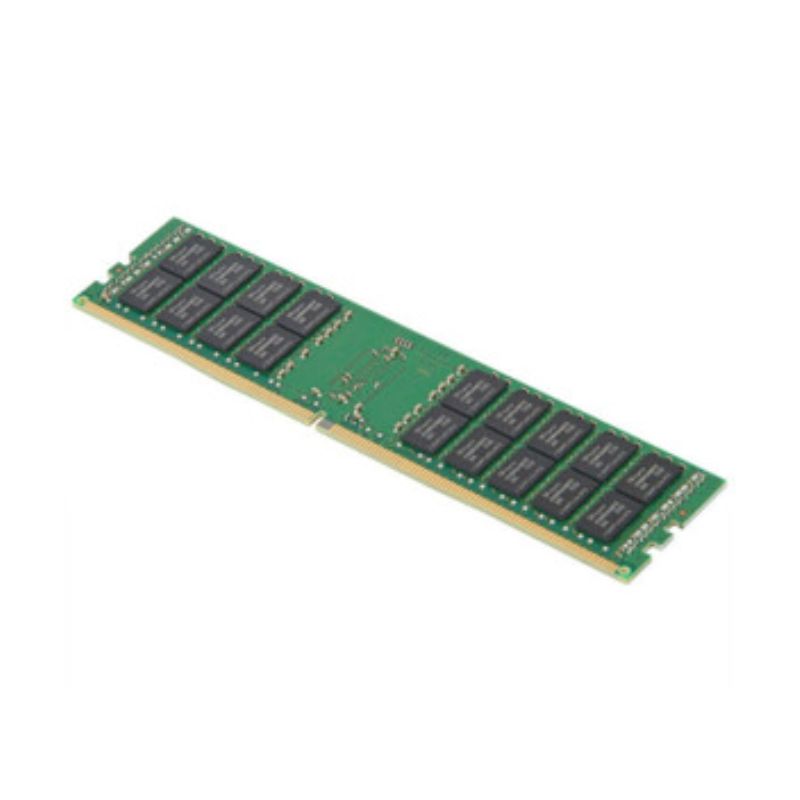


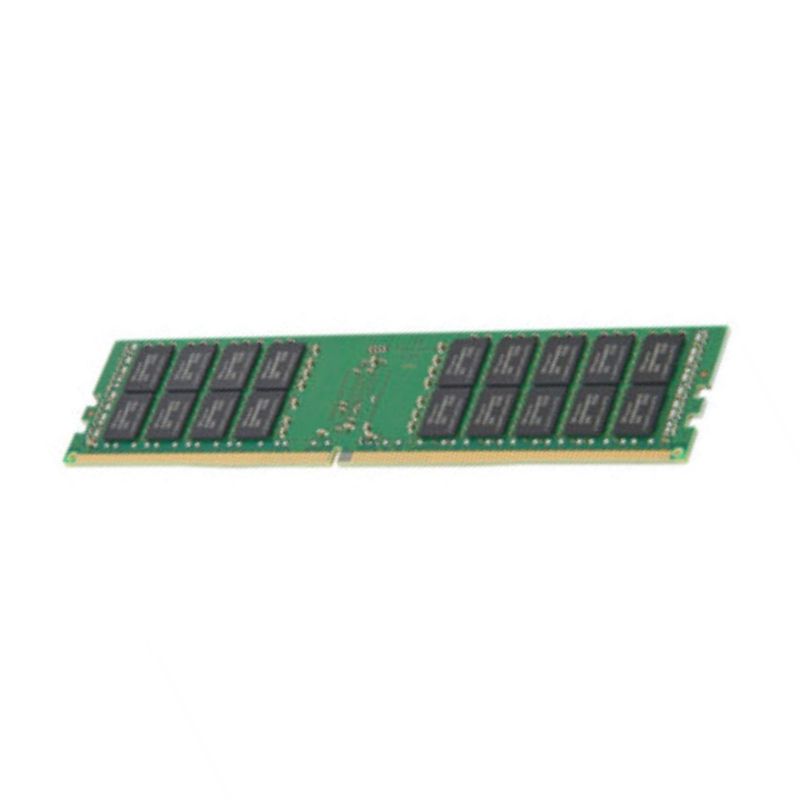
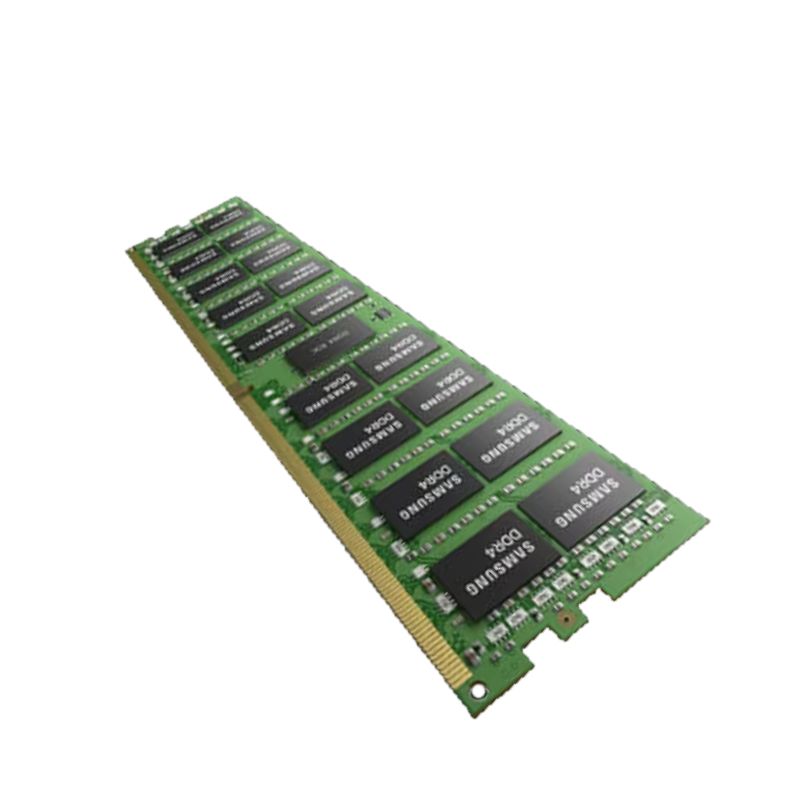
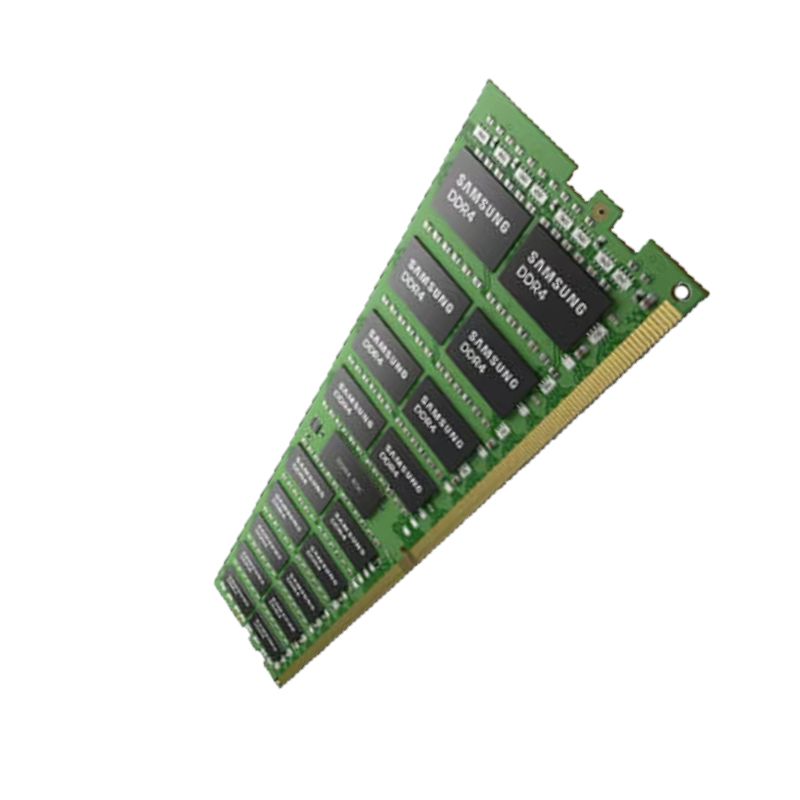
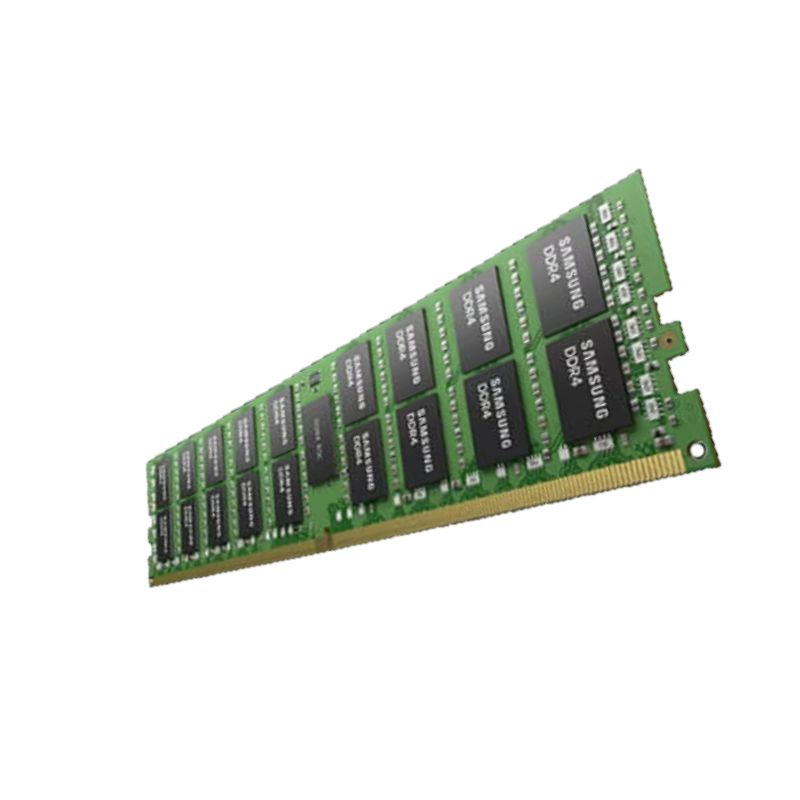
Samsung M386ABG40M5B-CYFC0 256GB DDR4 Memory Module, PC4-23400, 2933Mbps. New (System) Pull with 1 year replacement warranty
The Samsung M386ABG40M5B-CYFC0 256GB PC4-23400 DDR4-2933Mbps 8RX4 ECC Memory Module is engineered for enterprise-grade performance, ensuring reliability and speed for demanding workloads.
Samsung M386ABG40M5B-CYFC0 256GB DDR4 LRDIMM memory belongs to the advanced category of enterprise-grade server memory engineered for mission-critical computing platforms. This category focuses on load-reduced dual in-line memory modules that are purpose-built to support extremely high memory capacities while maintaining signal integrity, electrical stability, and predictable performance across dense server architectures. DDR4 LRDIMM solutions are widely deployed in enterprise data centers, virtualization clusters, cloud computing infrastructures, in-memory databases, and large-scale analytics platforms where memory scalability and reliability are core requirements.
Within this category, 256GB capacity modules represent the upper tier of DDR4 memory density, enabling system architects to design servers with multi-terabyte memory footprints using fewer DIMM slots. The Samsung M386ABG40M5B-CYFC0 module exemplifies this class by combining octal-rank architecture, x4 DRAM organization, ECC protection, and registered signal buffering to deliver consistent performance under heavy computational loads.
DDR4 SDRAM technology defines the foundation of this memory category, offering significant improvements over earlier DDR3 generations in terms of bandwidth efficiency, power optimization, and capacity scaling. Operating at a data transfer rate of 2933 Mbps, also identified as PC4-23400, this category supports modern Intel and AMD server platforms designed for high-throughput workloads. The 2933 Mbps speed tier is especially relevant for balanced server configurations where memory bandwidth must align closely with multi-core processor capabilities.
DDR4 memory modules within this category utilize an optimized prefetch architecture that allows multiple bits of data to be accessed per clock cycle. This design reduces latency bottlenecks and supports sustained memory access patterns common in virtualization, database transactions, and real-time analytics. The Samsung M386ABG40M5B-CYFC0 module adheres to these standards while maintaining a CAS latency of CL21, which is carefully tuned to balance throughput and response time in enterprise environments.
The PC4-23400 specification represents a theoretical peak bandwidth of approximately 23.4 GB per second per memory channel. This bandwidth level is critical for servers running parallel workloads that rely on rapid memory access to feed multiple CPU cores simultaneously. Memory modules in this category are frequently paired with multi-socket processors, ensuring that each processor channel receives sufficient bandwidth to prevent data starvation and performance degradation.
Samsung’s implementation of PC4-23400 memory emphasizes signal stability across extended trace lengths and densely populated DIMM slots. This characteristic is particularly valuable in enterprise servers that populate all available memory channels to achieve maximum capacity and throughput.
Load-reduced DIMM, or LRDIMM, technology defines a specialized subcategory of registered memory modules engineered to support extremely high capacities without overwhelming the memory controller. Unlike standard RDIMM modules, LRDIMM designs incorporate an additional memory buffer that isolates the electrical load of the DRAM chips from the host memory controller. This architectural approach enables the use of higher rank counts, such as octal rank configurations, while maintaining stable signaling and reliable operation.
The Samsung M386ABG40M5B-CYFC0 module utilizes this load-reduced design to achieve its 256GB capacity within a single 288-pin DIMM form factor. This allows enterprise servers to scale memory capacity far beyond the limitations of unbuffered or registered-only modules, making LRDIMM memory essential for memory-intensive workloads.
Octal rank memory architecture represents a high-density design where eight ranks of DRAM are integrated within a single module. This configuration dramatically increases total capacity while maintaining compatibility with supported server memory controllers. In this category, octal rank LRDIMM modules are commonly deployed in systems requiring large in-memory datasets, such as SAP HANA environments, scientific simulations, and large-scale caching systems.
The use of octal rank design in the Samsung M386ABG40M5B-CYFC0 module is complemented by advanced buffering technology that ensures rank switching and access operations remain efficient and predictable. This results in improved scalability and consistent memory performance even when all ranks are actively utilized.
The x4 DRAM organization used in this memory category enhances error detection and correction capabilities. By distributing data across narrower data paths, x4-based modules allow ECC algorithms to detect and correct a broader range of memory errors compared to x8 designs. This is especially important in enterprise environments where data integrity is paramount and memory errors can have cascading effects on application stability.
Samsung’s x4 DRAM implementation within this module supports advanced ECC schemes that align with server-grade reliability standards. This makes the module suitable for workloads that demand continuous uptime and precise data accuracy.
Error-correcting code, commonly known as ECC, is a defining feature of enterprise memory categories. ECC memory modules include additional parity bits that enable real-time detection and correction of single-bit memory errors. This functionality significantly reduces the risk of data corruption, system crashes, and silent computation errors, which are unacceptable in professional computing environments.
The Samsung M386ABG40M5B-CYFC0 module integrates ECC functionality as part of its core design, ensuring that memory operations remain accurate even under sustained load and thermal stress. ECC protection is particularly valuable in servers operating continuously for extended periods, where even minor electrical disturbances can introduce memory errors.
Registered DIMM architecture adds a register between the DRAM chips and the memory controller, reducing electrical load and improving signal timing. This design allows servers to populate more memory modules per channel without compromising stability. In the category of high-capacity DDR4 memory, registered buffering is essential for achieving reliable operation at scale.
The combination of registered signaling and load-reduced buffering in this module creates a robust memory solution capable of supporting dense configurations. This dual-layer approach enhances compatibility with enterprise server platforms and ensures predictable behavior across varied workloads.
Power efficiency is a critical consideration in modern data centers, where energy consumption and thermal output directly impact operational costs. DDR4 memory modules operate at a nominal voltage of 1.2V, representing a reduction compared to earlier memory generations. This lower voltage contributes to reduced power draw and heat generation, especially when deployed in large quantities.
The Samsung M386ABG40M5B-CYFC0 module adheres to strict power efficiency standards while maintaining high performance and capacity. Its optimized circuitry and advanced manufacturing processes ensure consistent operation within specified thermal envelopes, even in densely packed server chassis.
High-capacity LRDIMM modules generate more heat due to increased DRAM density and buffering components. This memory category is engineered to operate reliably under such conditions, with careful attention to thermal dissipation and airflow compatibility. Samsung’s design approach emphasizes uniform heat distribution across the module, reducing localized hotspots that can affect long-term reliability.
Thermal stability is particularly important in rack-mounted servers and blade systems, where airflow is tightly managed. Memory modules in this category are validated for use in these environments, ensuring consistent performance across varying ambient temperatures.
The 288-pin DIMM form factor is the industry standard for DDR4 server memory, ensuring broad compatibility with enterprise motherboards and processor platforms. This form factor supports advanced signaling requirements and higher pin density necessary for modern memory architectures. The Samsung M386ABG40M5B-CYFC0 module conforms fully to this standard, allowing seamless integration into supported server systems.
Compatibility within this category extends beyond physical fit to include electrical and firmware-level support. Enterprise memory modules are qualified against specific server platforms to ensure proper initialization, error handling, and performance tuning. This module is designed to meet the stringent requirements of enterprise OEM systems.
Memory modules in this category are designed for automatic recognition and configuration by server BIOS and firmware. This ensures that capacity, speed, and timing parameters are correctly applied during system boot. The Samsung M386ABG40M5B-CYFC0 module includes standardized SPD information that allows compatible systems to optimize memory settings without manual intervention.
Proper BIOS integration is essential for maintaining system stability and achieving expected performance levels. Enterprise memory categories prioritize this compatibility to minimize deployment complexity in large-scale environments.
The category of 256GB DDR4 LRDIMM memory is targeted at workloads that demand exceptional memory capacity and reliability. These include in-memory databases, large-scale virtualization platforms, artificial intelligence preprocessing tasks, and enterprise resource planning systems. By enabling massive memory pools, these modules reduce reliance on slower storage tiers and improve application responsiveness.
Samsung’s high-density memory solutions are commonly selected for deployments where uptime, scalability, and data integrity are non-negotiable. The M386ABG40M5B-CYFC0 module fits seamlessly into these scenarios, supporting both performance-driven and capacity-driven architectures.
Virtualization platforms benefit significantly from large memory capacities, as each virtual machine requires dedicated memory resources. LRDIMM modules in this category allow hosts to support a greater number of virtual instances without contention. This improves consolidation ratios and overall infrastructure efficiency.
Cloud service providers also leverage high-capacity memory modules to deliver flexible and scalable services. The reliability and performance consistency of enterprise DDR4 LRDIMM memory contribute to predictable service levels and customer satisfaction.
The scalability enabled by 256GB DDR4 LRDIMM memory modules allows organizations to design systems that grow with evolving workload demands. By maximizing per-slot capacity, servers can achieve higher memory densities without increasing physical footprint. This is especially valuable in data centers where space, power, and cooling resources are carefully optimized.
The Samsung M386ABG40M5B-CYFC0 module exemplifies the scalability benefits of this category, supporting advanced server designs that prioritize efficiency and performance. Its combination of high capacity, stable operation, and enterprise-grade reliability makes it a cornerstone component in modern computing infrastructures.


 Contact Us
 Information
 Catalog
 Solid State Drives (SSD)
 Network Switches
 Hard Disk Drives
 HBA & Controllers
 PC & Servers
 PC & Server Memory
 CPU & Processors
 Network Routers
 Power Supplies
 Tape Drives & Libraries
 Network Devices
 Computer & Network Cables